Prague is a city of Castles, Bridges, Alchemy and Kafka, once the main residence of the Holy Roman Emperor (Charles IV), it is a modern metropolis, which gleams in the pure radiance of the past. The capital of Czechia, home to more than 2 million people and the hotspot of the Velvet Revolution, there is a lot to explore in this city, it has something to offer for everyone.


1. How to get there
Being the capital city of Czechia, it is well connected to the rest of the world through land, rail, and air. I had taken a bus (FlixBus) from Berlin to Prague, its less than 4 hours away, and the journey is quite comfortable. You can also take the train, Prague (Praha) Central Station has inter-city express trains running every hour. It is one of the easiest locations to get to.
2. Where to Stay
It’s always preferable to stay near the Old Town because it’s close to both the Central Station, Bus Terminus, and all other major tourist sites. However, there are a lot of accommodations in Mala Strana near the Prague Castle and also one on top of the Zizkov T.V tower in case you are feeling too adventurous. I had stayed at Hostel Rosemary which is very close to the Old Town Square.
3. How to commute
The City has all forms of modern public transport – Trams, Buses, and the Metro. Trams are ubiquitous and the preferred mode of travel. It’s advisable that you buy a travel pass (one-day or multi-day) it’s cheaper and saves you the hassle of buying tickets from the vending machines every time you need to use the public transport. I had used all three modes of transport, the city is very well connected, the trains, buses, trams always seemed to be on time.
4. Things to see
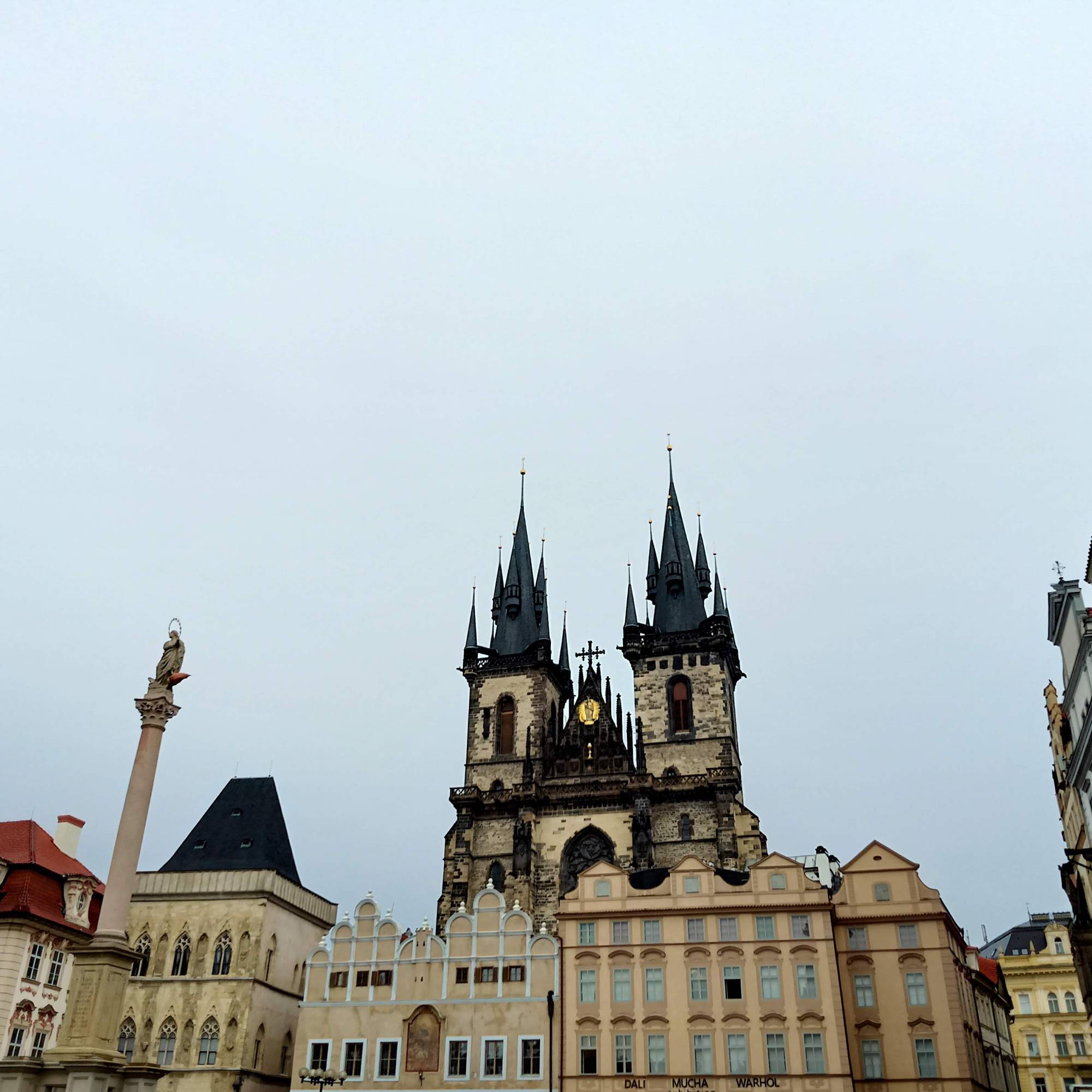

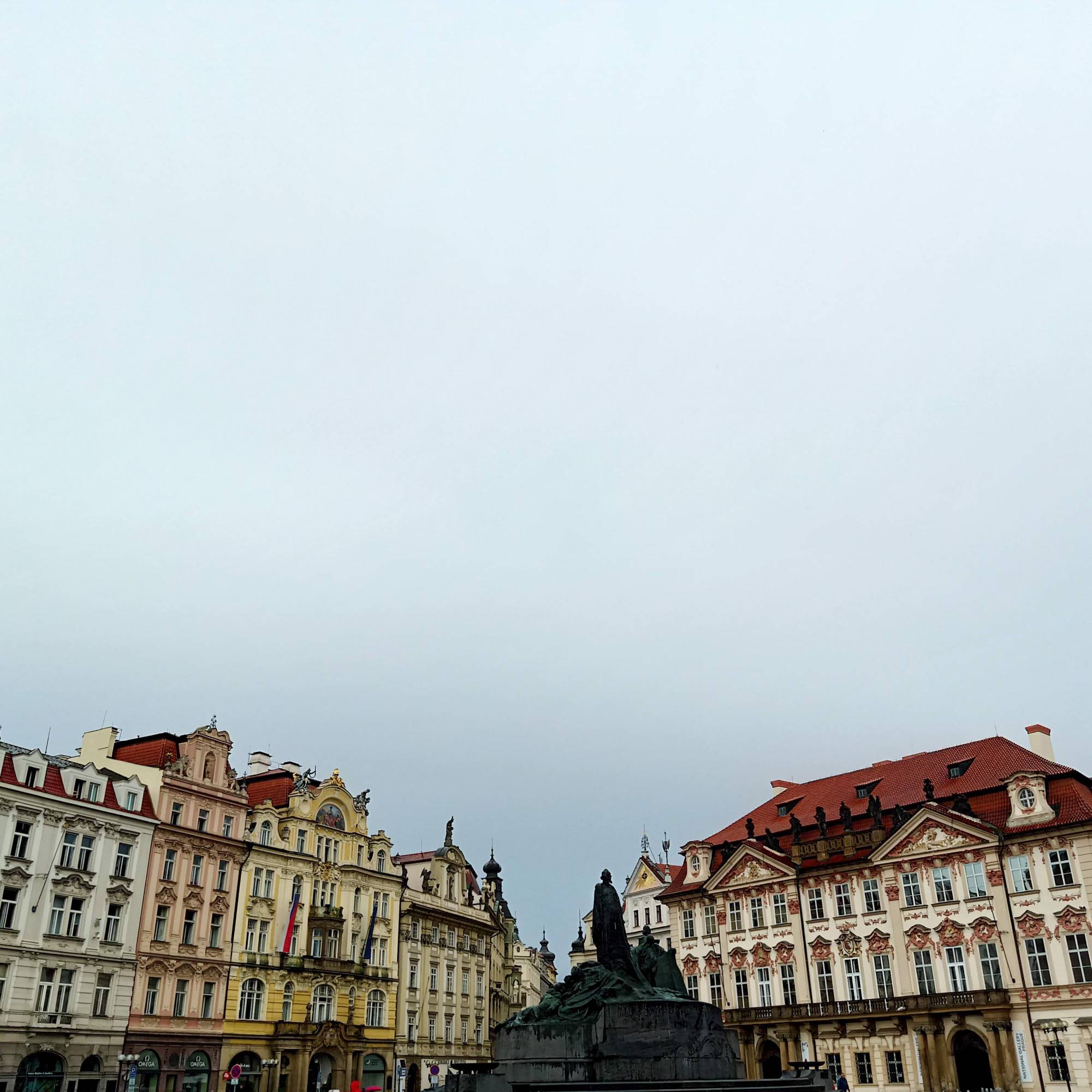
Start your journey from the historic old town of Prague. The Old Town square has both medieval and modern juxtaposed. The oldest functioning Astronomical Clock Tower in the world, Church of Our Lady before Tyn, Jan Hus Monument, Kinsky Palace, and many more interest points. Since, the old town square is at the very center of the city, pick a direction and walk along the narrow lanes and alleys, you are bound to end up at some cool places. For example – if you stand straight, facing the Jan Hus monument, the corner to the left leads to banks of the Vltava River and Charles Bridge. Take the one to your right and you end up near the National Library, walk straight and slide left and keep on walking you will make it to the Old Jewish quarter.
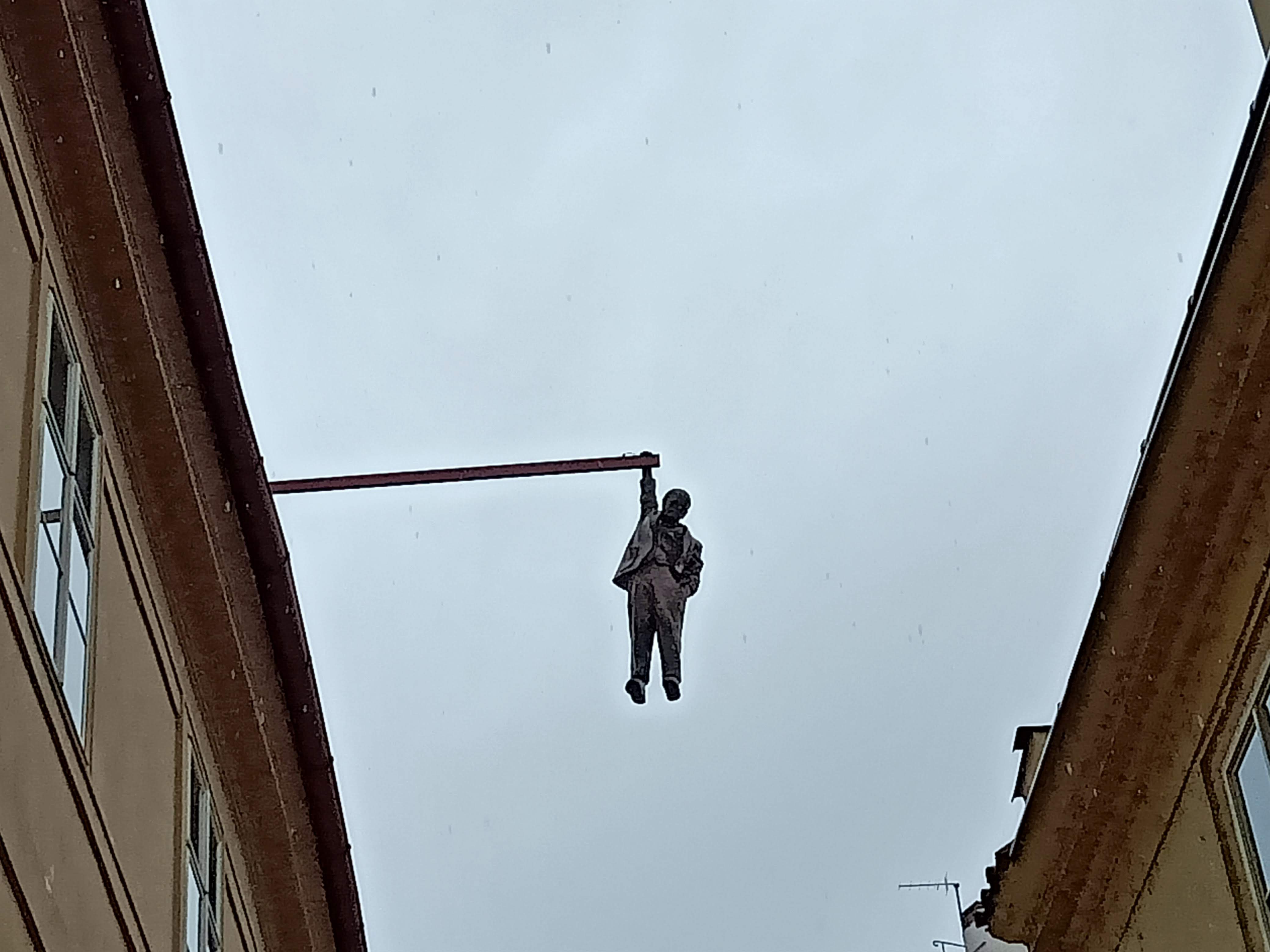
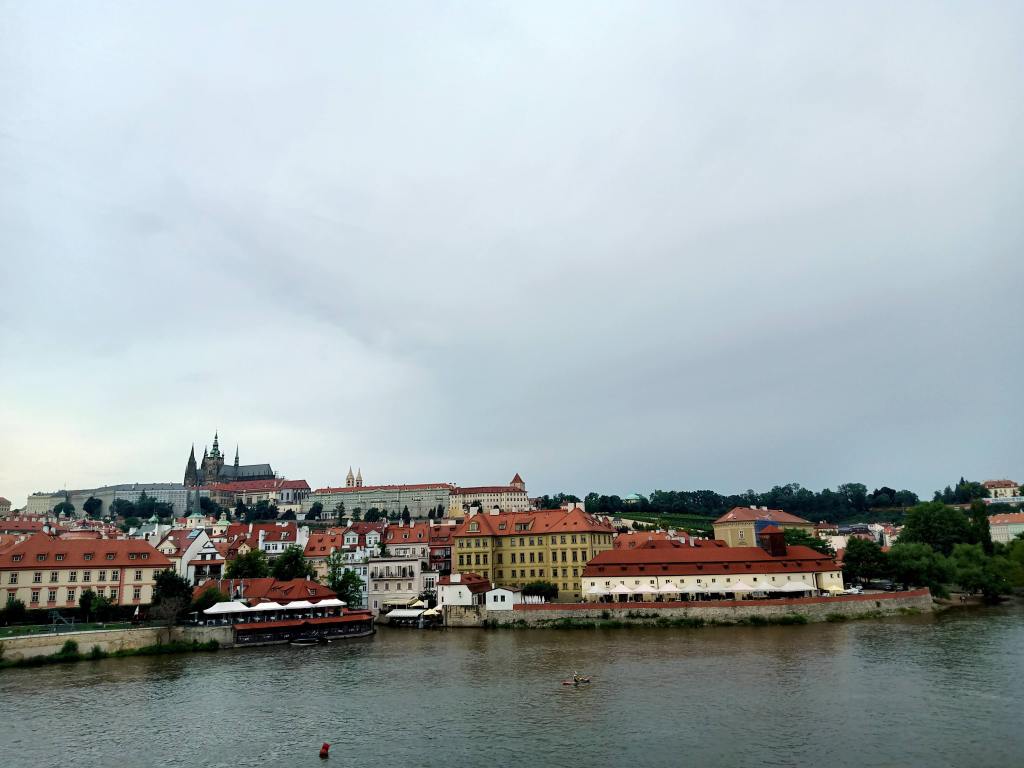
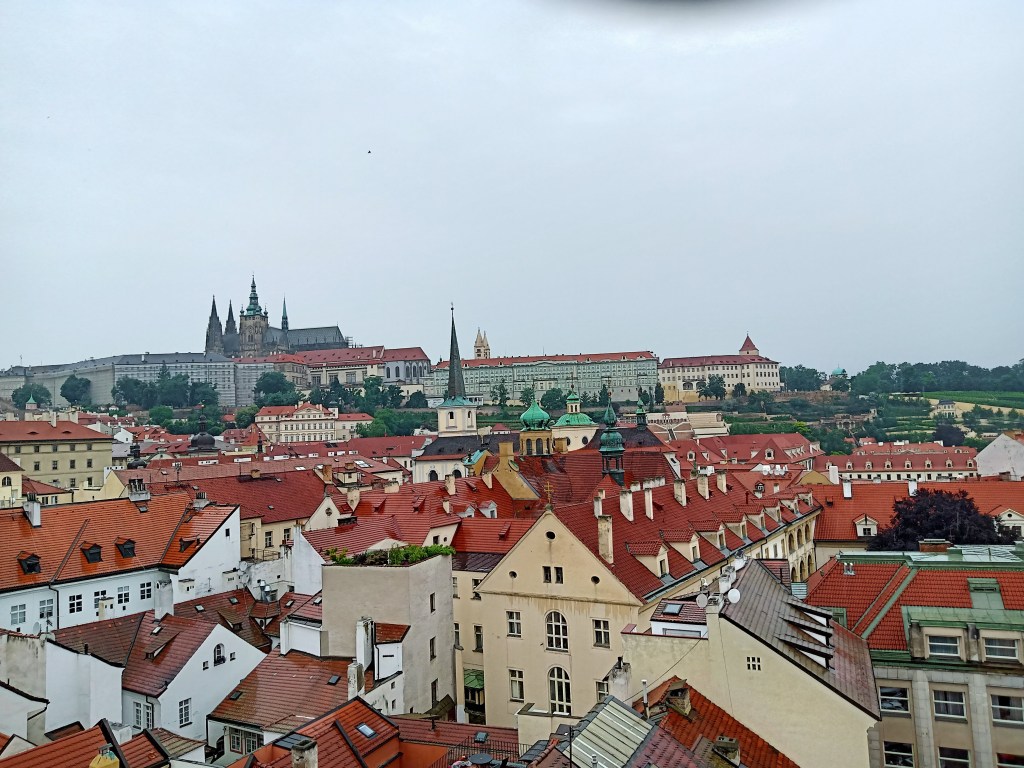
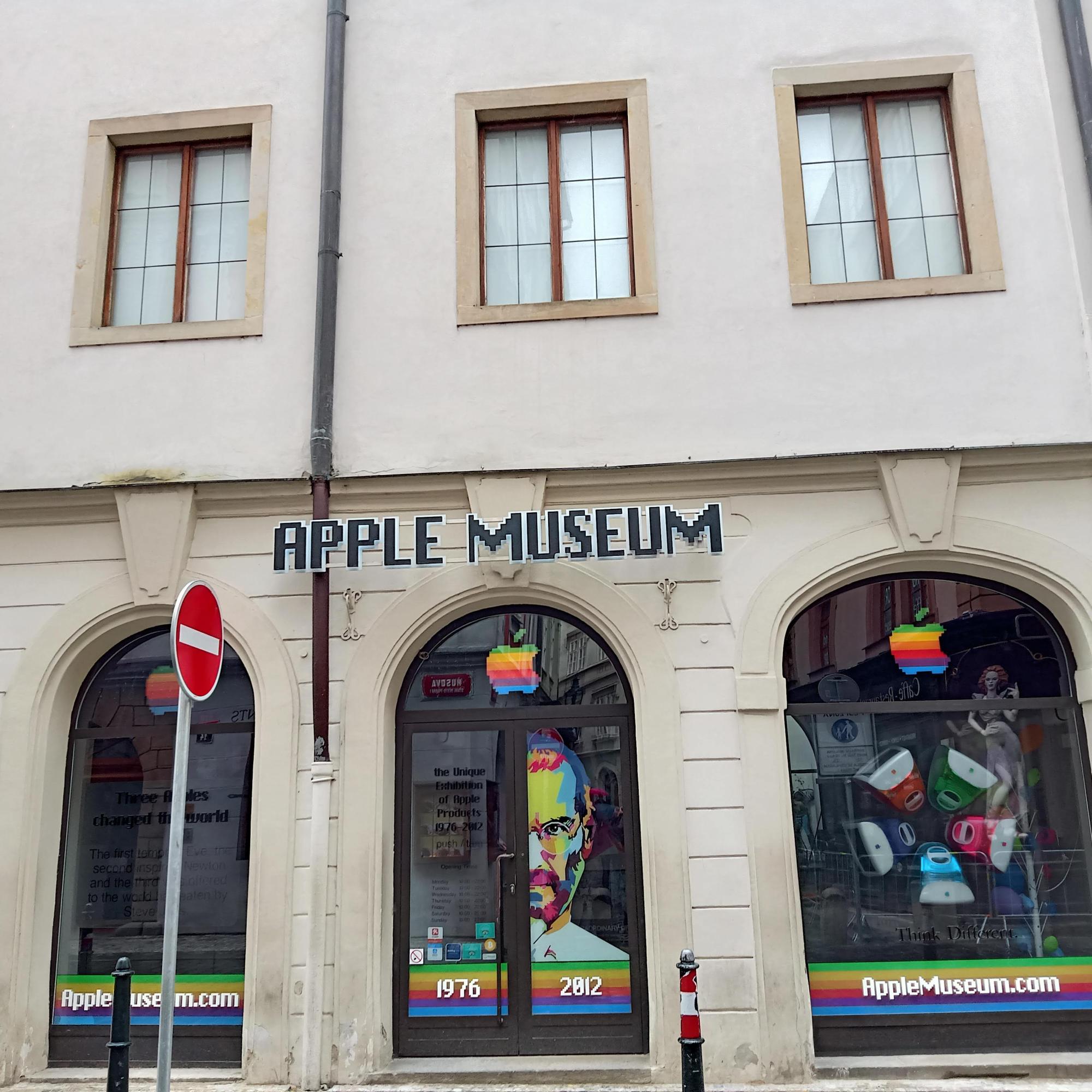
There is a six-foot figure of Sigmund Freud Hanging from the top a building, you have to keep your eyes open in order to see this, I had passed through the same lane thrice and missed it, it’s very inconspicuous. Charles Bridge is undoubtedly, the most popular bridge in Prague (and in all of Europe as well). It has figures of Charles the IV surviving from the 1400s, along with several dozens added over the centuries. It’s a marvel to gaze at the Prague Castle at one end of the bridge and the waters of Vltava lapping beneath it. The most famous statue in the bridge has to be that of St. John of Nepomuck. There are watchtowers at either end of the bridge (I would recommend climbing the one at the end of the Prague Castle in order to get a panoramic view of the river as well as the Old Town).
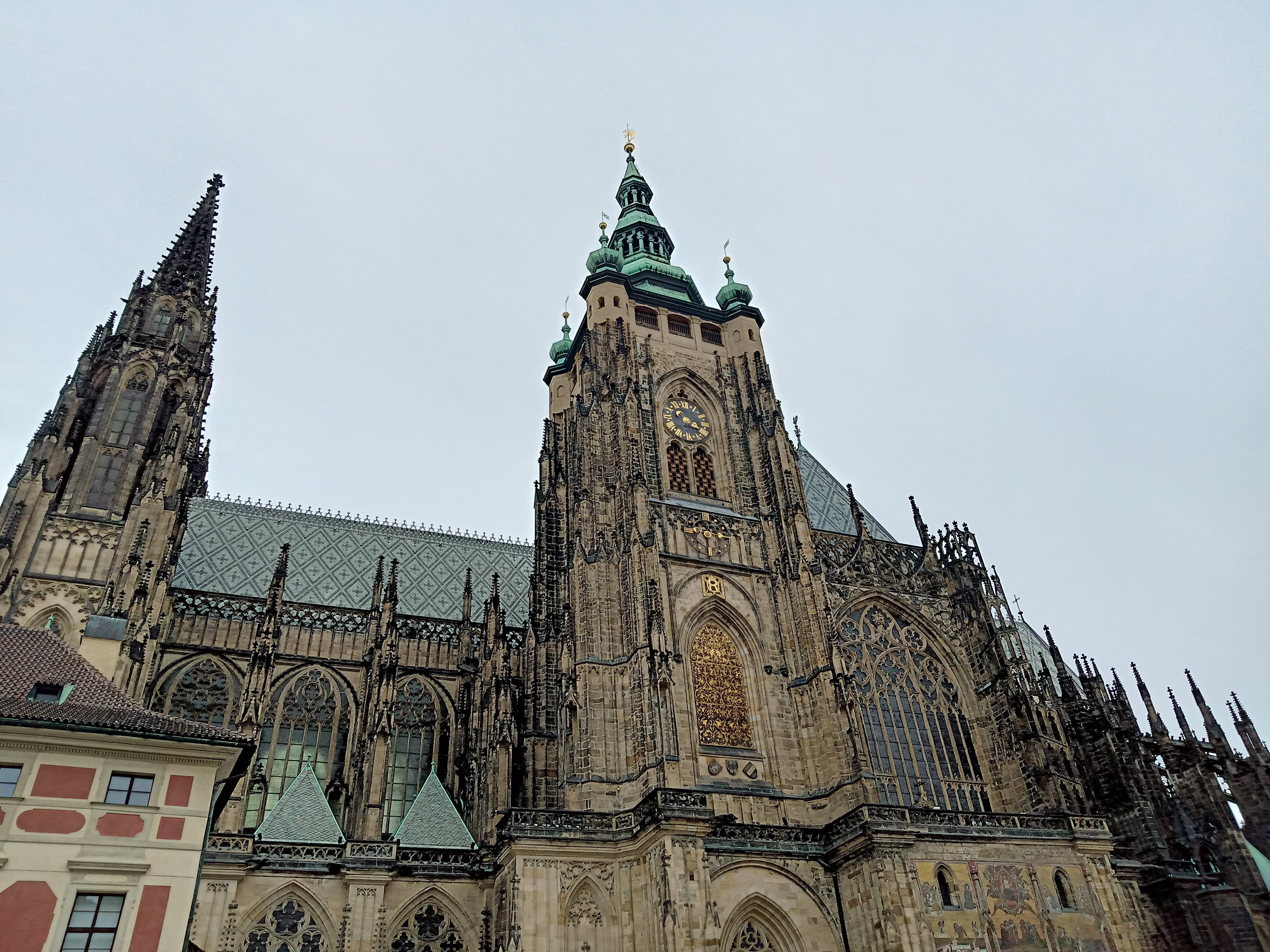
Cross the bridge and slide to your right, you will be entering one of the most iconic streets of Prague – Mala Strana (the lesser street), St. Nicholas church is the most imposing and touristy place just at the start of Mala Strana. Walk uphill through the Mala Strana and you end up at the Prague Castle, the Presidential Palace, St. Vitus Cathedral, The Golden Lane. Perched on top of a hill, the castle offers some of the most panoramic views of the city. You can easily spend a couple of hours in the Castle, gaping at the treasure trove of artifacts from the Roman to Medieval times.

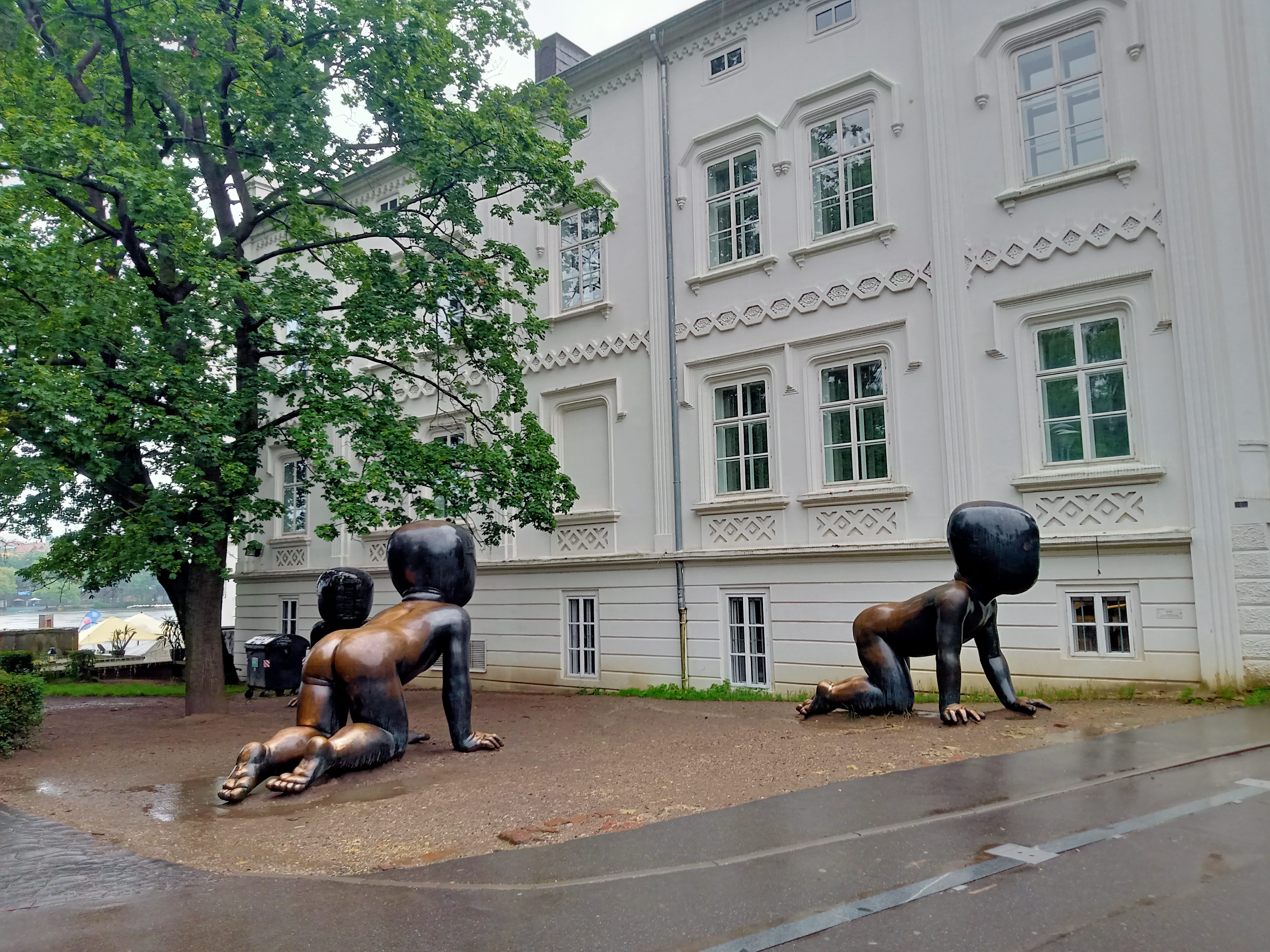
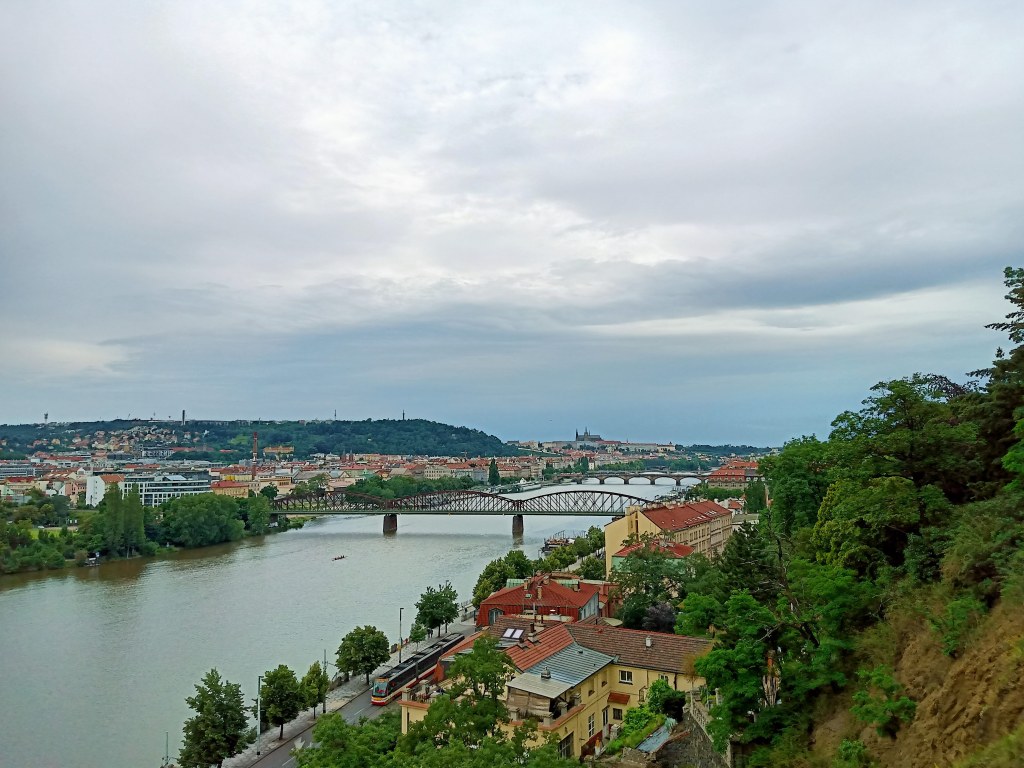
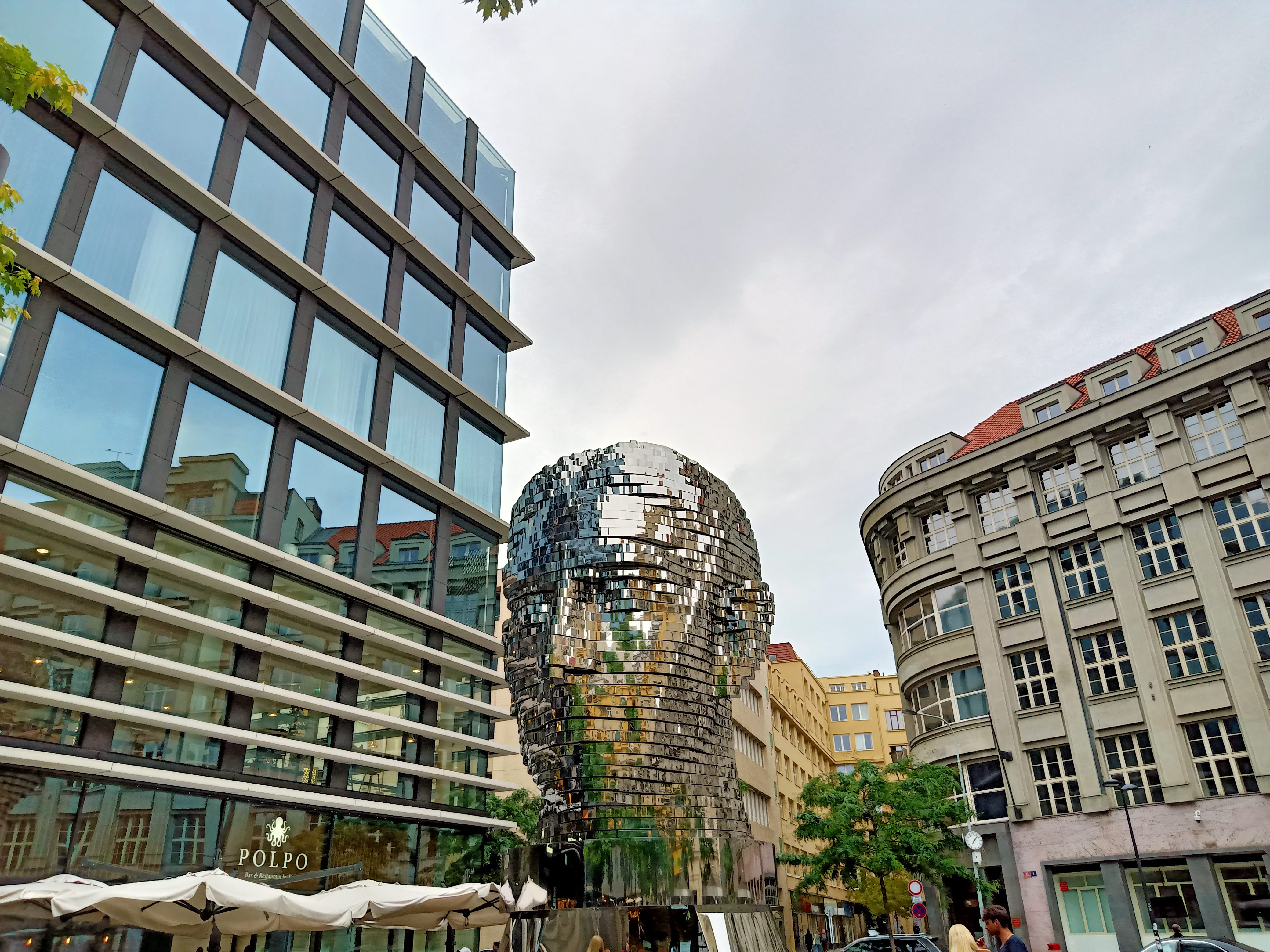
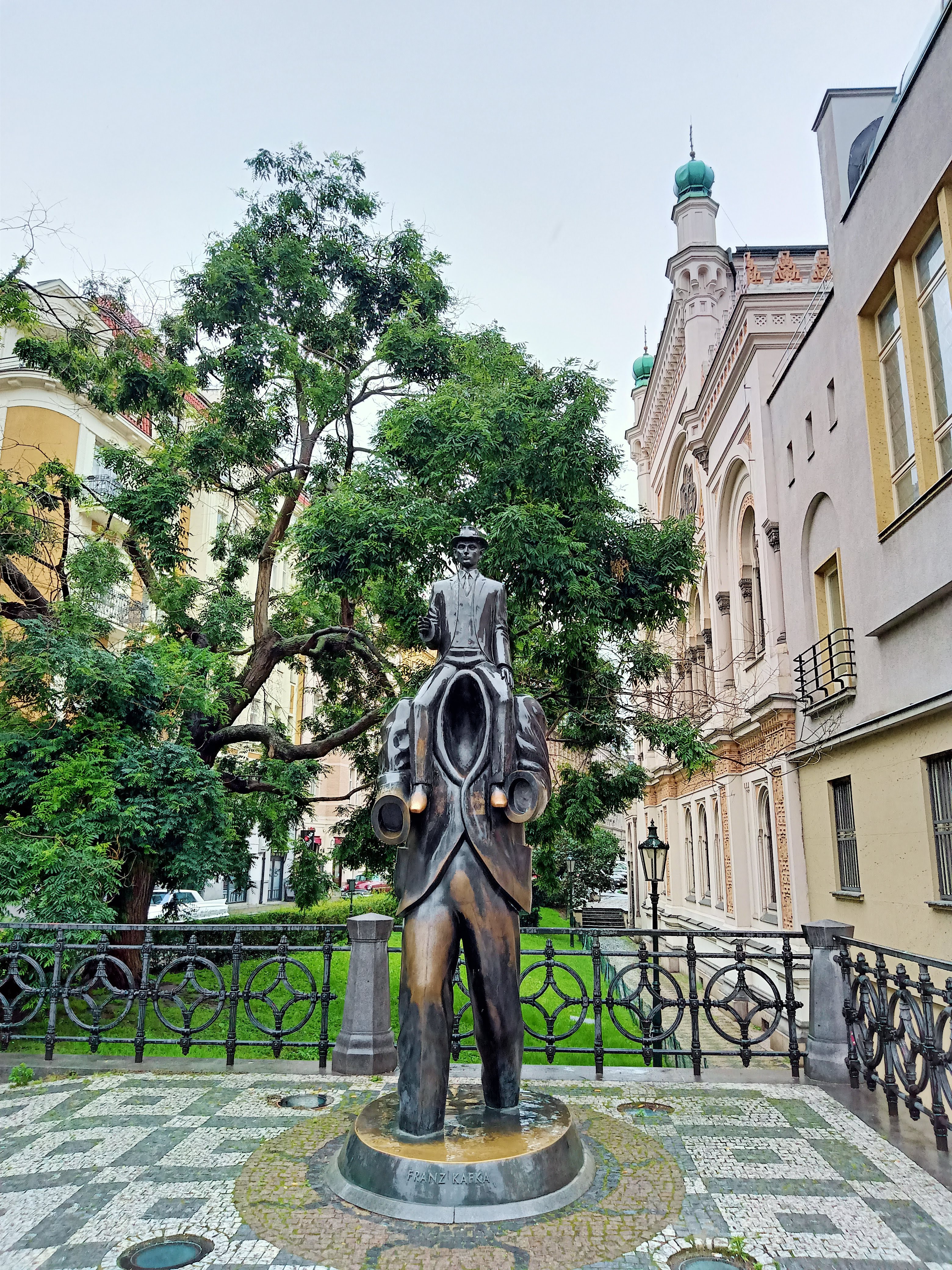
If you have had enough of the touristy places for a day, you can head off to another fortress about 5 miles south of the Prague Castle on the other side of the Vltava, its called Vysehrad. Not very popular among the tourists but frequented a lot by the locals, it will offer you breathtaking views over the Vltava, you can easily relax and sip a cup of coffee at one of the many of the restaurants and coffee shops atop the fort. Other notable sights around the city include – Wenceslas Square (popularly known as the Independence square), Rotating Head of Franz Kafka (a technical marvel), the Opera House, National Museum, Municipal House, the Spanish Synagogue, and the monument of Kafka beside it. Head over to Kampa Park for a breath of fresh air and glance at the John Lenon Wall nearby.
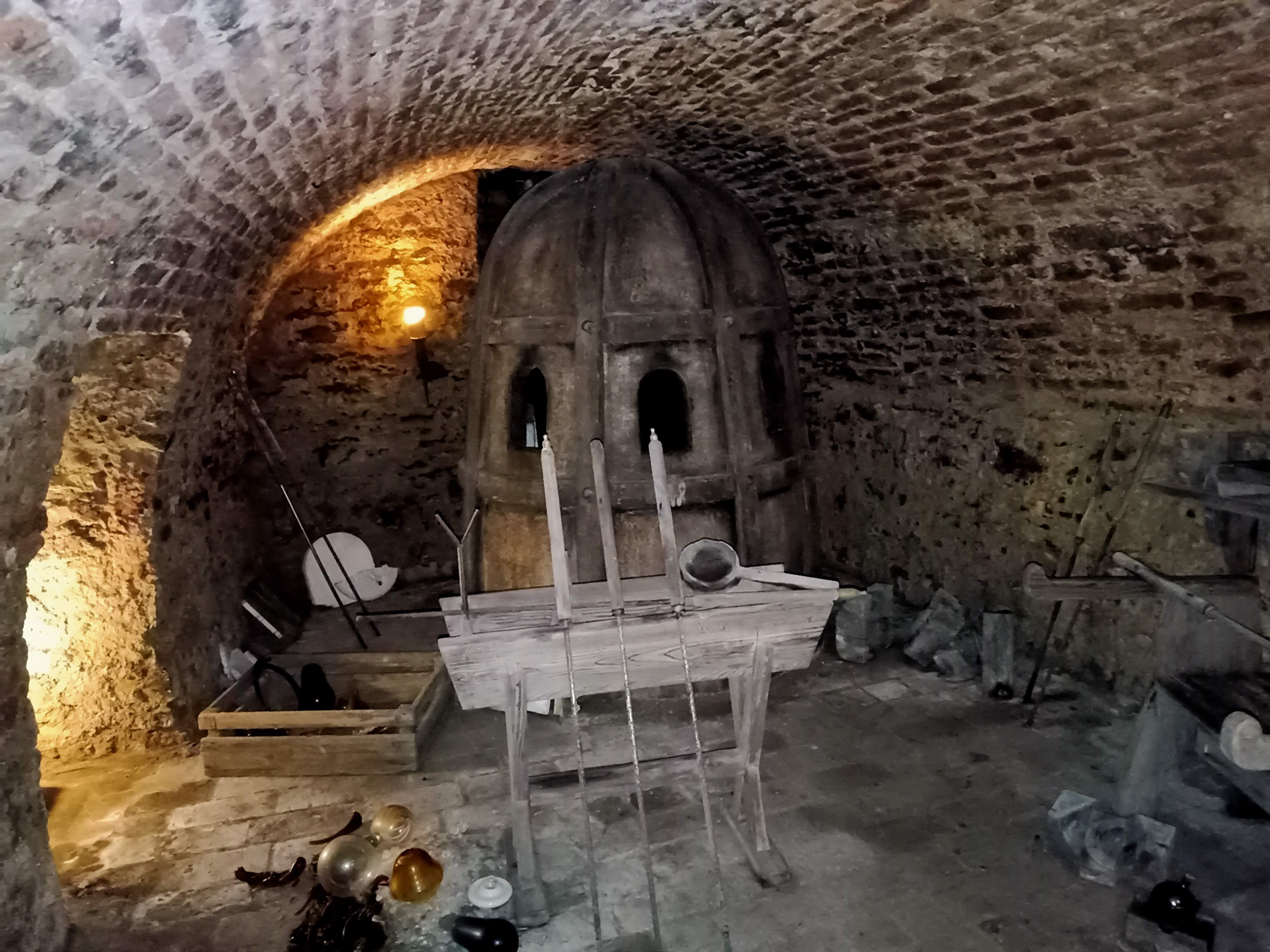
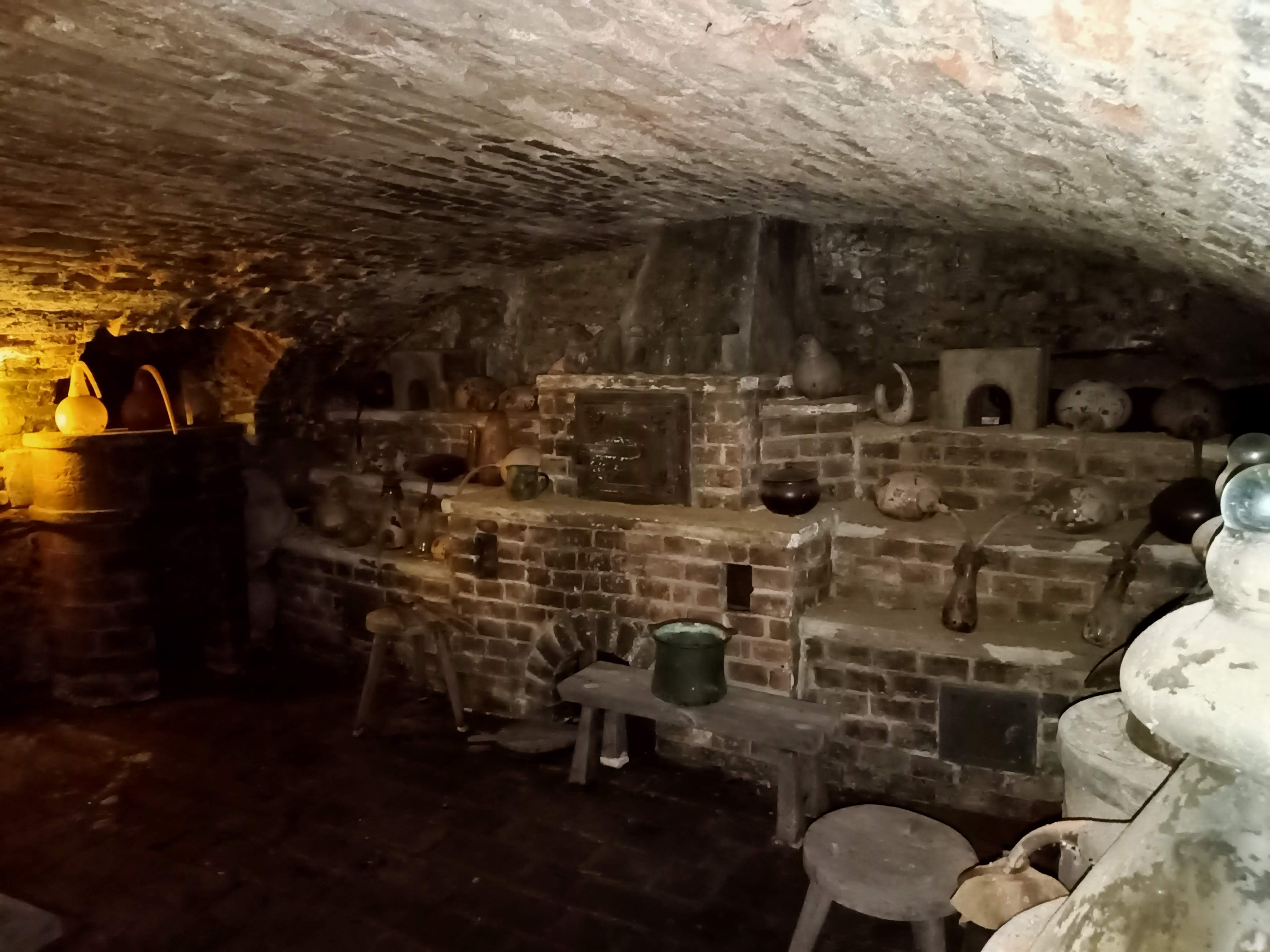

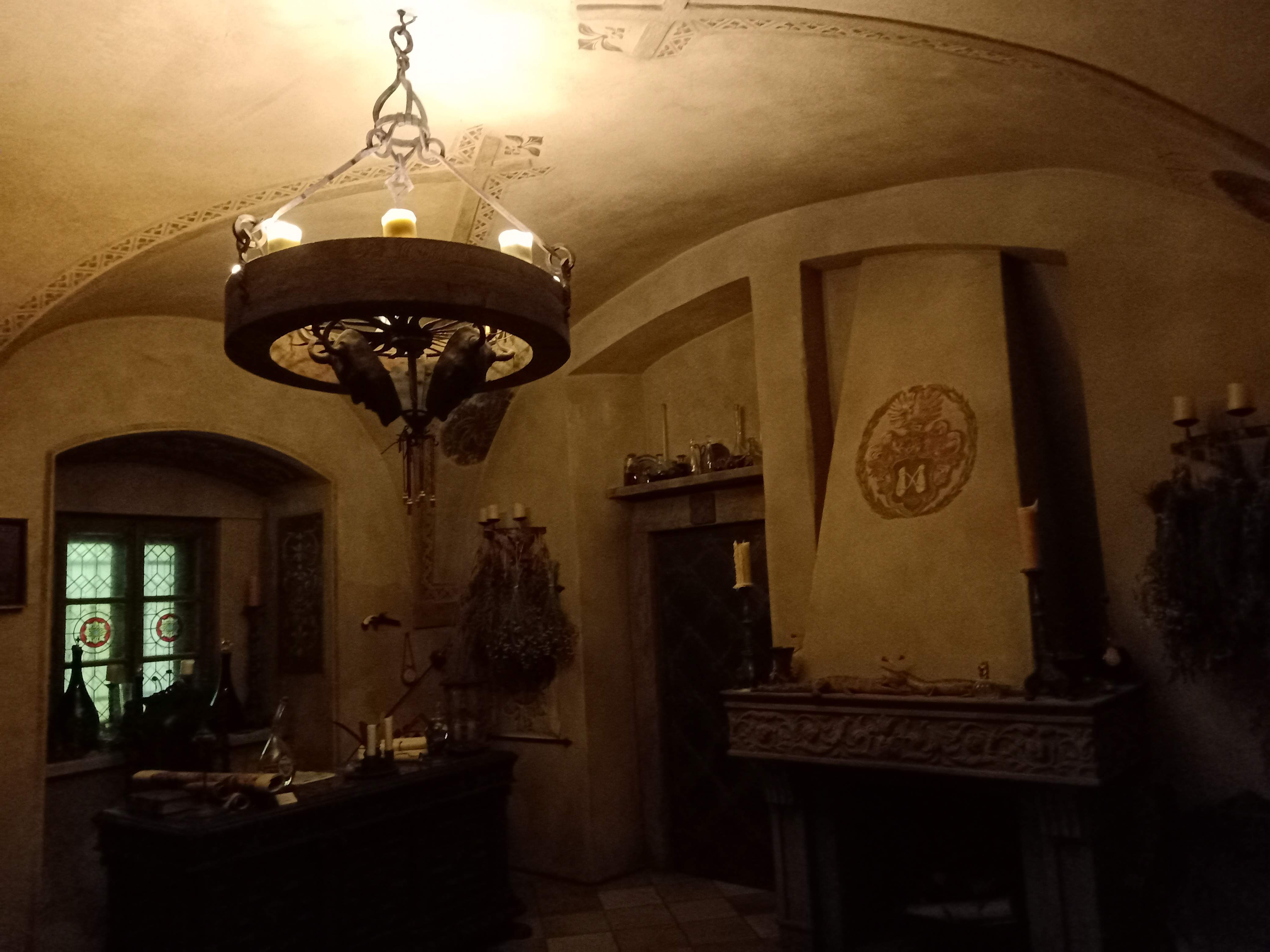
One of the hidden treasures of the Old Jewish Quarter is the Alchemy Museum (Speculum Alchemiae), it’s totally surreal and feels like you have entered a dungeon straight out of the Harry Potter movies. Except that it’s real, the underground alchemy workshop was sealed and hidden for about five centuries, it was only after the floods of 2002, that they were accidentally discovered. The king had patronized alchemy and funded this underground laboratory during his reign, it was frequented by renowned astronomers of the day like Tyco Brahe and Nicolas Copernicus. The chambers are very well preserved and the guided tour offers you an insight into this occult art of turning any metal into gold. Not only this the scientists of the day also experimented with many potions like – the elixir of life, potion of love (need any more potter references my analogy wasn’t too far off to begin with), etc. There are also many secret passages which lead from this chamber to important locations in the city like the old town, the banks of the river, of course, these are all sealed now. All this was done in secrecy because the church didn’t approve of the practice of alchemy. So what are you waiting for pack your bags and head over to Prague.
5. What to Eat
Prague is a foodie’s heaven starting from the iconic Chimney cake to Roasted Pork. Among traditional Czech cuisines, their Beef Goulash and Bread dumplings are a must-try. You can also find a variety of soups in Czech kitchens starting from potato soups, mushroom soups to broccoli soup. The Czech have their own variations of Gluhwein and Pilsner which are in some ways better than their German counterparts.
6. How much does it cost
Prague is one of the cheapest European capital cities, one Czech Crown equals to 0.037 Euro at the time of this writing, hence everything automatically becomes much less expensive. The entire trip all-inclusive of the transport, accommodation, food, and sight-seeing cost me less than 100 euros. Most places in Prague would accept payment in card, apart from some street food stalls near the old town. In case you are looking to exchange your foreign currency to the Czech Crown take your time and go over to alteast 3-4 exchange shops, there are many strewn all across the city, sometimes more than one in every corner. You will eventually find one which gives you a good exchange rate sometimes equal to the market rate.

 Quantum Explorer