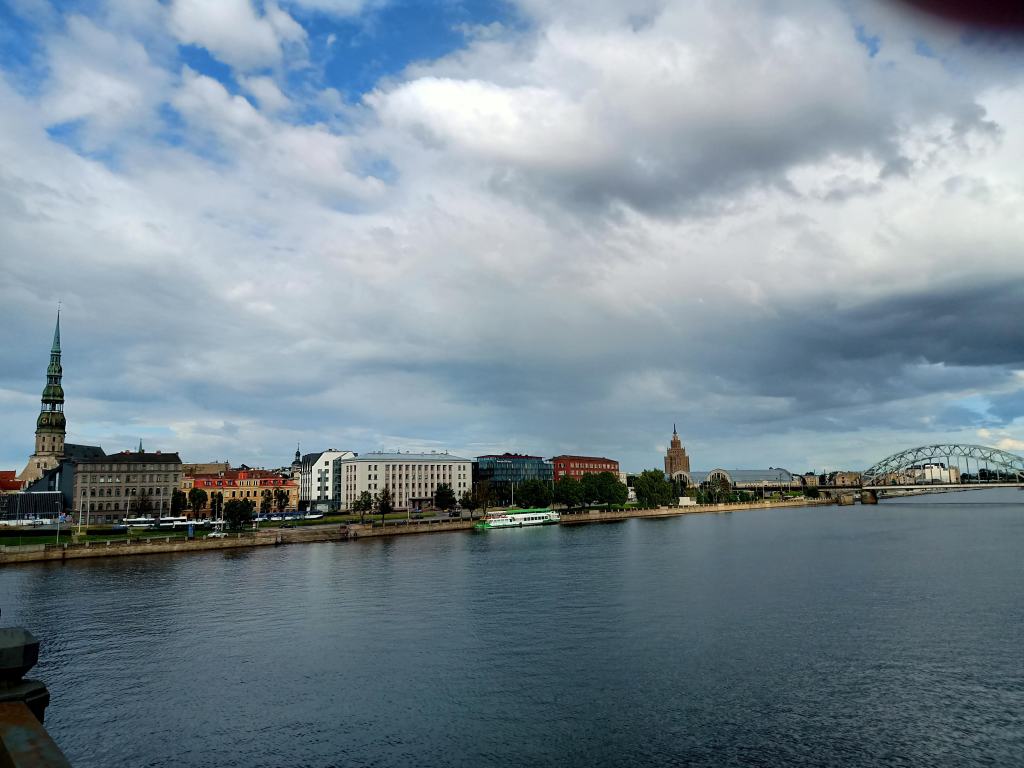
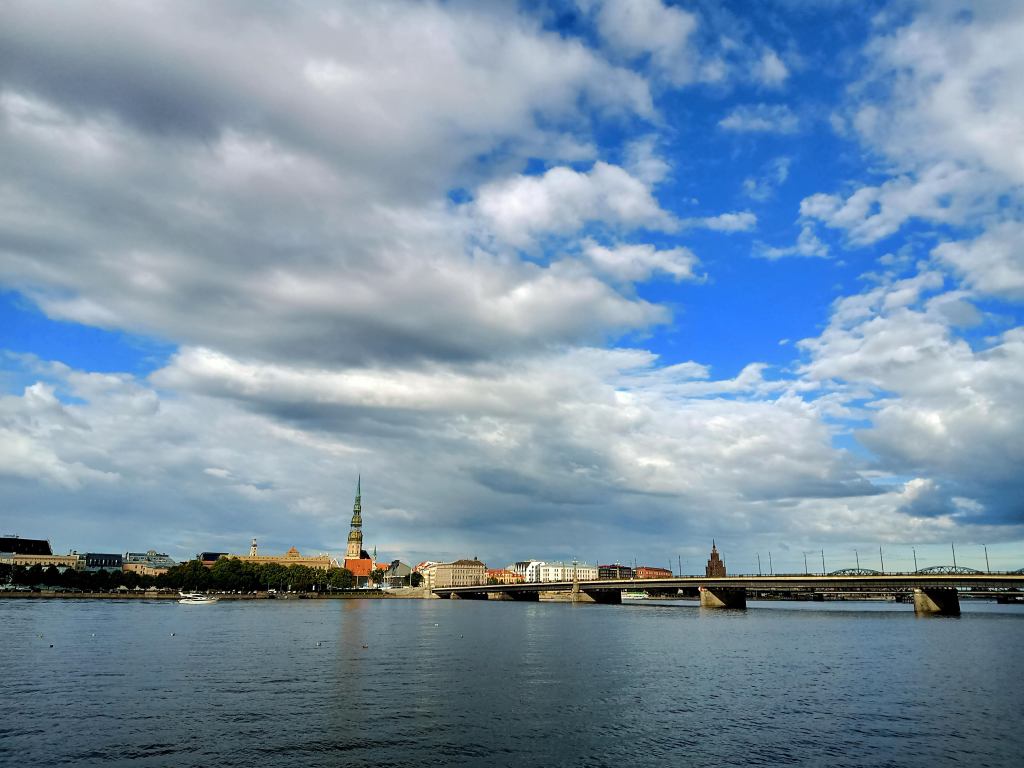
Situated at the mouth of the Daugava river, this Baltic city was established as a trading post by the Germans in the 13th century. The largest city in the Baltic region, boasts of the only operational Zeppelin hangars in the world. Deceptive in its size, the metropolis has a bustling old town, one of the tallest T.V. towers (made of steel) and one of the epitomes of art nouveau (Albert Street).



How to get there
Riga has an international airport which connects it all major European cities, Air Baltic is the national carrier of Latvia and operates most of the flights to and from Riga. It is well connected to the other Baltic States (Lithuania, Estonia) through regular buses (Lux Express) and trains. I had taken the air baltic flight from Berlin to Riga, it’s a short 90 minutes flight.
Where to Stay
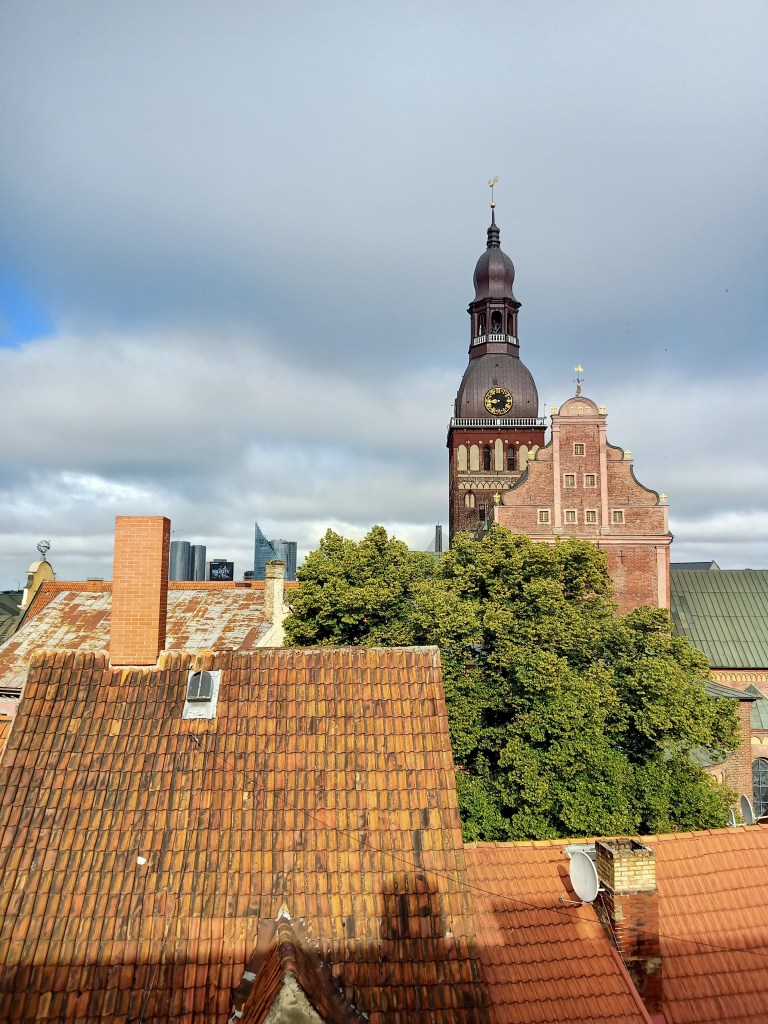
Riga has a lot of accommodation options in and near the Old Town, there are also a lot of places near the castle as well which provide a good view of the Daugava. For a quiet and secluded place wander over to the other side of the river near the Riga Technical University. I had stayed at Riga Domus Hotel, which is in the Old Town square just behind the Riga Cathedral.
How to Commute
Most of Riga can be covered on foot, especially the Old Town, Central market and Art Nouveau Districts. They have an extensive network of trams and buses, there are regular bus connections to and from the airport, bus number 22 passes close to the Old Town. You can either buy a travel pass or directly pay the driver when you board the bus, but be sure to carry some small change because the fares start from 2 euros, so they might not be able to change you bigger bills.
Things to See
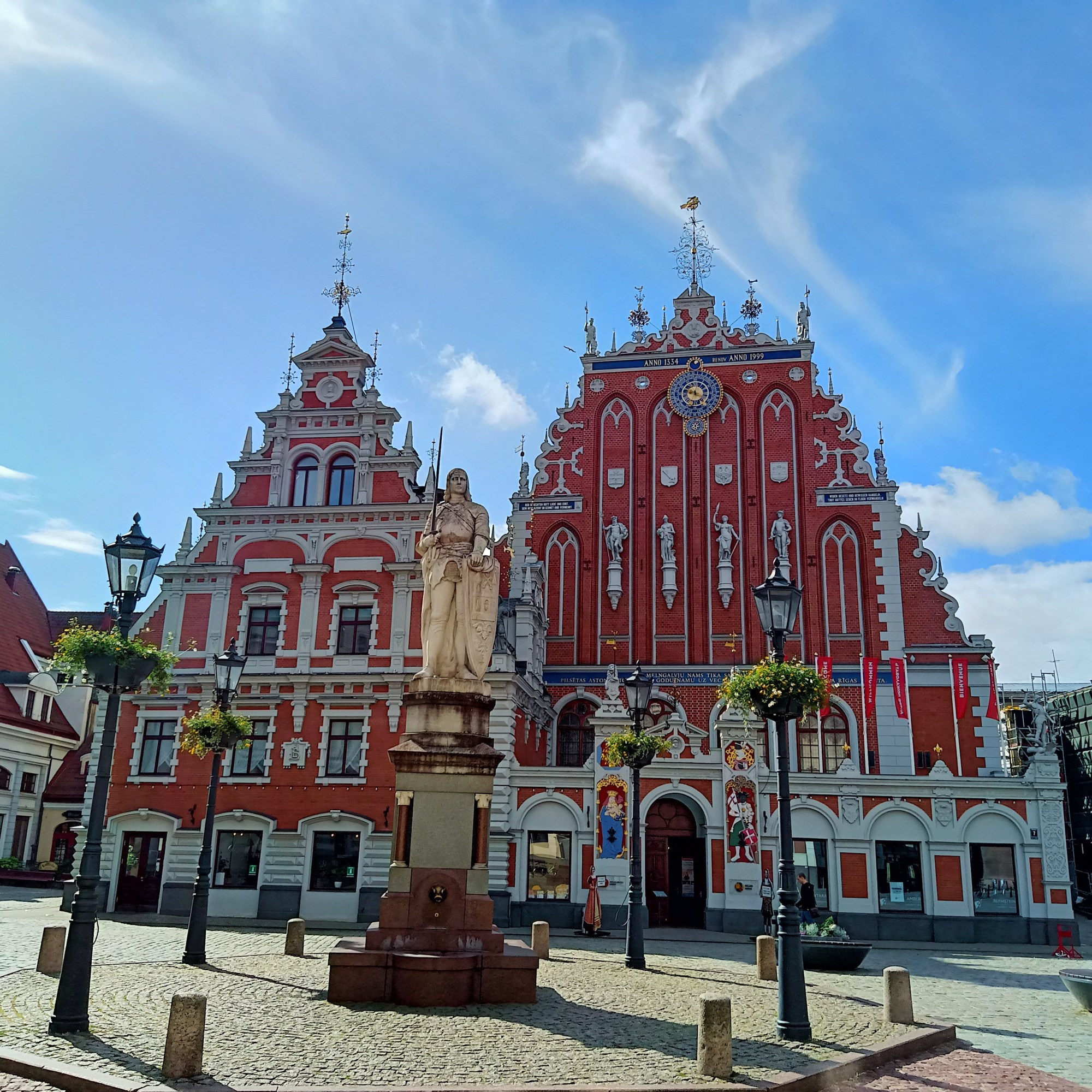

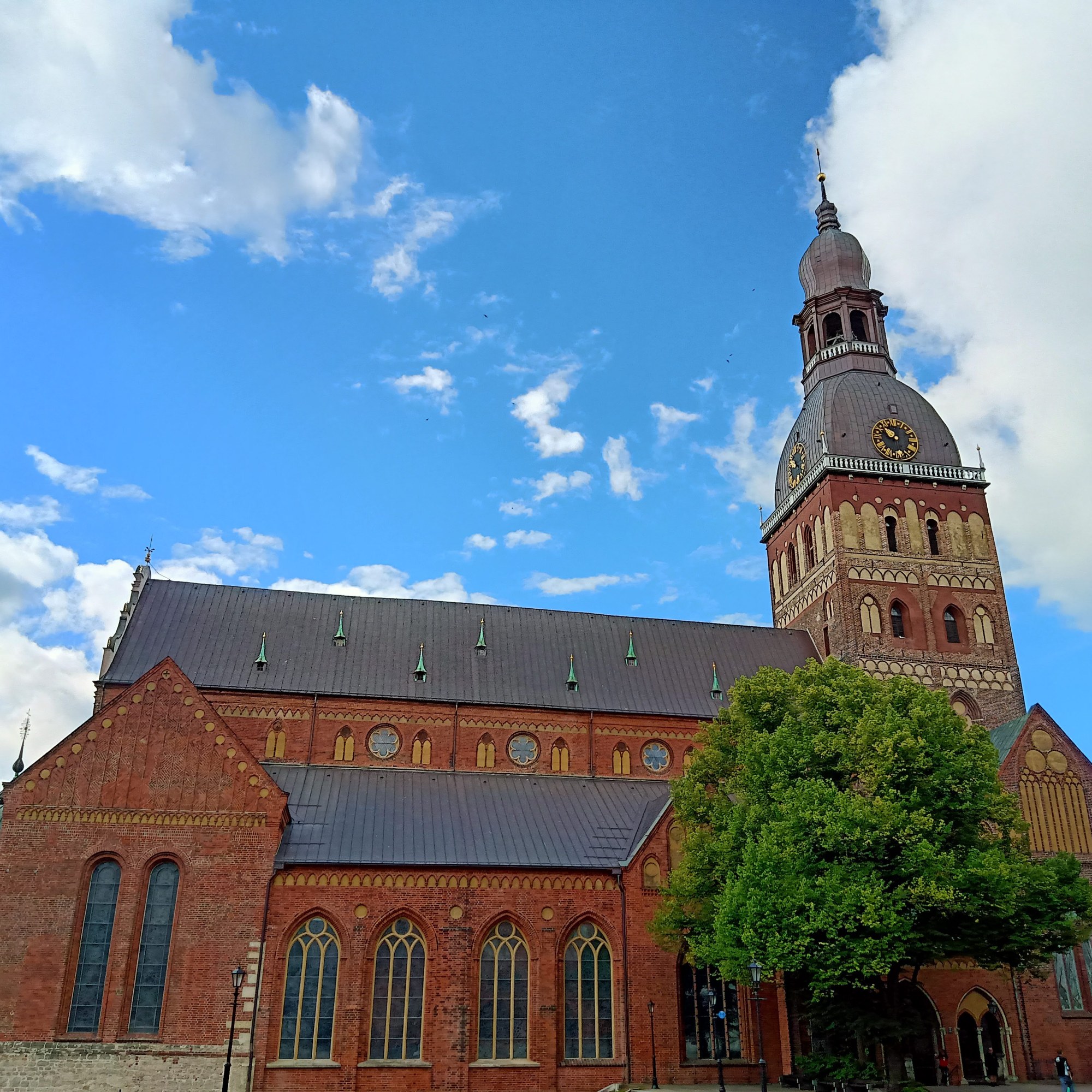
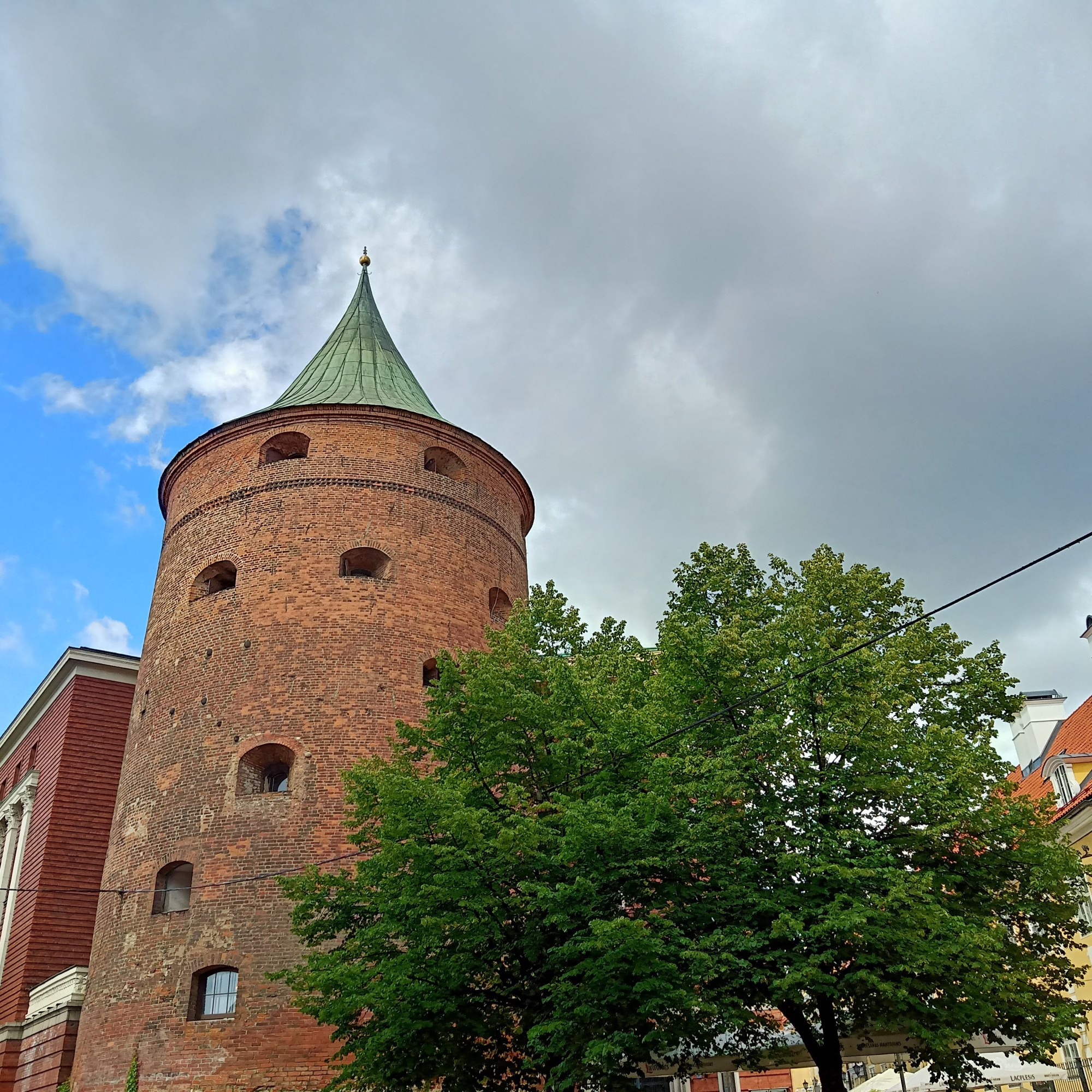
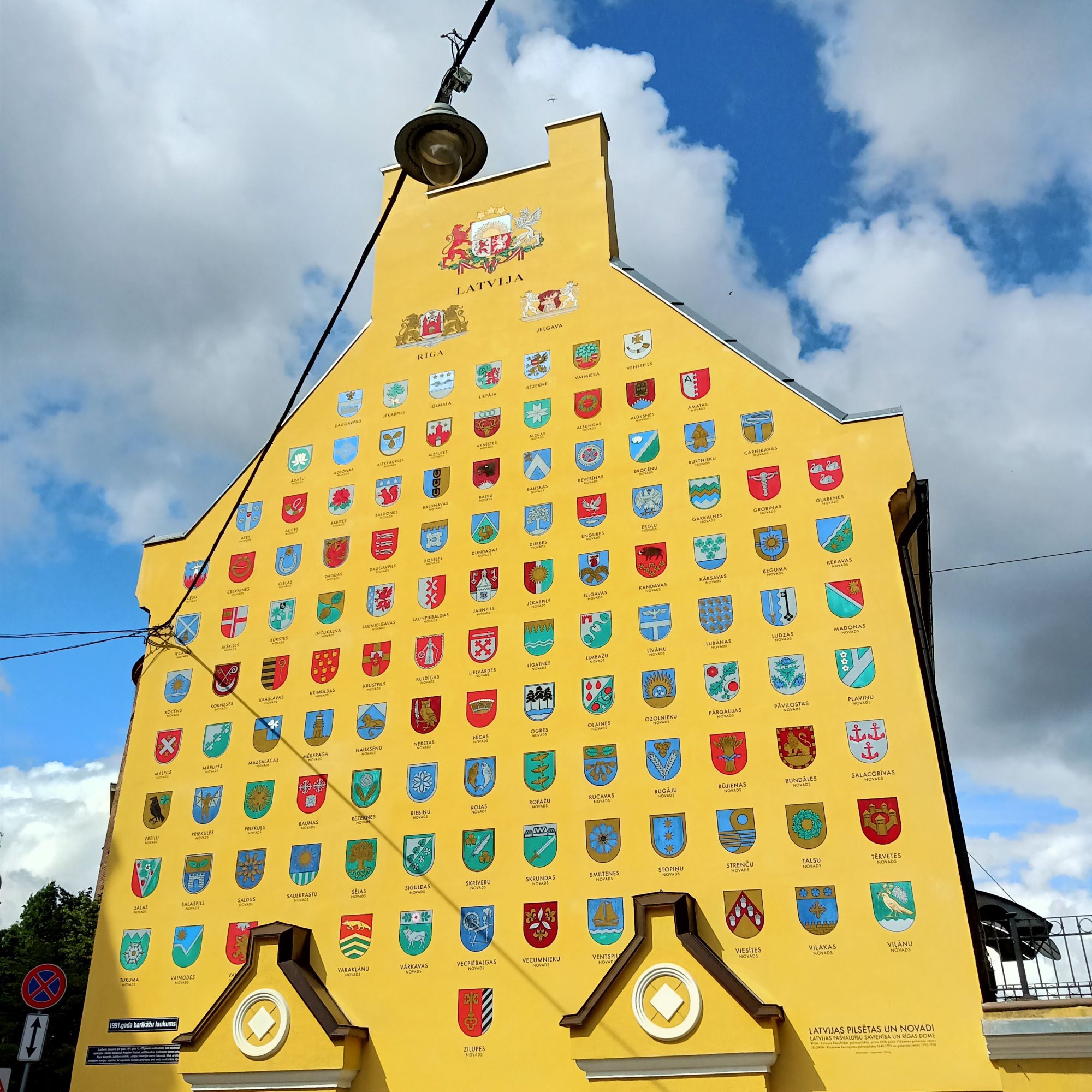
Deceptive in its brevity Riga’s old town is a treasure trove of history, at the corner of almost every lane and alley there is something feast your eyes upon. House of the Blackheads is the most iconic building in Riga, it was the house of a wealthy German merchant from the 14th century, destroyed by heavy bombing during the second world war, it was rebuilt in 1999, thus looks very spick and span. In the same square you can find the Town Hall, the Museum of Occupation and the imposing spire of St. Peter’s Church silhouetted against the azure sky.
Stroll a little further down the road towards the left, at the corner you will discover the Riga Cathedral gracefully rising in the firmament. There is a fork in the road from the Riga Cathedral one road leads you to the Riga Castle and Daugava waterfront. The other one leads to the three brothers (basically a set of 3 houses with a nice little background story), the Swedish Gate, Powder tower and the old barracks.
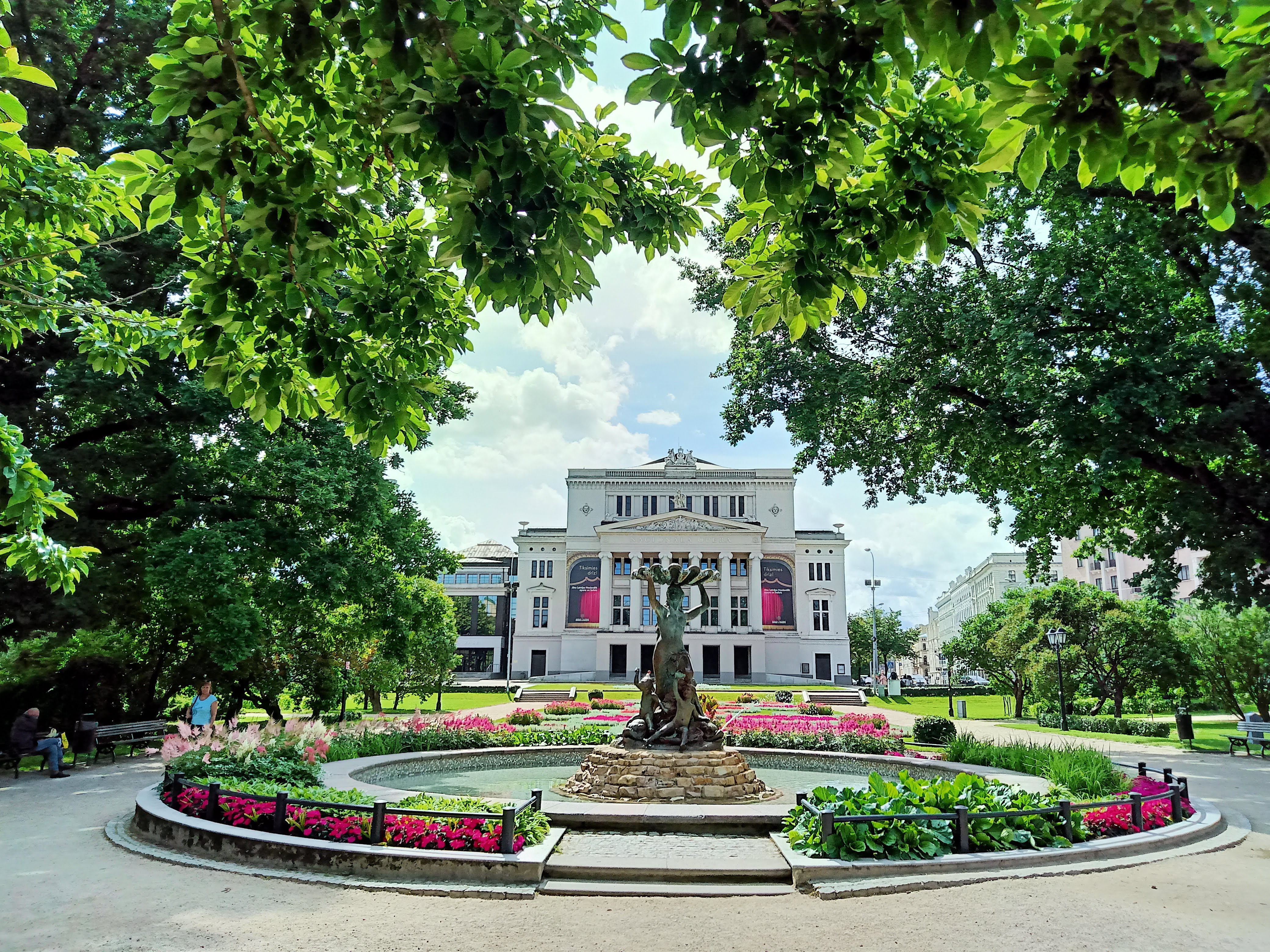
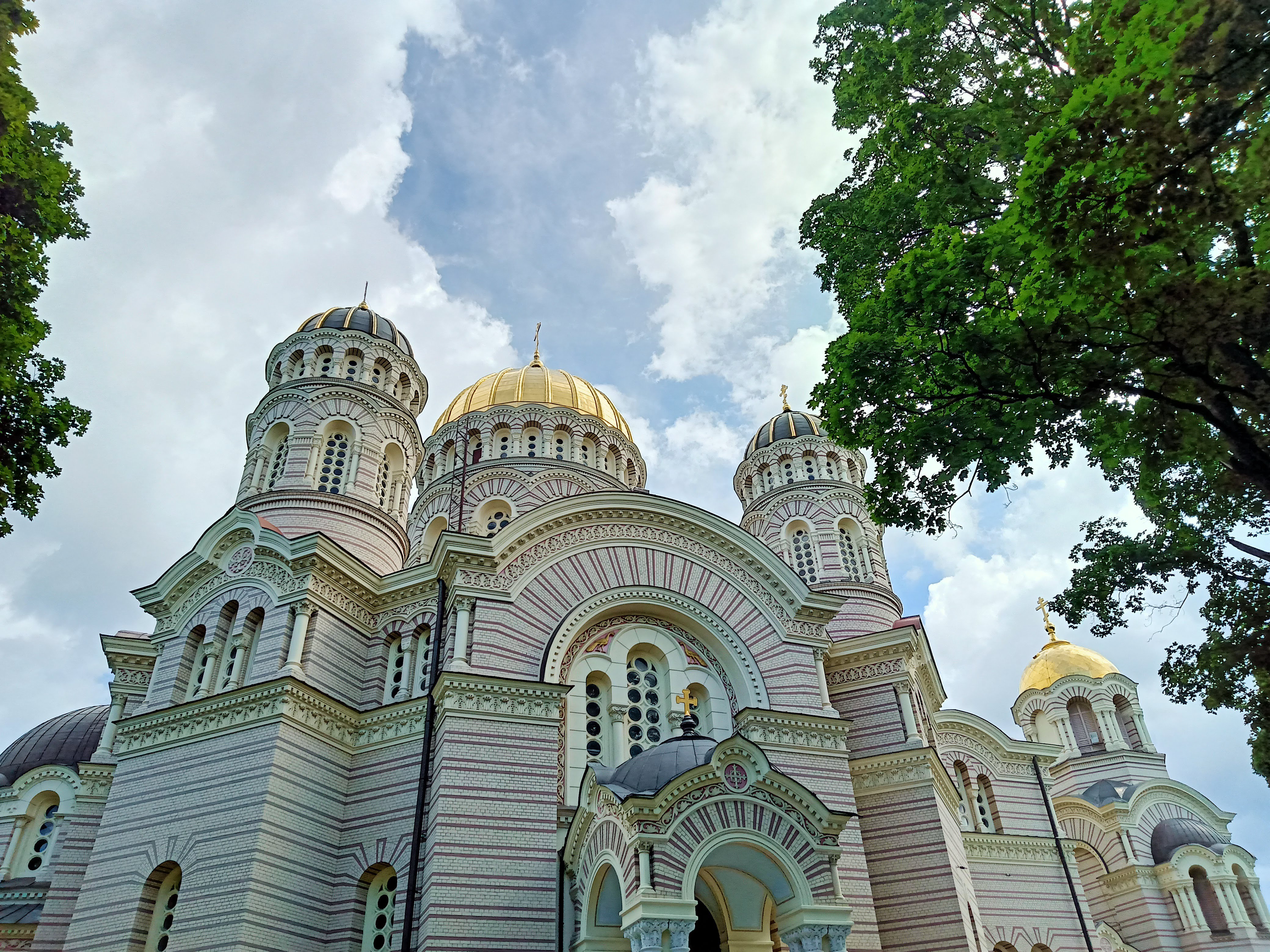
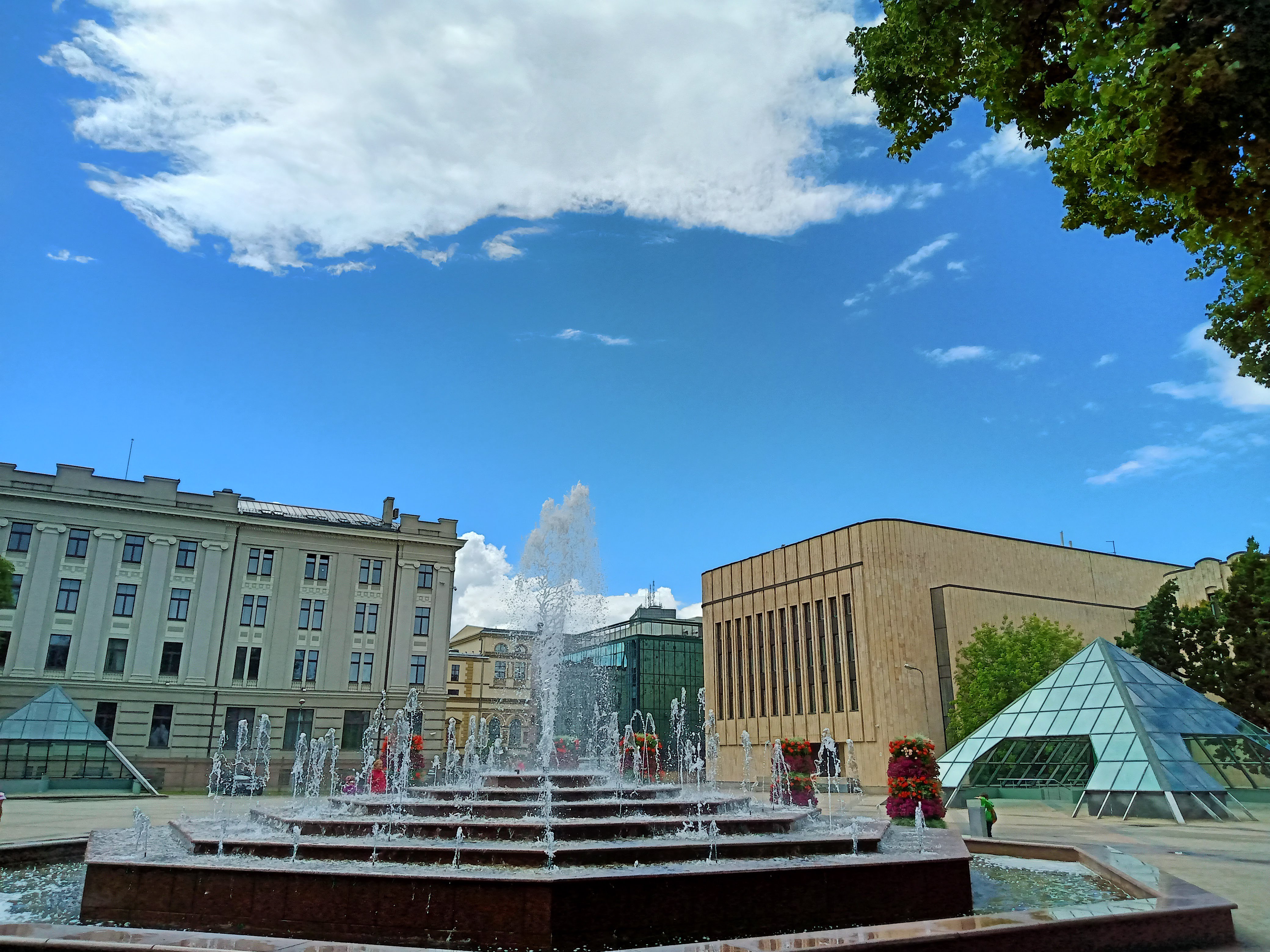

The diametrically opposite (from the perspective of the Riga Cathedral) side of the old town is host to a motley of treasures notable among them are – the Freedom Monument, the Opera and Ballet house in a Park next to it, the Cat House, a statue of the Town Musicians of Bremen (yes it’s from the Brother’s Grimm fairy tale, with anti-communist undertones). Latvia’s first and oldest Macdonald’s is directly across the corner from the freedom monument, it was opened months before President Clinton’s visit to the captial in 1995 (no co-incidence there), hence, it is jokingly referred to as the unofficial U.S. embassy. Cross the freedom monument and you will be able to see another church known as Church of Christ Nativity, but this time embellished in Russian style, for a small city, Riga does have a lot of churches.
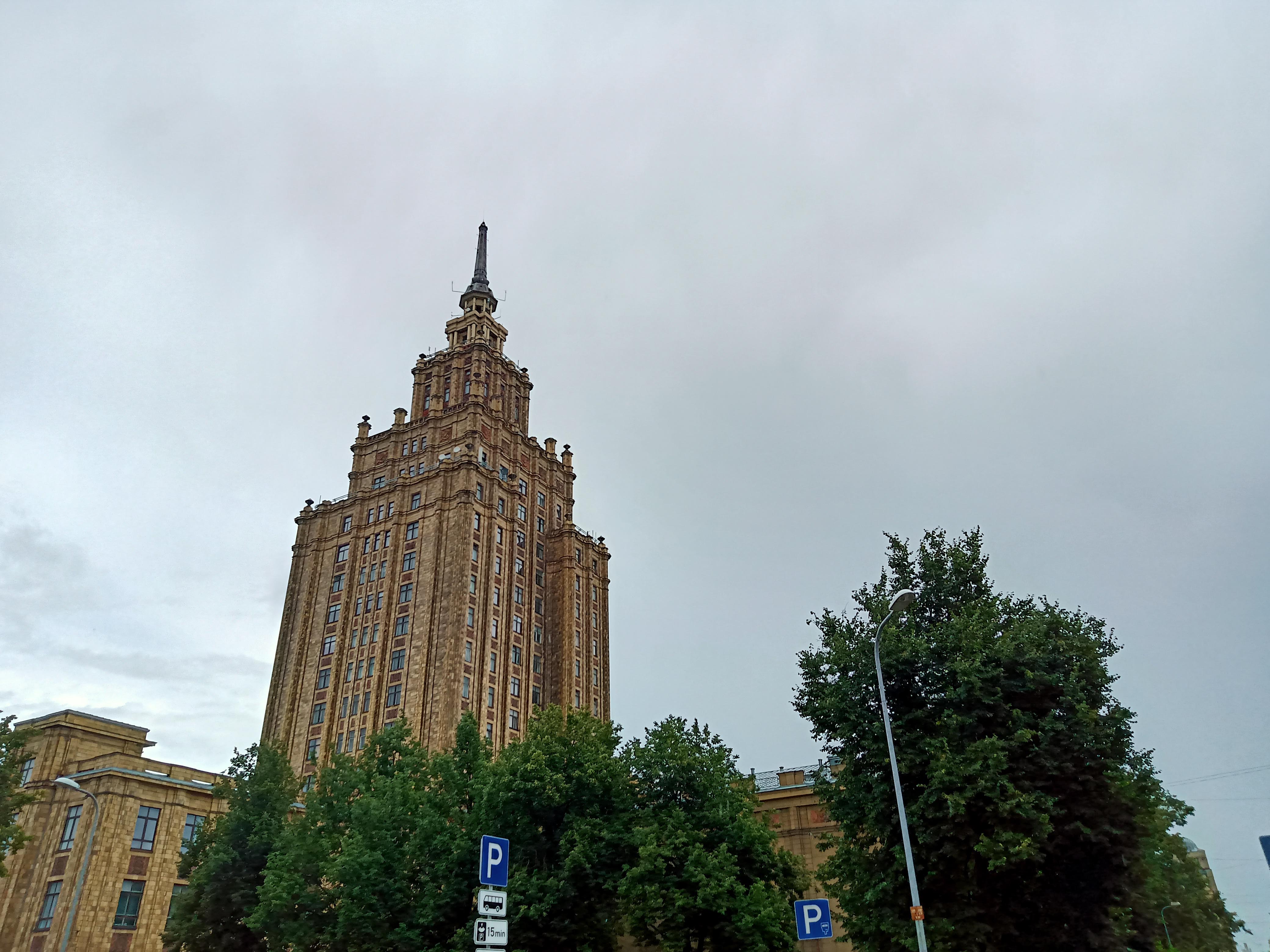
Outside the old town, the cityscape takes on a different shape, from the Latvian Academy of Sciences building (reminiscent of the Soviet era) to the Central market, there is a lot to explore. The academy of science’s tower has an observation deck on top, that provides panoramic views of the city. Around the corner from the tower, there is an old neighborhood which still has wooden churches and buildings. A few blocks away from there lies the remains of what was once a Jewish neighborhood and synagogue, it’s fate was sealed under the occupation of the Third Reich. Riga’s central market is an engineering marvel, two Zeppelin hangars from the first world war have been remodeled and used as the roofs of the central market. The cynosure of local farm food, it boasts of a wide selection of both gourmet and fresh produce, there are separate sections dedicated to different products (meat, diary, vegetables etc.)
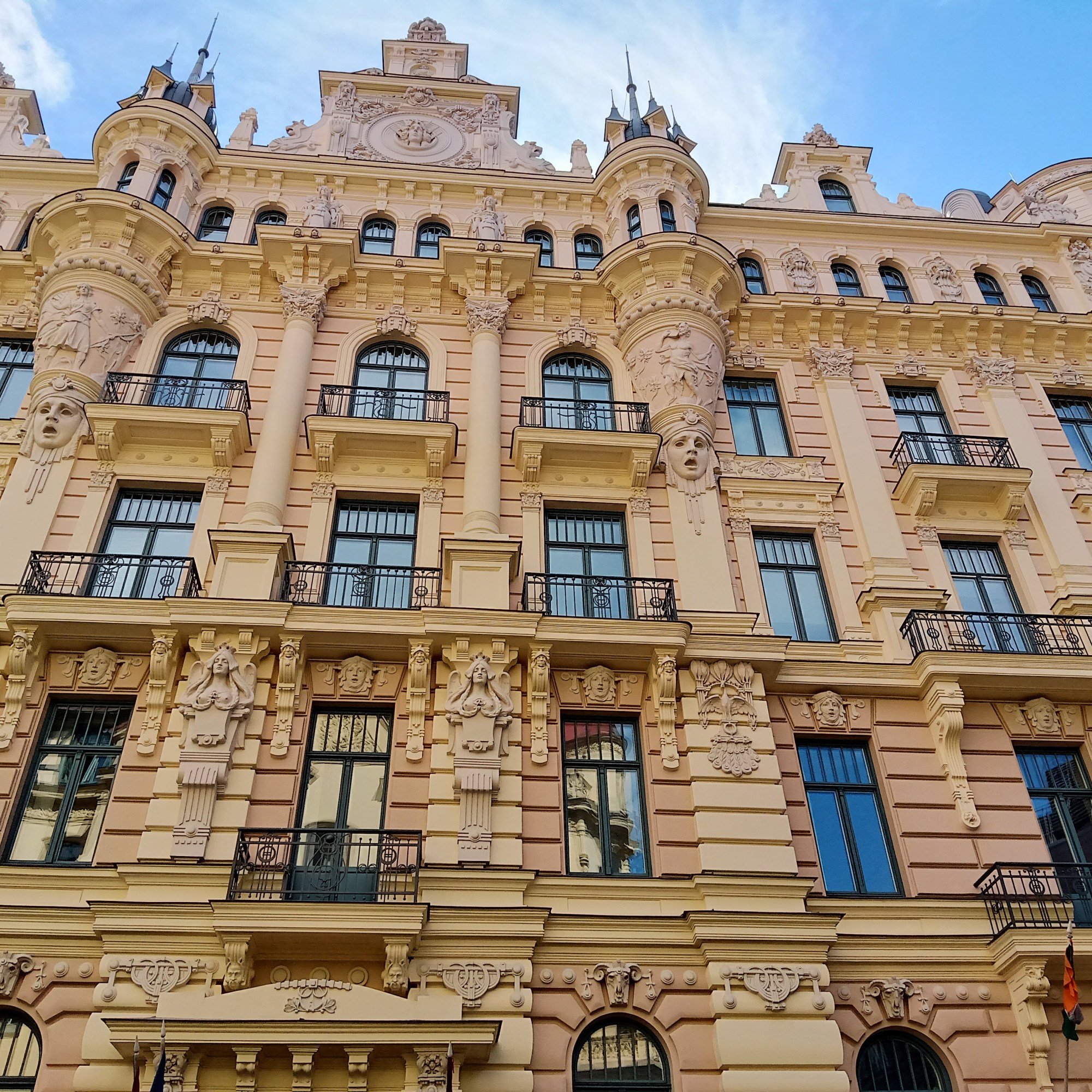
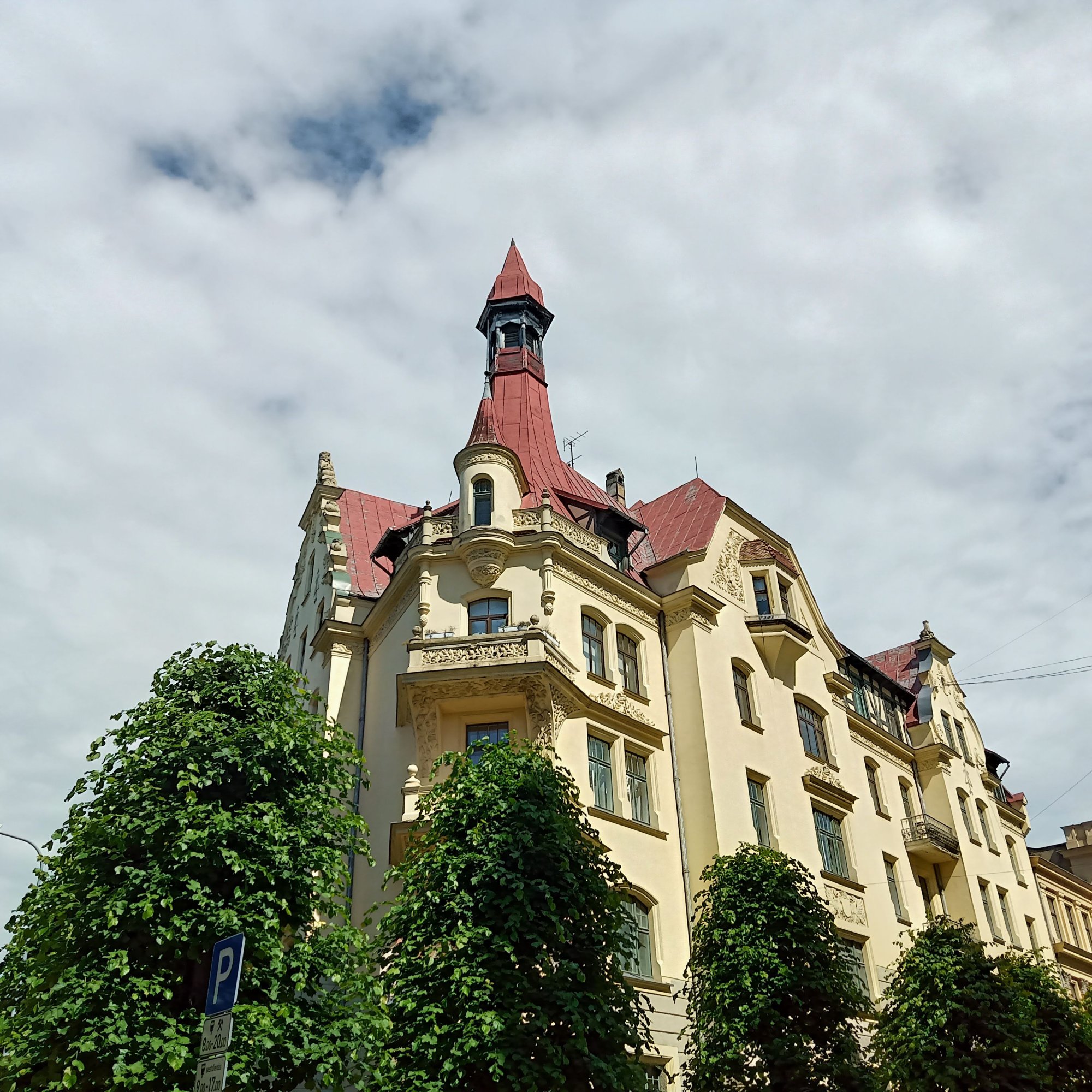
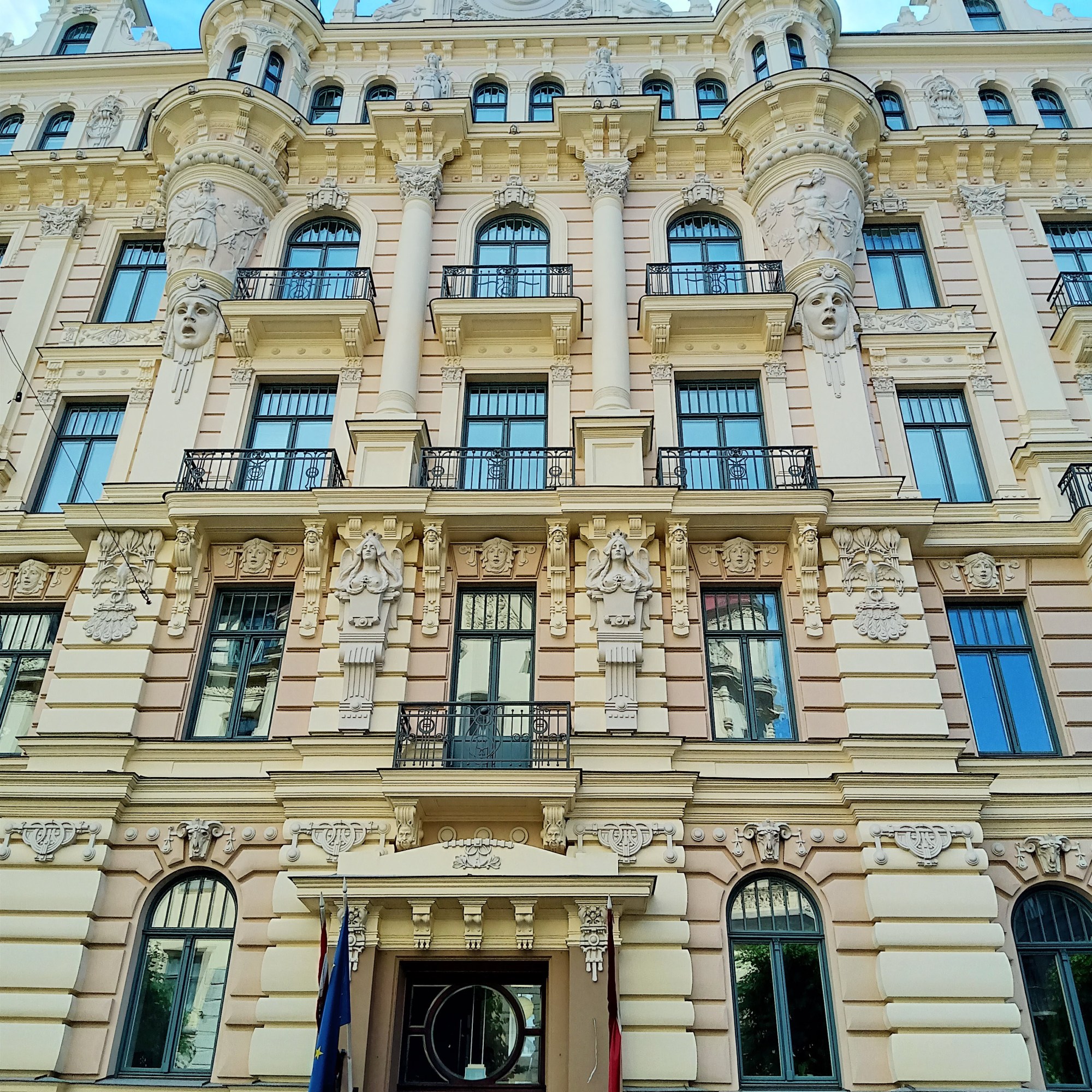
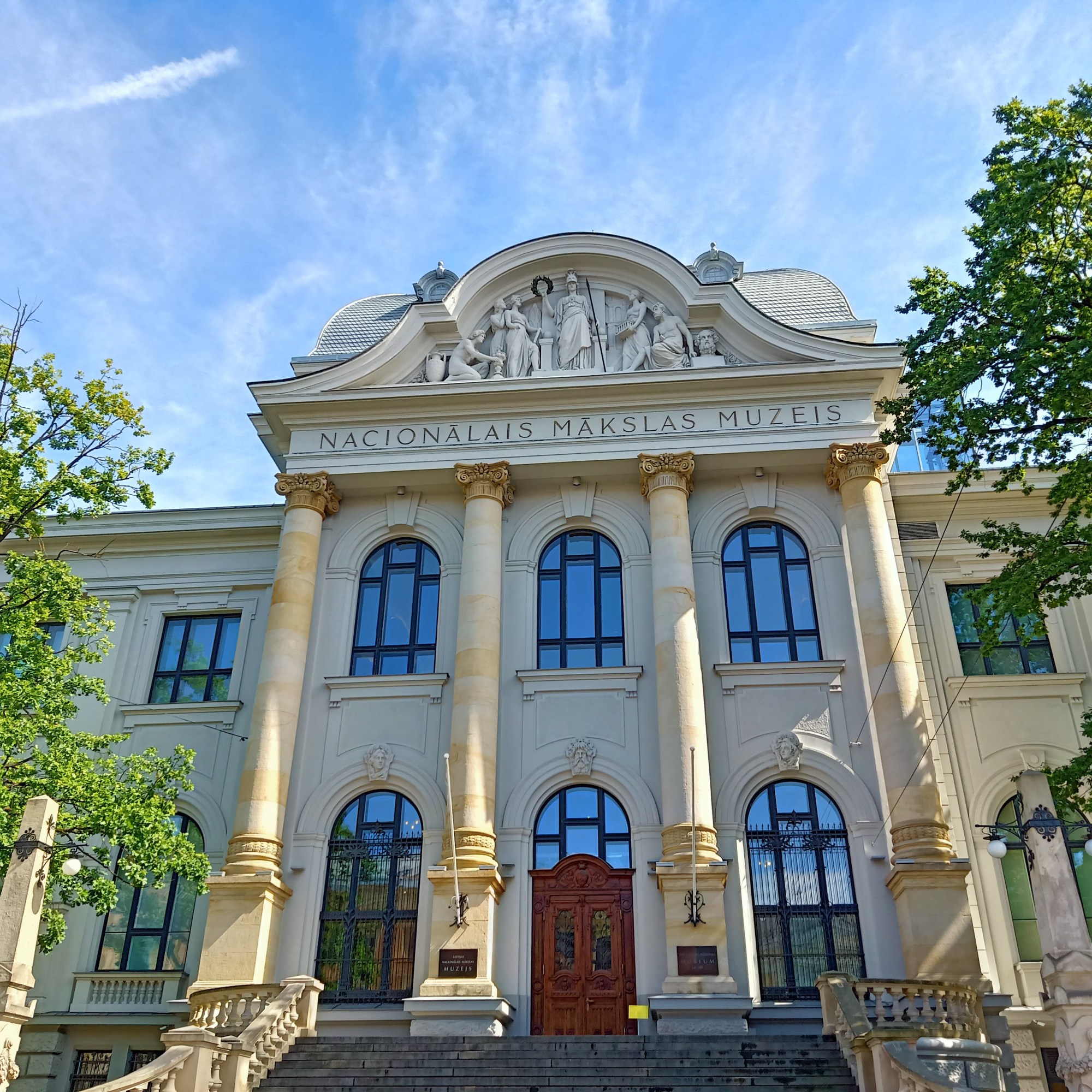
Albert Street is dotted with Art Nouveau inspired buildings, fascinating and surreal at the same time, these buildings hearken back to the golden age of Riga, when industrial revolution made the residents of the city very prosperous. These days some of these buildings are reserved for foreign Embassies, some of them have been converted into museums, only a handful are still inhabited by the wealthy. Amble along this road, admire the architecture of the place, and then saunter over to Kronvalda Park, apart from churches, Riga also a considerable concentration of parks. For people willing to spend more than 2 days in the city, you can visit the National Museum, National Theatre, National Library and a host of other interesting museums like the Motor Museum and Ceramic Museum.
Things to Eat
Riga is a melting pot of different cuisines, considering the fact that it has been occupied by the Germans, Poles, Russians and Swedes at different points in time. The Baltic Rye bread is a starter for every meal. They have their own version of the Schnitzel, Sausages and the colorful Cold Beet Soup. The baltic sea food is fresh and delicious, I had tried their smoked fish in the traditional skewer style. Apart from this you will find a lot of central asian food (from Uzbekistan) in the central market, I was fortunate to find a place selling Pilav and Sashliks. All this pales in comparison to the mighty Black Balsam – the national drink of Latvia. This legendary drink was concocted in 1752 to cure Empress Catherine of her ailments, these days it is the go to cure for common cold and other justifiable ailments.
How much does it cost
The official currency of Latvia is the euro, so in case if you are traveling from the one the EU states where the euro has been adopted, feel right at home. For others, currency exchangers are littered all over the Old Town, so there is no need to panic. For 10 euros you can easily get a 2 course meal at a decent restaurant in the Old Town. Riga lies at the lower end of the expense spectrum, I had spent about 120 euros on a 2 day trip in Riga.

 Quantum Explorer