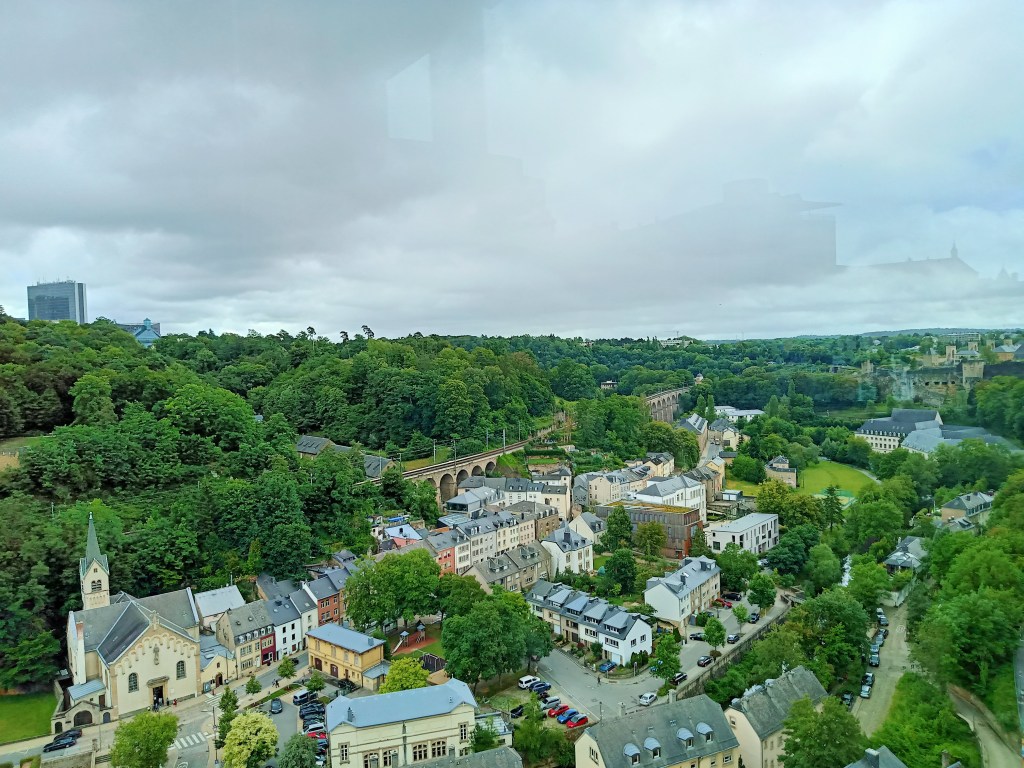
The seat of the Grand Duchy, criss-crossed by numerous viaducts and canals, this is one of the de-facto capitals of the European Union. Cosmopolitan in its DNA (with more than 50% of its population consisting of expats), the city provides free public transport and free internet to everyone. Inhabited since the Roman times, the various walls and ramparts in the city bear testimony to its many occupants over the centuries.

How to get there
Nestled between France, Germany and Belgium it is easily accessible from all three countries by land. There are regular train services from Luxembourg Central station (Gare Centrale) to all the major cities in Western Europe. Lux Air is the flagship carrier of the country, and has regular flights connecting the city to important locations on the continent. I had taken the bus (Flixbus) from Frankfurt to Luxembourg City, the 5 hour journey takes you through some of the most scenic roads in Rhineland and crosses the border town of Trier in order to enter the city.
Where to Stay
This cosmopolis has all major hotel chains, homestays and many hostels. The industrial neighborhood of Kirchberg is very popular among hipsters. The area near the Old Town and Central station are the cynosure of most tourist activities. However, if you want a quiet neighborhood while still being close to the city center, I would suggest the following locations – Gasperich and Hollerich. I had stayed at Chambre Gasperich, on Rue Benjamin Franklin.
How to Commute
As of 2020, Luxembourg has free public transport for everyone. It is the first nation in the world achieve this feat. The only mode of transport in the city are the buses, they are frequent, efficient and connect almost every corner of the metropolis. There are some trams but they are only limited to Kirchberg and neighboring areas. There is also a funicular and elevators which connect settlements atop the hill to the ones below.
Things to See


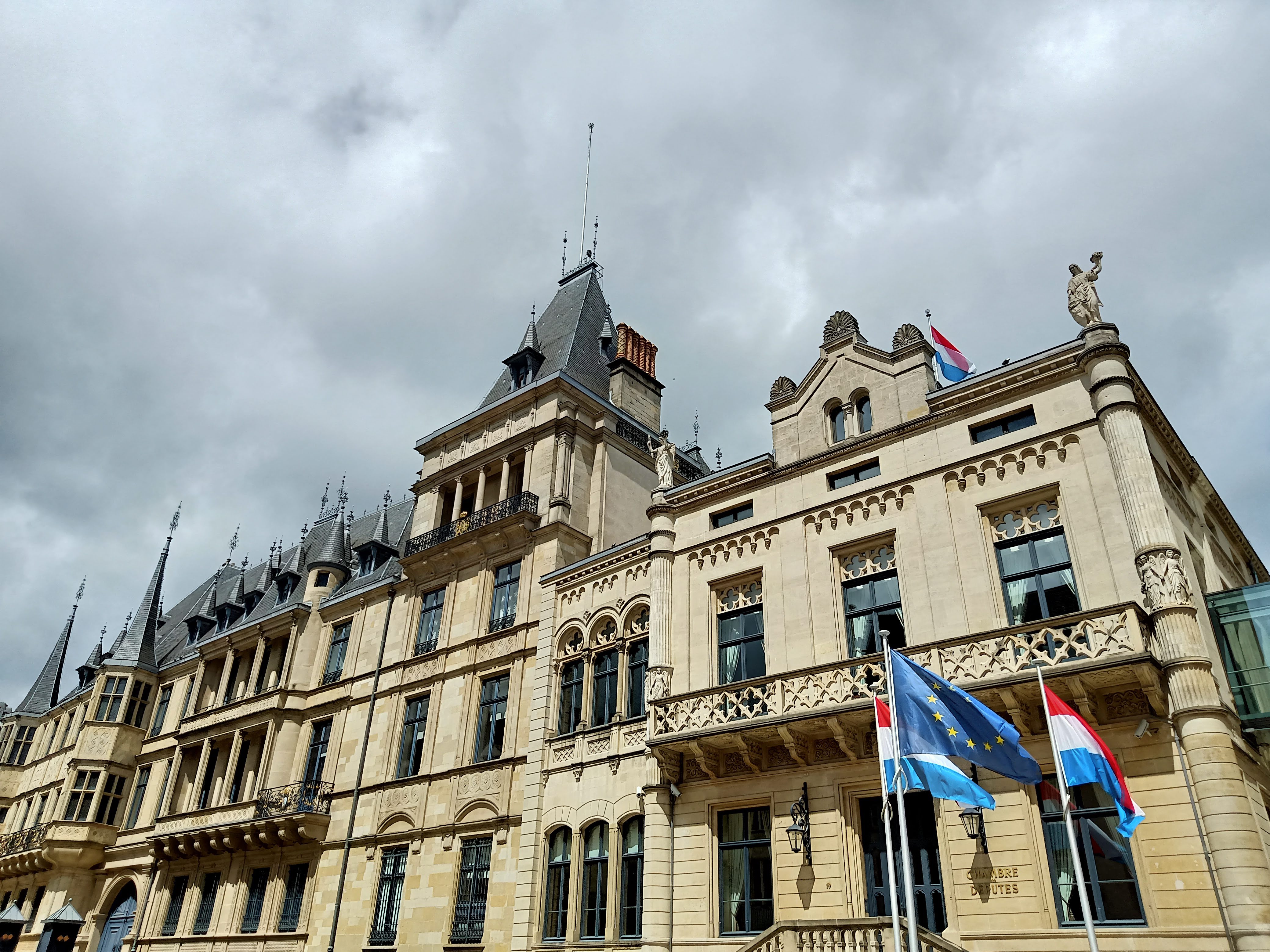
Commence your journey along the central vista leading upto Place Guillaume II, in the center of the square there is an imposing statue of King William the second on horseback. Follow the footsteps of the monarch and you will end up in front of the Palais Grand-Ducal (Palace of the Grand Duke), a renaissance style palace which houses the only Grand Duchy in the world. Nearby you can also find the Town Hall, and the House of Raville. There are a lot cafes and restaurants in the square serving all varieties of cuisine – Italian, French, Japanese, Chinese and Indian, be sure to sample some delicacies here.
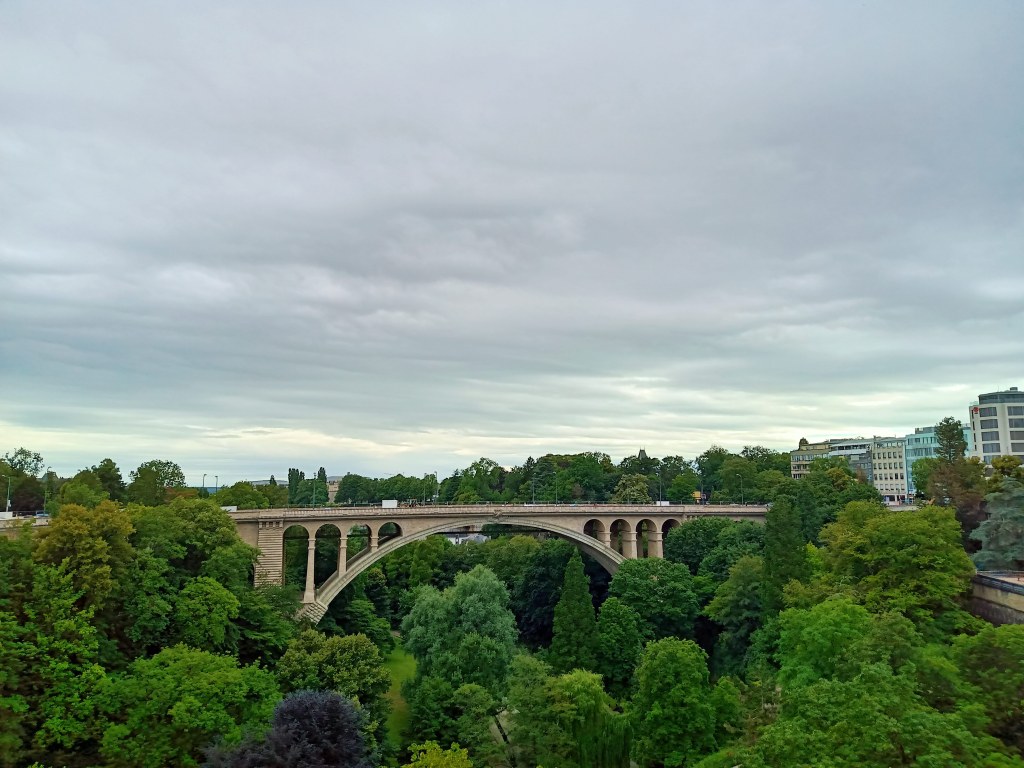
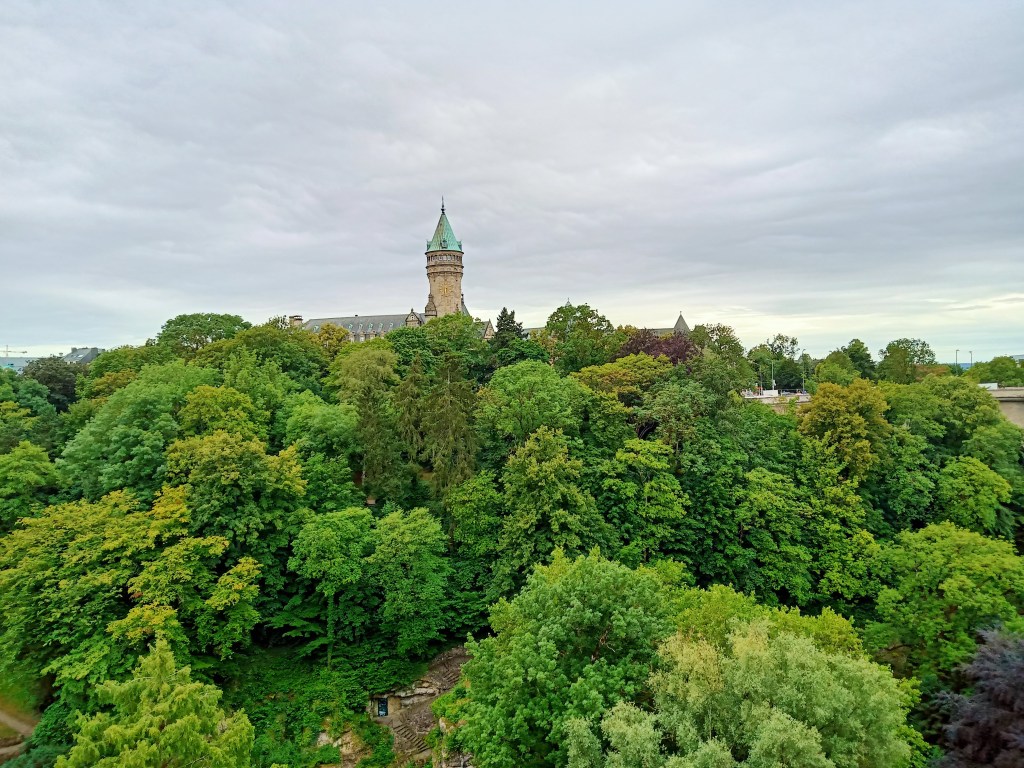
The the road adjacent to the square leads to the Notre-Dame Cathedral, a 17th century church of the Jesuit order, resplendent with Gothic and Renaissance architecture. There is also a crypt in the lower levels of the church where members of the monarchy are laid to rest. A narrow alley at the corner of the Cathedral leads to the Monument of Remembrance (a war memorial with a gold statue on top) and offers breathtaking views of the Adolphe Bridge and the Constitution Square. Witnessing the mesmerizing views of the valley and the bridge will help you understand why this location has been adjudged the most beautiful balcony in Europe. I would highly recommend climbing down to the constitution square and then finally to the valley beneath, take in the lush green atmosphere of the many ravines on the way down. Parks and Valleys occupy major arteries of the city, often outnumbering the residential areas in some places.

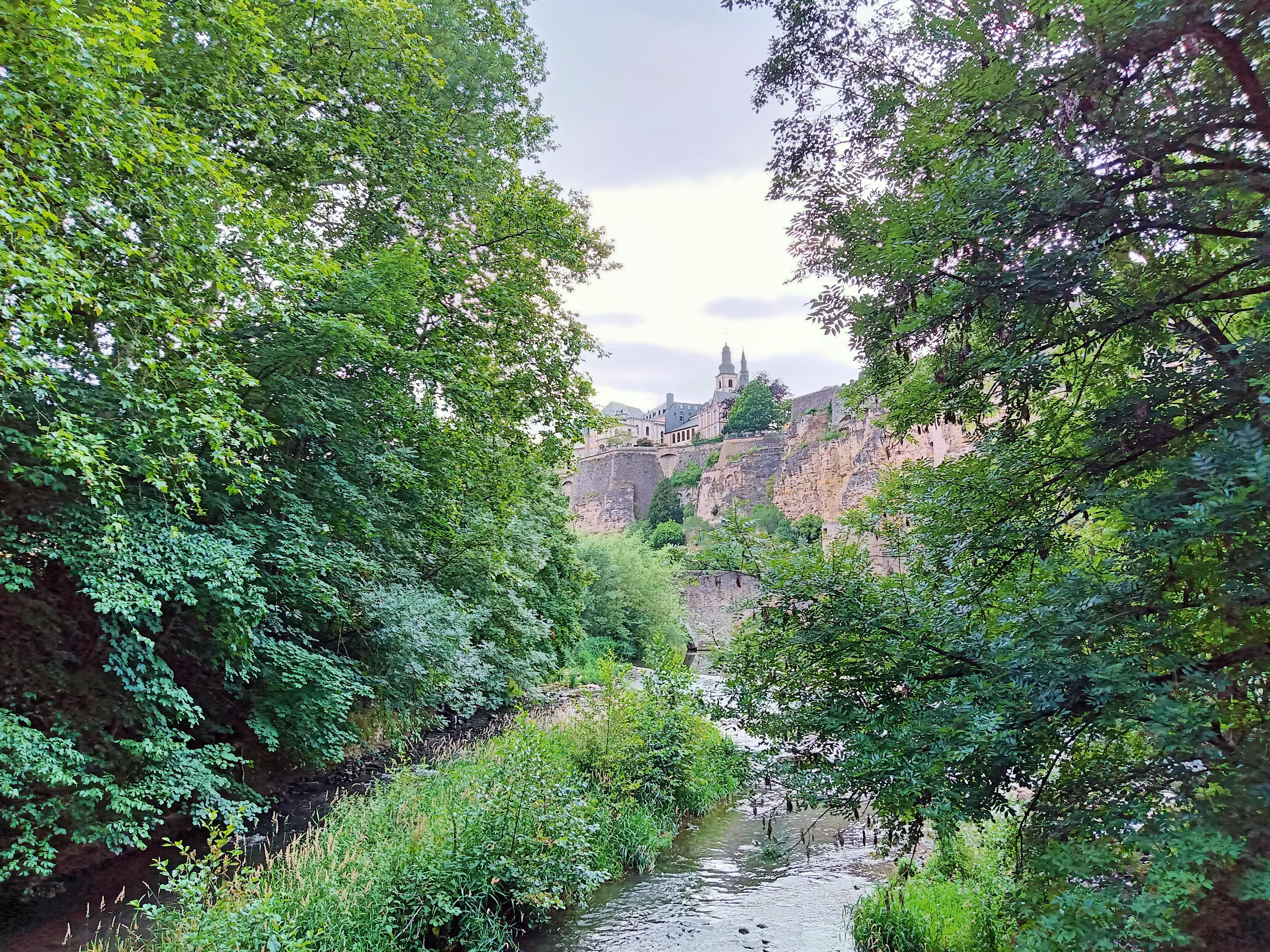
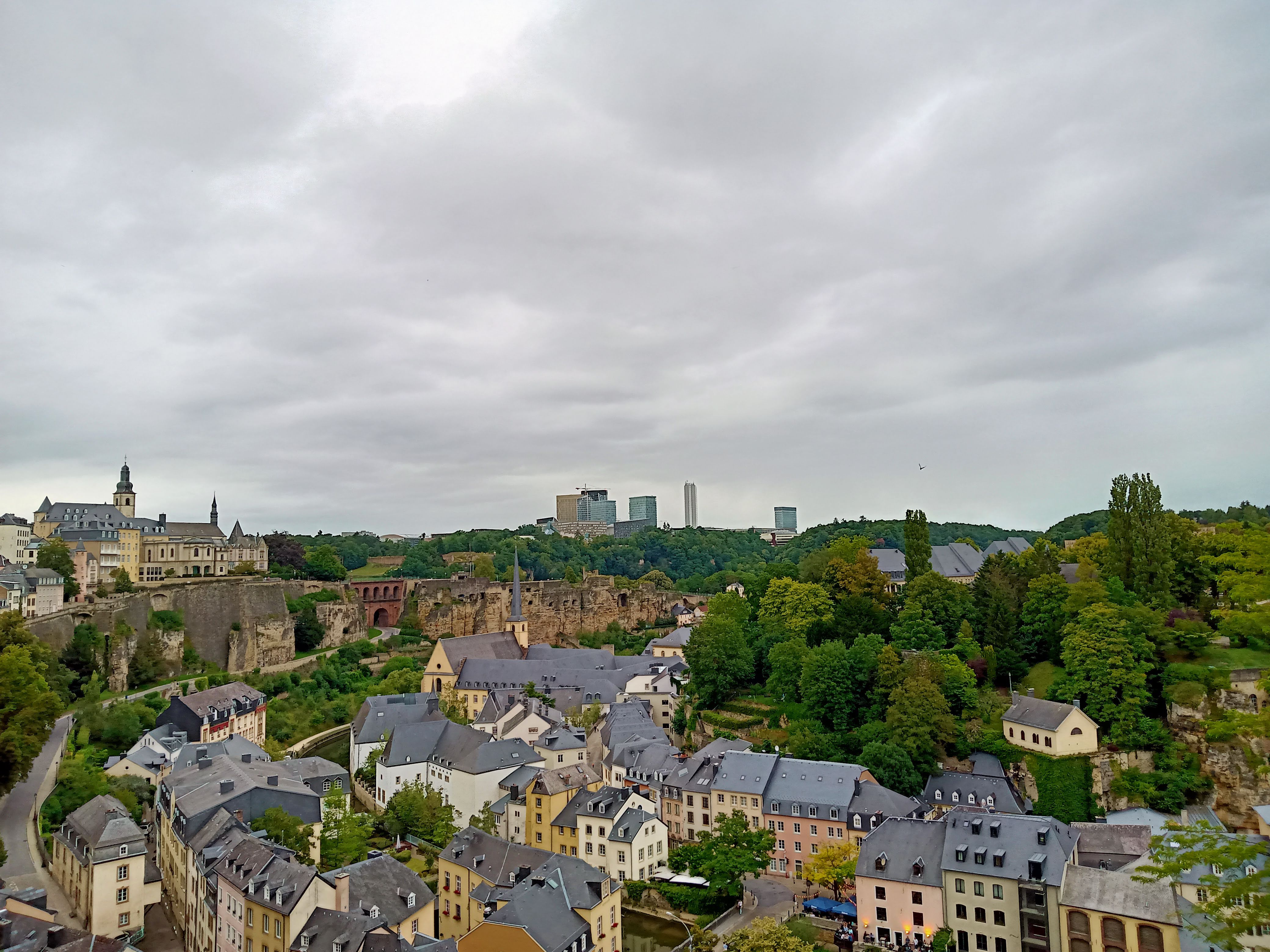
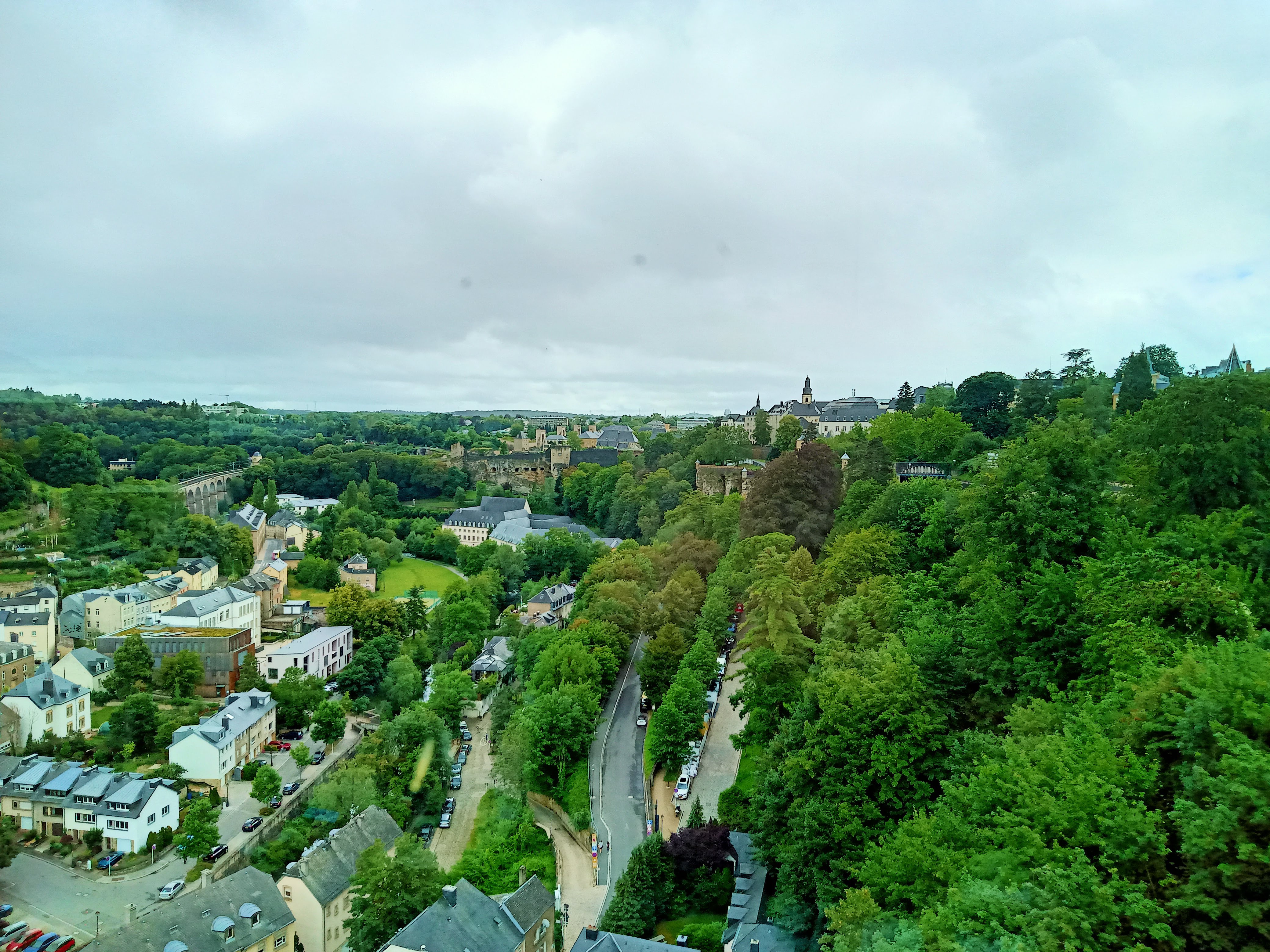

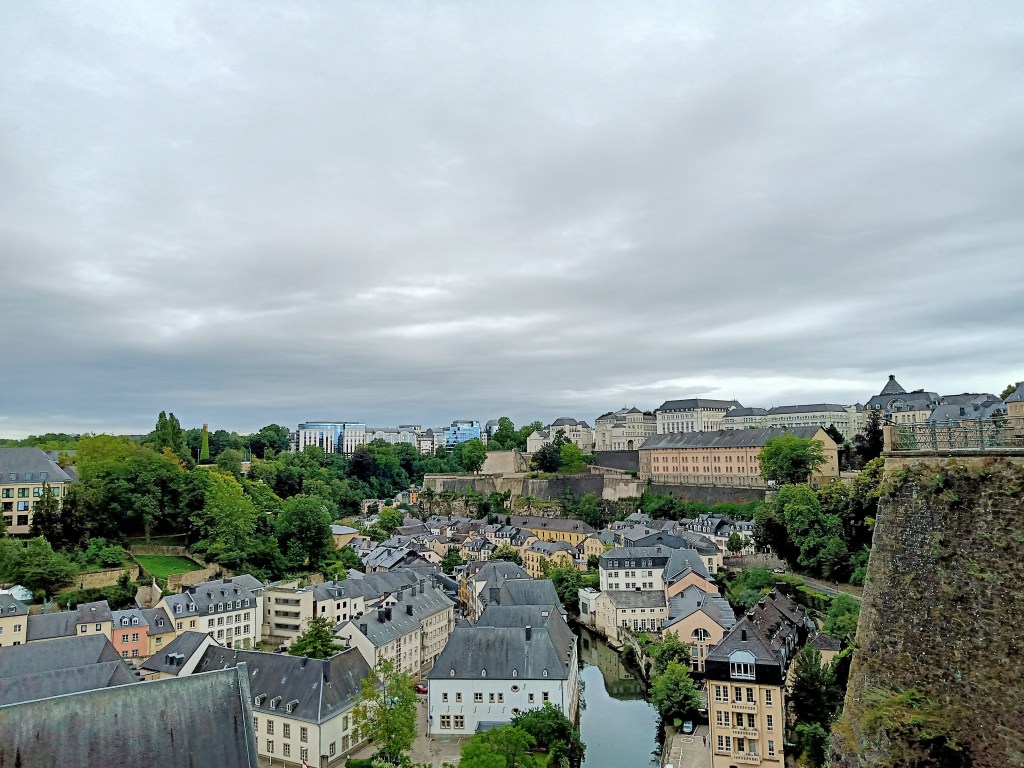
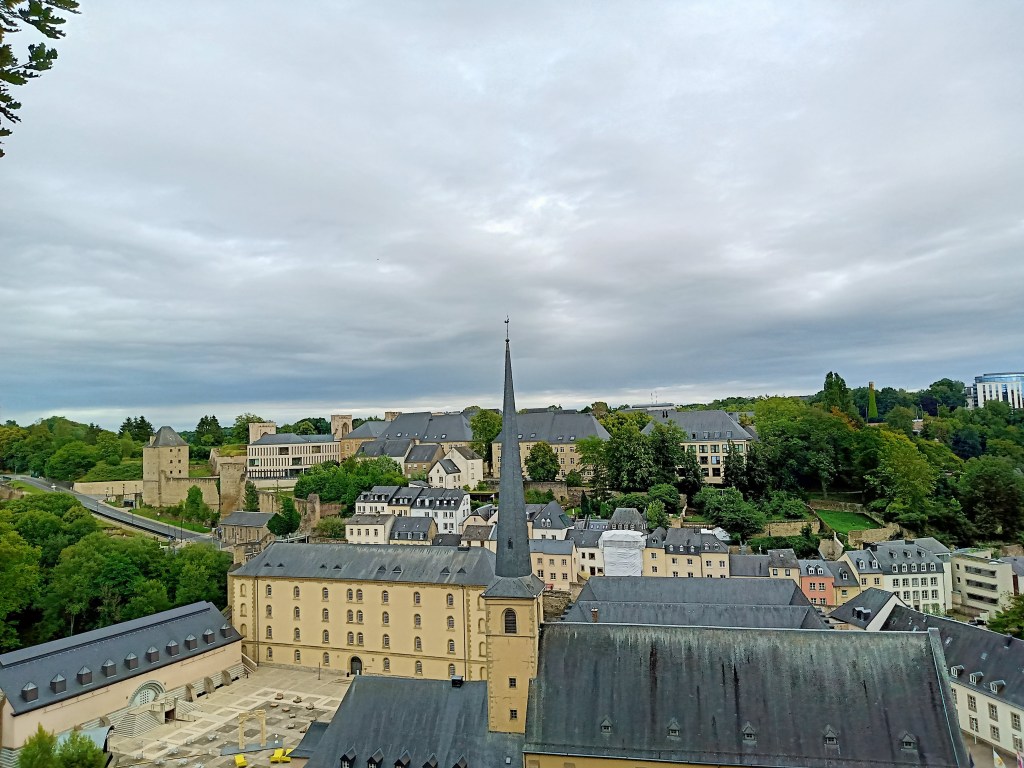
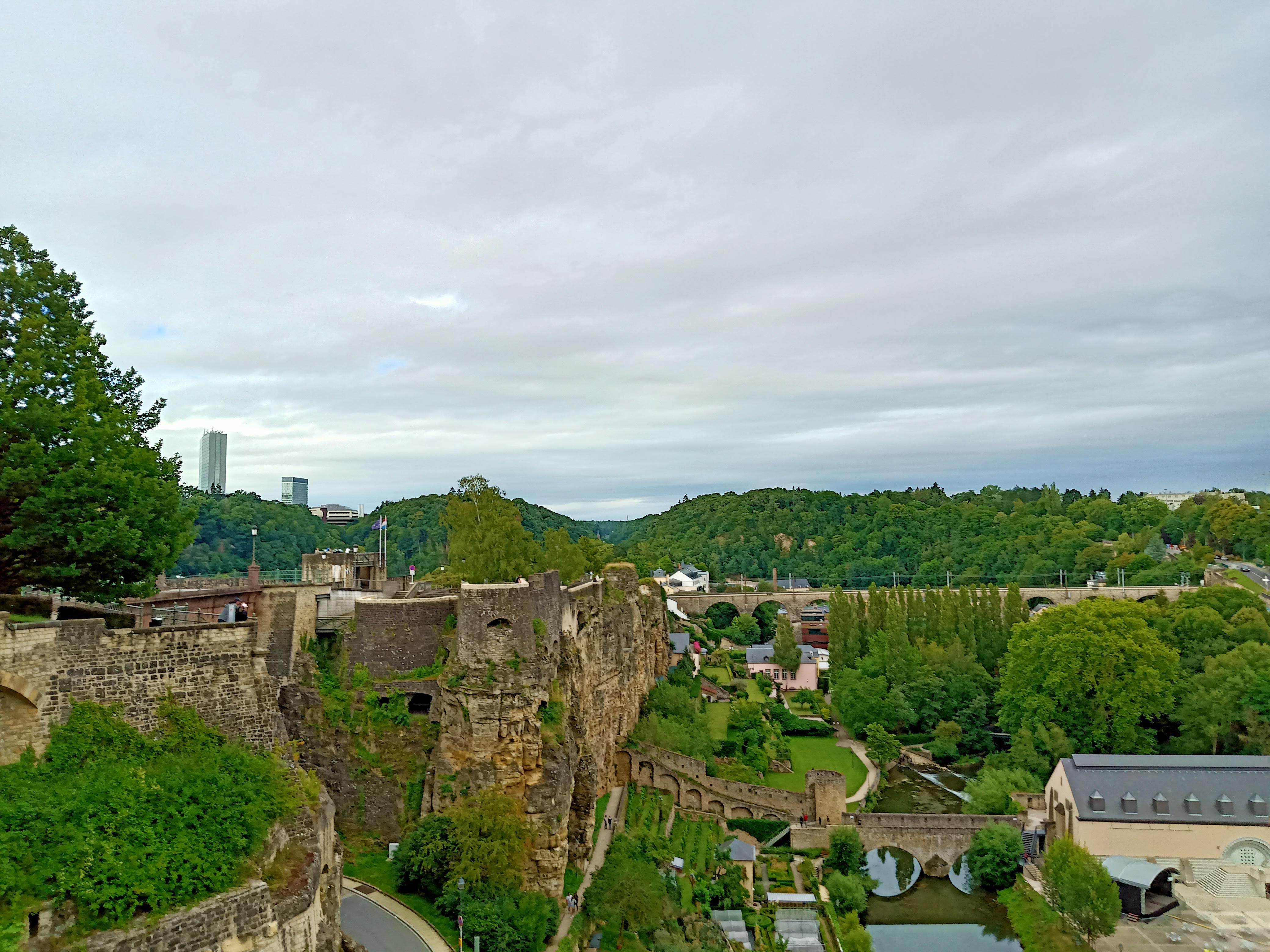
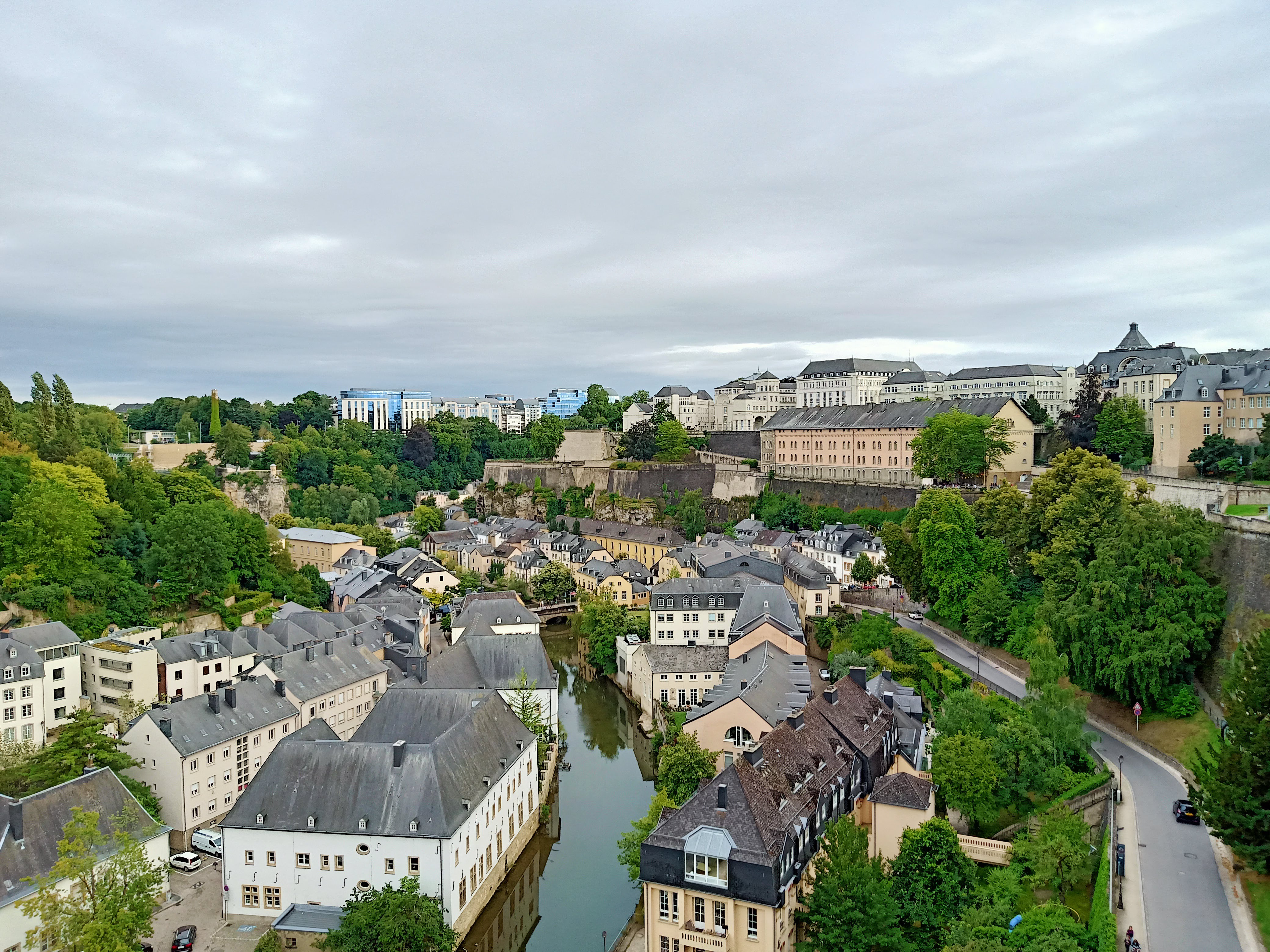
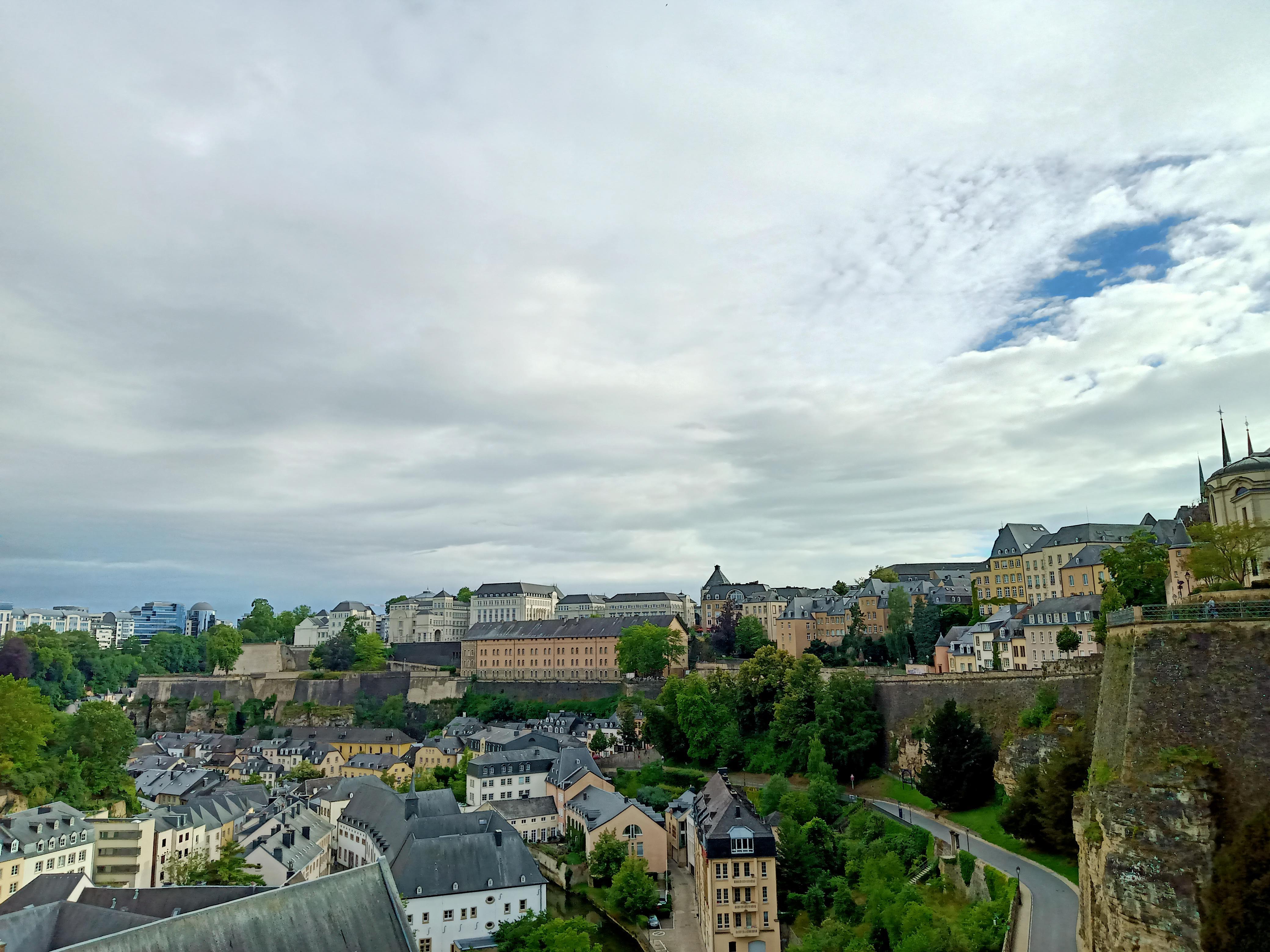
Behind the Palais Grand-Ducal, lies the historic center of the city, starting with the Casemates Du Bock, a 17th century Spanish underground passage stretching for 21 kilometers, carved on the side of the bock cliff. It housed thousands of soldiers during the second world war, along with their armaments, horses and other livestock. The casemates offer panoramic views of the Grund (medieval part of the old town) and the Corniche Walls. Take a stroll along the Corniche passage which reveals the beauty of this layered city. If you descend down the walls of the Casemates towards the Grund, each step peals back layers of history and opens your eyes to a certain time in the city’s glorious past. You will pass through the Convention center(neimenster), a fortess and the Stierchen Bridge which formed a part of the medieval fortifications of the city. Once you are all the way down to the foot of the cliffs (the Grund), getting back on top is super easy, there is an elevator which takes you to the top and passes through the cliffs, an engineering marvel in its own right.
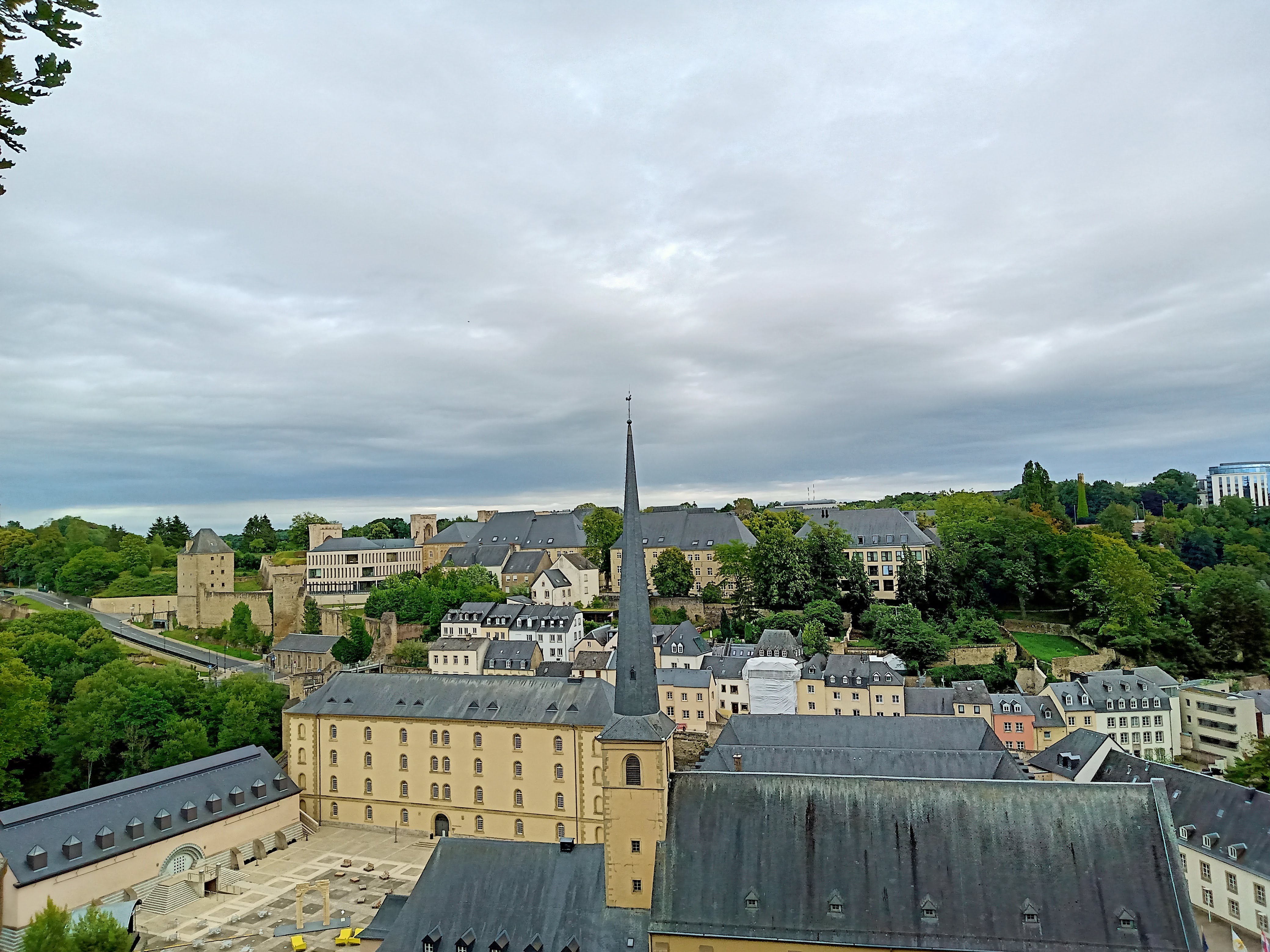
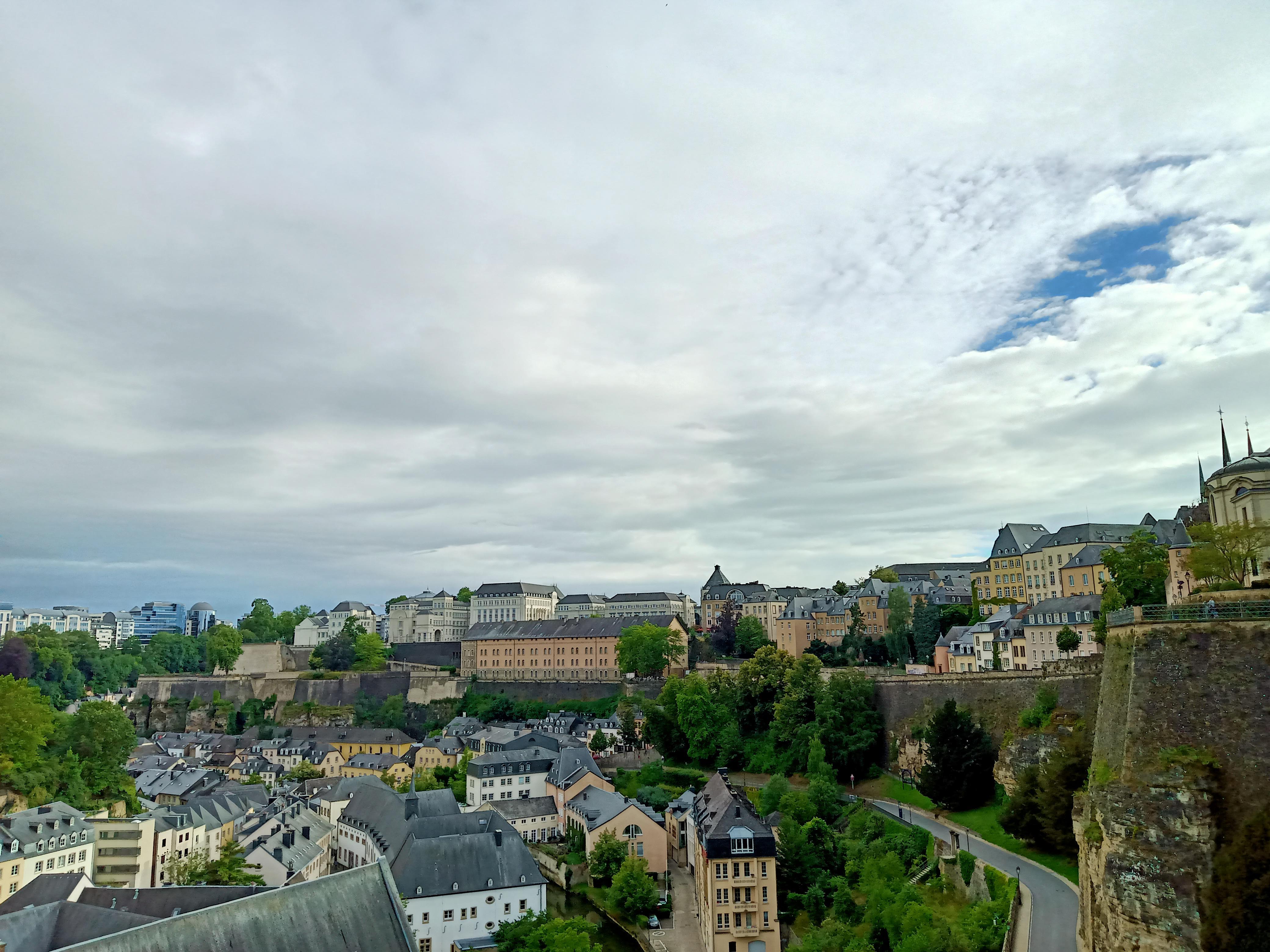

If you are looking for a vantage point which gives you a bird’s eye view of the enire old quarter, then head over to the glass elevator near the Grand Duchess Charlotte Bridge. It takes you all the way up to the public park in front of the summer residence of the duke. The grandeur of the summer palace seems to overshadow the grand palace, a part of the palace including the royal grounds are open to the public. There are a lot of museums in the city to pique your interest – City History Museum, National Museum and Museum of Modern Art. Outside the city, there are a multitude of medieval castles, the country is famed for its many fortresses, Vianden castle is the closest to the city, about an hour away. Rich in all senses – historically, culturally and of course monetarily, that’s Luxembourg for you.
Things to Eat
There is a saying that Luxembourgish cuisine is an amalgamation of hearty German portions and the characteristic French flavour, talk about best of both worlds. They have a spicier variation of the Bratwurst, and their own version of fish & chips, potato fritters, roasted pork knuckle. The dense dumplings (Kniddelen) topped with bacon are a treat to your senses. For chocolate afficionados look no further than the Chocolate House, its conveniently located just in front of the Palais Grand-Ducais, its hard to miss, as its crowded during all hours. Be sure to order their signature hot chocolate.
How much does it cost
Luxembourg is at the higher end of the expense spectrum, a single meal in a restaurant will cost about 20 euros. Almost all places in the city accept credit cards, so you need not worry about paper bills. One day trip to the city cost me about 200 euros (all inclusive).

 Quantum Explorer