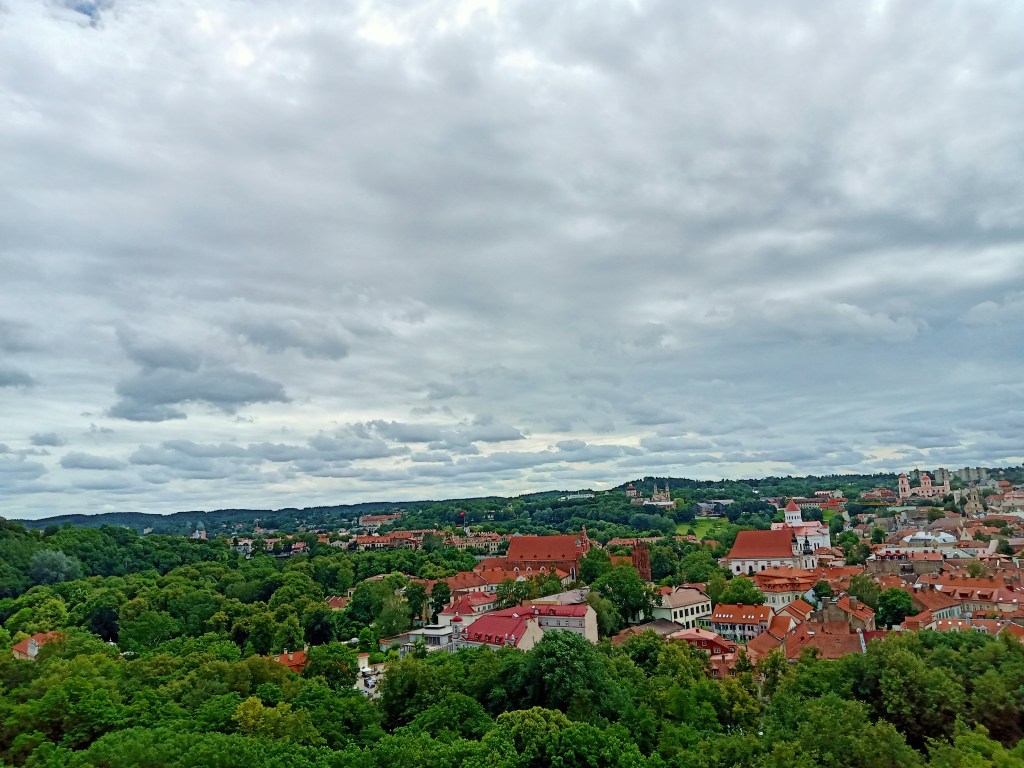
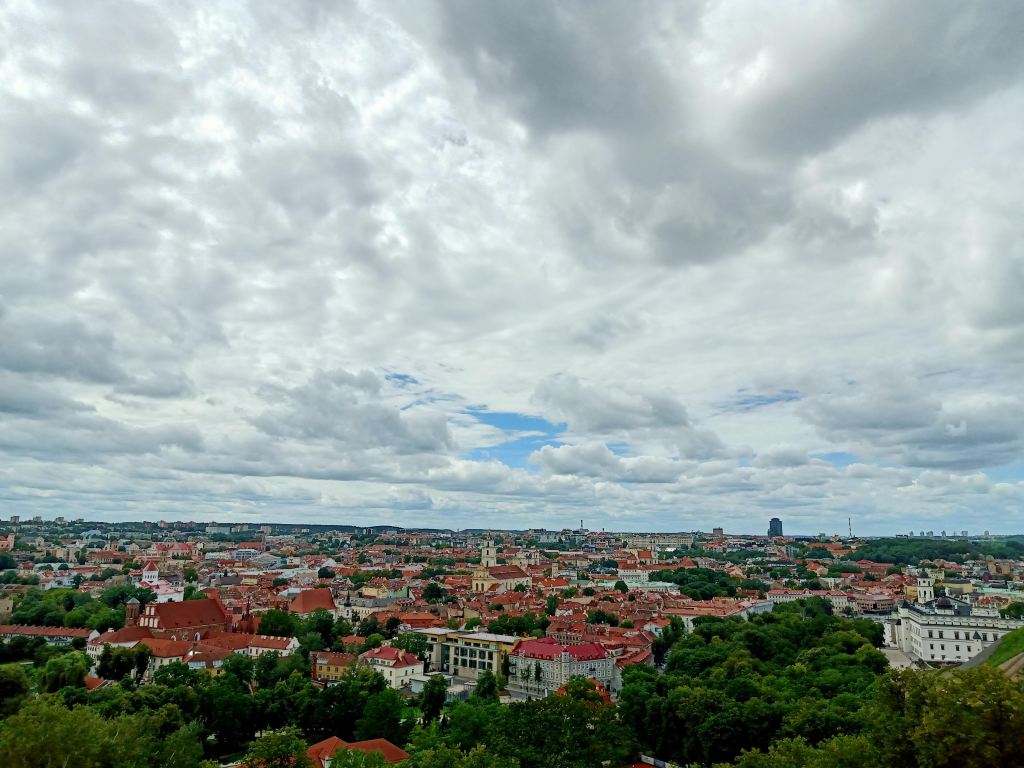
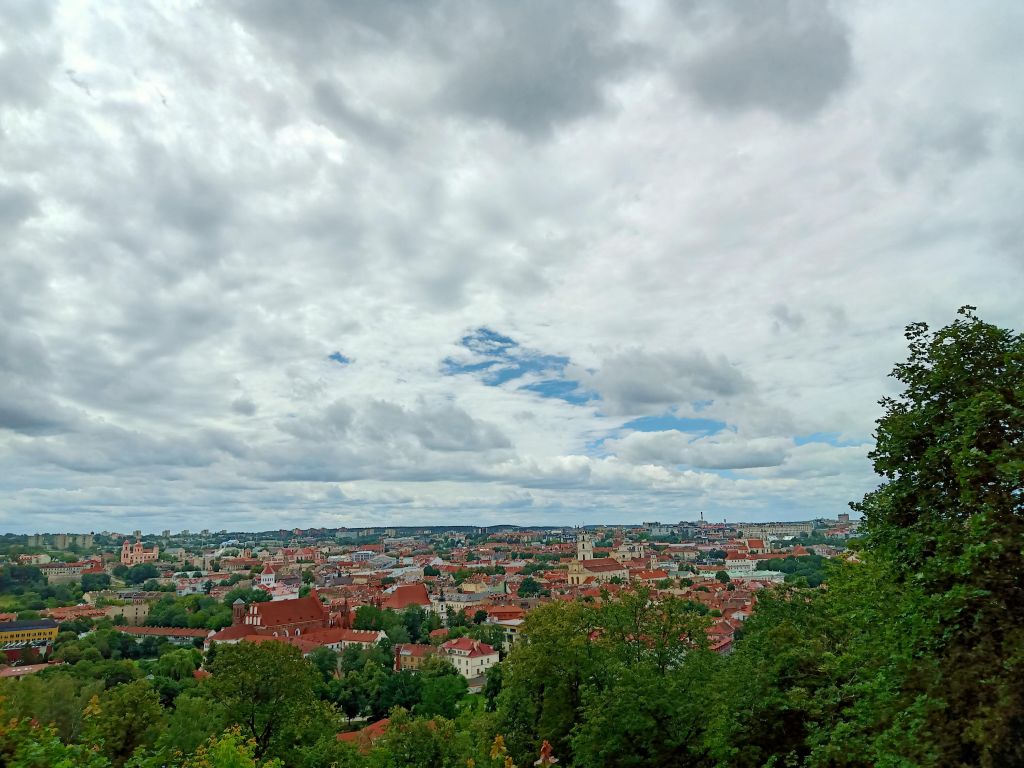
The capital of Lithuania and the second largest city in the baltic region. The eponymous Vilnia river flowing through its major arteries and the Neris separating the modern tech neighborhood from the quaint old town. This city has medieval fortifications juxtaposed with bohemian neighborhoods.


How to get there
The capital city is very well connected to its baltic neighbors (Latvia and Estonia), it has an international airport which connects it to major western european capitals like Frankfurt, London and Brussels. FlyLAL is is the national carrier, however it has a very limited operating fleet. The bus routes between the three baltic capital cities (Vilnius, Tallinn and Riga) is very well established, there are almost hourly buses from Riga to Vilnius. Vilnius train station connects it to Riga and other major cities in Lithuania like Kaunas. I had taken the Lux Express bus from Riga to Vilnius, it was a 3 hour journey which passes through many farmlands and villages. I must say this was much better than any Flixbus, I have traveled in, they have a good selection of free refreshments on board and the Wifi always works.
Where to Stay
I didn’t stay in Vilnius (although I wish I had), I was there for a day trip from Riga. The usual places to stay are near the Old Town, the bohemian neighborhood of Uzupis. The newly developed tech hub also has major international hotel chains which offer a comfortable stay.
How to Commute
Vilnius can be entirely covered on foot, that being said it has an extensive network of buses and trolley buses. You can choose between a city card, a travel pass or just single bus tickets, depending on the duration of your stay.
Things to See
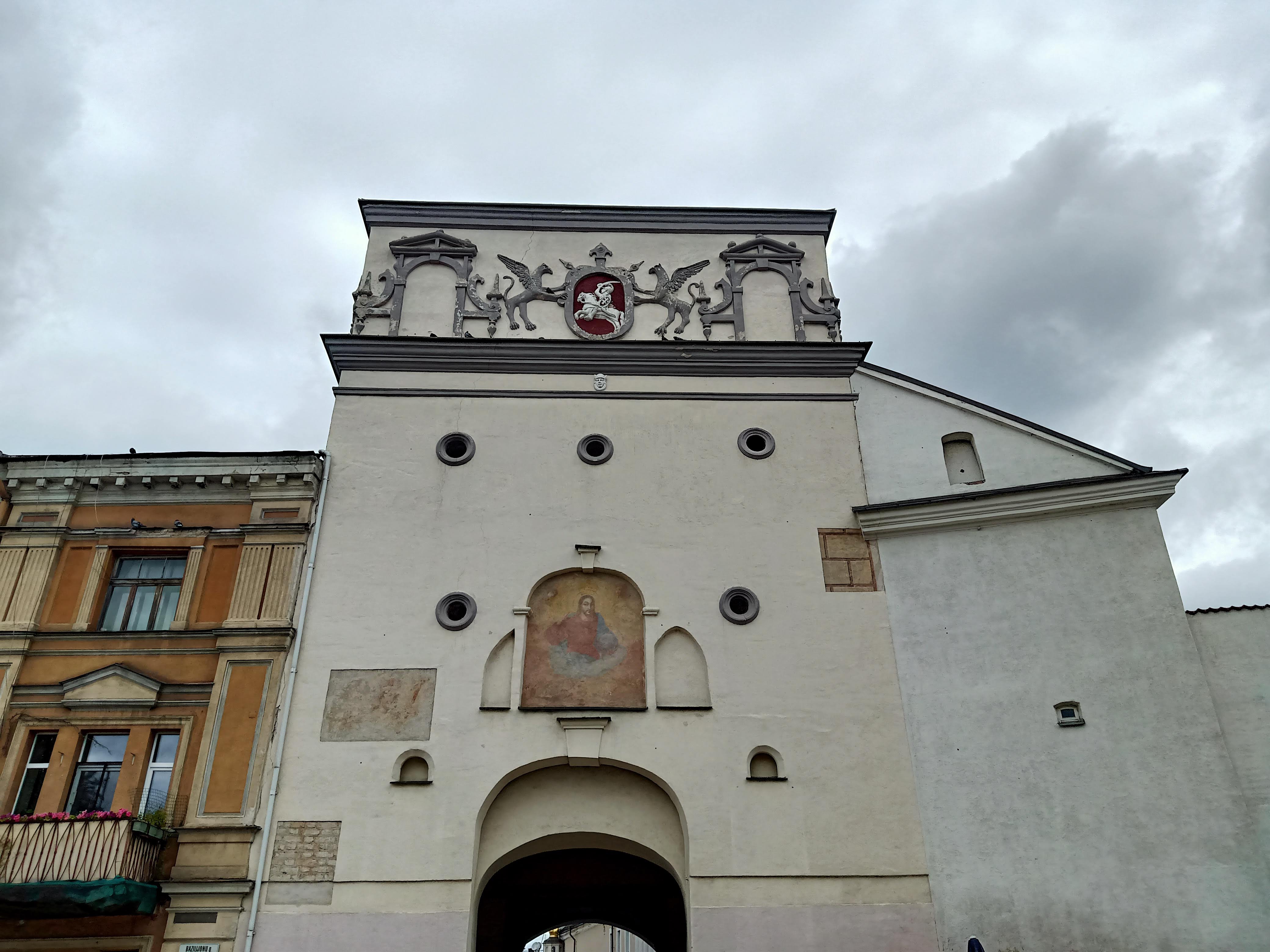
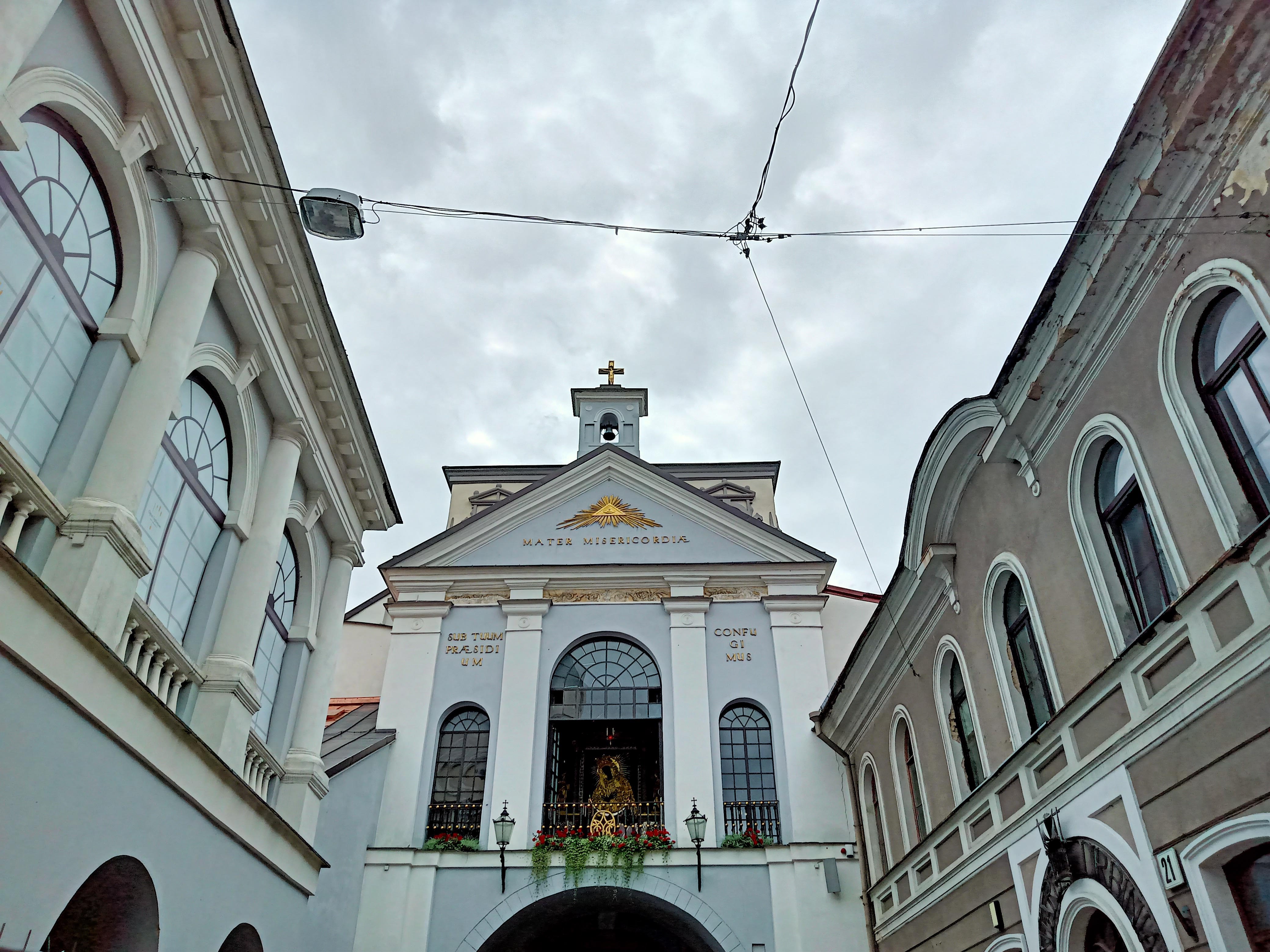
Commence you journey at the Gates of Dawn, pass through the gates and make a stop at the shrine of Virgin Mary on the other side. Follow the cobblestoned pavements and you will end up at the town hall, standing tall with Greco-Romanesque pillars. The central square of the old town spread out in front of it. This square becomes the central venue for ice-skating during the harsh winter months.
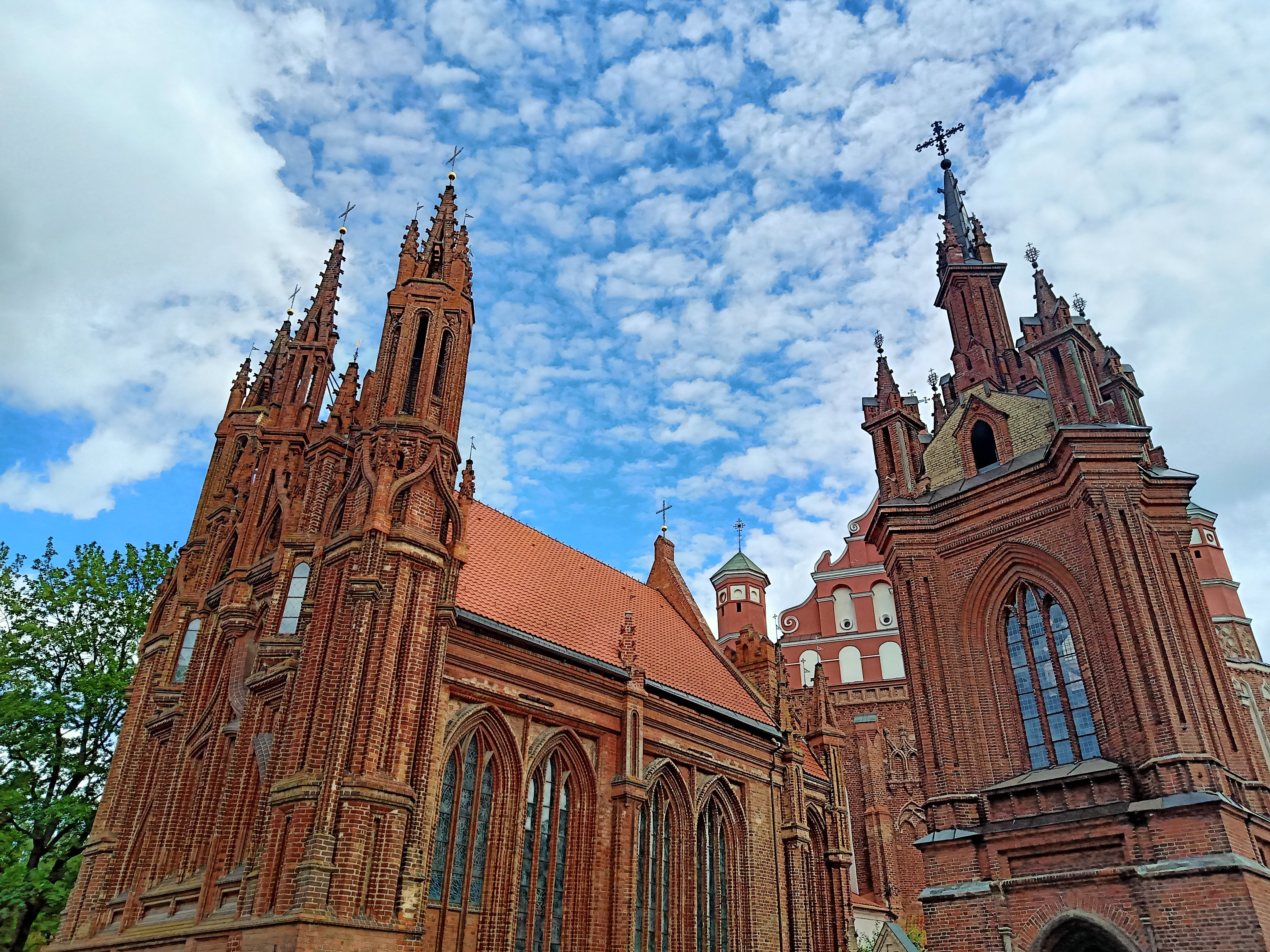
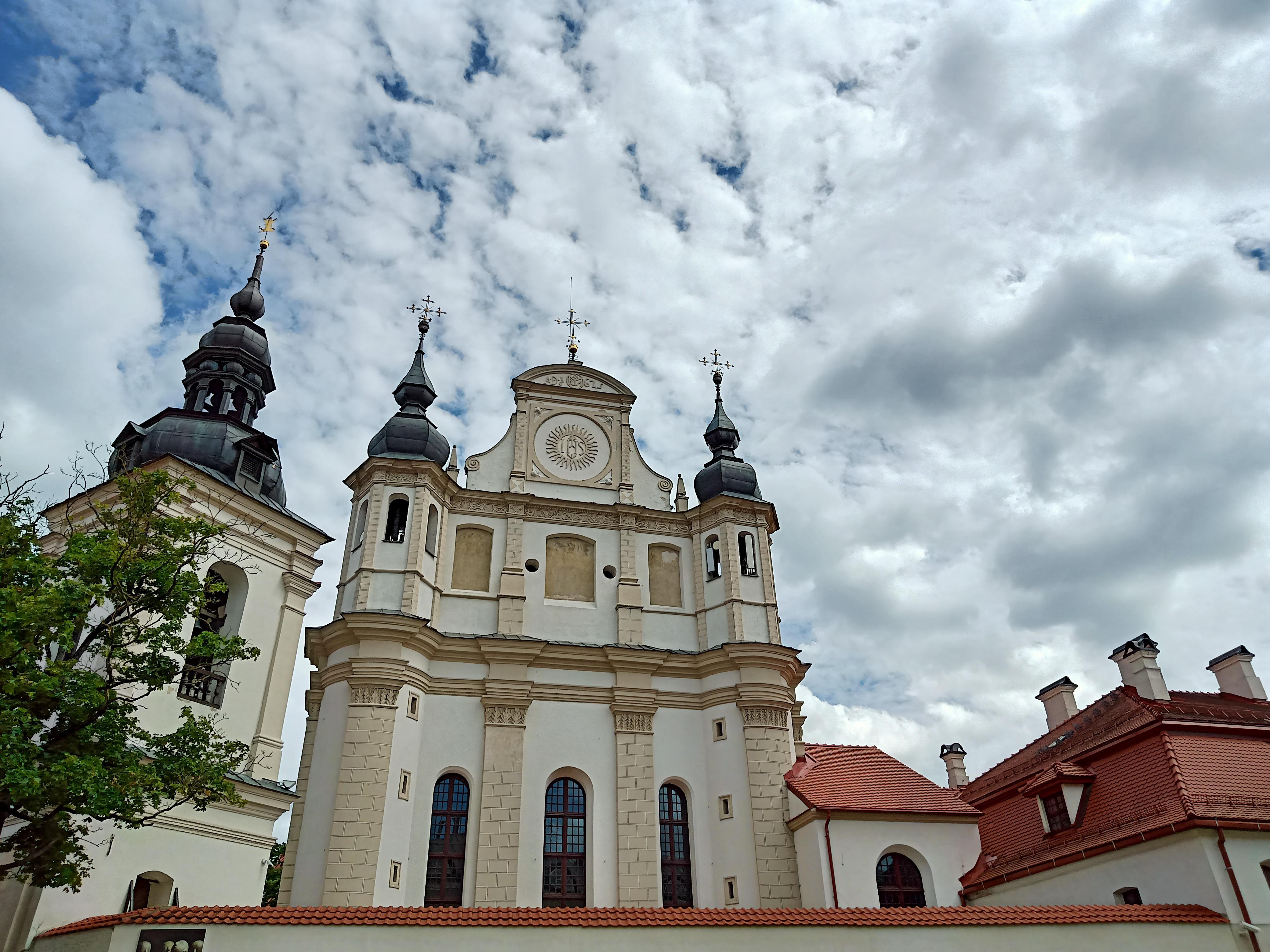
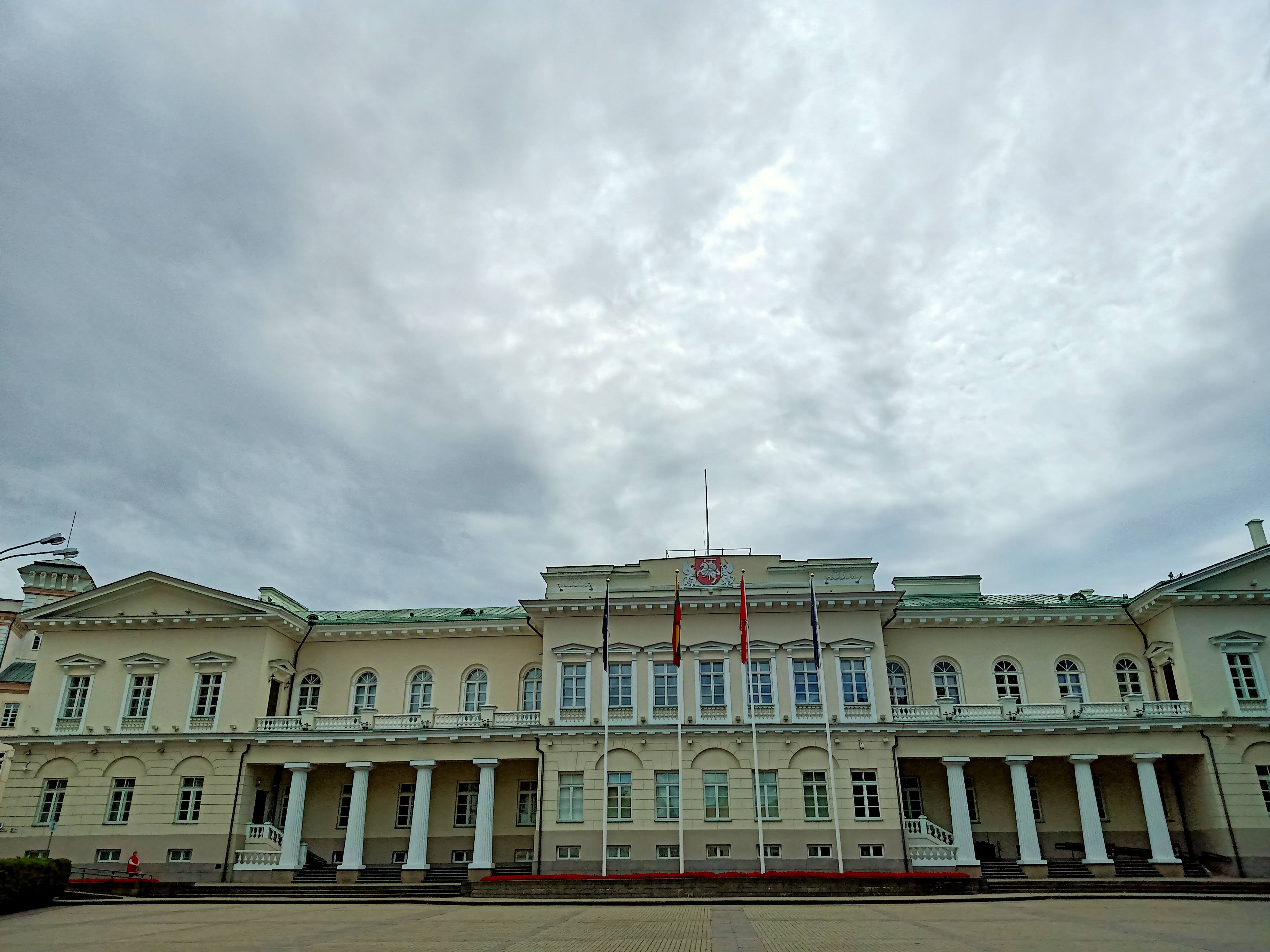
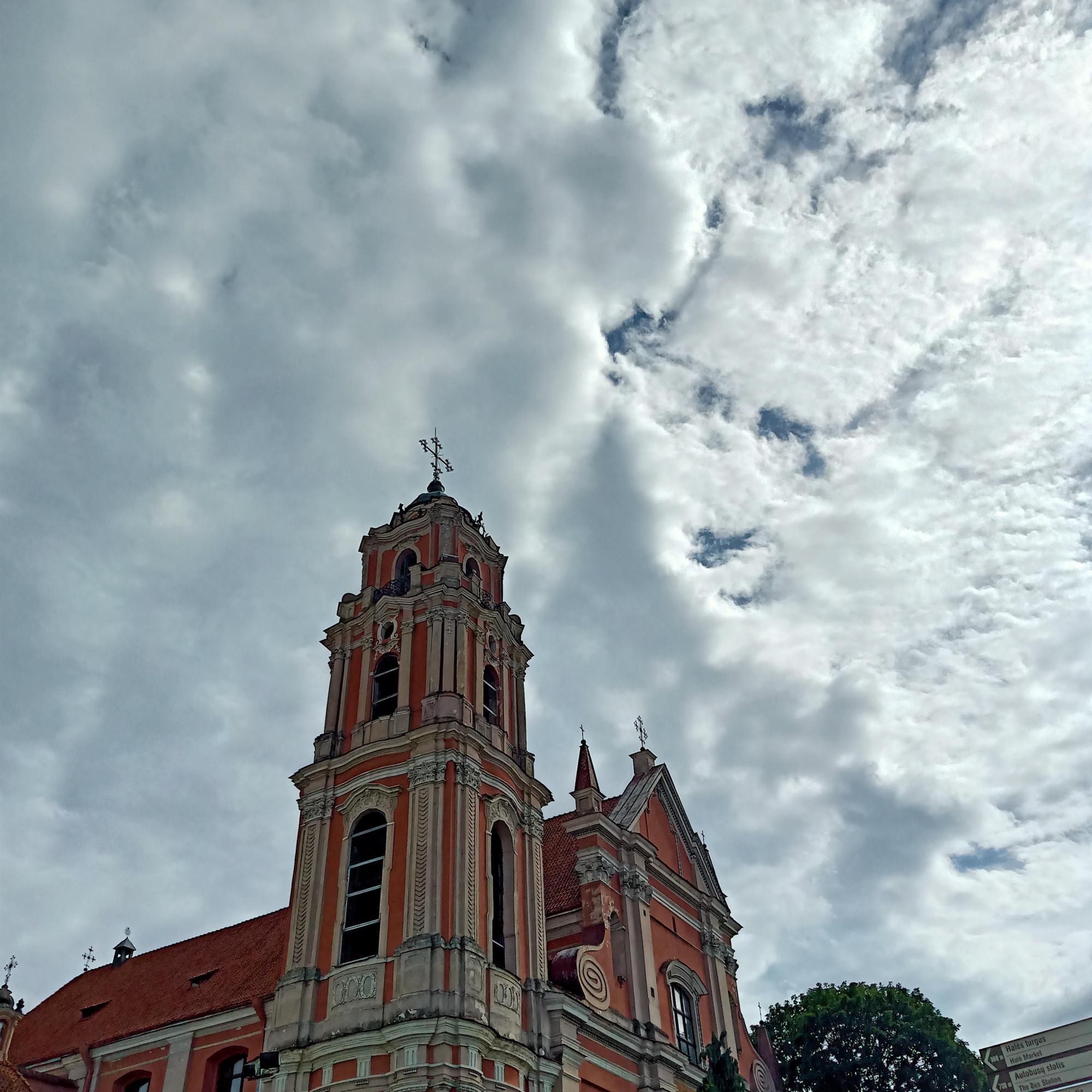
Continue along the same street and you will cross major landmarks on both sides of the road, Vilnius University, Church of St. Theresa, Church of Casimir, Church of St. Peter and Paul. Like its close cousin Riga, Vilnius too has a proclivity for churches in every corner of the street. Roads which fork from from the central vista lead to many interest points like the Presidential palace, St. Annie’s Church, Pilies Street (an iconic street with niche shops on both sides).


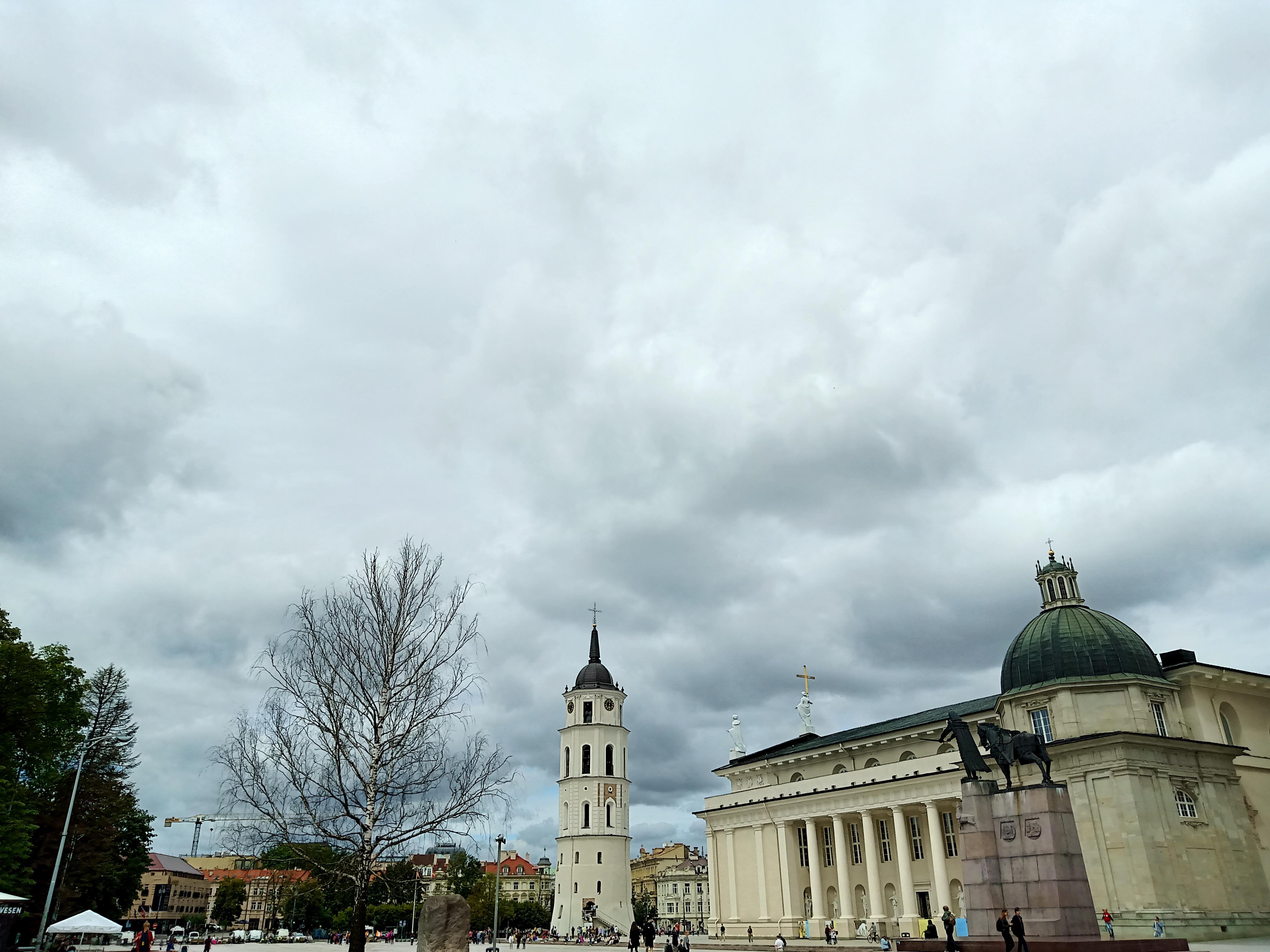
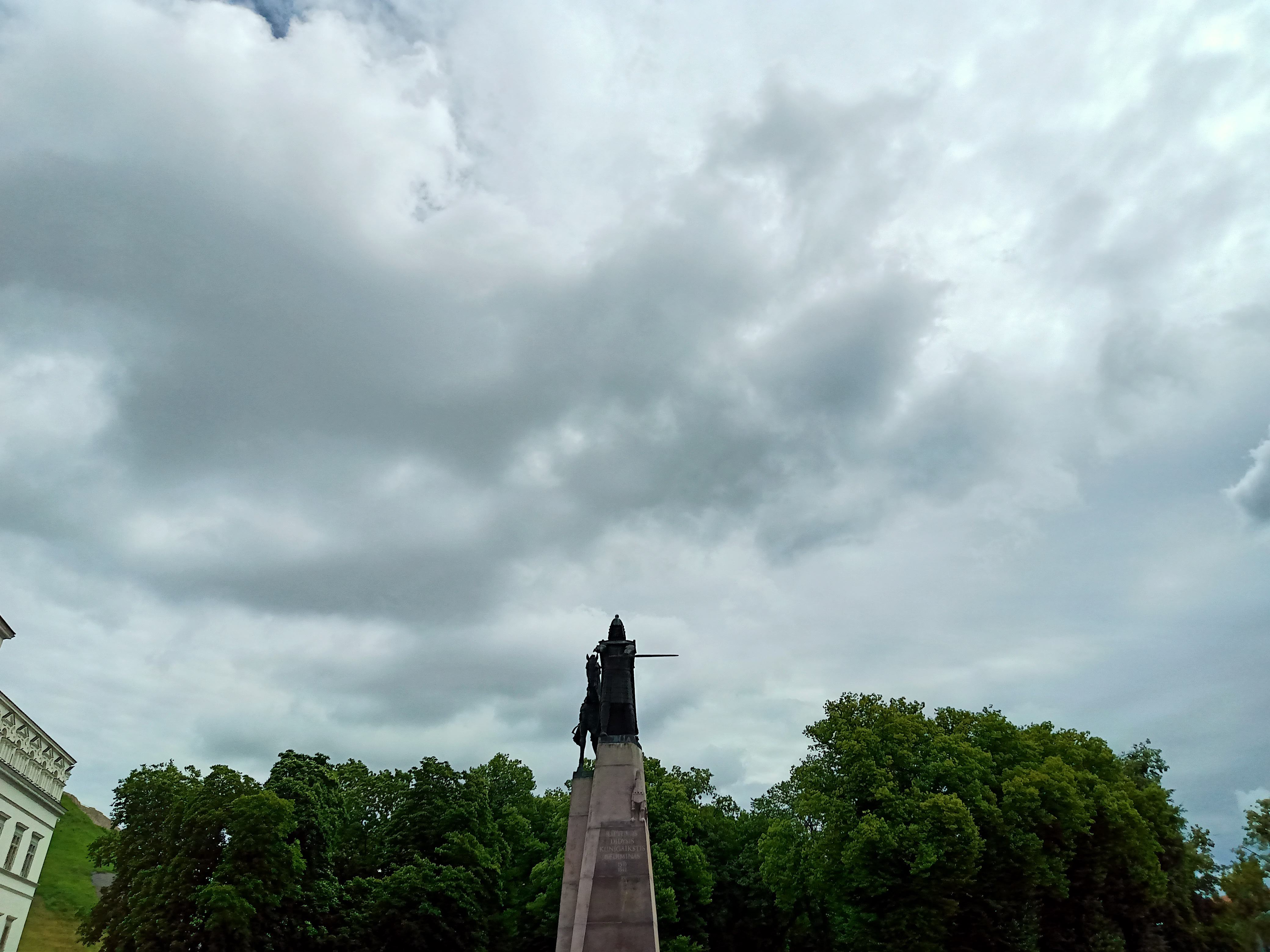
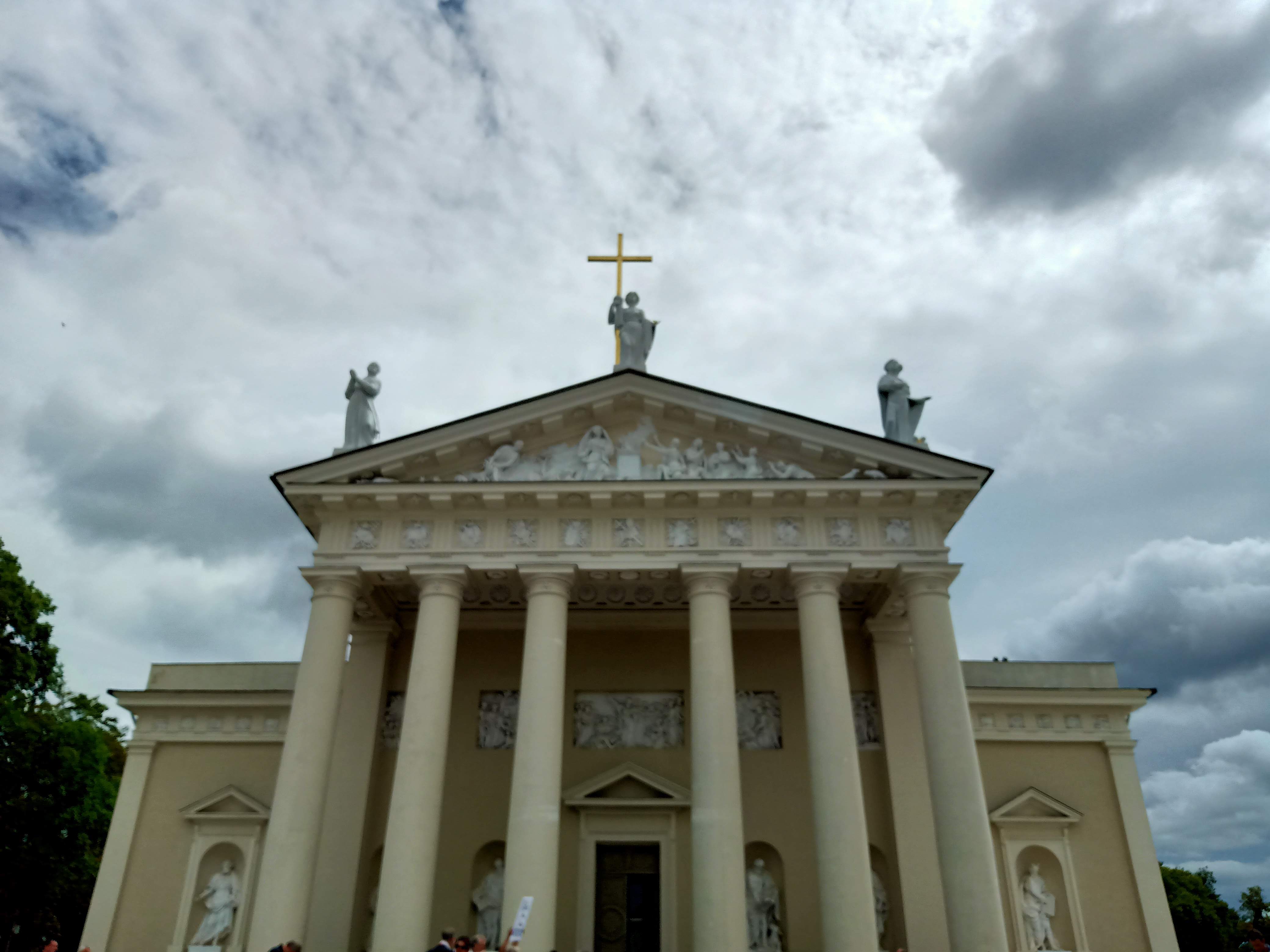
At the very end of the road you will find the Vilnius Cathedral with its imposing bell tower next to it. There is also the statue of Duke Gediminas (the founding Duke of the city) in front of the cathedral. There are many ornate decorations inside the cathedral, I went there on a Saturday and still it was quite crowded. The street at the opposite entrance of the Cathedral (known as Gedimino Street) has high end shops, restuarants and cafes on both sides. It also hosts the National Theatre, and several important government buildings and courts finally ending at the banks of the Neris.
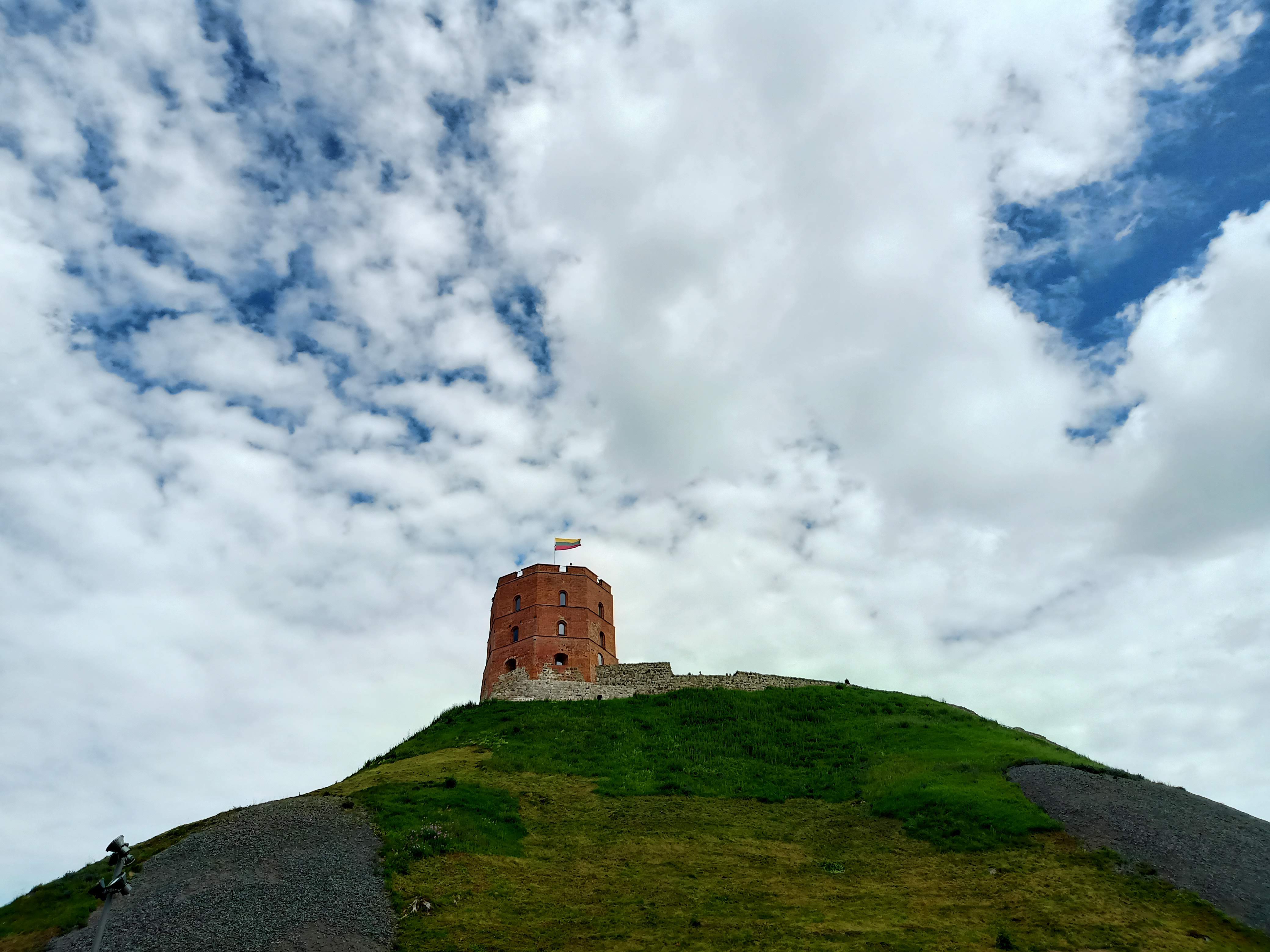
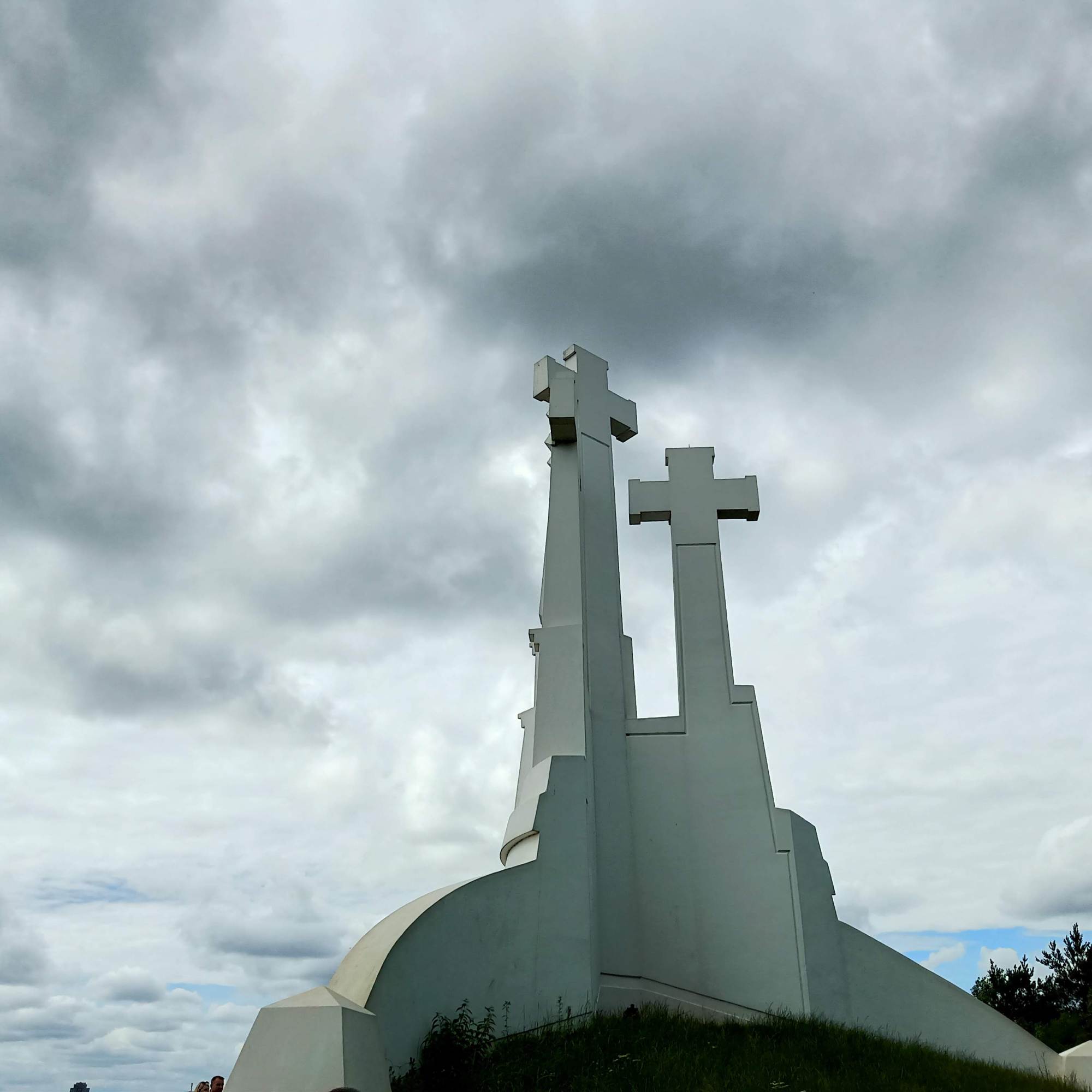
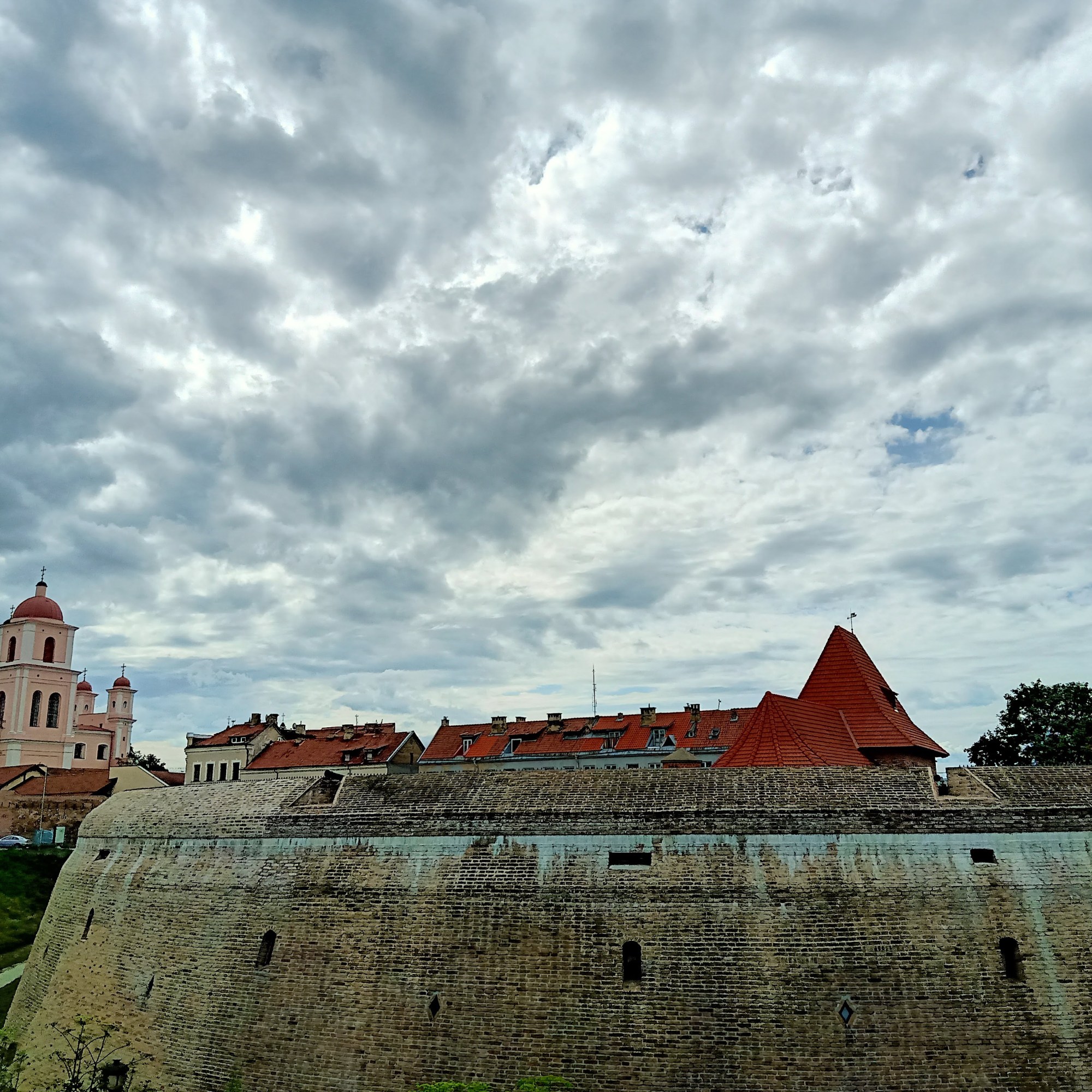
Next to the Cathedral is the Gediminas tower and Castle, take a stroll along the park in front of the castle and proceed to its entrance. It’s a bit uphill climb to the base of the tower, however if you don’t prefer hiking there is a funicular which takes you up to the top in seconds. Entry to the base of the tower is free, you only have to pay to enter the castle museum and the top of the tower. From the vantage point of the tower you get panoramic views of the old town and the upcoming districts on the other side of the Neris. From here you also get a view of the Hill of three Crosses – which embodies the Lithuanian spirit of resistence and resilience. Clamber down the hill and cross the Vilnia river to reach the base of the bleak hill from from there, it’s s circuitous road which leads uphill.

The Hill of three crosses, is the supposed spot were 7 franciscan friars were beheaded in the 17th century. The original wooden crosses collapsed during the second world war and a concrete monument was erected in its place. The same was demolished in 1950s under the Soviet rule. Following the independence movement of 1989, which successfully threw off the Soviet Yolk, the monument was rechristened as a landmark of Vilnius’s glorious past.
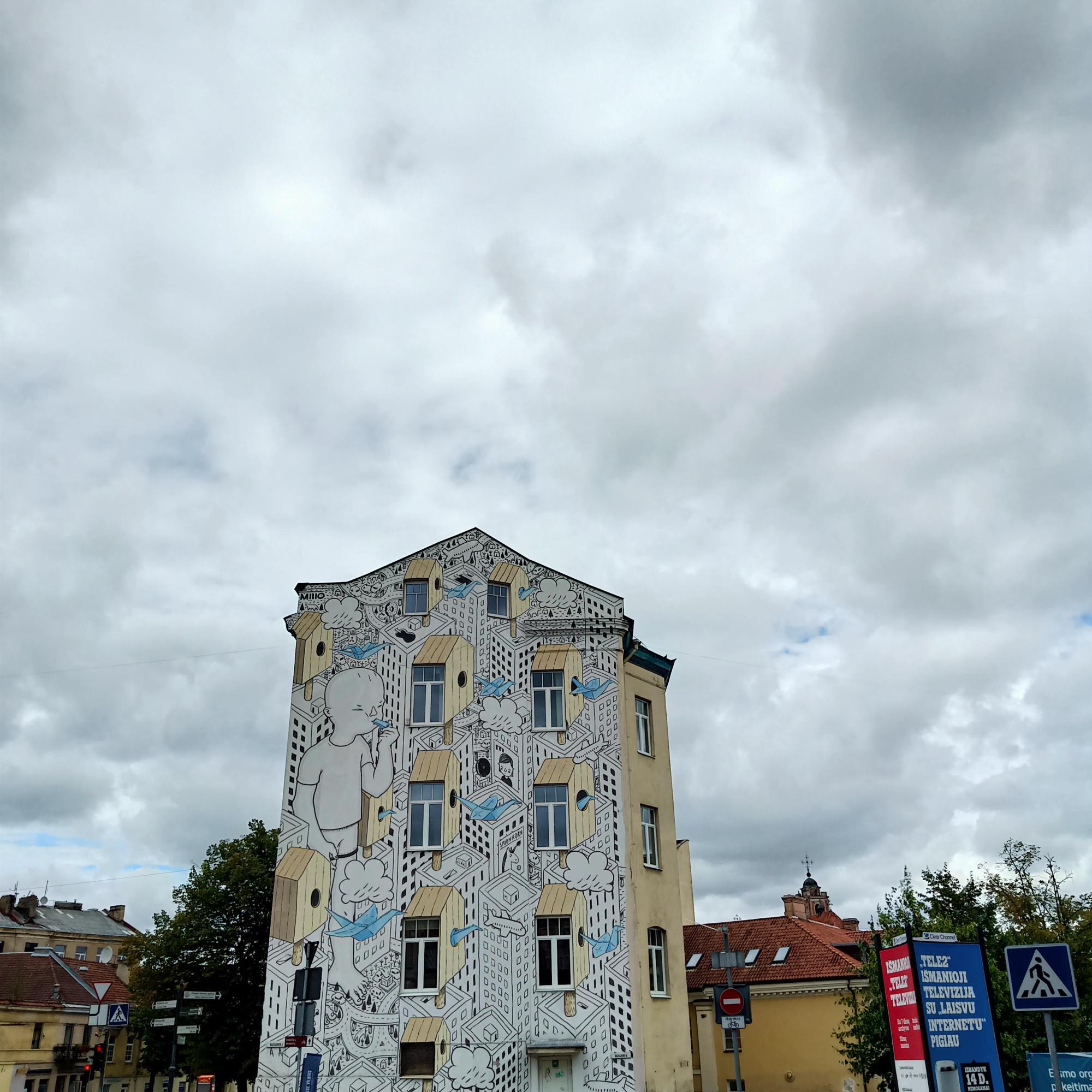
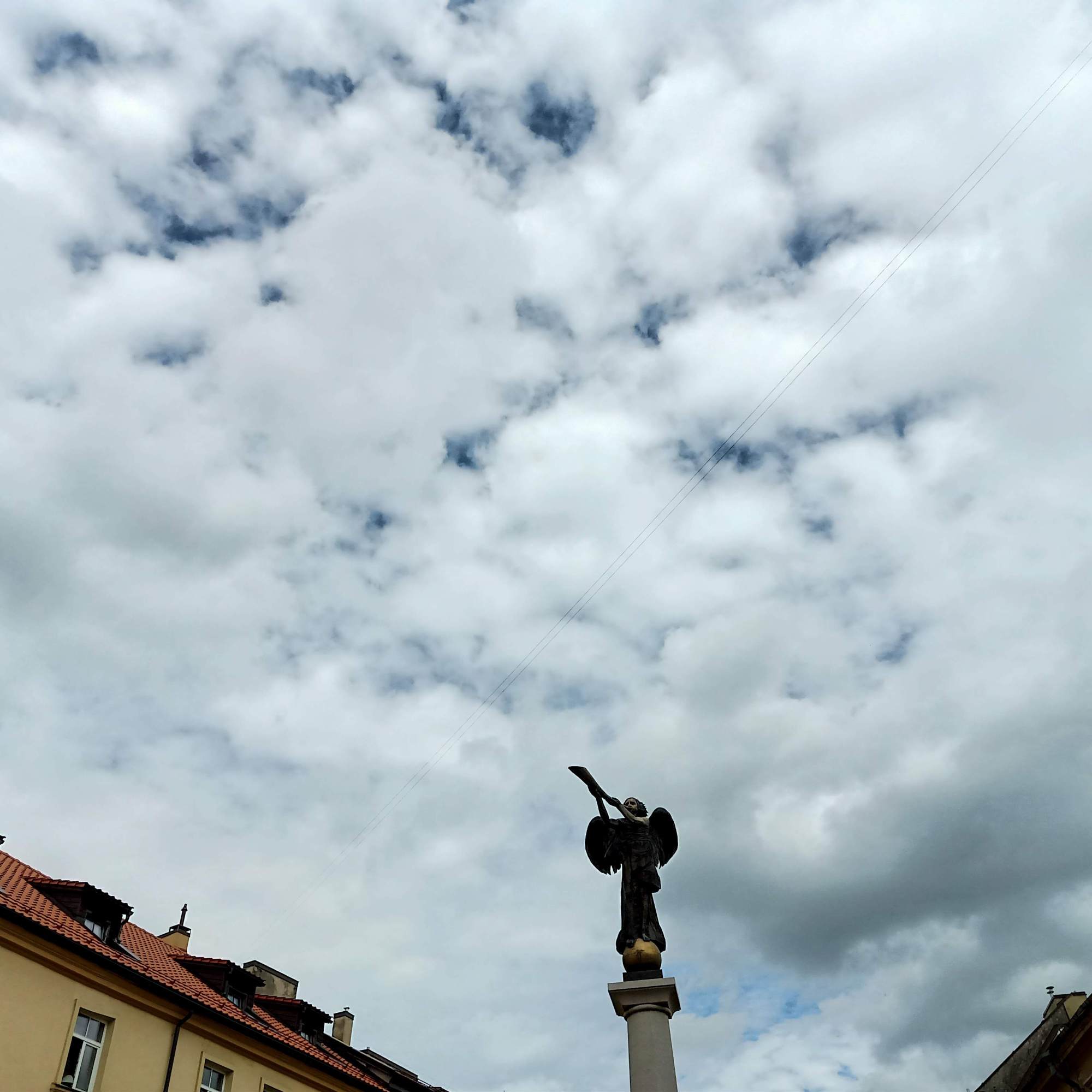
Vilnius is also famous for its street art, there was a mural of Trump and Putin locking lips in Pylimo street, however it has since been removed, despite this Pylimo street is a treasure trove of street art. Some houses in front of the central market hall also have their walls embellished (with street art ofcourse). No journey to Vilnius is complete without a visit to Uzupis, the statue of the Uzupis angel overlooks the entire neighborhood. Old and dilapidated houses line the streets giving it a quaint and vintage look, stop at the Uzupis constitution and laugh your heads off at the fundamental rights listed there one of the most infamous is – “Every dog has a right to be a dog“. Uzupis somehow reminds me of Christiania (a neighborhood in Copenhagen), but that’s a story for another day.
Apart from this, there are other notable places in and near Vilnius like the Museum of Occupation, Money Museum, Toy Museum and Trakai – a beautiful castle in the middle of a lake about half hour away from the Old Town.
Things to Eat
Pork and Potatoes are the staple of Lithuanian cuisine. Cepelinai (Zeppelins) is the national dish of Lithuania – potato dumplings stuffed with minced pork, makes it akin to the heavenly shepherd’s pie. Other than this, they have a lot of soups like the Cold Beet Soup and the borscht soup. I haven’t had much time to explore the gastronomic enclaves of the city, there isn’t much one can do in a couple of hours. However from my limited experience, Lithuanian cuisine is not very different from its Latvian counterpart.
How much does it cost
Vilnius is towards the lower end of the expense spectrum. A single meal will cost you about 7 euros in a decent place. They have adopted the euro, so in case you live in the EU and your country has adopted the euro, it is easy for you to just walk in without worrying about exchanging the currency. Not all places in the city accept card payments though, so be sure to carry some paper money. The day trip had cost me about 50 euros (all inclusive).

 Quantum Explorer
One thought on “Vilnius”