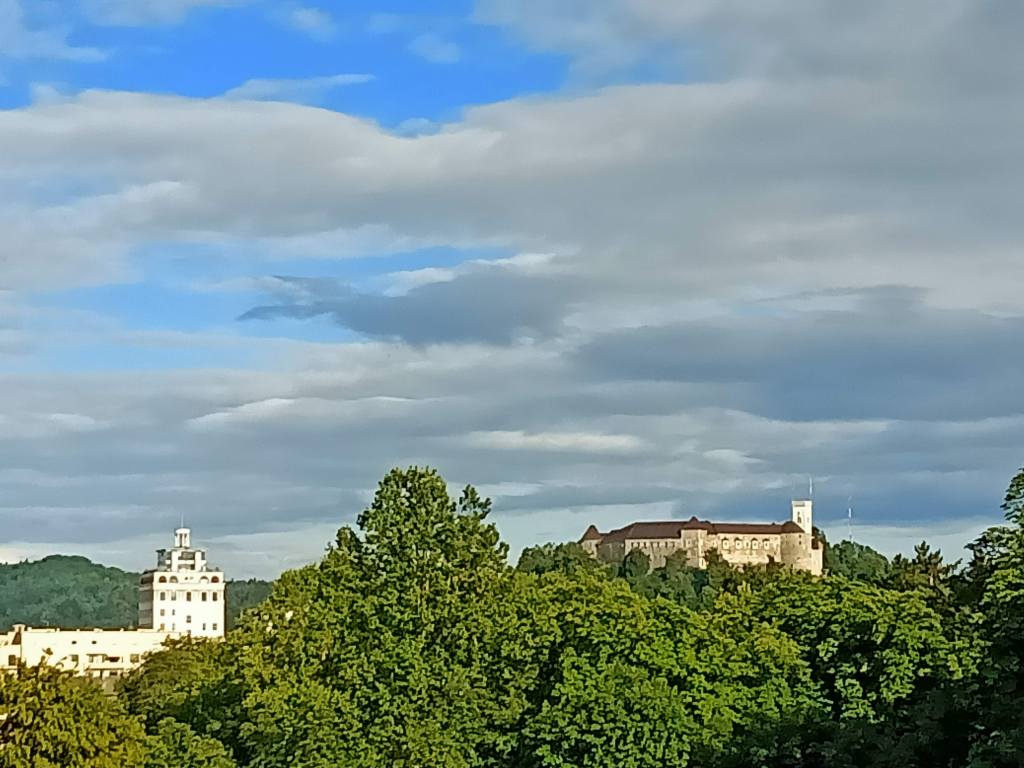
The capital of Slovenia was once an important trading hub of the erstwhile Austro-Hungarian empire. The crystal clear waters of Ljubljanica passing through its old town and the mighty hilltop castle keeping a watchful eye on the residents below. This capital city has been inhabited since antiquity (i.e. the Roman times).

How to get there
The capital is well connected to the neighboring states of Hungary, Croatia and Slovakia, by land, rail and air routes. It also has an international airport, which caters to traffic from major western european cities like Frankfurt, Munich, London and Paris. The railway station in the city connects it to all the germanic states (Vienna, Switzerland and Germany) as well as Hungary. I had taken a bus(Flixbus) to Ljubljana from Budapest. The five hour long journey takes you through Maribor and a couple of other small towns along the border.
Where to Stay
The old town, Tivoli park, Republic square are popular neighborhoods to stay in. Since these are close to the tourist spots, you can easilty walk to all major interest points. I had stayed in Hostel Tabor which is very close to the train station and about 500 metres away from the center of the Old Town (Preseren Square), its centrally located and yet in a quiet neighborhood.
How to Commute
It is advisable to cover Ljubljana on foot, all the popular tourist attractions are within a radius of 2 k.m. from the Old Town center. There are however extensive bus routes which connect every corner of the city. A single bus ride costs about 1 euro.
Things to See

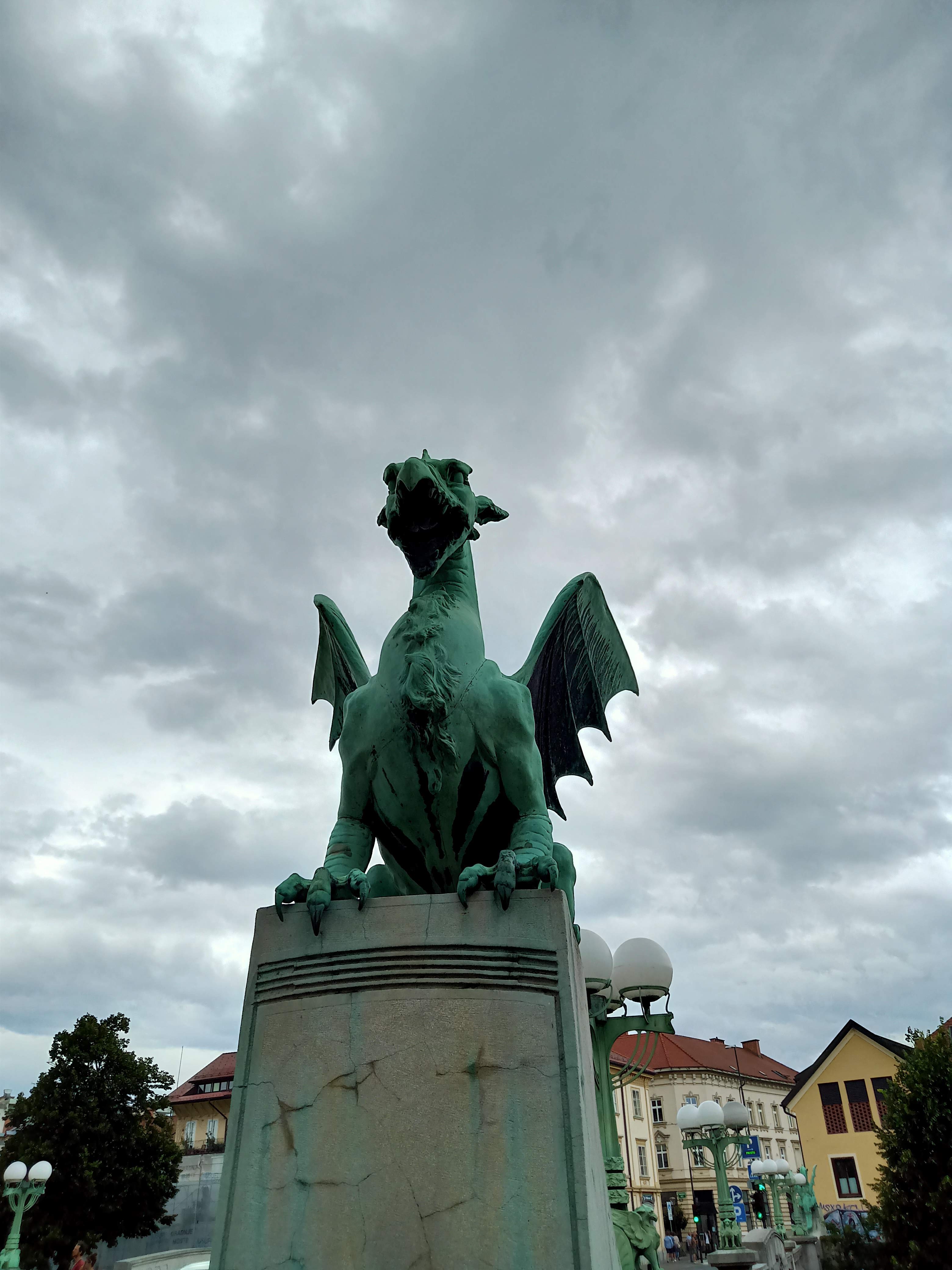
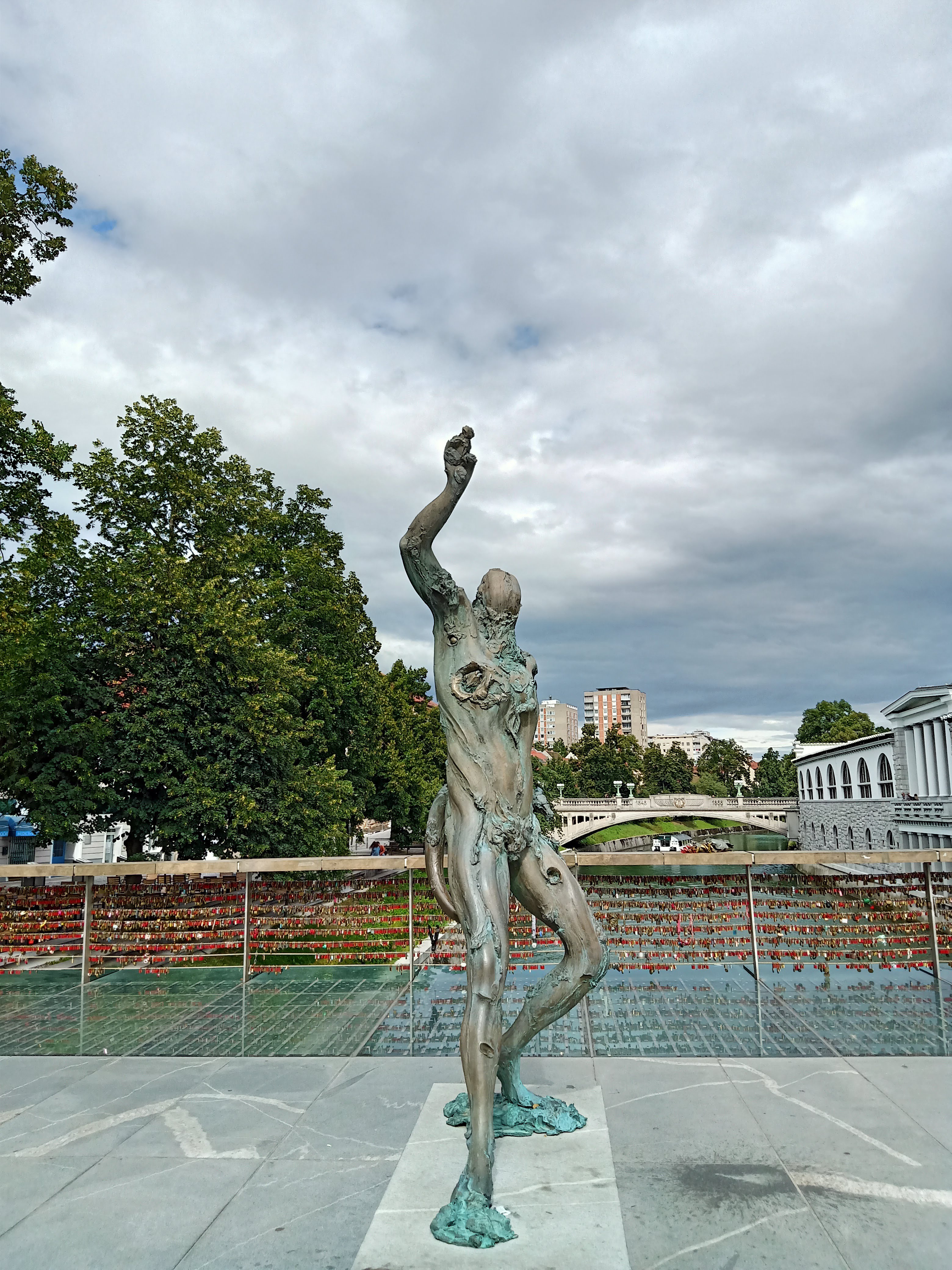

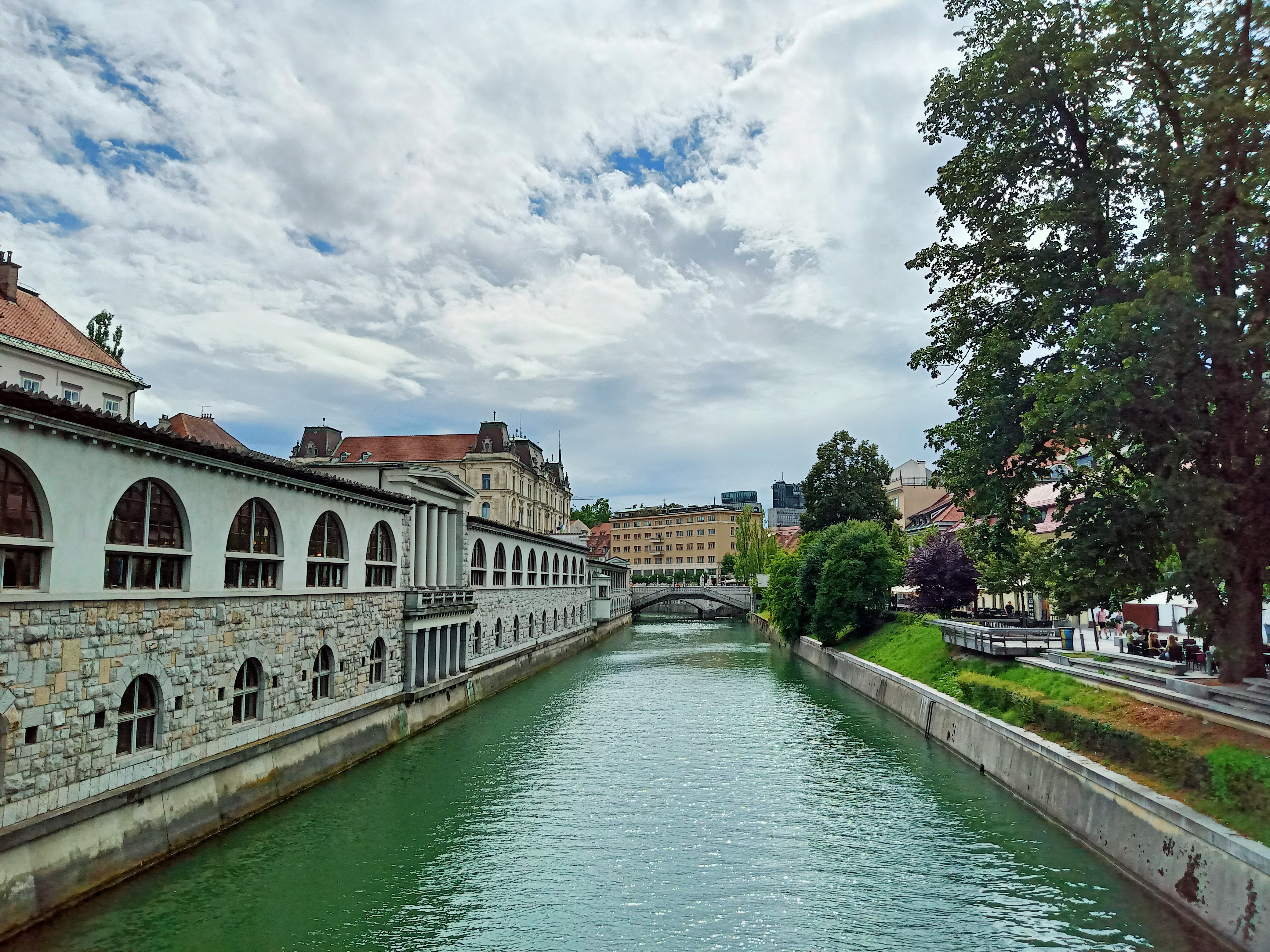
Commence your journey at the Dragon bridge, it is one of the most photographed places in Slovenia. Four statues of the mythical beast adorn four corners of the bridge, to the right of the bridge lies the Central market, Open air market, Preseren Square and Triple bridge, while on its left, is the less crowed part of the old town. You can amble along this side of the bridge, following the course of the Ljubljanica. Cross the bridge and turn towards your left, you are now about to enter the most crowded part of the Old town. The central market, which has a lot of shops selling local fares, in front of the central market is the Open air market where farmers sell their fresh produce. It also has a lot of food trucks and food stalls churning out local delicacies.
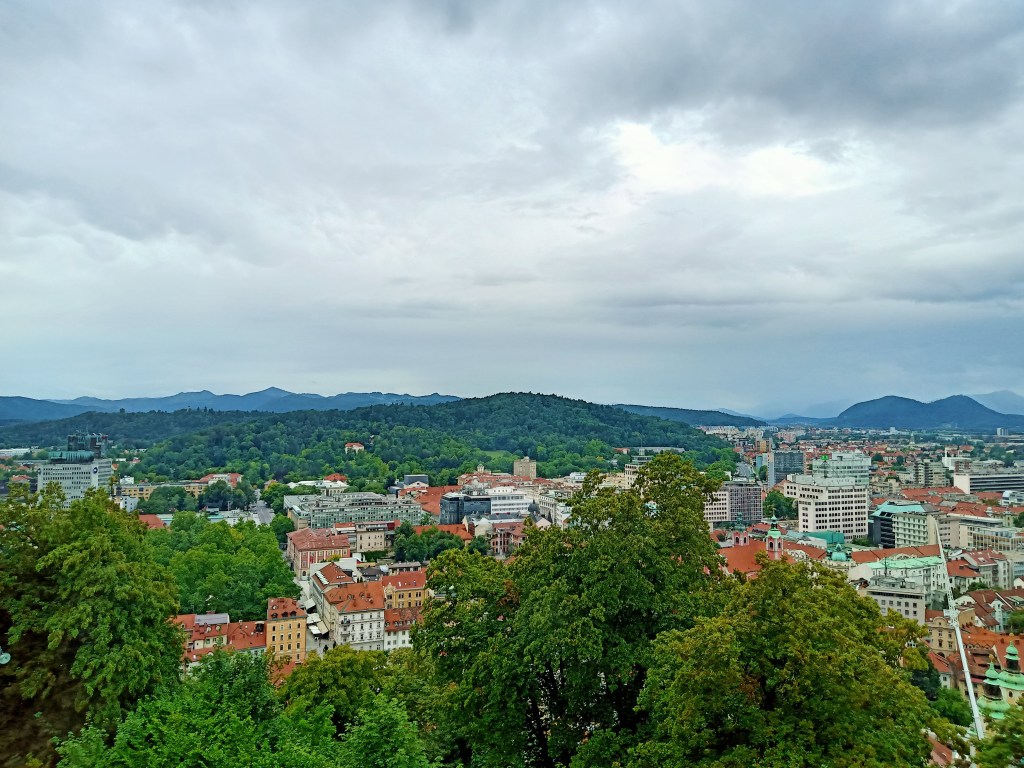
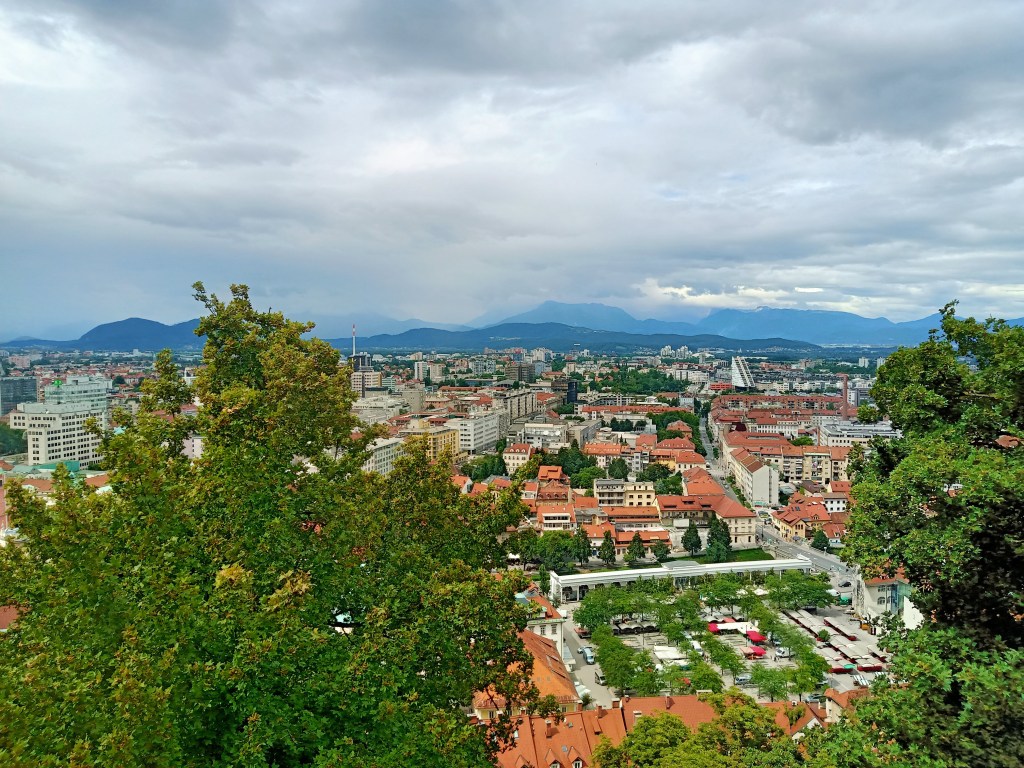
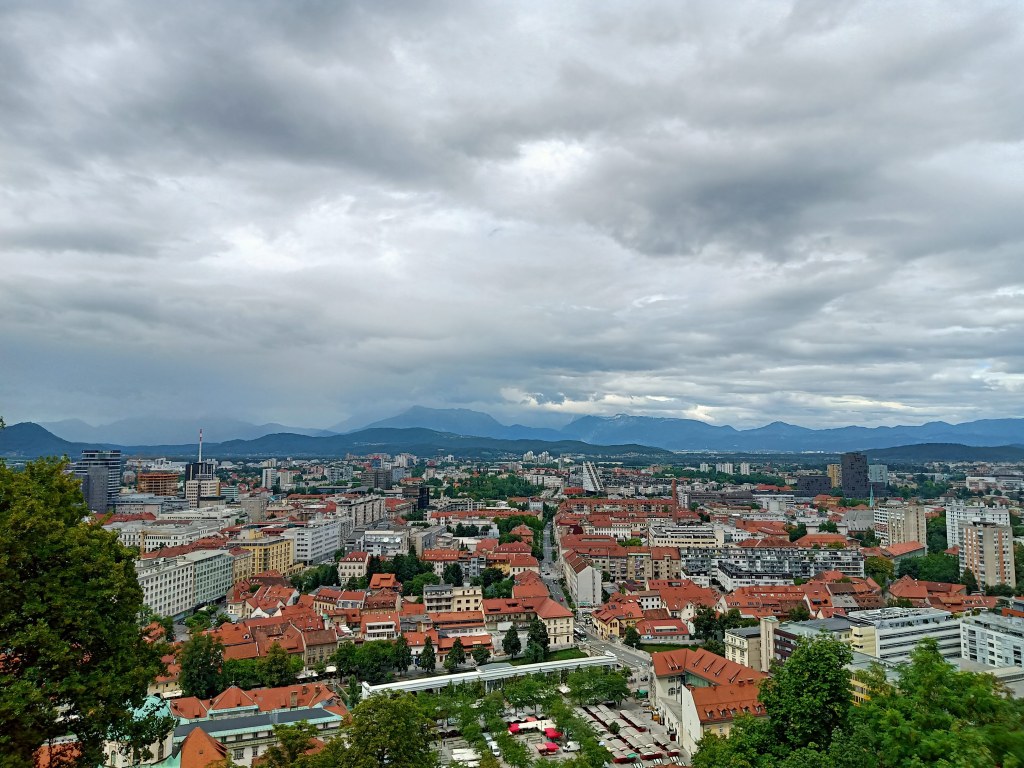
At the opposite end of the central market is the entrance to the castle, you can either take the funicular to the top, or climb using steps along the hill side. It isn’t a very steep walk to the top, once near the top you will be able to gaze below in order to get a bird’s eye view of the entire city. Marvel at the agglomeration of green spaces and brick tiled roofs, with the hills embellishing the horizon, the entire scene looks straight out of a fairy-tale. There are several medieval museums which you can visit on top, there are also several turrets and watch towers which you may climb to get further up and get a panoramic view of the surroundings. During the summer months, there is also a regular open air movie screening on top of the castle, be sure to check the ticket counters for more information.
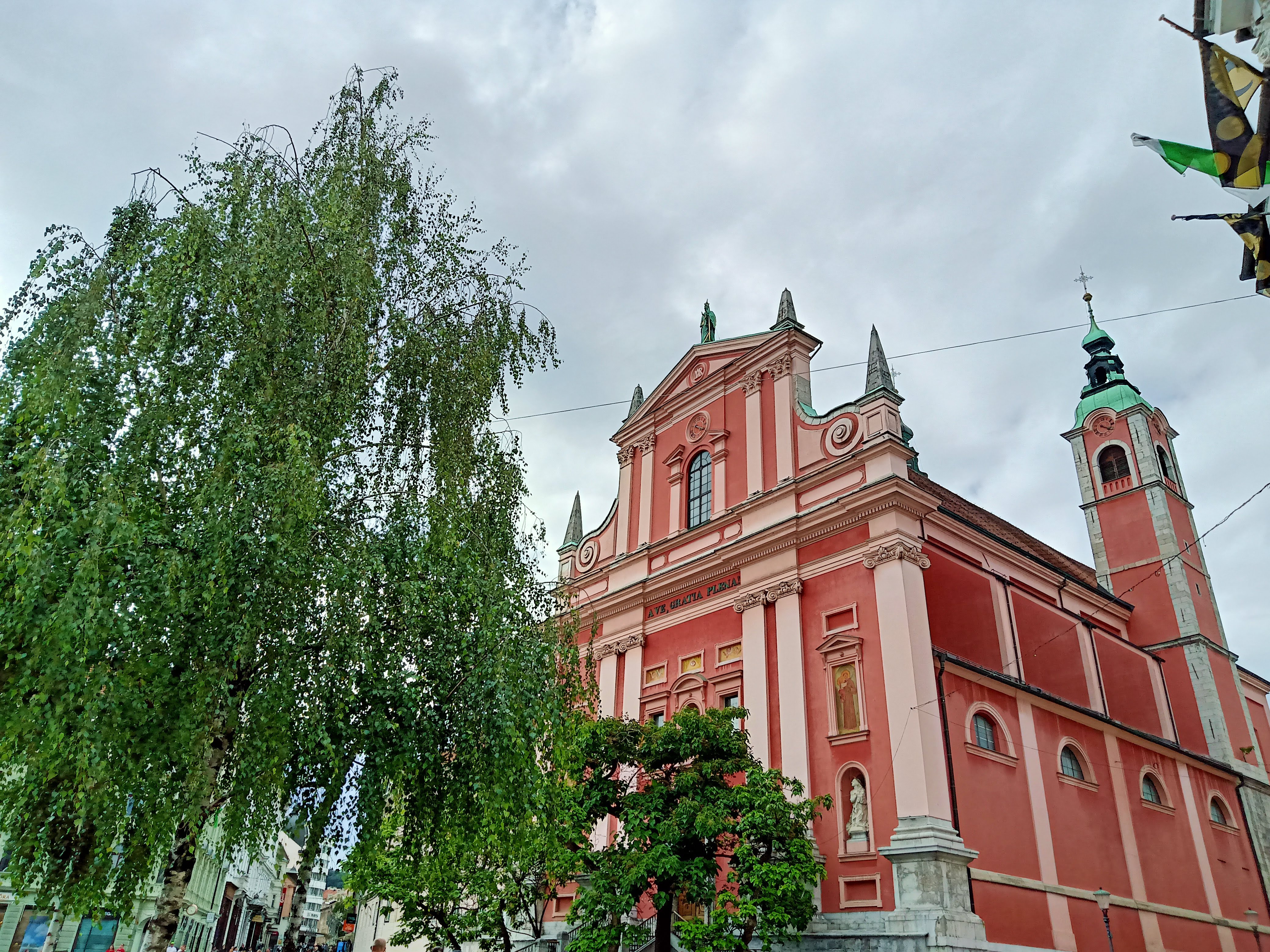
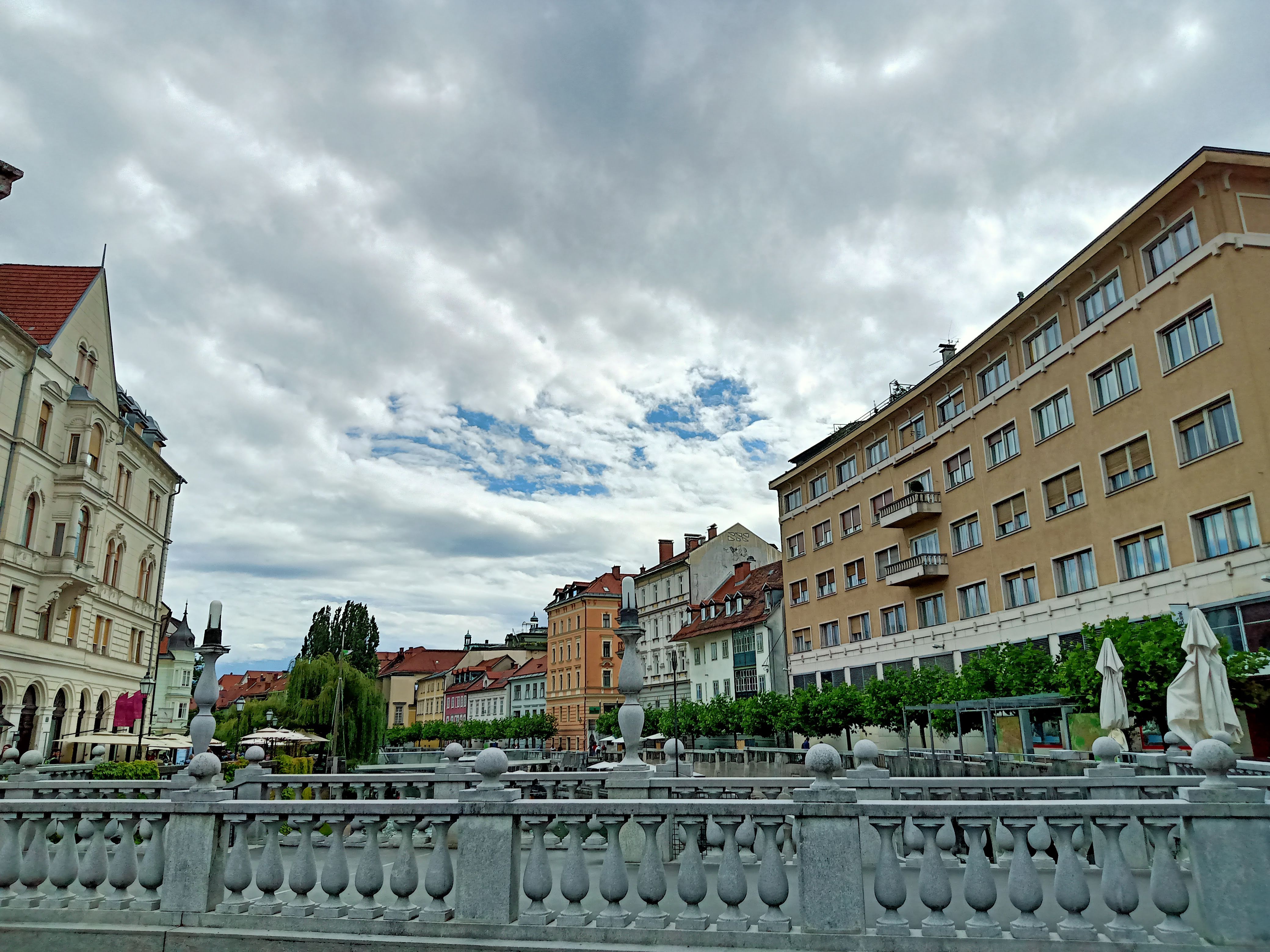
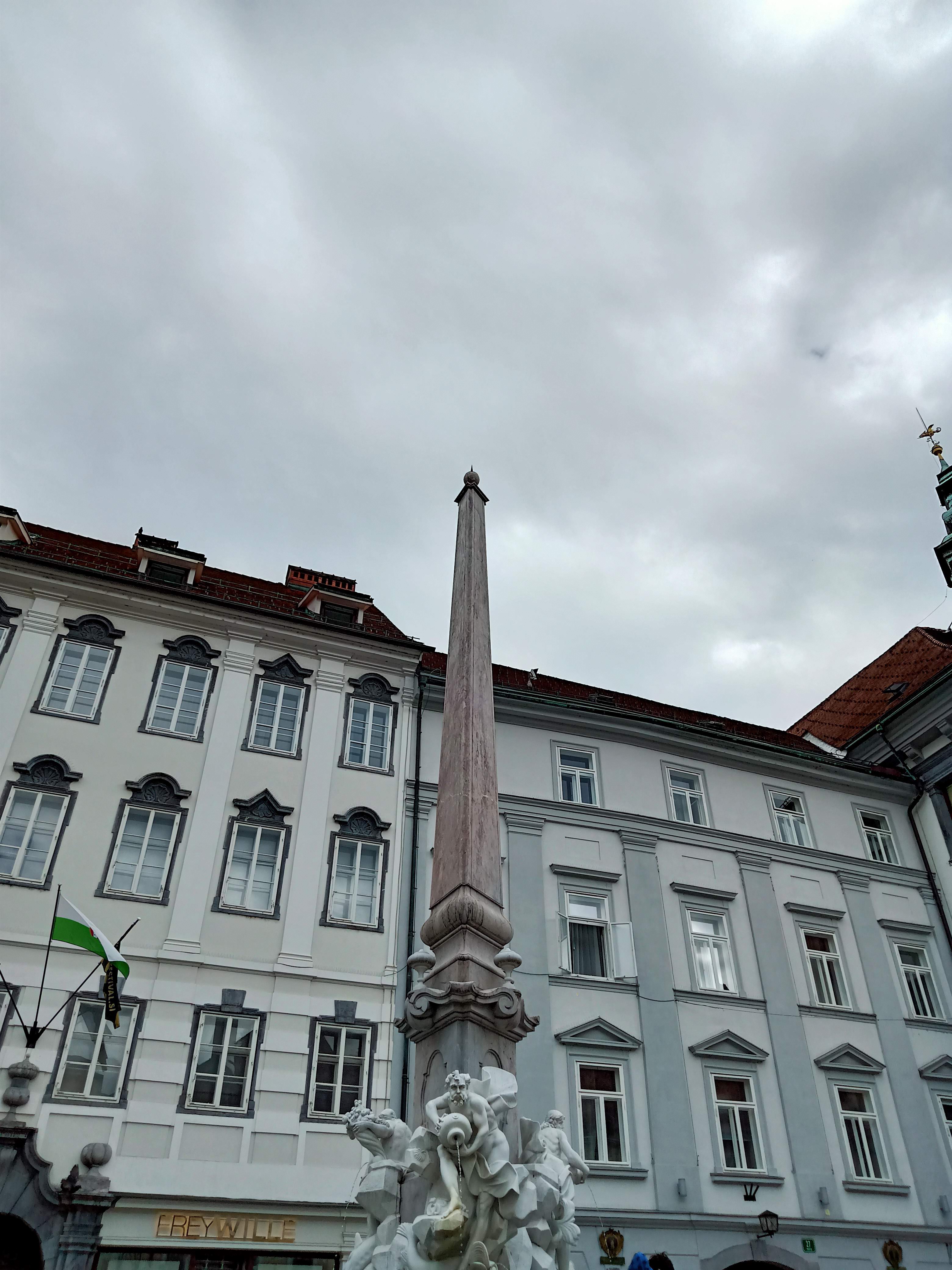
Clamber down from the hill and walk towards the fag end of the central market, you will arrive at the Triple Bridge and the Preseren Square. In the vicinity of the square you can find other important landmarks like the Town Hall, Robba Fountain (reminiscent of the Fountain of Neptune in Rome), the Fransican church and the Cathedral.
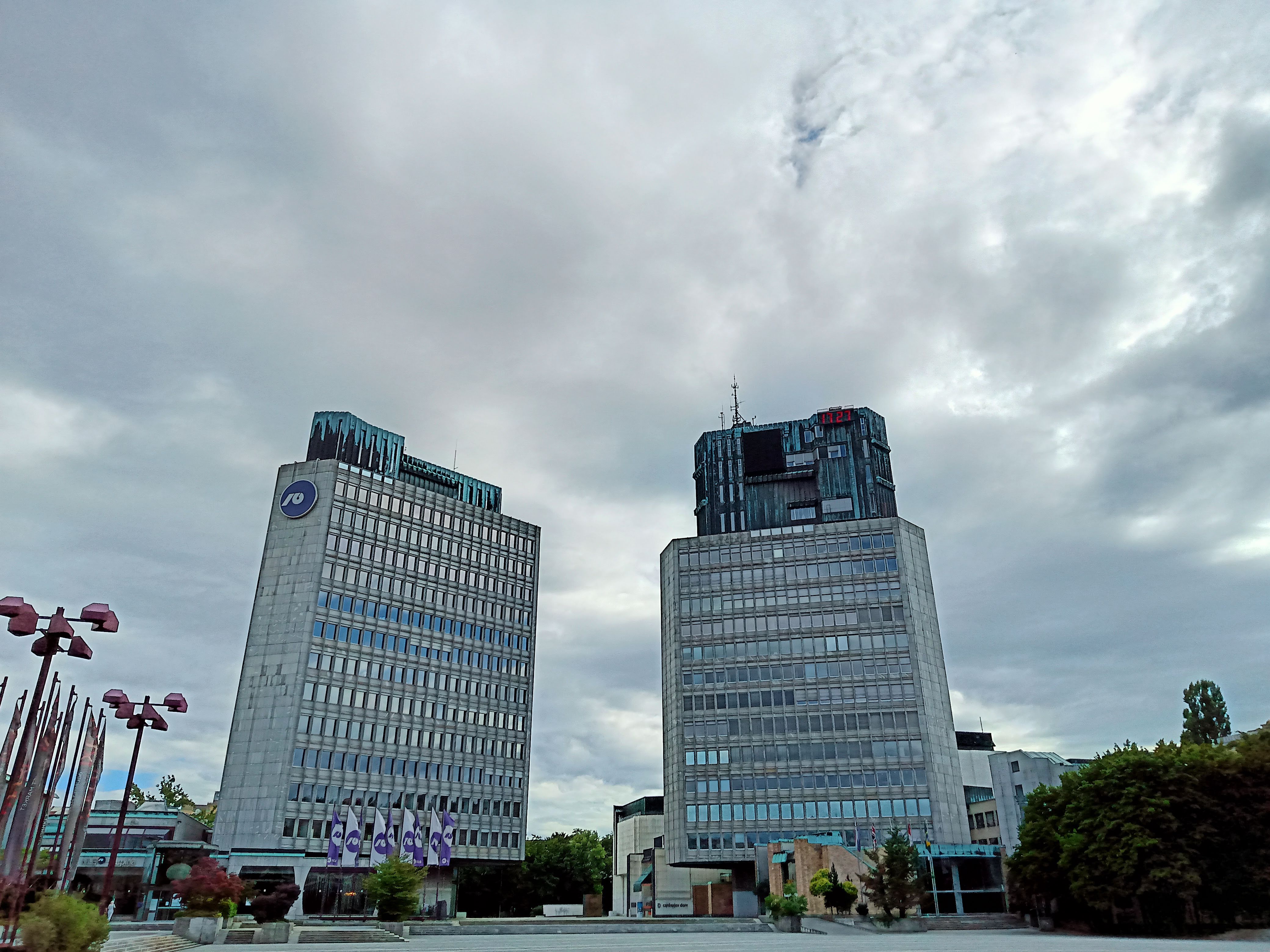
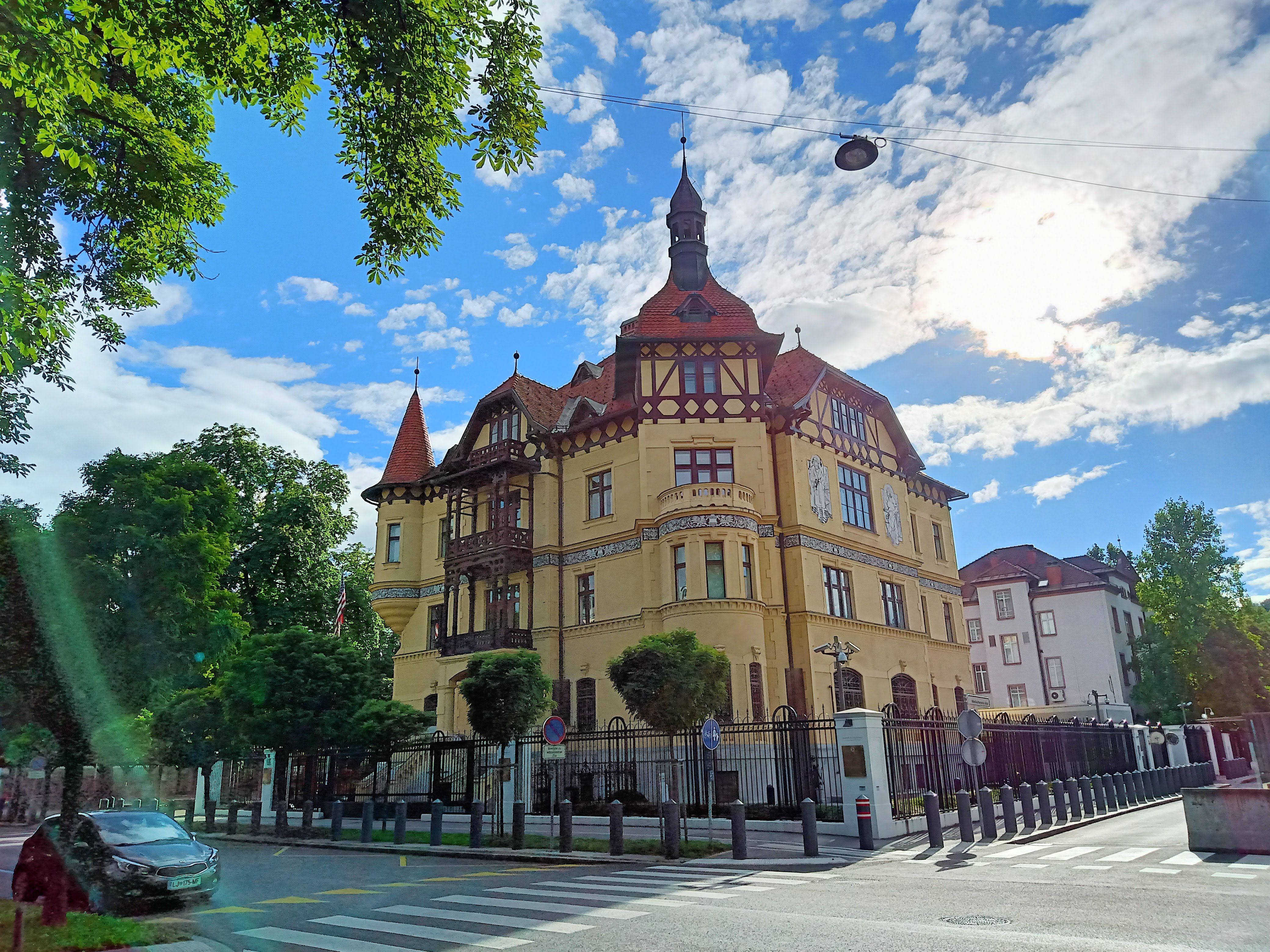
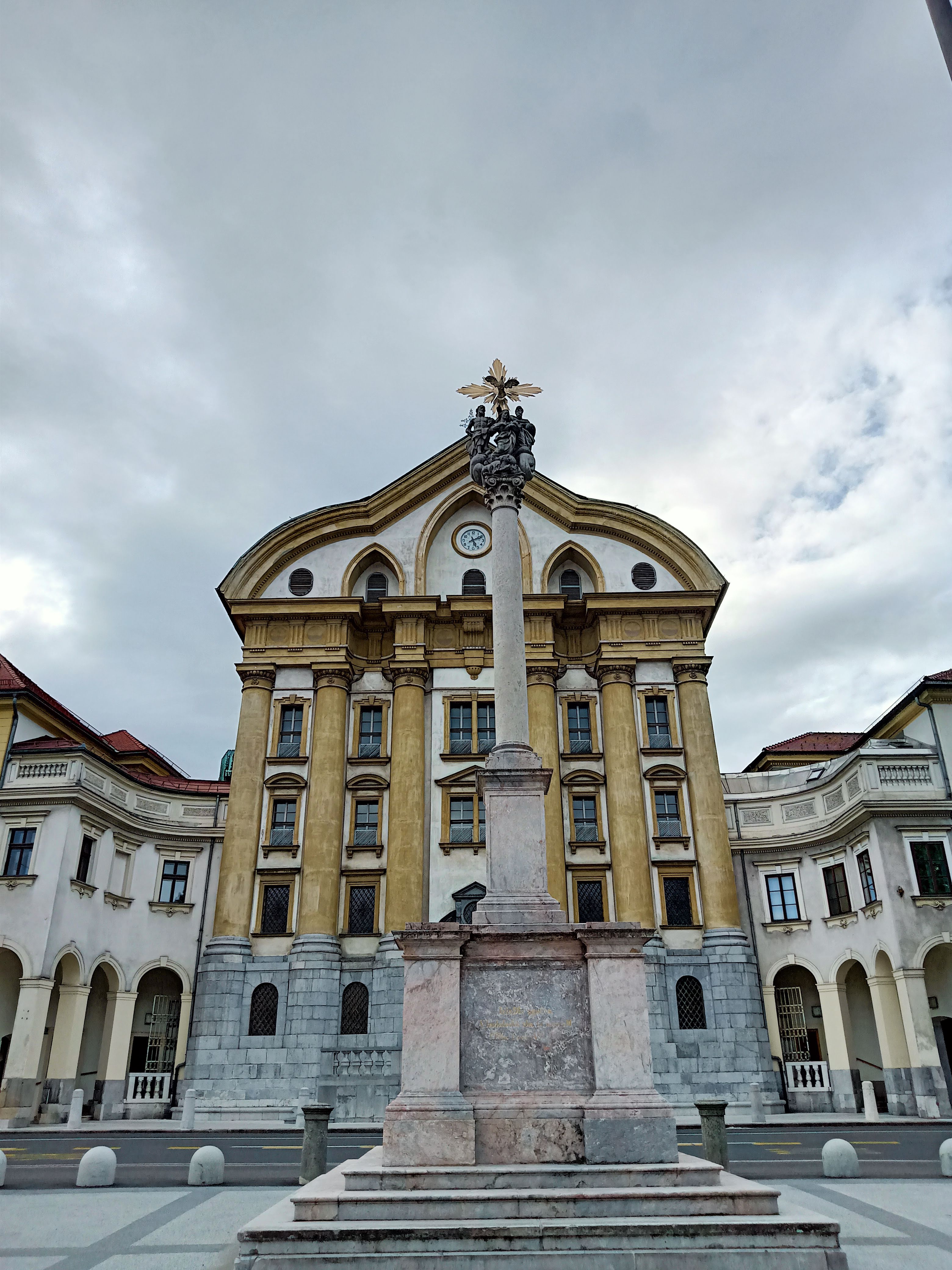
From the Preseren square follow any fork in the road, they all lead to different destinations. One of them leads to the Congress Square, Republic Square and the National Museum. One of them leads to the Tivoli park and Jose Plecnik’s house. The congress square is near the University and it has a lot of open spaces surrounding it. The Republic Square, contains two imposing Soviet era towers, it was the hotspot of Slovenian struggle for independence. The National Museum catalogs artifacts which reveal the city’s Roman origins, there is also a section dedicated to the pre-historic period. It is here you can find the world’s oldest flute (made of animal bones), its dated to be more than 60 thousand years old.
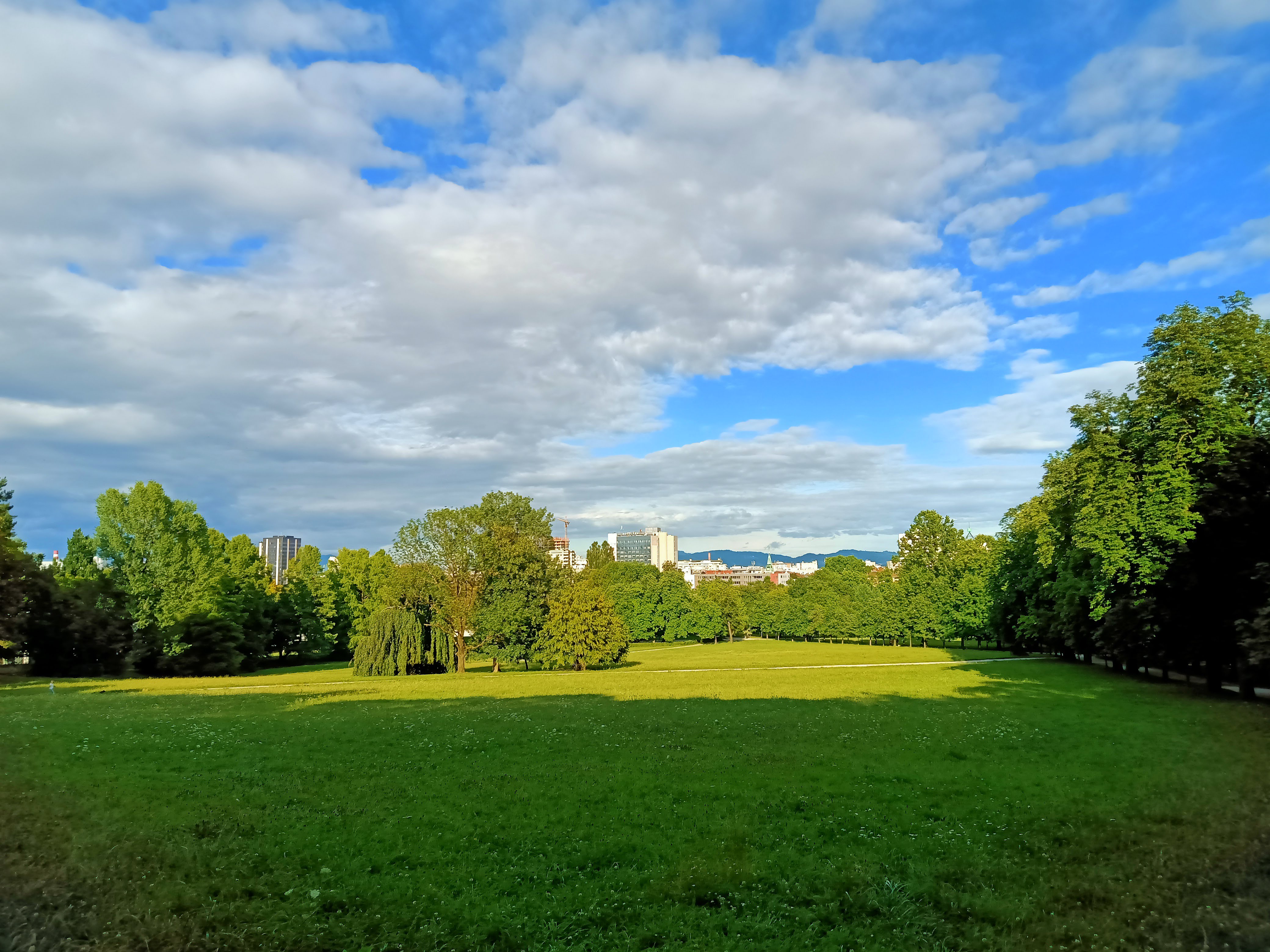
The Tivoli park is the largest open space in the metropolitan area, it has the Museum of Modern art at its entrance, the Museum of Slovenian History towards one end and the Contemporary Print Art museum at its centre. The perfect way to end your day in the park is to have a delectable horse meat burger at Hot Horse, which is situated close to the Slovenian History Museum.
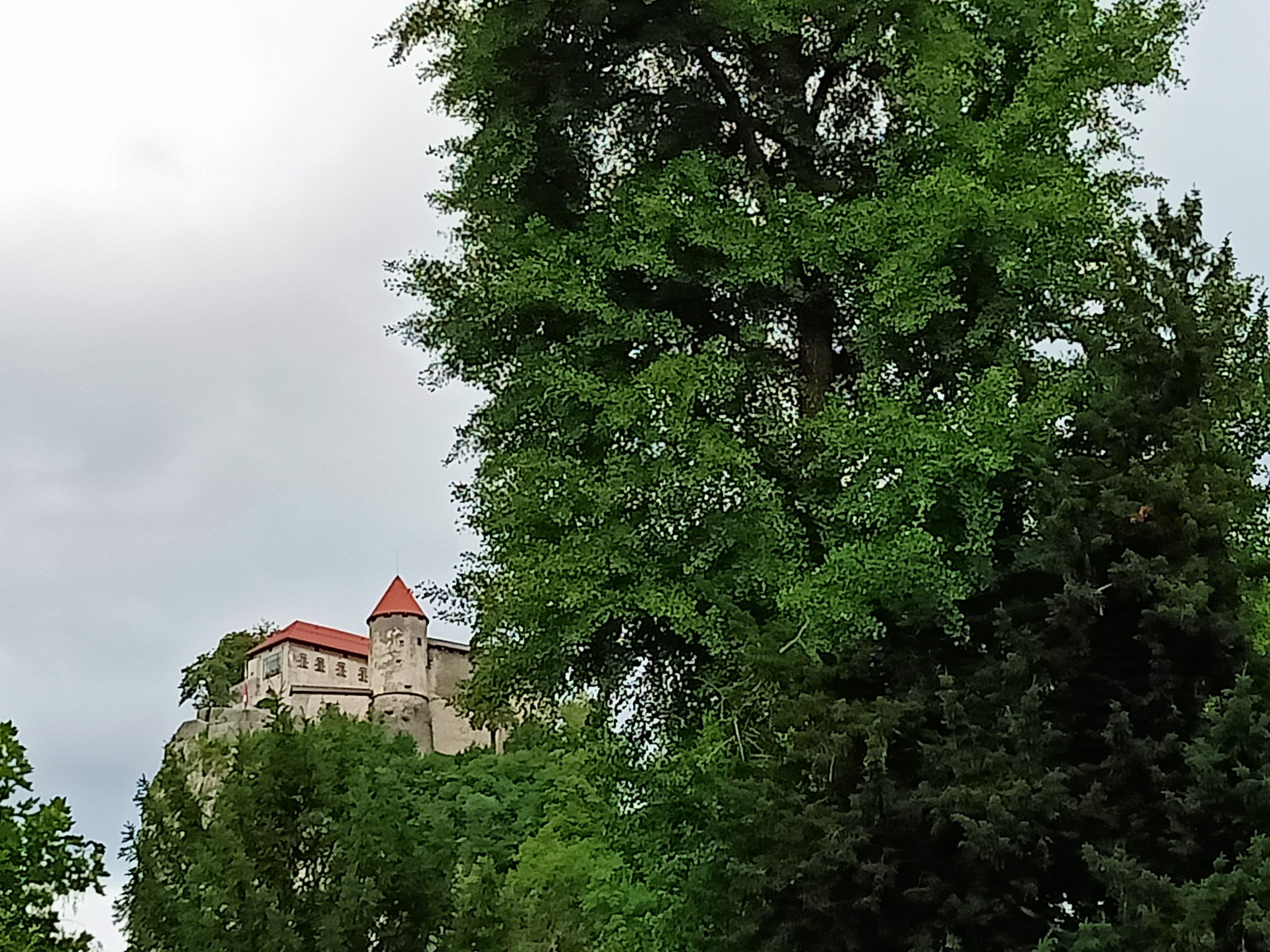
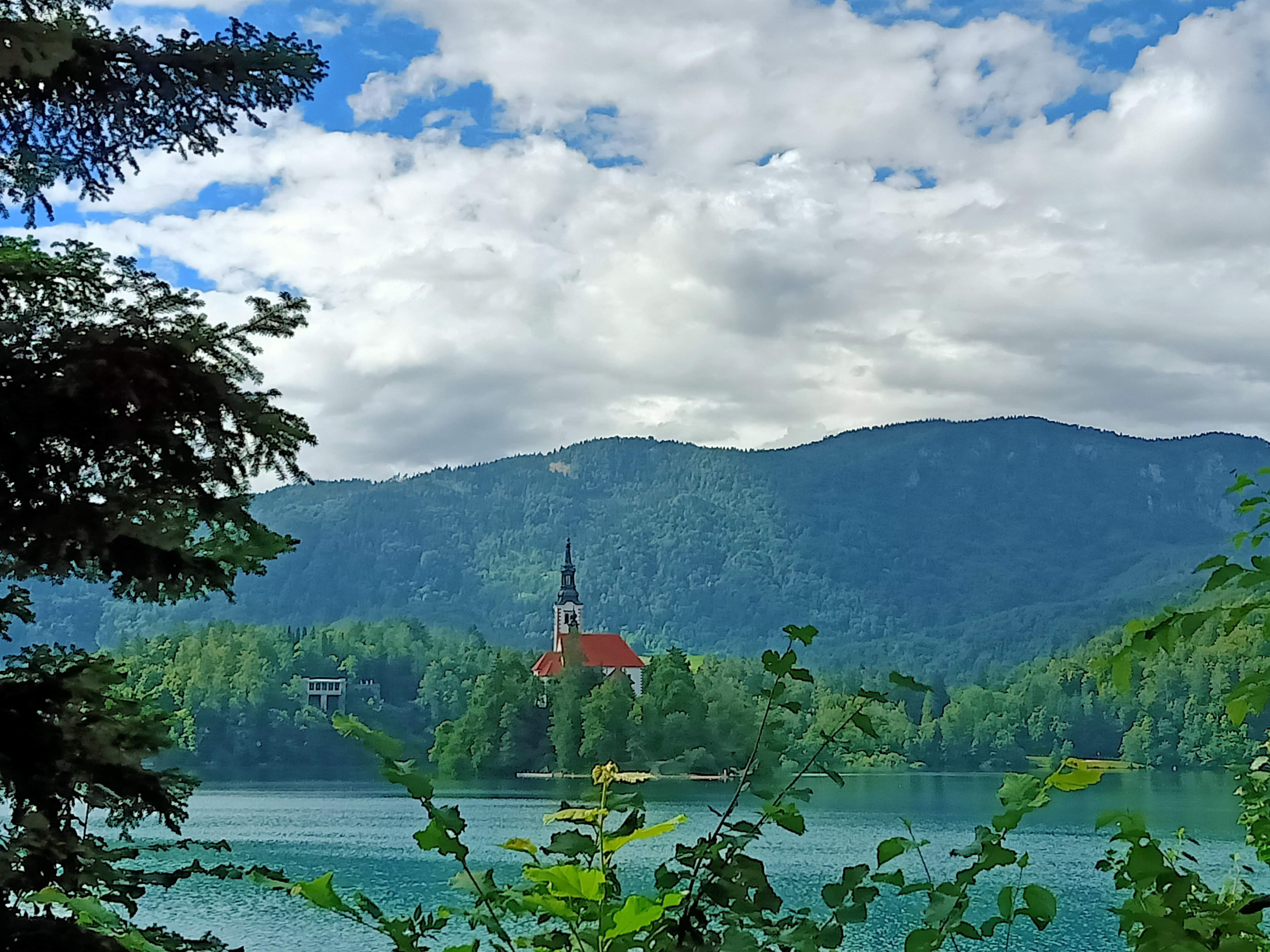
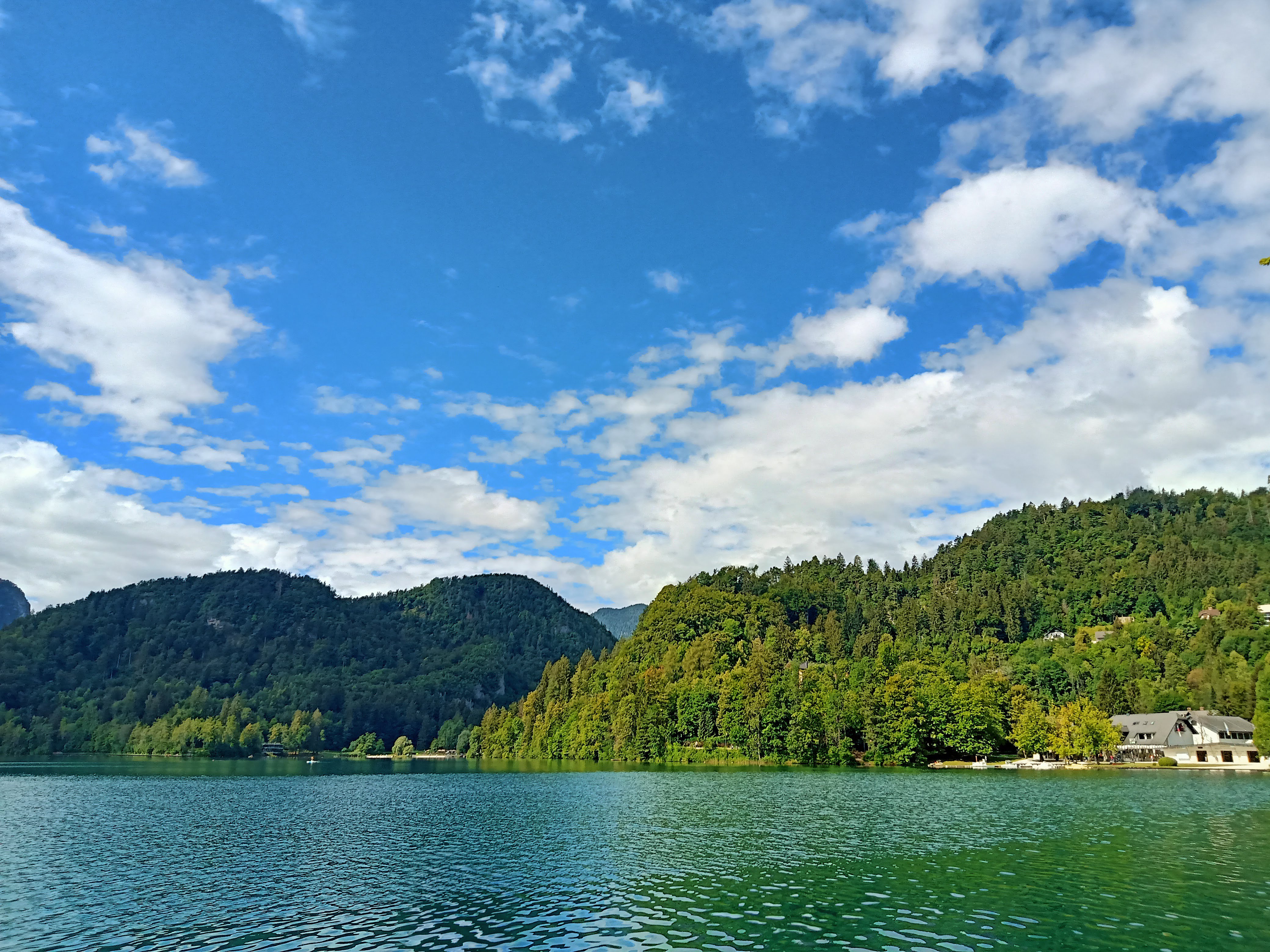
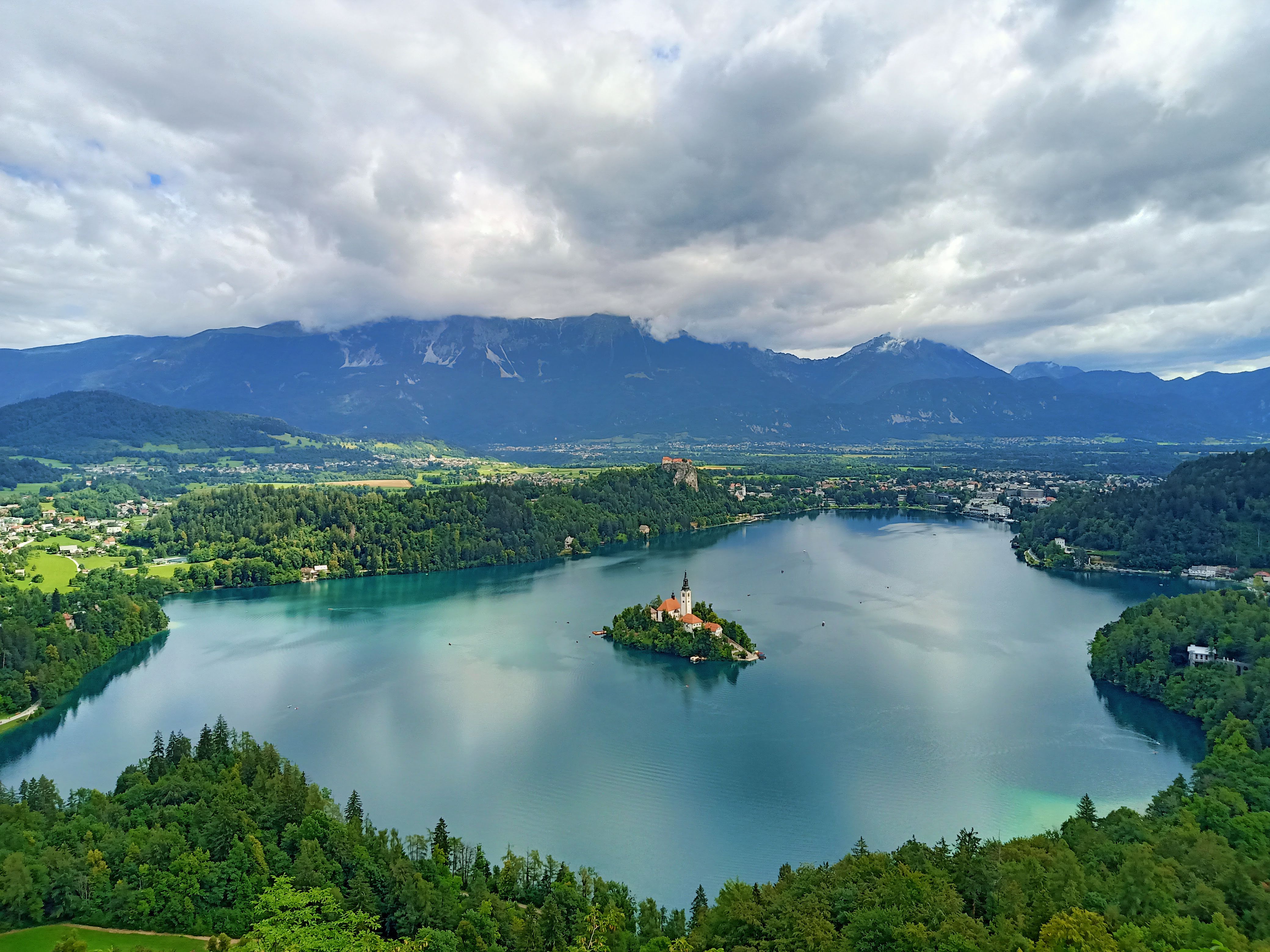
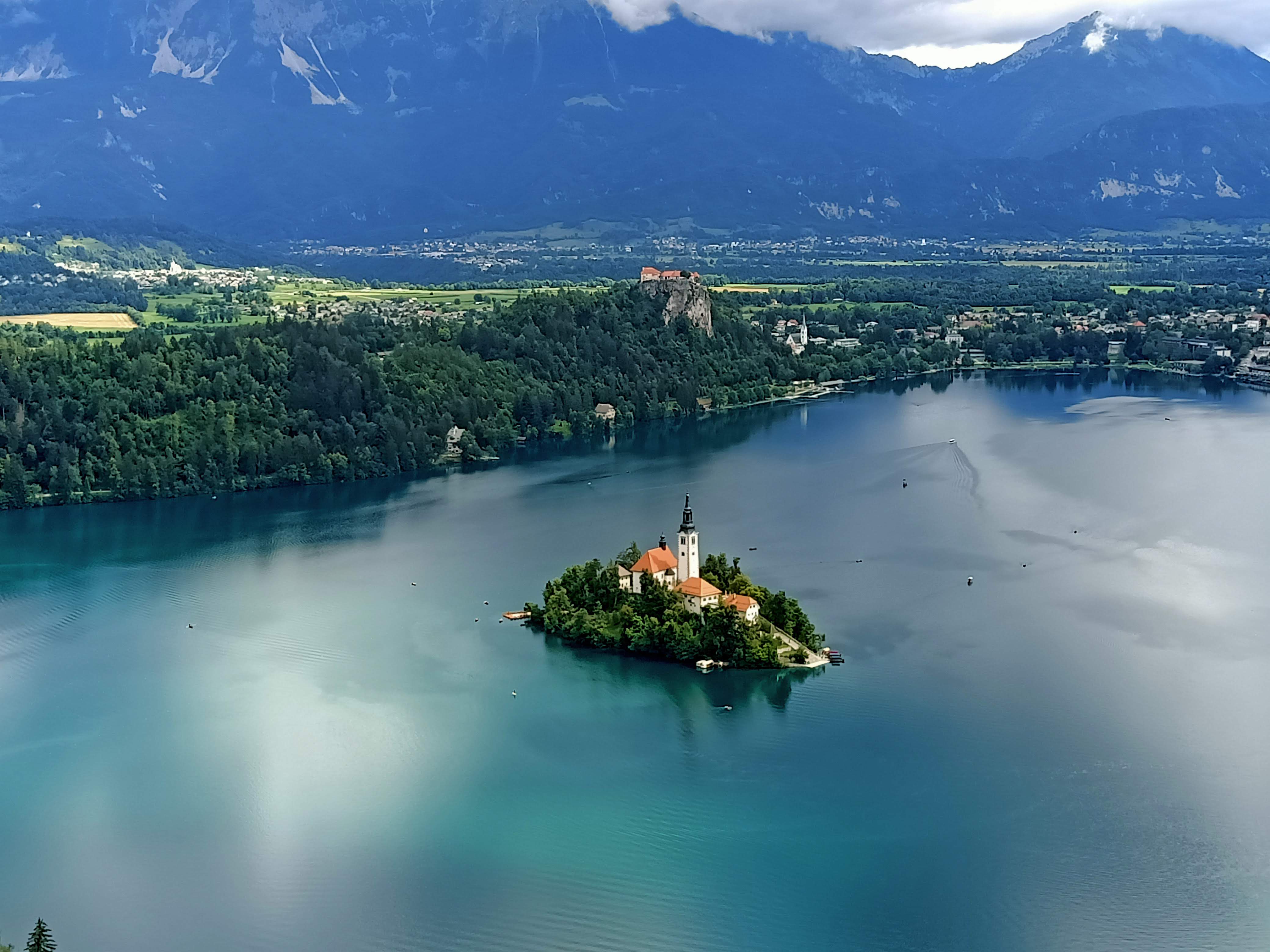
An hour’s drive from Ljubljana is Lake Bled, where you can witness nature in its ultimate majestic glory. It is a small tourist town, which has a lake at its center, there is an island in the middle of the lake which has a church. The lake is circumscribed by lush narrow hills, on one of these hills is the Bled Castle. You can easily spend half a day here walking along the banks of the lake, taking a boat ride to the island and taking the steps up to the castle. For the best views of the lake and the surrounding verdant landscape go on a hiking trip, its a steep climb to the top and the road passes through forests and muddy puddles. But once at the top, the view is absolutely worth the climb.
Things to Eat
Slovenian cuisine has strong Italian and Balkan influences, perhaps a lasting relic of its chequered past. From the traditional Sausages (Klobasarna), Soups (Gujzina), Fried Chicken, Goulash to exotic meats like Beef Tongue and Horse meat (from Hot Horse), Ljubljana covers the entire spectrum of gastronomic delights. It has a popular cake culture, with many bakeries offering spongecakes lathered with cream, cheese cakes and marble cakes.
How much does it cost
Slovenia is very light on your purse, it is one of those places which makes you wonder how on earth do they manage to keep the prices so low while offering such high quality services. The euro has been officially adopted by Slovenia since 2007. A single meal in a decent place will cost you around 7 euros. Credit cards are also accepted in all major places with the exception of small, food stalls and street vendors. There are quite a few currency exchange places in and around the Old Town especially along the road leading from the train station to the centre of the town. The entire 2 day trip cost me about 130 euros.

 Quantum Explorer