The land of the Vikings and once the seat of power in Scandinavia, this nordic capital is located at the cusp of the North Sea. Home to luminaries like Hans Christian Andersen and Hans Oersted, the Danish capital has been the center of flourishing art, culture and innovation for many centuries now. Lego is perhaps their most easily recognizable contribution to the world.
How to get there
The capital city is very well connected to other Nordic countries via sea and air routes and sometimes by land (Sweden via Malmo). It is also connected to other countries in continental Europe and the rest of the world, through the Copenhagen International Airport. I had taken the Flixbus from Hamburg to Copenhagen, it takes about 5 hours and offers breathtaking views of the archipelagoes enroute.
Where to Stay
I didn’t stay in Copenhagen, I was there for a day trip (a long stopover) on my way to Oslo. However, some of the popular areas to stay are – Norrebro, Old Town, Christianhavn and Nyhavn. Like all nordic countries, it is on the higher end of the expense spectrum, so be ready to fish out atleast 50 euros a night in a decent hotel which is centrally located.
How to Commute
Copenhagen is one of the most bicycle friendly cities on the planet. The government has invested a lot in building dedicated cycling tracks and other supporting infrastructure around the metropolitan area. The Old Town (Stroget), NyHavn and ChristianHavn can be easily covered on foot, these constitute the lion’s share of all major tourist attractions. There is also regular metro, bus, train and ferry services which connect the city with its suburban areas, it has one of the most efficient public transport networks in the world.
Things to See
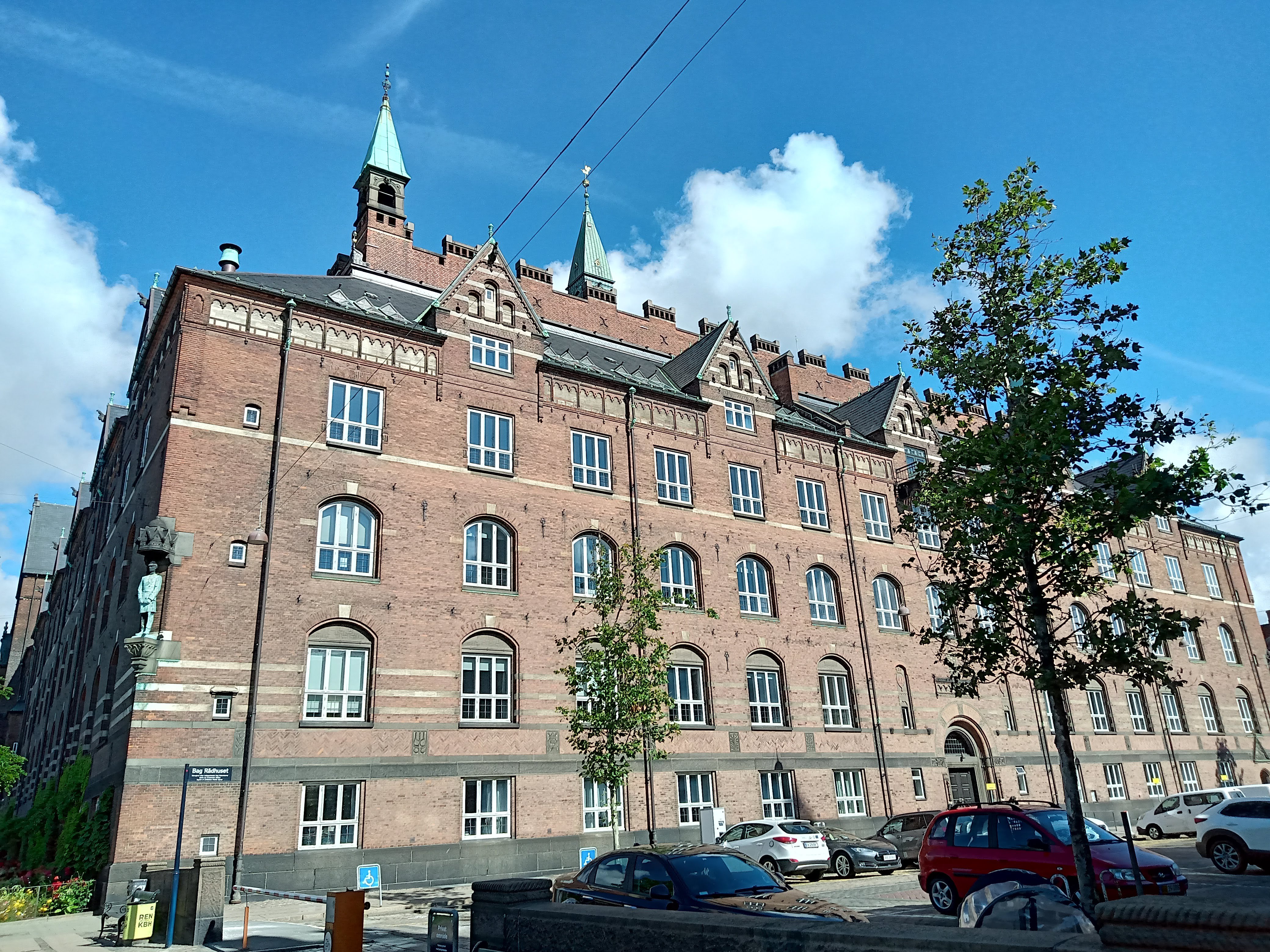
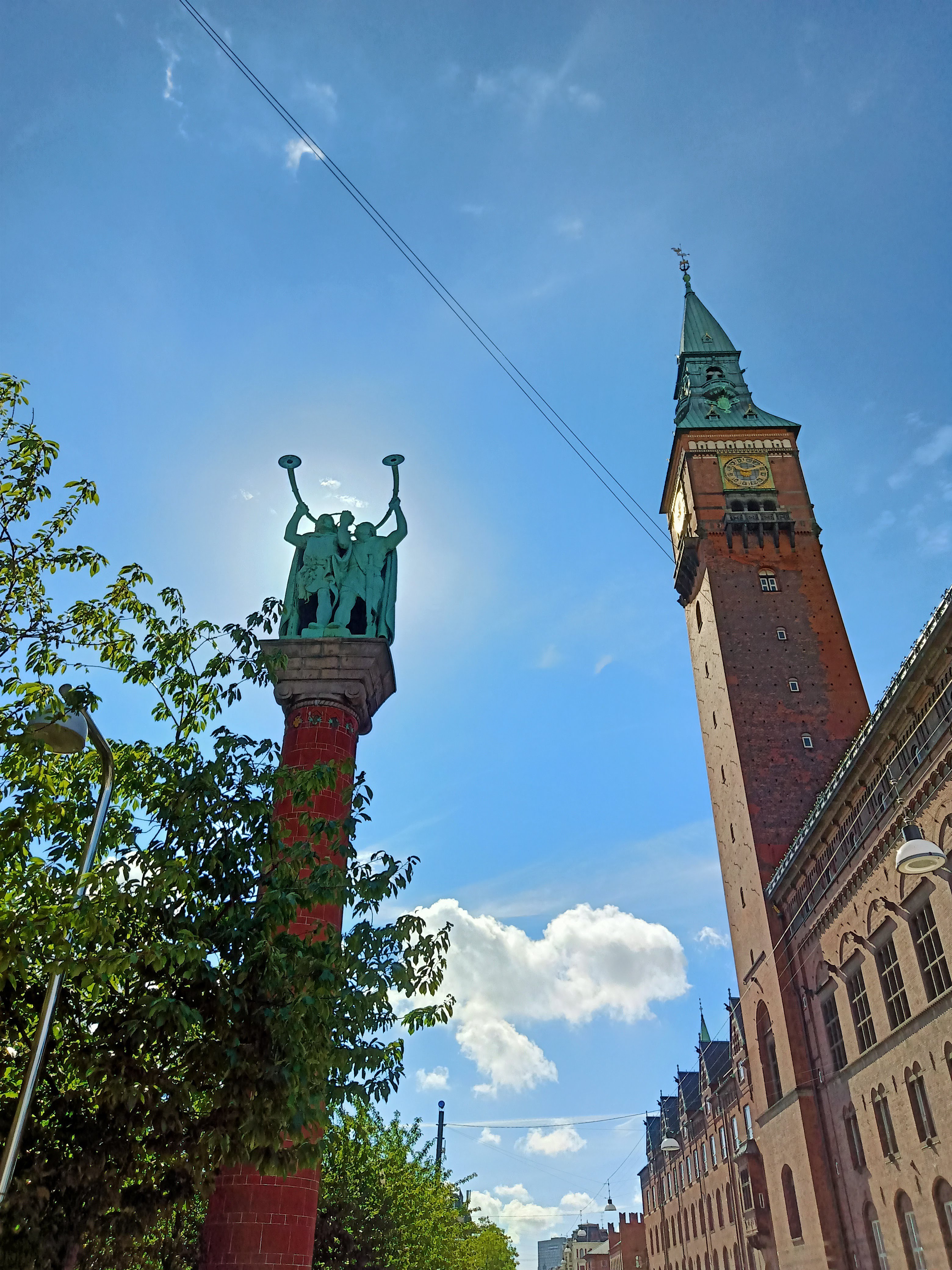
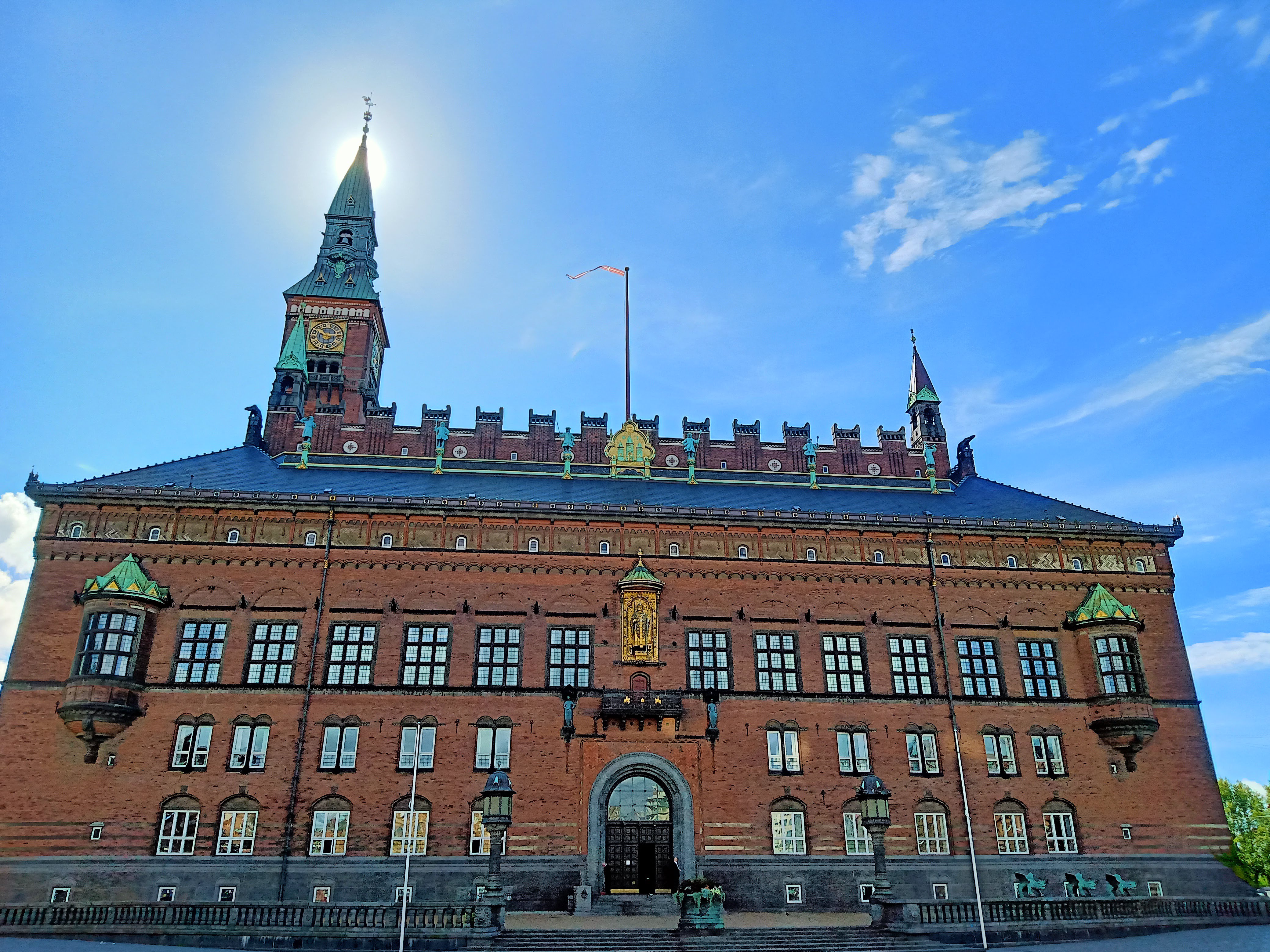
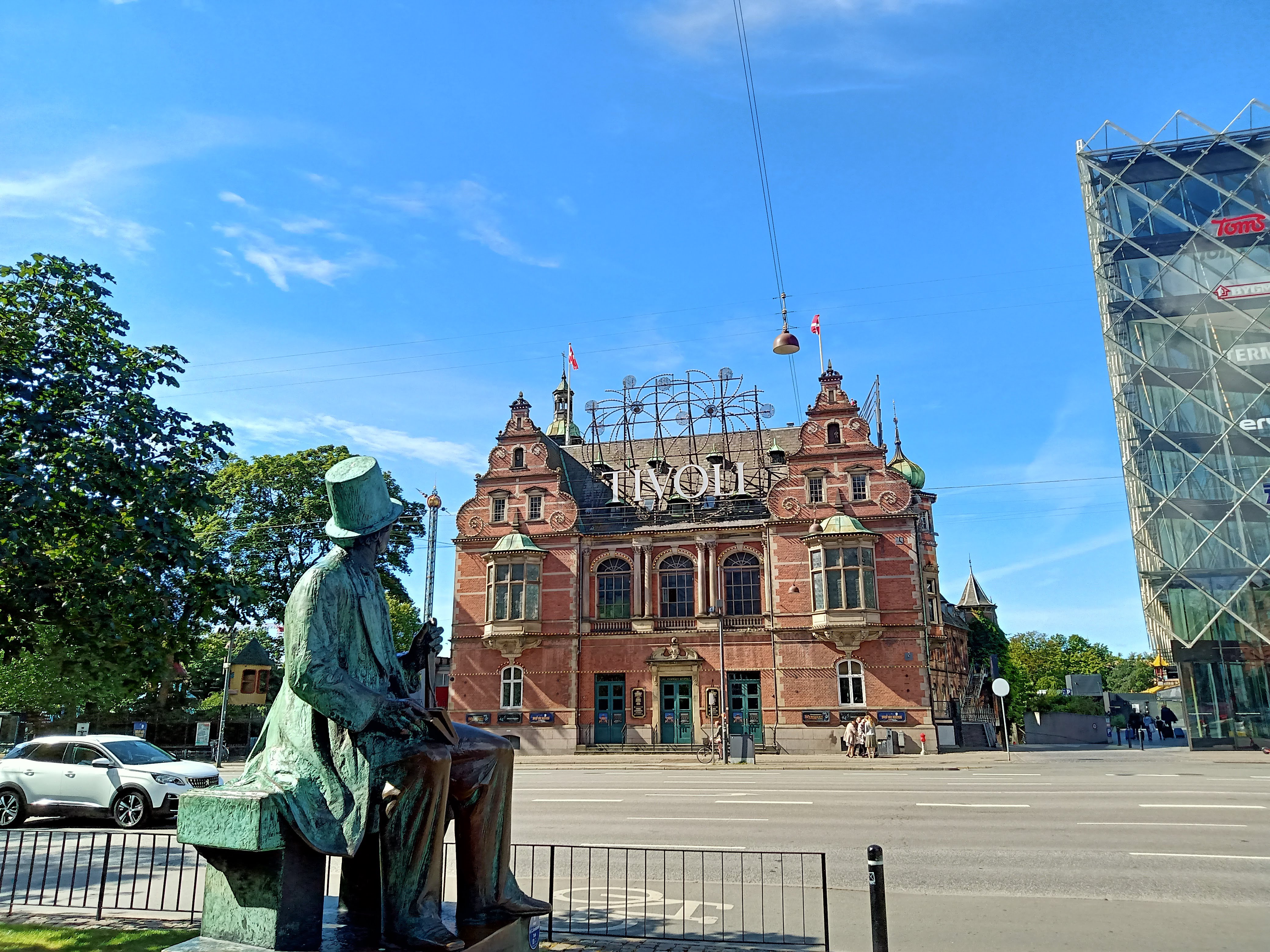
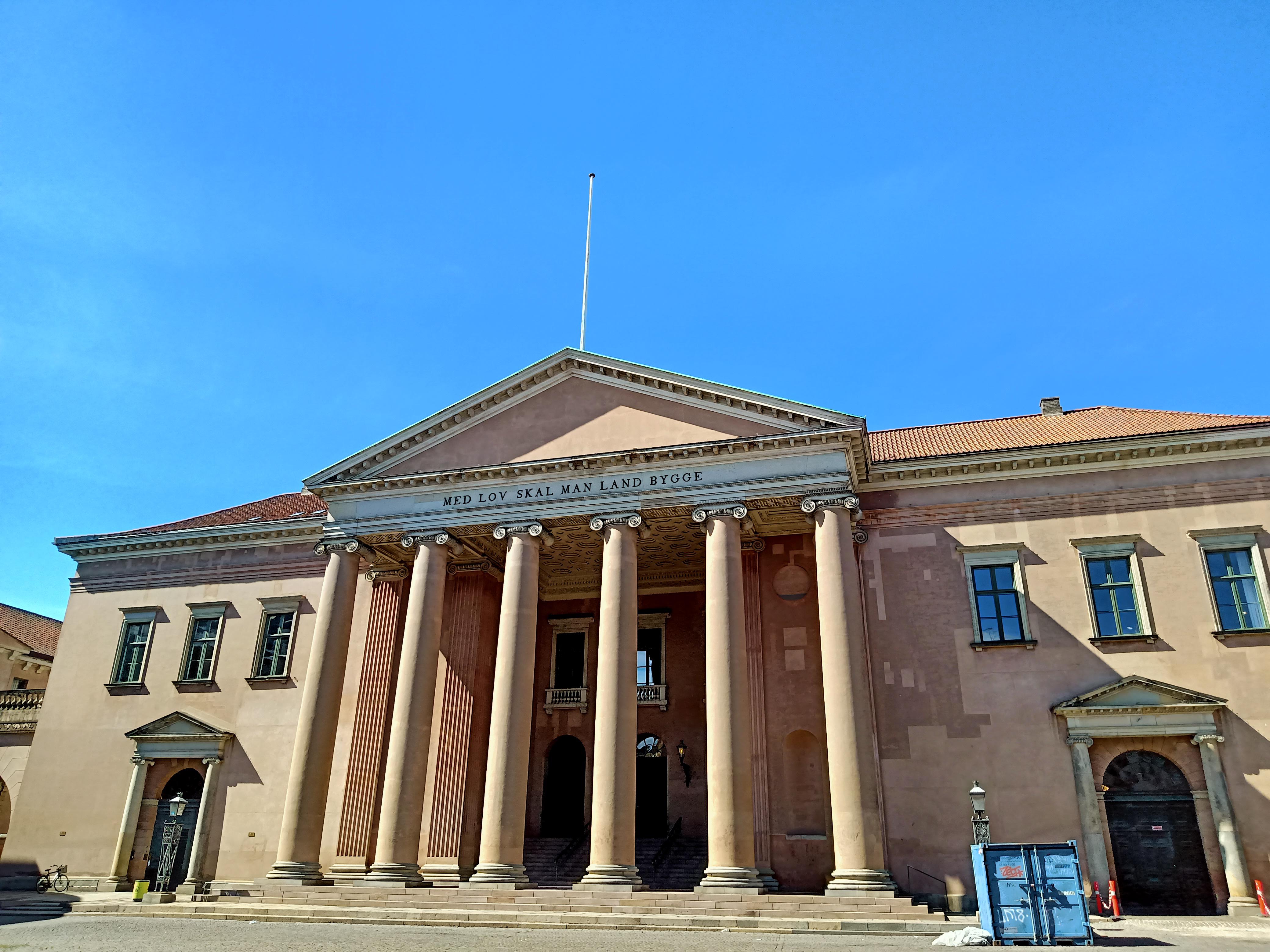
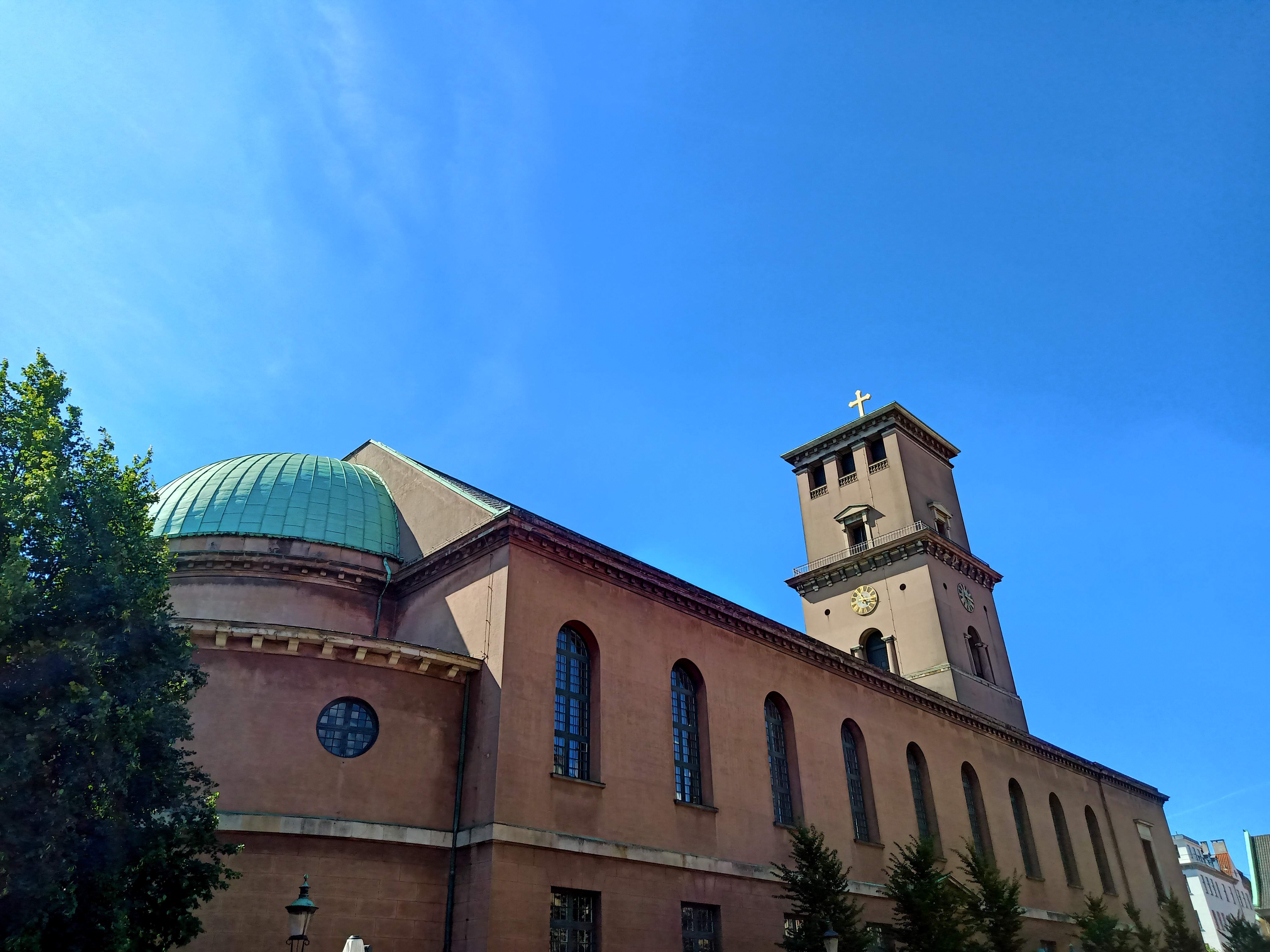
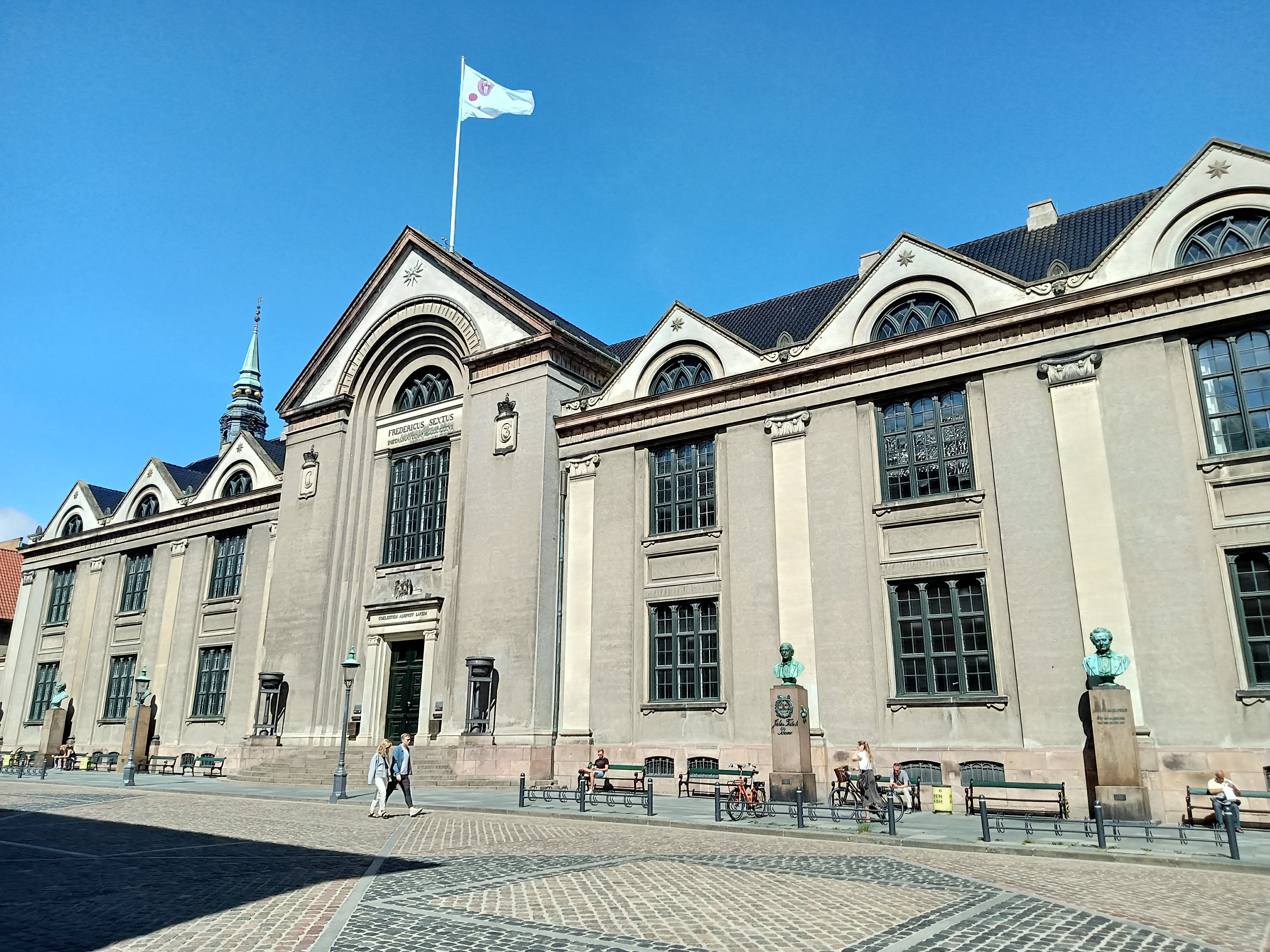
Centrally located Norreport station is perhaps one of the best locations to start your journey. However, I had started my journey at the Central Train station, just across the street from the central station is the Tivoli Gardens, the world’s oldest amusement park. It a veritable delight for people of all ages (not just the kids). Walk along the street next to the park and on your right you will be able to see the Ny Carlsberg Glyptotek (a fine arts museum). Continue straight and take a left from the junction, you will arrive behind the Town Hall square.
The Townhall square is the focal point of the locals during a sunny summer day, it has a lot of landmarks in its vicinity like Jen Olsen’s World Clock, the Statue of Hans Christian Andersen, Copenhagen Cathedral. The Copenhagen Courthouse is a stone’s throw away from the city center, built-in Greco-Romanesque style its imposing columns are a treat for the eyes. The Radhuspladsen has many cafes and restaurants around it, so you can easily take a table on the sidewalk and people watch.
There is a fork at the corner of the square which leads to the Old Town and Stroget. The lively, narrow alleys have high-end shopping stores on both sides and a lot of scrumptious food to gorge on. It’s is one of the longest pedestrian walks in the world and each of the bylanes from here is bound to lead to you somewhere interesting. For example one of the streets lead to the largest Lego shop in the world (a fitting tribute to the birthplace of Lego).
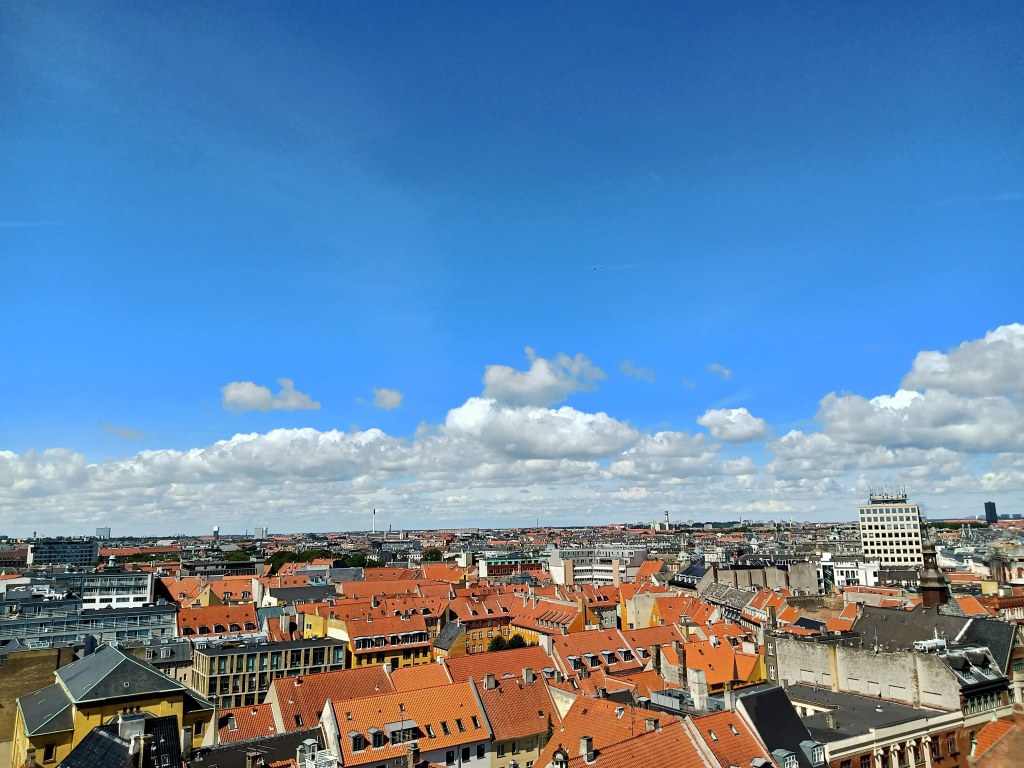
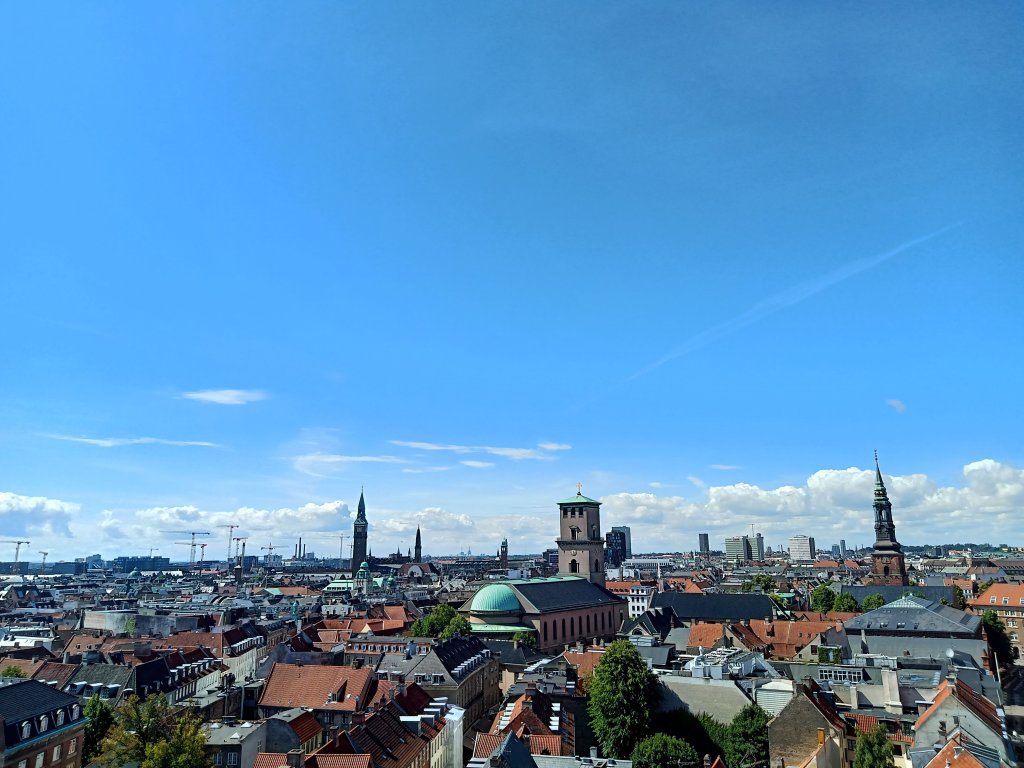
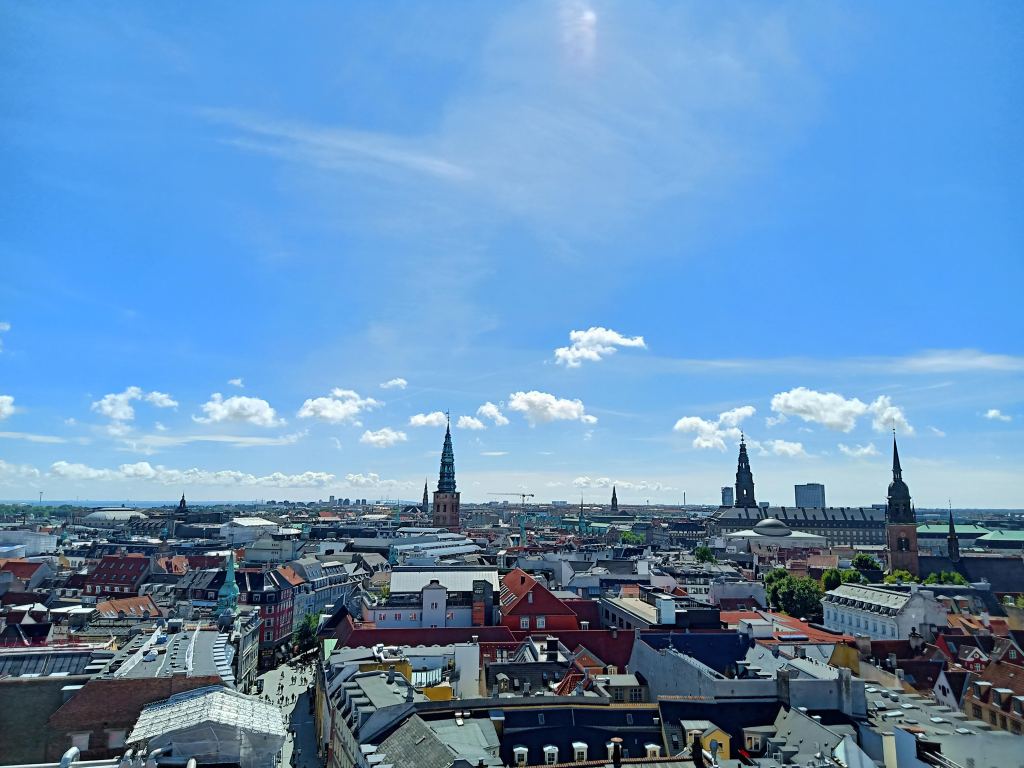
The Round Tower (Rundetaarn) is a 17th-century astronomical tower, it has a 360o observation deck at the top, which provides unparalleled views of the cityscape. It also has a museum dedicated to the life and work of Hans Oersted (one of the founding fathers of electromagnetism). Inside the museum there are interactive displays of the many experiments performed by Oersted, these demonstrations will take you back to the halcyon school days when the only image we had of these scientists and their findings were embossed in our science books. The panoramic views from the top of the tower reveal the profound magnificence of the city and its many architectural marvels. With the Nyhavn river circumscribing many neighborhoods of the city and numerous towers, spires, and turrets rising high into the sky gives it the appearance of paradise city – a surreal sight to behold.

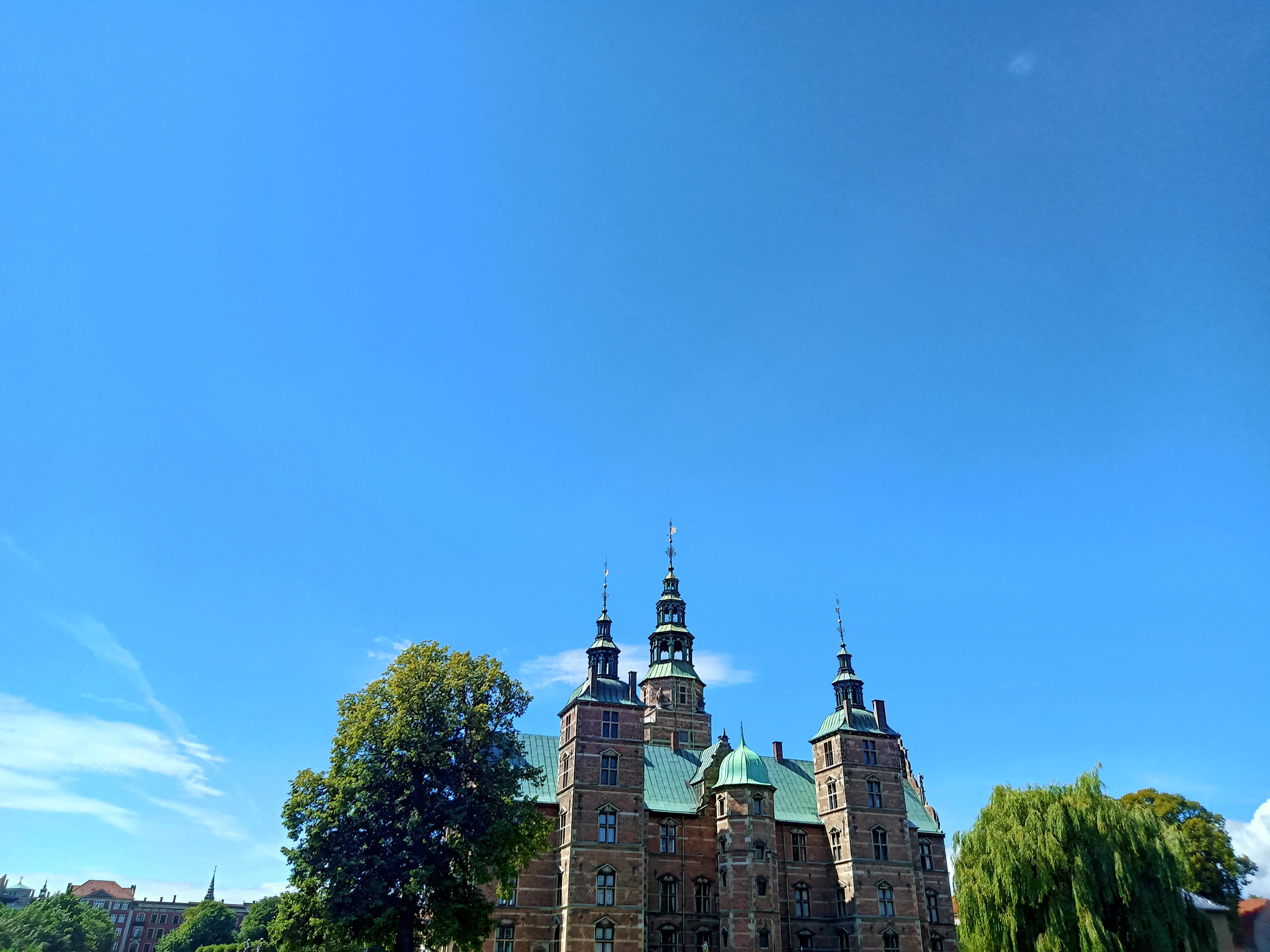
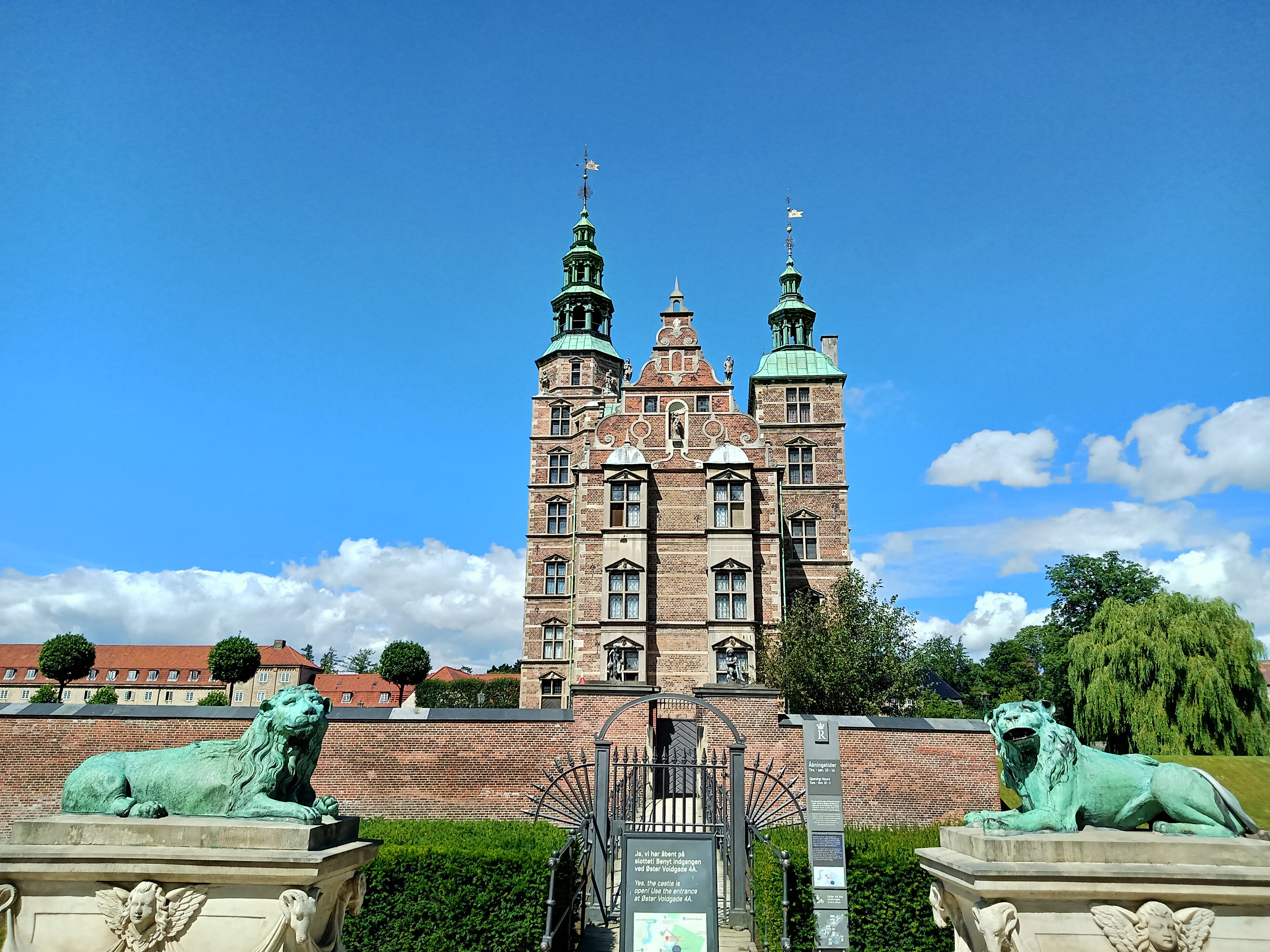
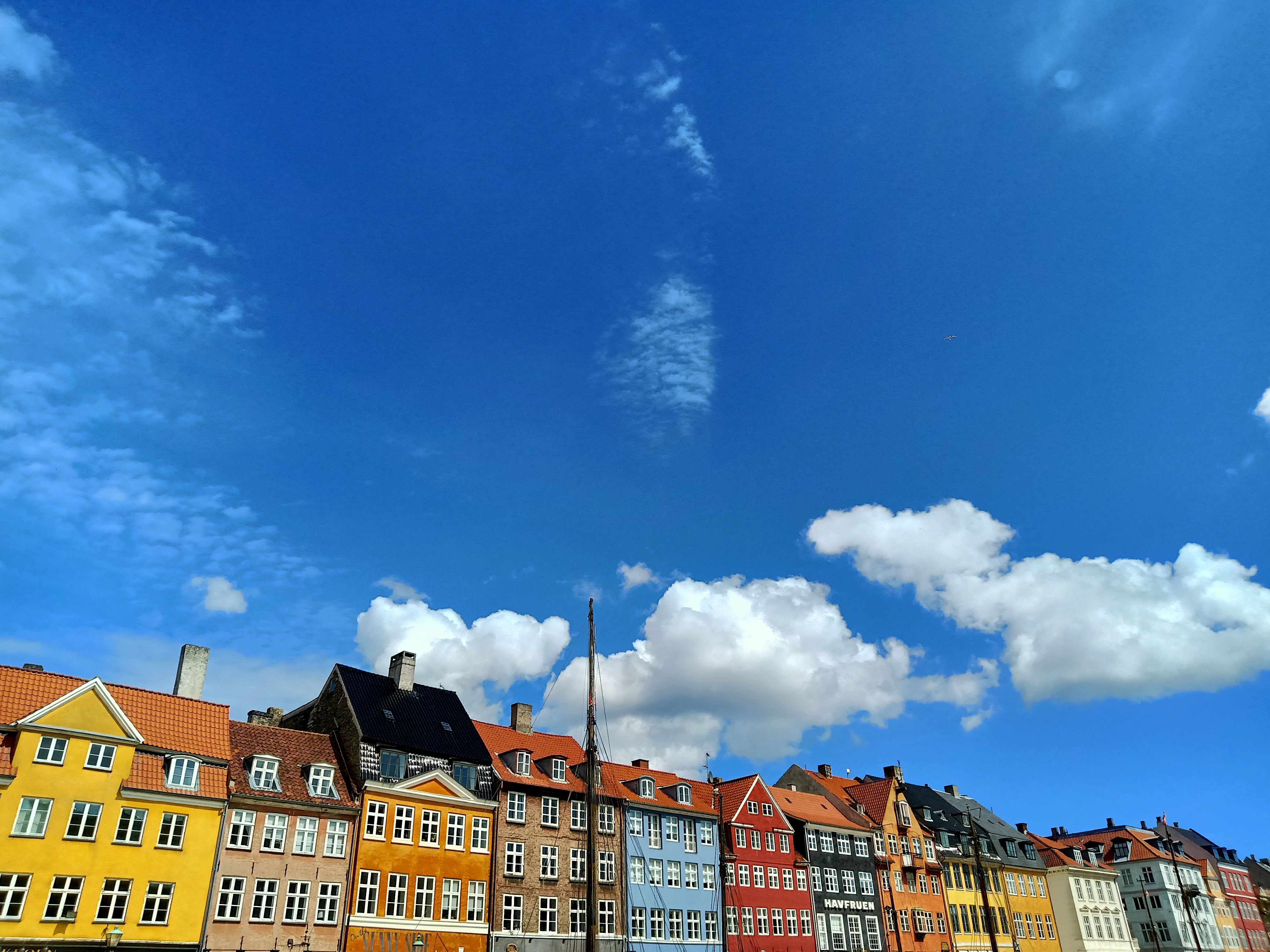
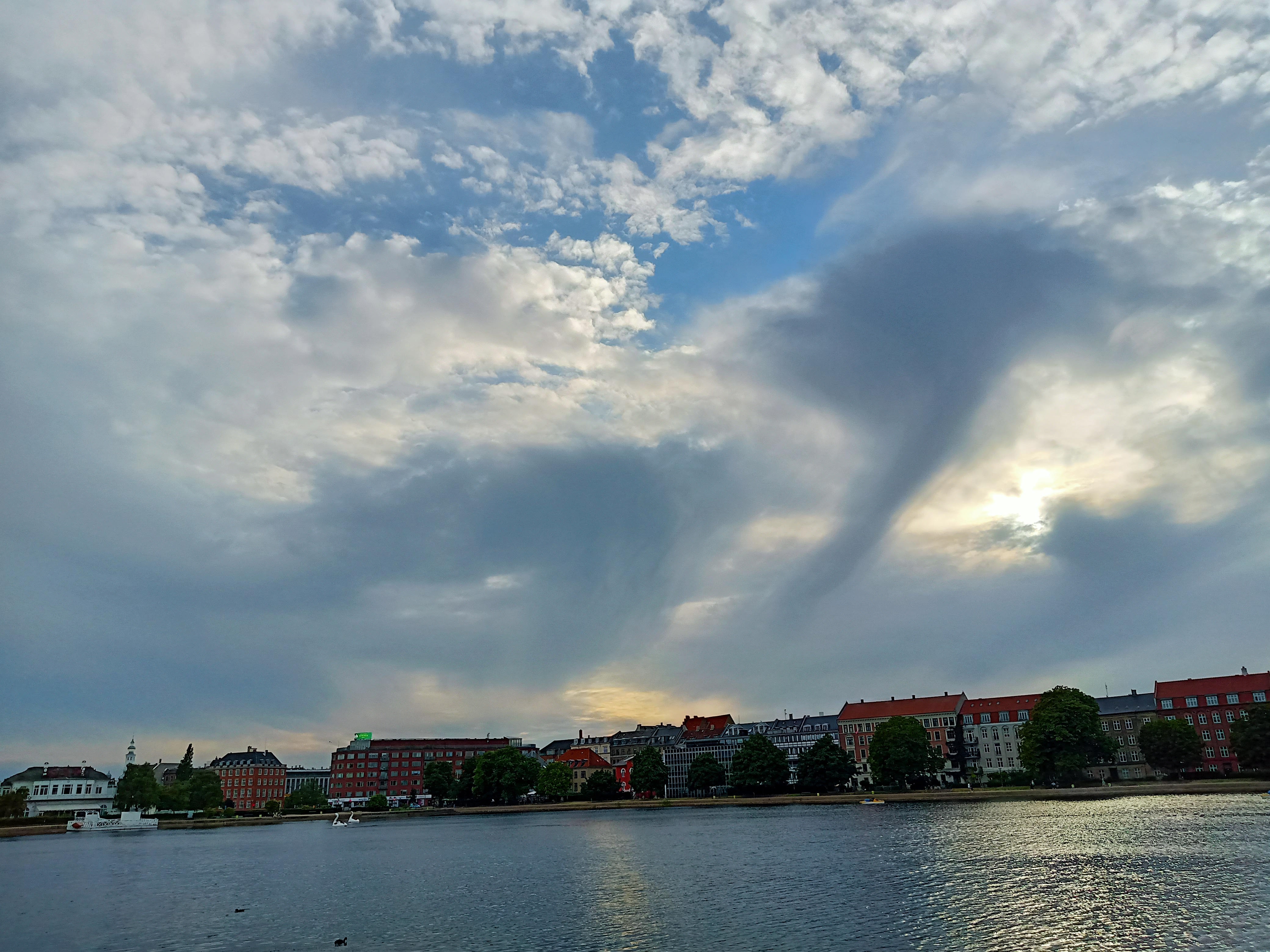
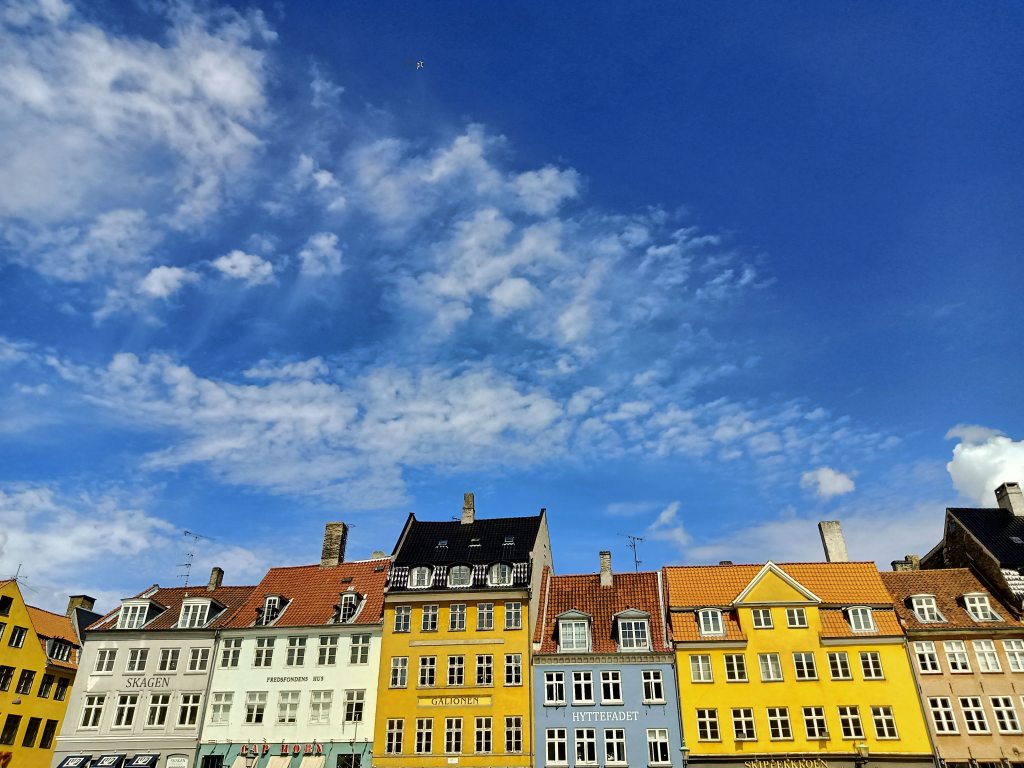
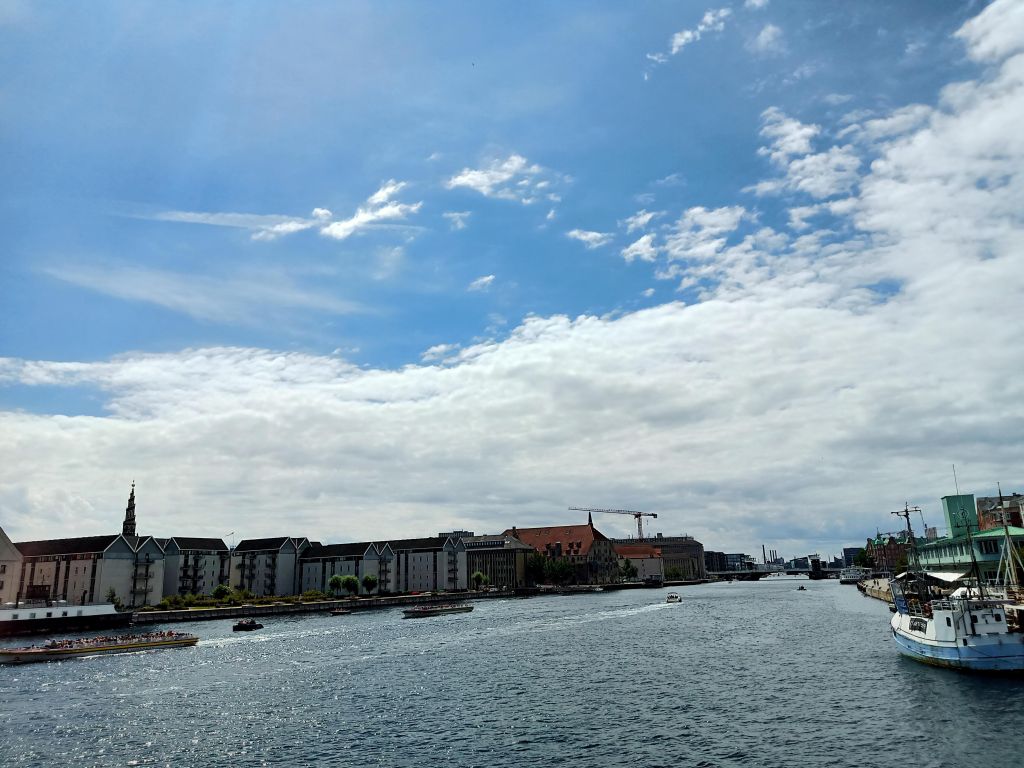
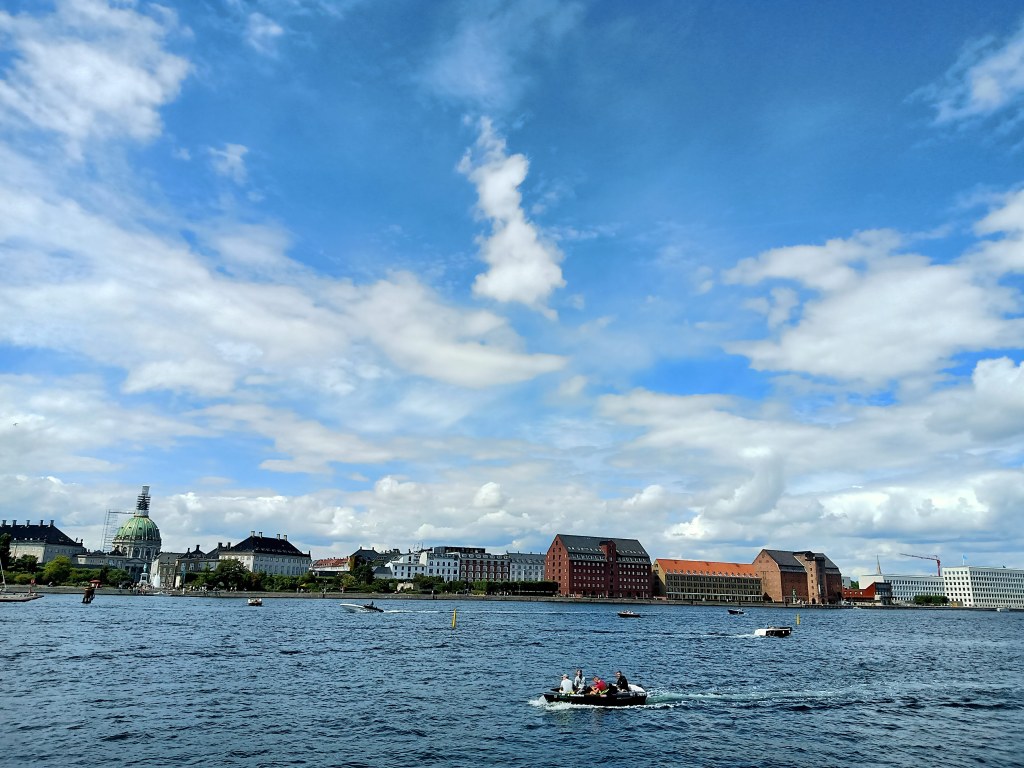
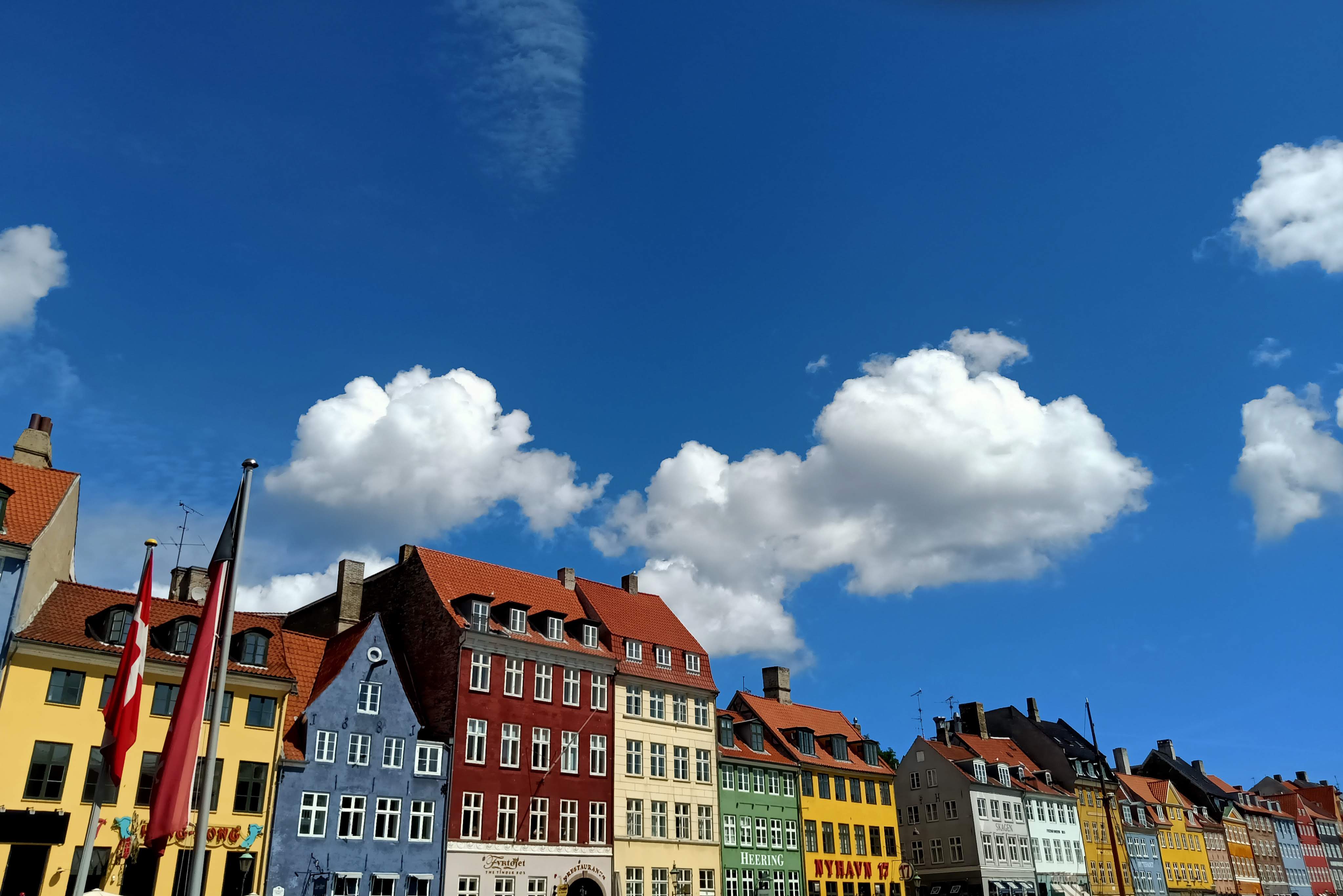
Nyhavn is the most scenic location near the harbor, with its rows of beautifully colored gingerbread houses and scores of restaurants and cafes on the waterfront. Go past Nyhavn and take one of the bridges leading to the National Opera house – a marvel of modern architecture. You can amble along the waterfront here, perhaps grab a drink and sit on one of the benches, gazing at the other side of the town. The relative calm of the place is often shattered by the numerous ferries and yachts crisscrossing the river.
The city is adorned by three major royal palaces – Amalienborg, Christiansborg and Rosenborg. Christiansborg is the seat of the Danish parliament, Amalienborg is the royal residence while Rosenborg has the most beautiful gardens in the city. The viewing tower in Christianborg provides stunning views over the city and across the waters into Sweden as well.
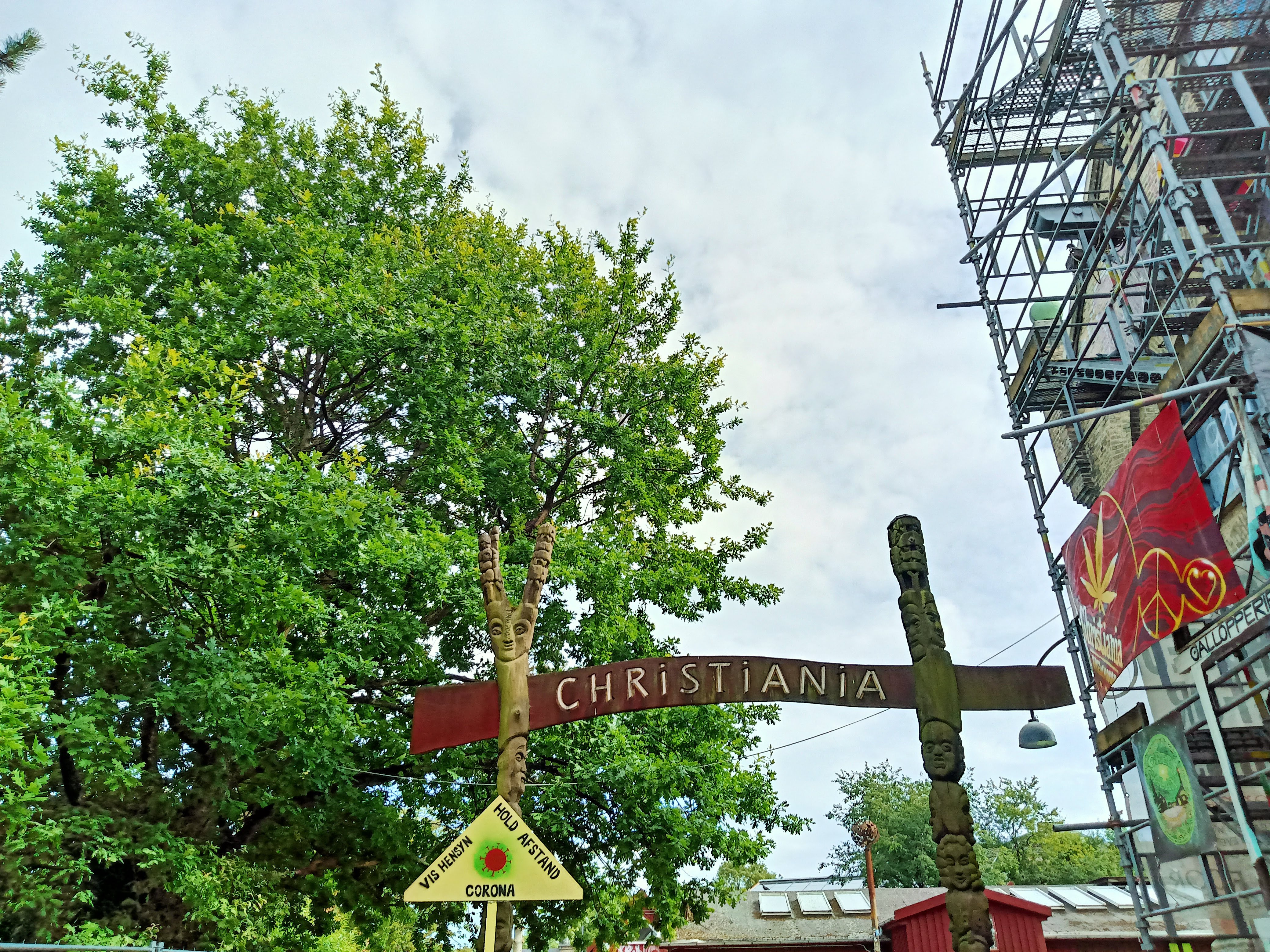
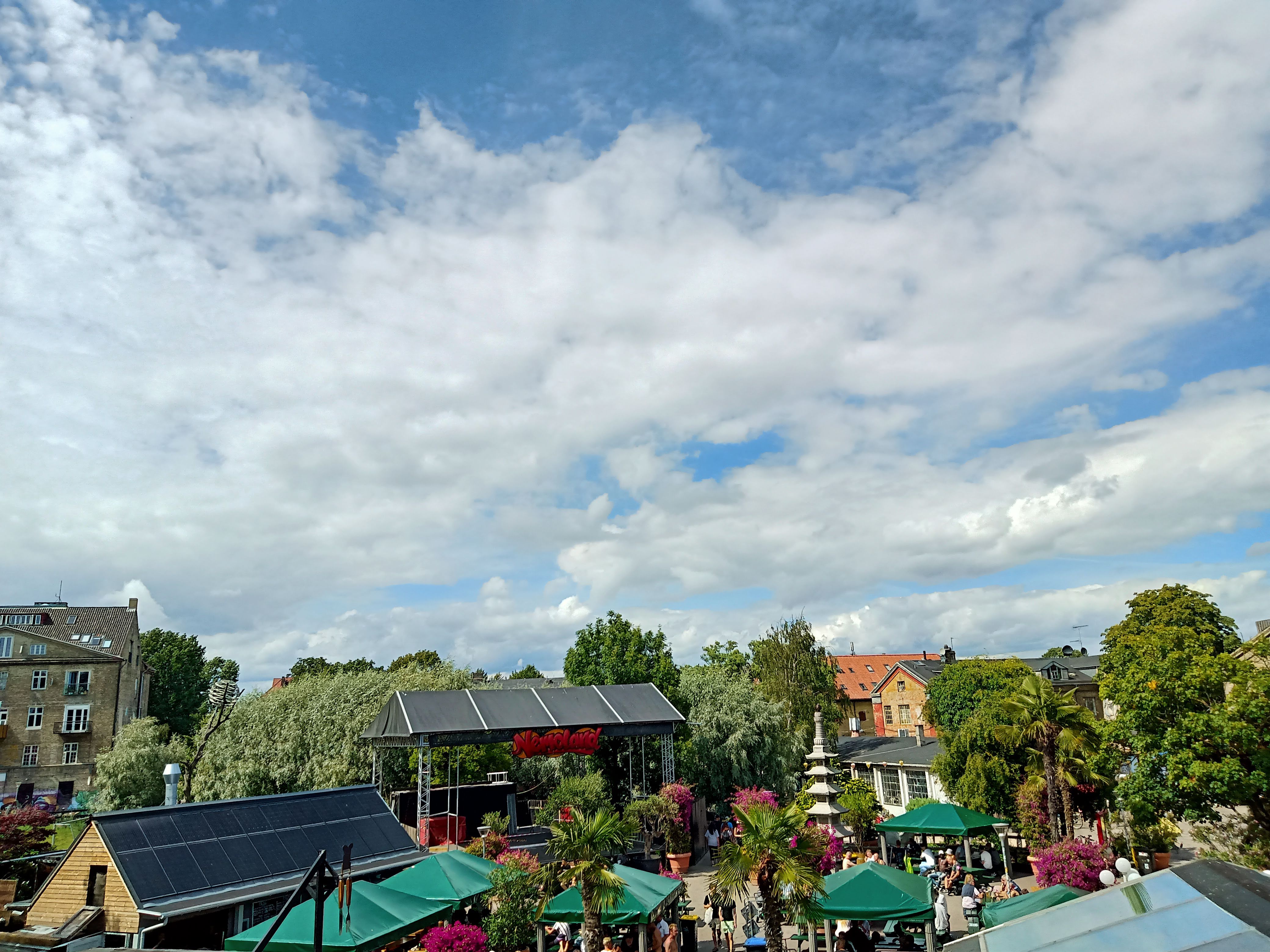
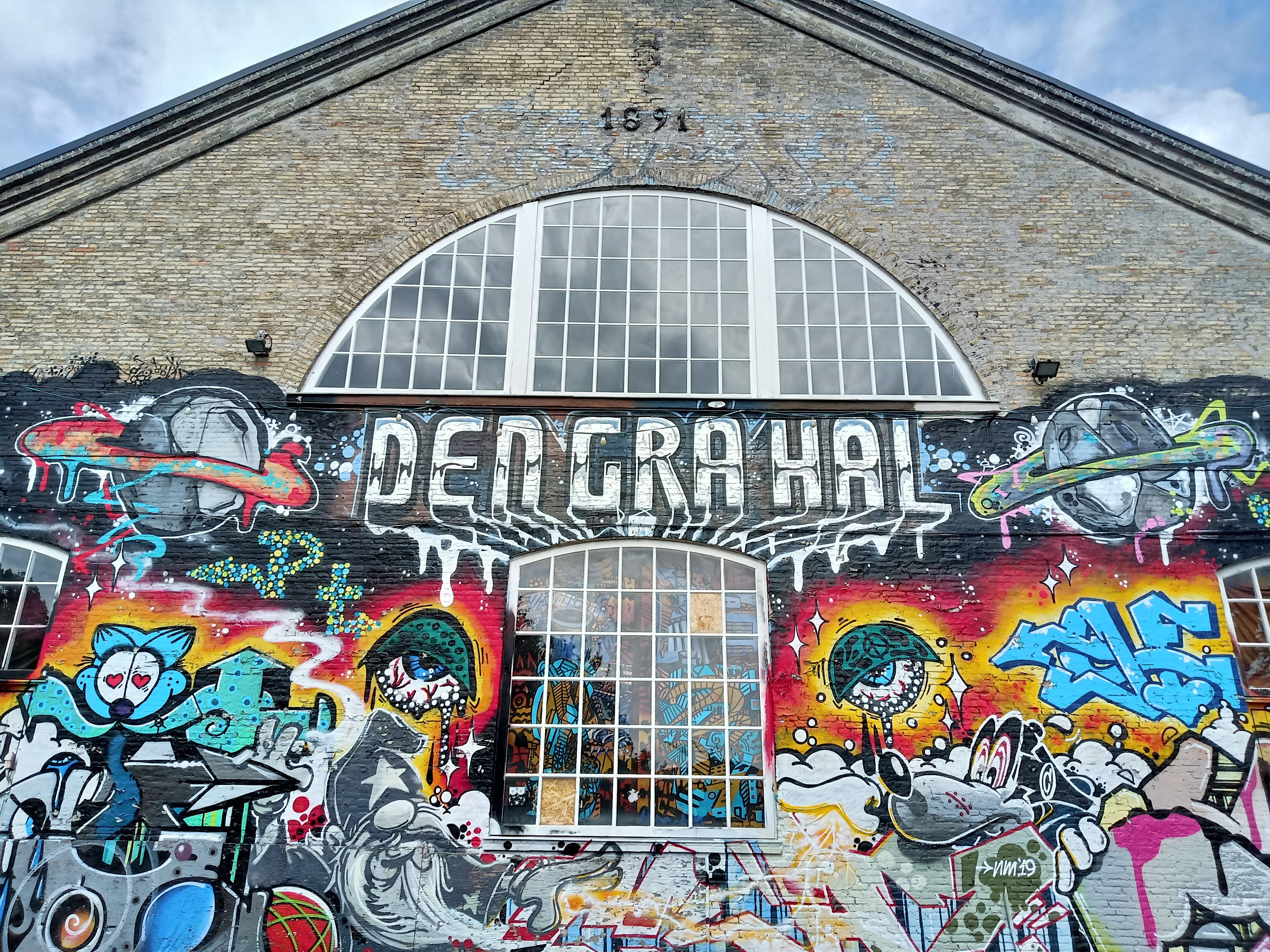
A trip to Copenhagen is incomplete without a visit to the bohemian neighborhood of Christiania. Often dubbed as a free country within Copenhagen established at the site of the old military establishment in 1971. Initially the bastion of squatters, it is now a bustling hub of street art and music. Smoke, Weed (Marijuana), and Beer is freely available at each corner of the neighborhood. You can easily spend a couple of hours atop a small hillock by the lake here and watch acts of freedom (err… people getting high and wasted) unfold in front of your eyes. Christiania reminds me of Uzupis in Vilnius, these two should definitely be sister neighborhoods.
Things to Eat
Copenhagen is the epicenter of the new Nordic cusine, experimental food as well as recycled food. It has quite a few michelin starred restaurants like Noma and Alchemist which have to be booked months in advance. Traditional Danish cuisine consists of staples like Smorrebrod (open sandwiches), artisanal cheese, fish cakes, herring and salmon (pickled & smoked variations of both). Torvehallerne is the mecca of market food, it has about 80 shops selling local fares, this should be definitely on your list of gastronomic enclaves in the city.
How much does it cost
Like all nordic nations, expenses in Copenhagen don’t come cheap. At the time of this writing 1 Danish Krone is equal to 0.13 euros. A single meal in a decent restuarant will cost you anywhere between 20 to 25 euros (atleast). A day pass for public transport is about 17.5 euros. Card payment is widely accepted and encouraged here, even small street vendors have a card reader. So you don’t have to worry about exchanging your foreign currency, just make sure your credit/debit card works and you will be fine.

 Quantum Explorer
Looks like a beautiful city have always wanted to go