
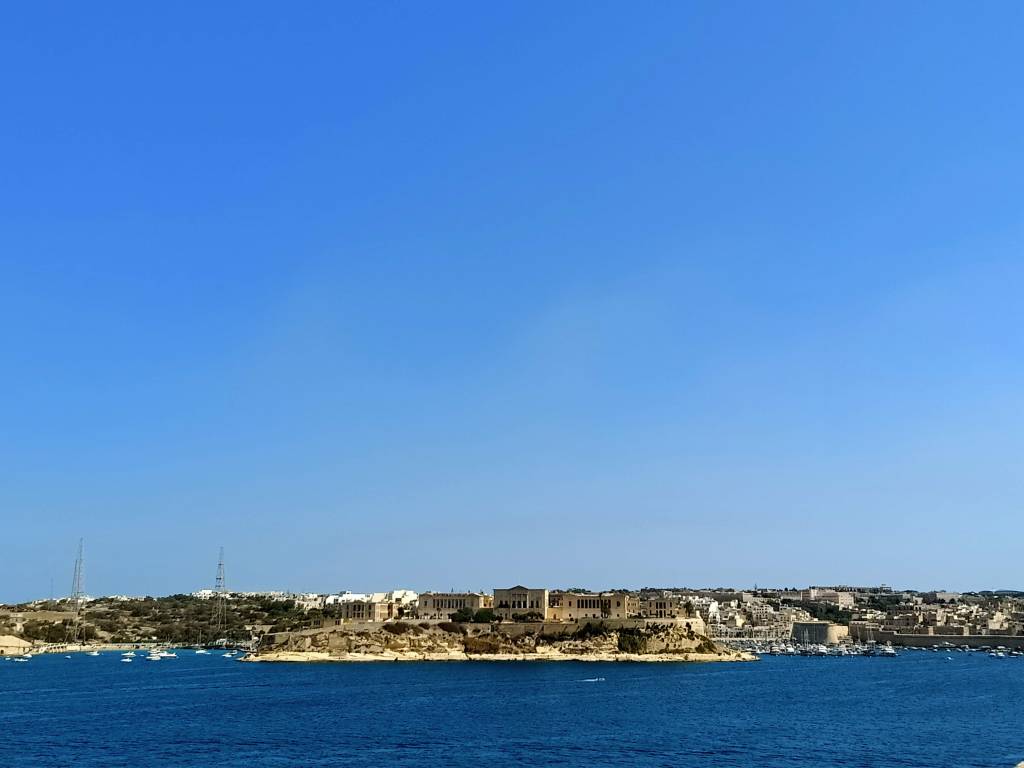
The last bastion of the Knights Hospitaller (the Order of Saint John), this island nation preserves more than 8000 years of human history. Ruled by all major ancient (Phoenicians, Romans, Greeks) and modern (Arabs, Aragons, French, British) empires, the Mediterranean island is a melting pot of cultures and traditions.

How to get there
The Island nation can only be reached by air or sea. There are regular ferry services from Sicily. The singlular airport in Malta caters to international tourists. Air malta is the national carrier of the country, it operates daily flights to mainland Europe and America. I had taken a flight from Frankfurt to reach there.
Where to Stay
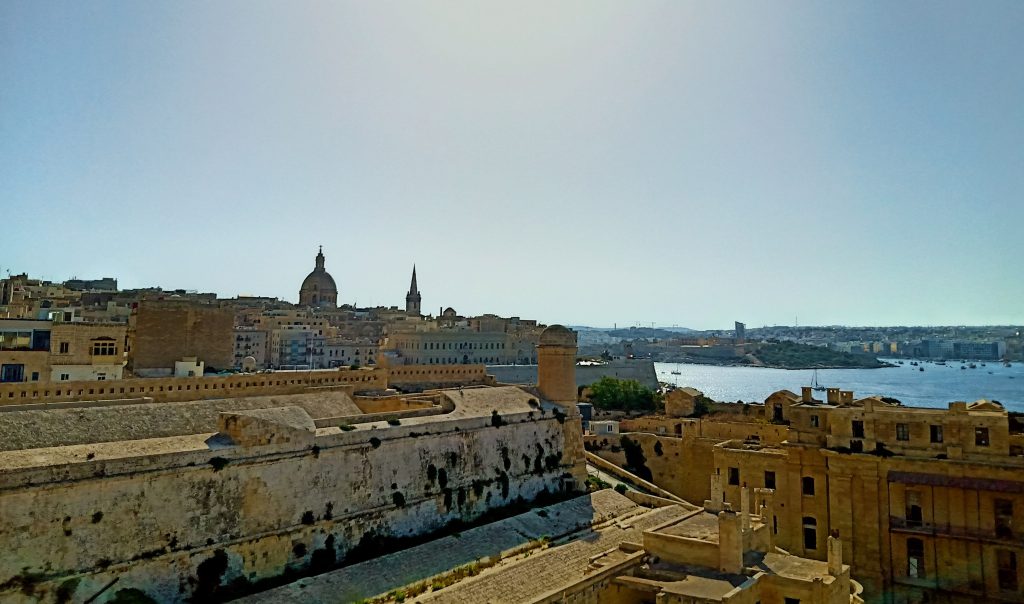
Cities in Malta can easily pass as neighborhoods. There are a plethora of options to choose the location of your accommodation, the Capital City of Valetta is a tourist hotspot, outside Valetta, there is Floriana, Rabat, Mdina, Mosta and Marsaxlokk. In case you prefer a place away from the din and bustle of the crowds head over to the sister islands of Gozo and Comino. I had stayed at Hotel Kursura Port View, Valetta. It is located right next to the lower Barrakka gardens and provides a good view of the Valetta Harbour.
How to Commute
Buses are the only mode of transport in Malta, the public authorities ply regular buses throughout the island. There are ferry and boat services along the Valetta waterfront. Most of the cities can be covered on foot however in order to move between the cities you would need public transport. You can pay for the ticket directly to the driver once onboard, it costs you about 2 euros for a single ride.
Things to See

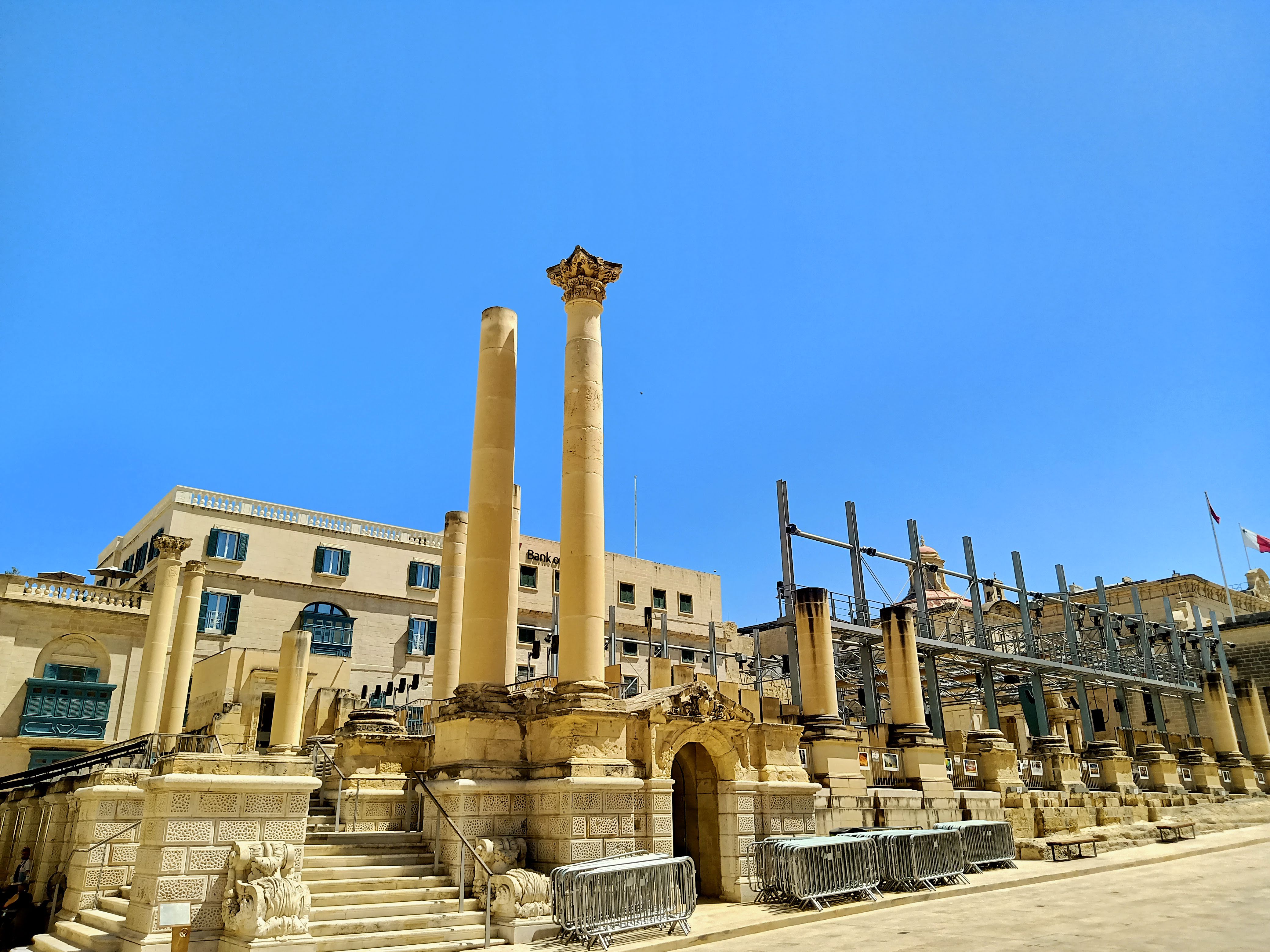
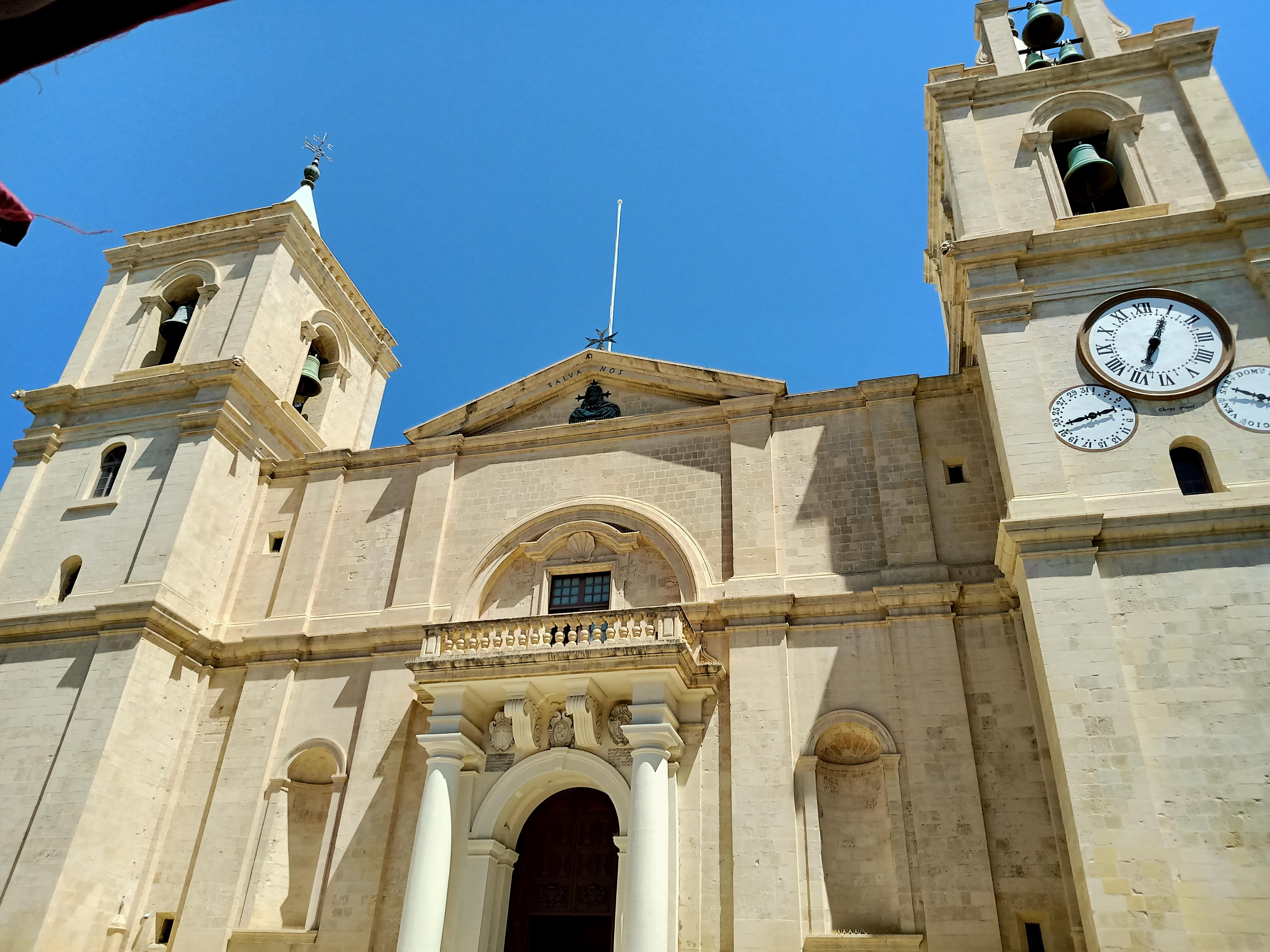
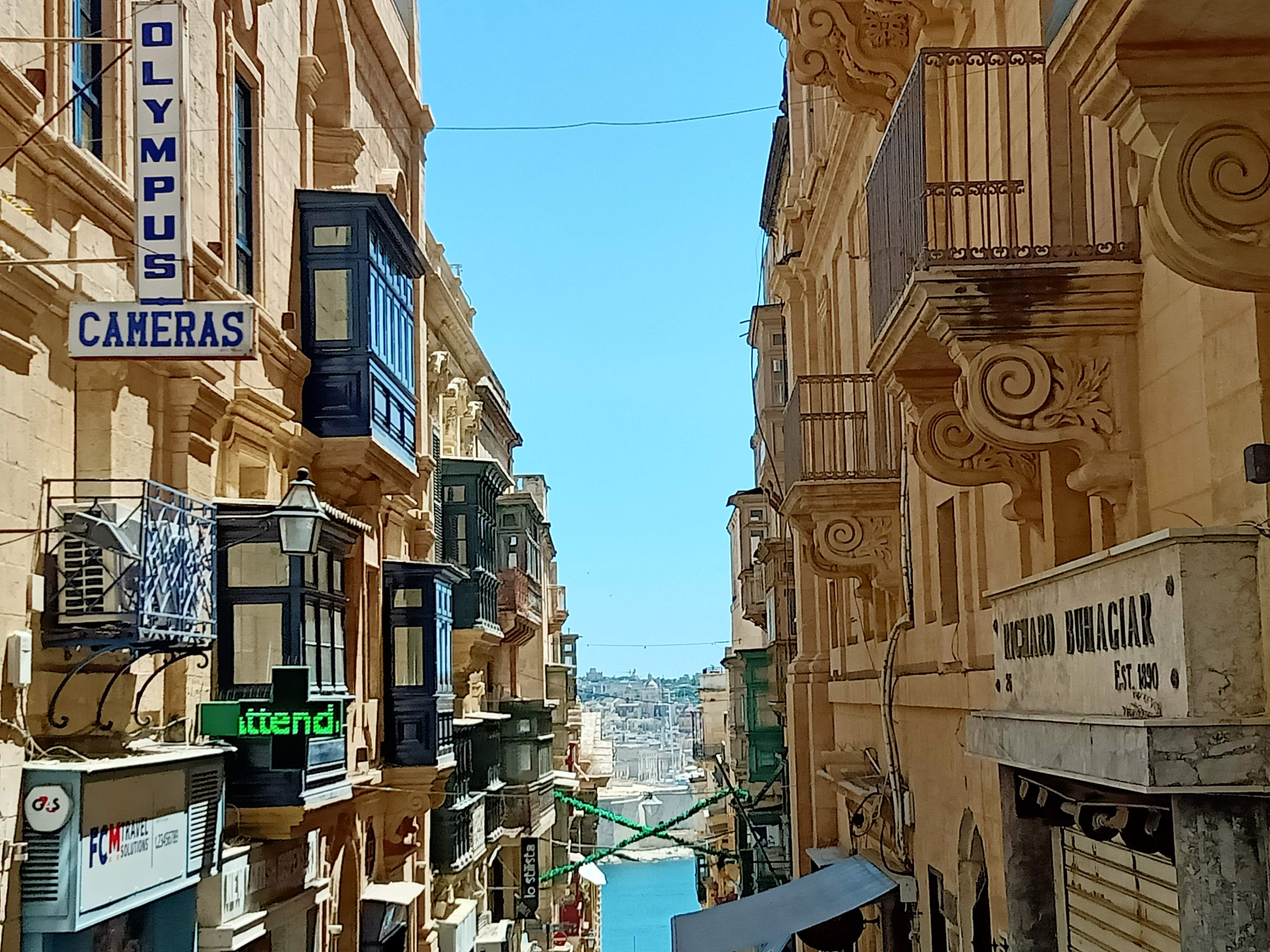
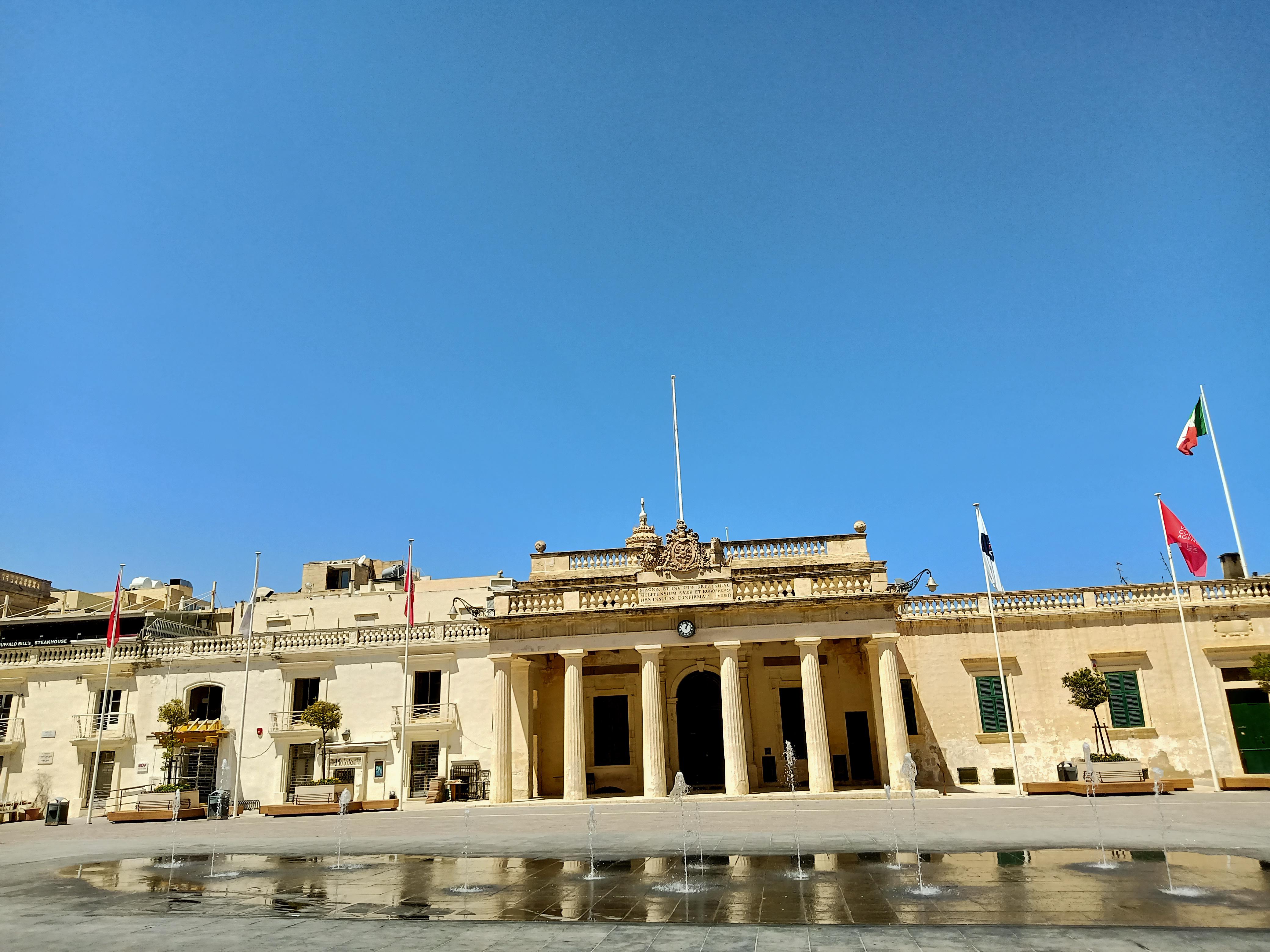
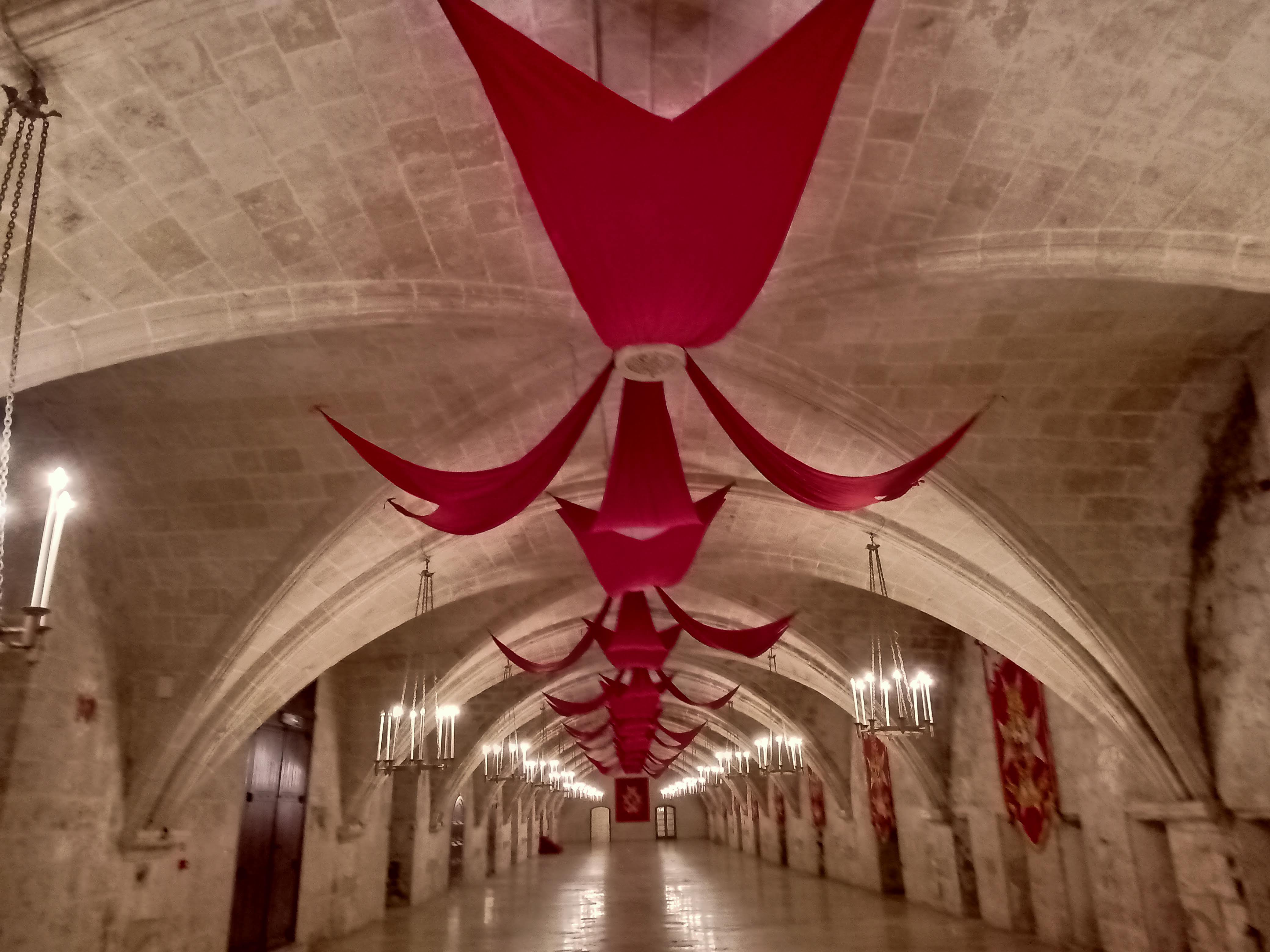
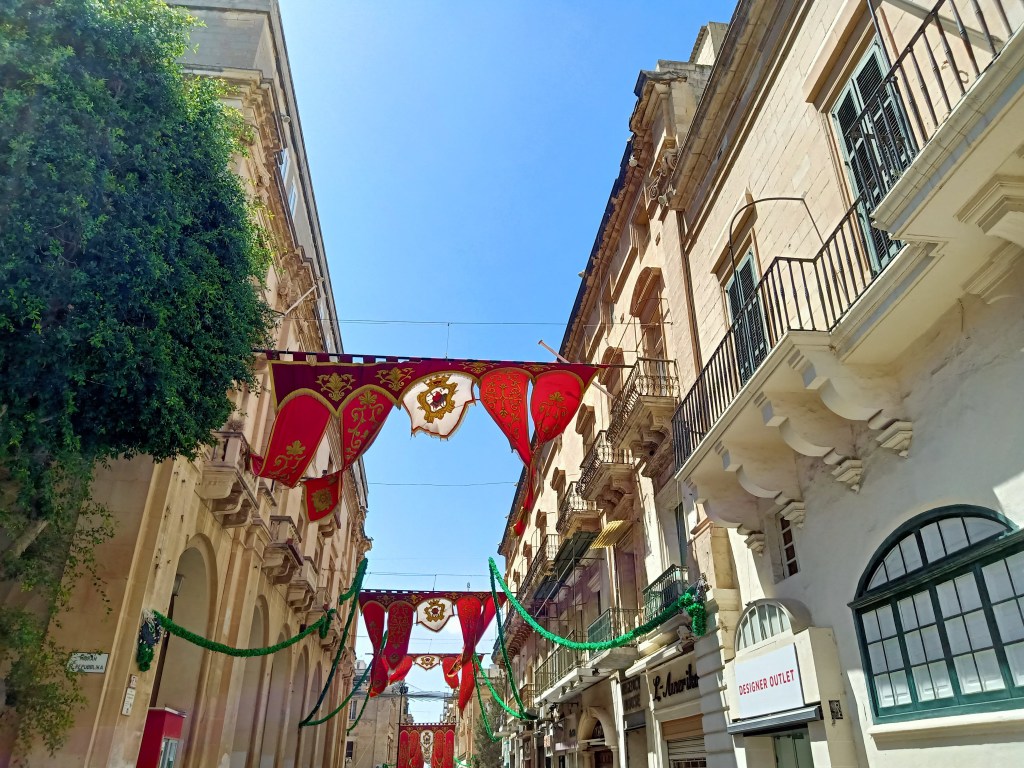
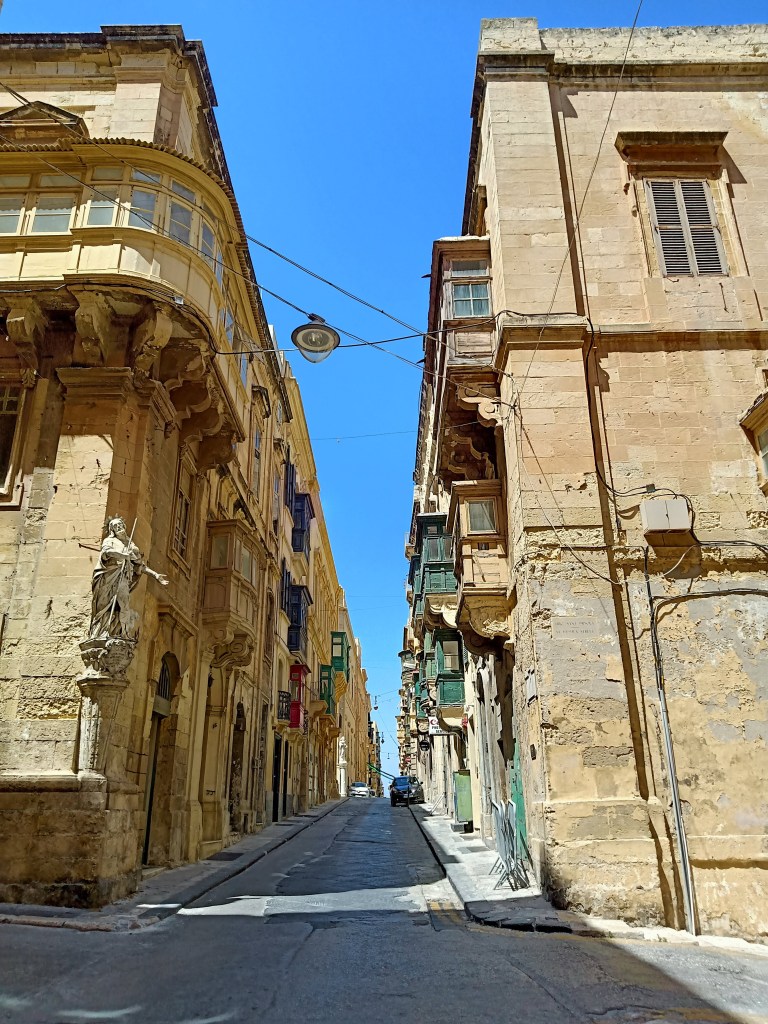
Malta is a quaintly magical place, quite different from mainland Europe. Ambling along its many narrow alleys takes you back in time, almost every corner preserves something of historical and cultural significance. I had started my journey in Valetta, if you are coming from the airport the bus will drop you just outside the gates of Valetta in the central bus terminal. Walk through the hallowed gates and enter Republic Street, this is the central vista of the city and most places of historical significance lie on both sides of the street. Along with Republic street, Merchant street is a major tourist hub. Here you can find ruins of the ancient parliament, the National Library, St John’s Co-Cathedral, the Grandmaster’s Palace, Manoel Theatre and the National Archealogy Museum. The Barrakka gardens and the Valetta harbour lie to the right of Republic street.
I would highly recommend visiting St. John’s Co-Cathedral, its simple exterior hides the magnificent interior bedecked with Caravaggio’s paintings, the ornamental baroque decorations make it a gem to behold. Cut a corner towards the fag end of Republic street and you end up at St. Elmo’s fort and Museum. Here you can also see the Malta Experience, the Bell Tower which is close to the lower Barrakka Gardens.
The Malta Experience is a must for anyone looking for an indepth insight into the lives of the Knights. You get to pass through the same hallways and rooms which the erstwhile Grandmaster’s had used and where the wounded from the crusades were treated. Upon entry you are handed an iPad, it has a VR enabled navigation app installed which guides you through every room and projects images of how the place looked like back in the days. There is also a 3-D hologram of the Grandmaster who explains in details about the origins and role of the Knights of Malta. Fun fact – there is a residence for the knights perched atop the Aventine Hills in Rome. From the keyhole of this residence you can get a silhoutted view of the dome of St Peter’s Basilica.

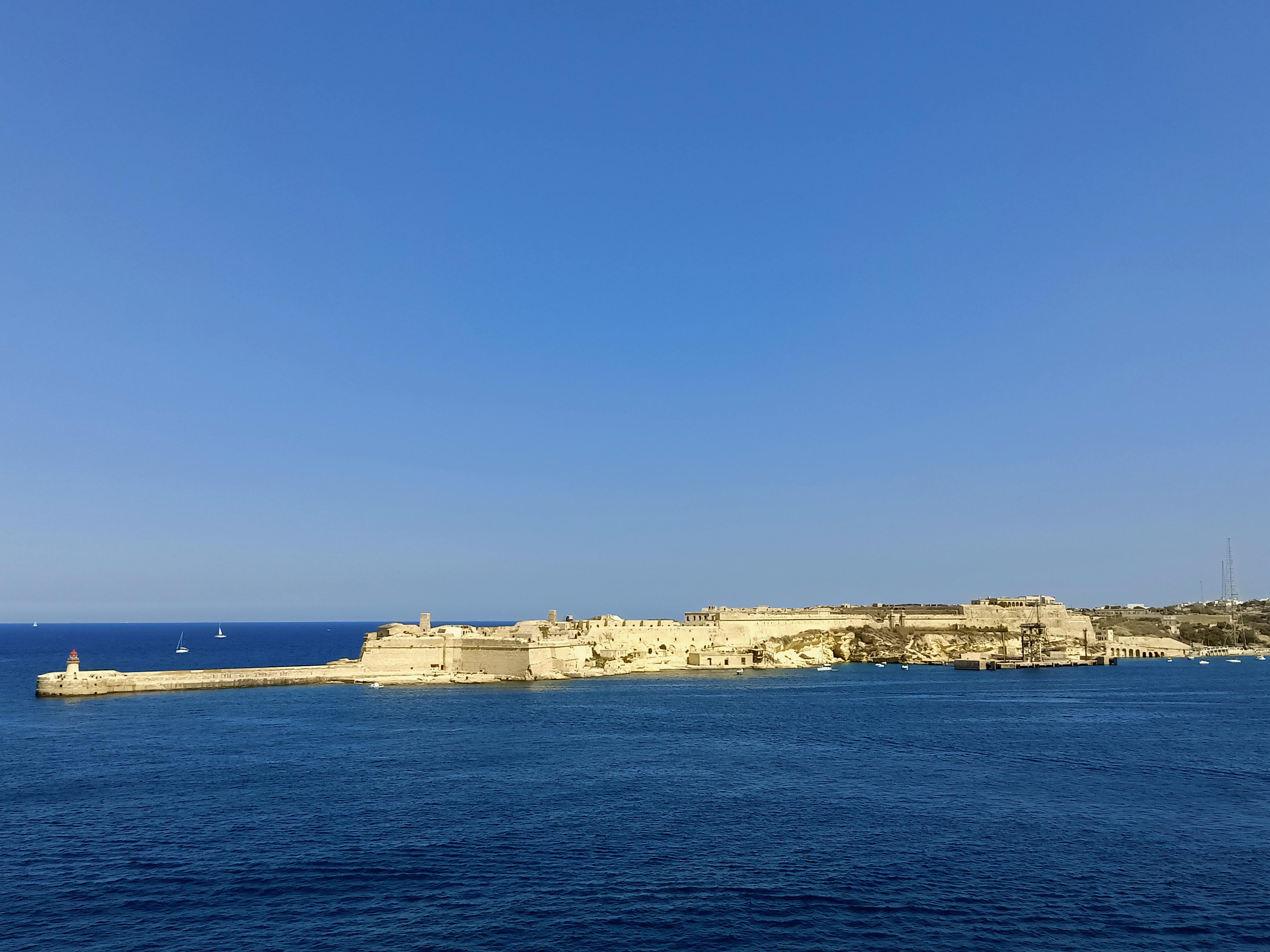


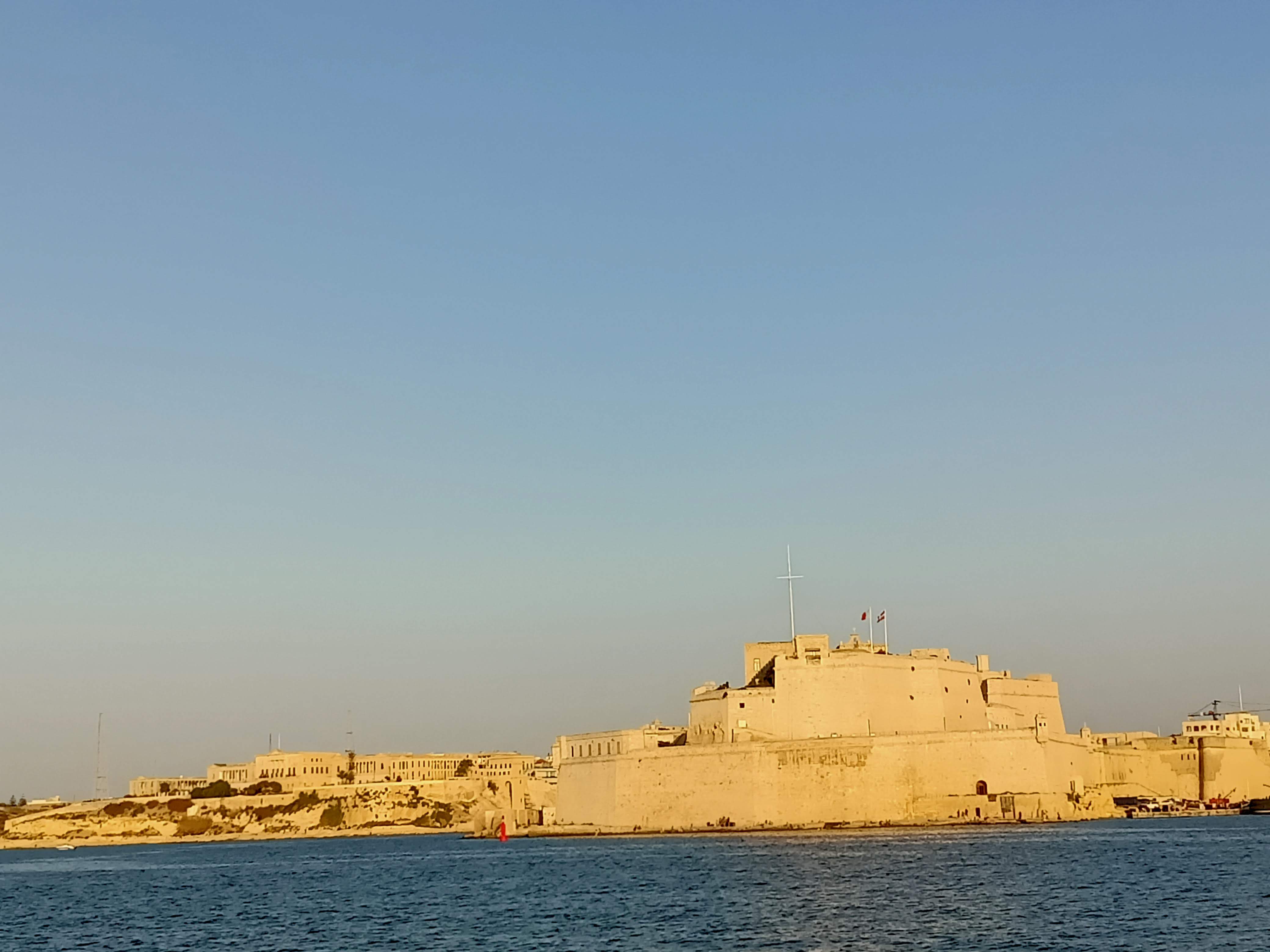
St. Elmo’s Fort is located just opposite to the Malta Experience. The star shaped fortress has successfully repelled many sieges over the centuries. It offers great views over the harbour and exhibits the arsenal of the British Naval and Airforce during the second world war. It also has a specific museum dedicated to the Great Siege of 1565, which paints a pen picture of the valour of the mighty knights. A meagre force of 6000 soldiers (among them 500 knights) successfully defeated the vastly outnumbered and overarmed Ottoman army of more than 40,000 soldiers. This is truly a David and Goliath story in the chequered history of Malta.
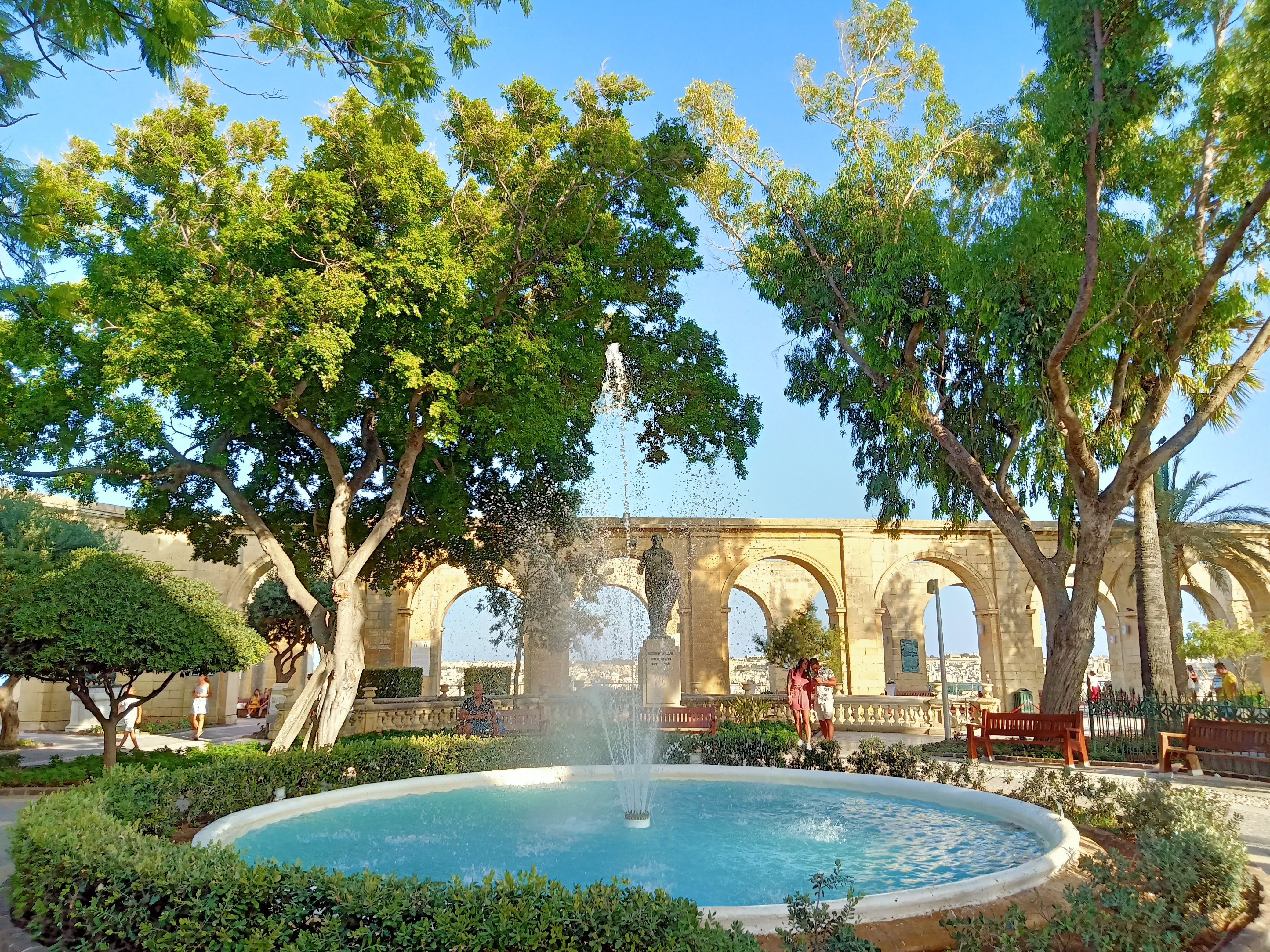
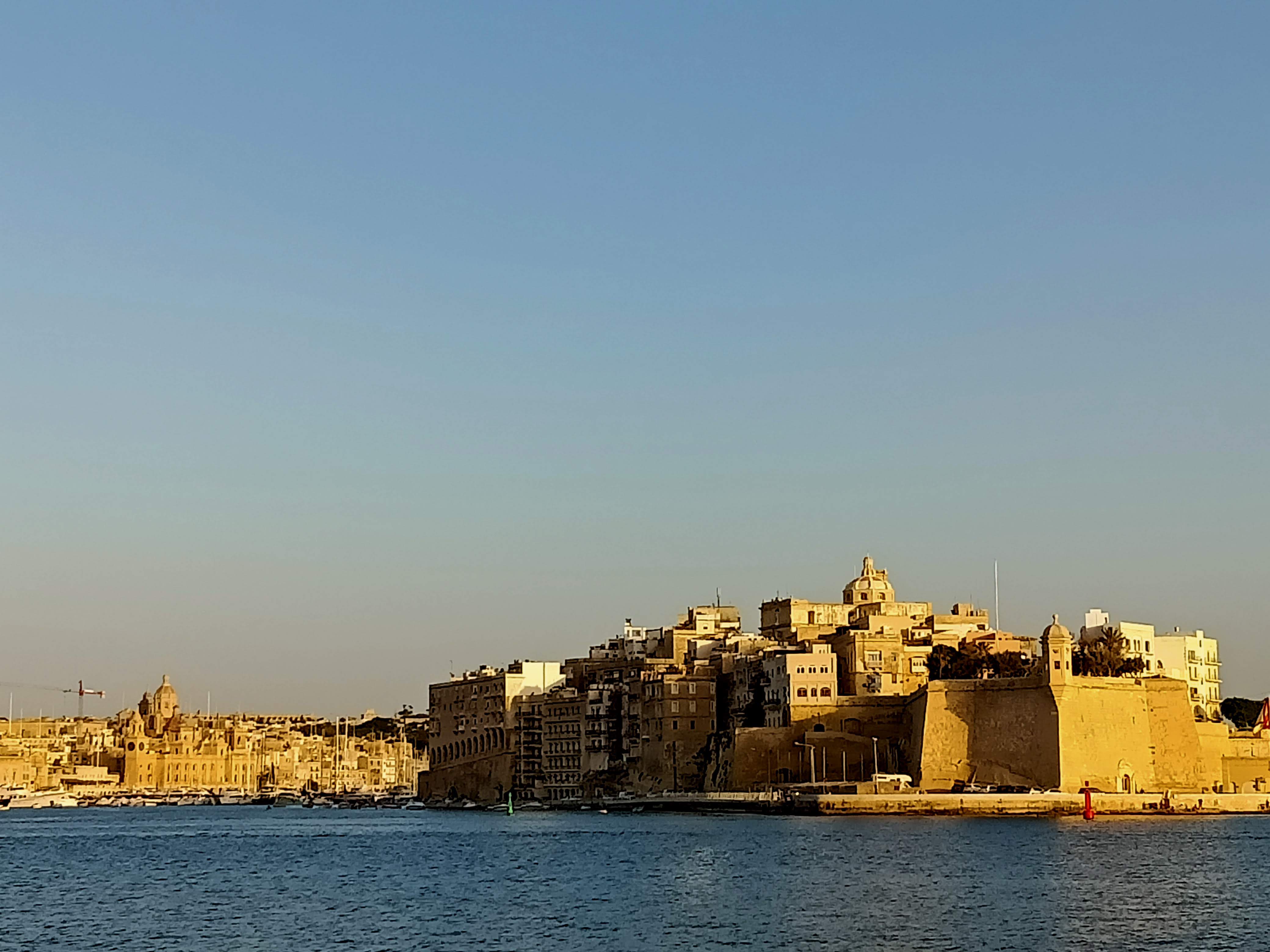
The Upper Barrakka gardens, located about 700 metres from the fort is very close to Valetta city center. It offers breathtaking views of the three cities – Birgu, Senglea and Cospicua. Everyday at noon there is a customary battery salute when the cannons of the artillery battery are fired to salute the passing ships. These gardens also have a treasure trove of hidden secrets like the Lascaris War Rooms. These underground bunkers bear witness to Britain’s secret strategies during the Second World War, Malta was the base for the allied invasion of North Africa and Mediterranean. These war rooms had played a pivotal role in the success of the allied forces. The Barakka elevator takes you down to the Valetta Harbour and you can take a boat from here to the other side. The ride costs you about 1 euro and you end up on the shores of Birgu close to the Malta Maritime Museum.
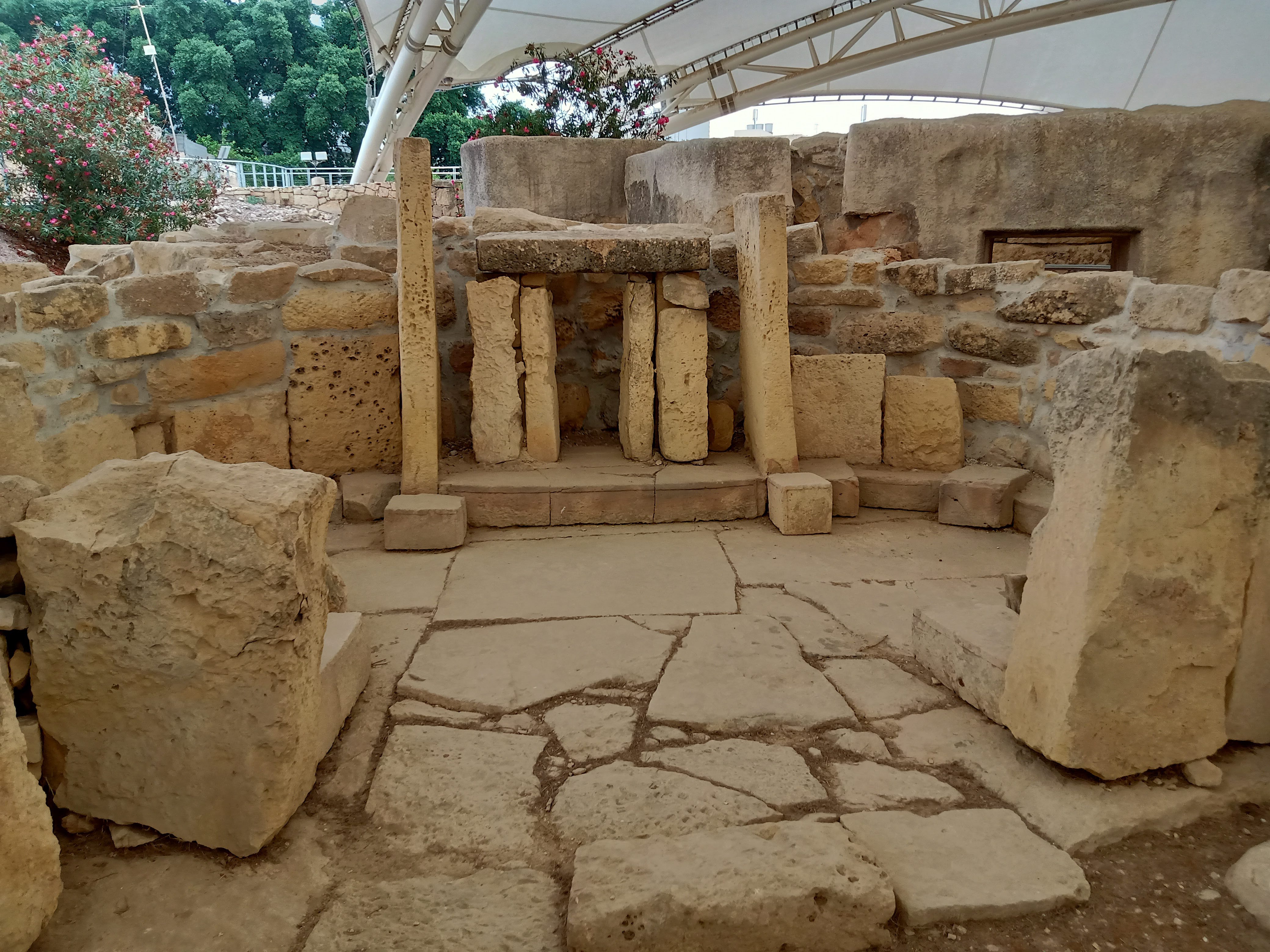
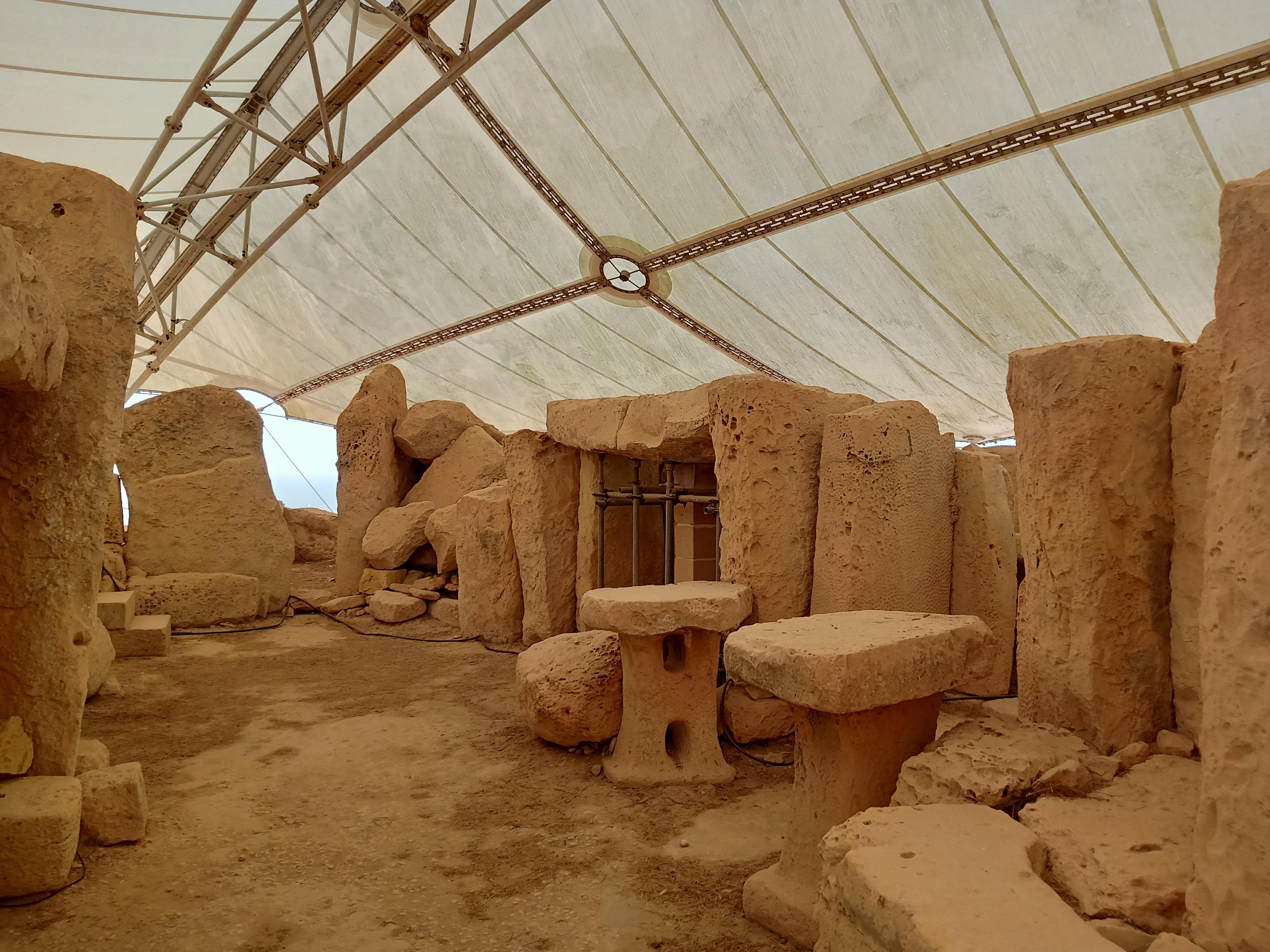
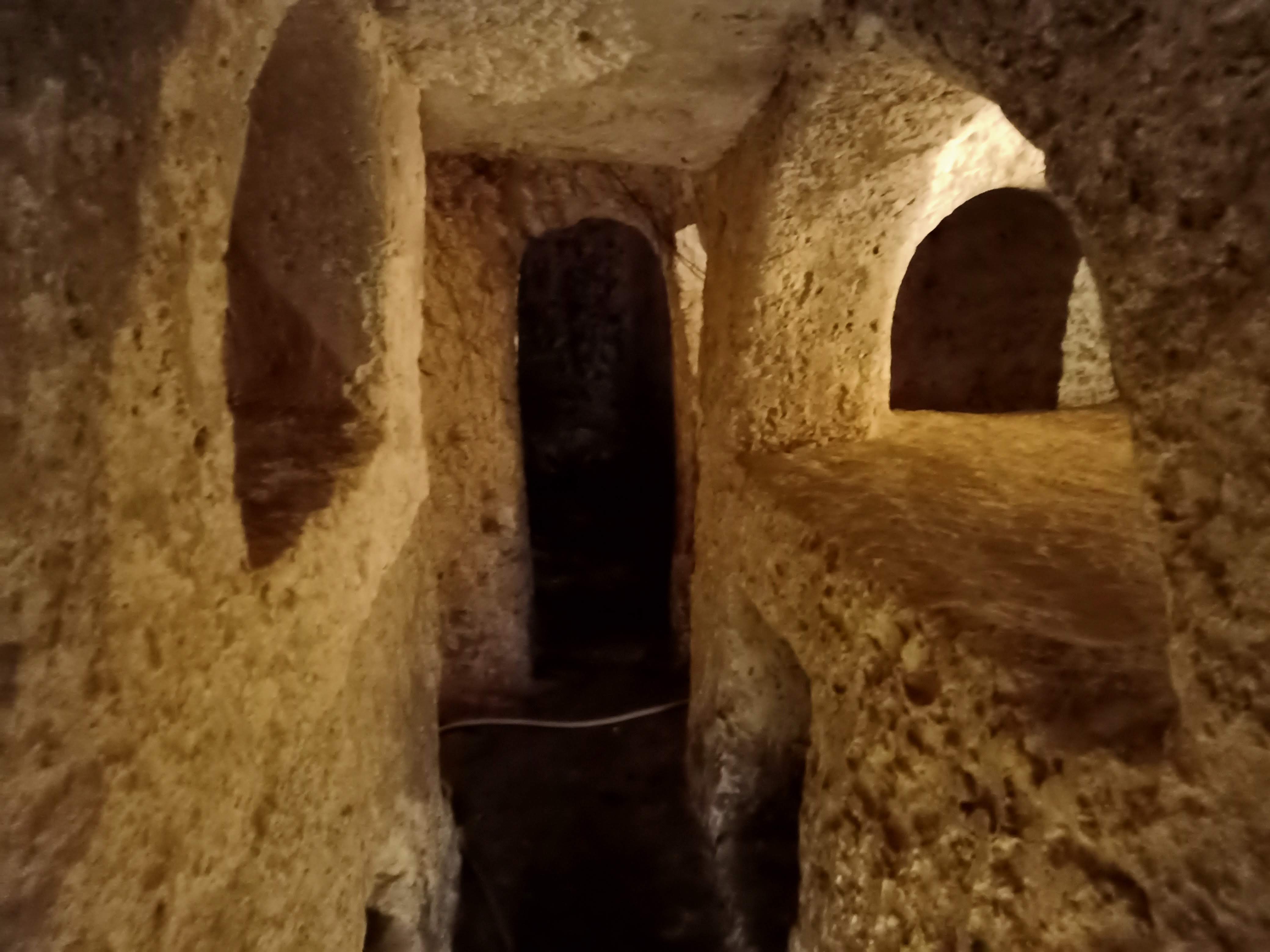
Outside of Valetta, Malta has the world’s largest concentration of Megalithic Temples. The most famous is inarguably the Hal Saflieni Hypogeum, which is said to be more than 6000 years old (atleast). This underground neolithic temple has many labyrinthine altars, shrines and burial chambers, its origins still remain shrouded in mystery. But this is indeed an engineering marvel of the ancient inhabitants of Malta. Be sure to book your tickets months in advance because only a limited number of people are allowed to enter each day. Other than the Hypogeum there are other temples like – Tarxien, Hagar Qim and Mnajdra, these are dated to be atleast a millennium younger than the Hypogeum and yet are suprisingly well preserved. Apart from these temples there is also the Ghar Dalam caves, which bear testimony to the lives of the earliest settlers in Malta. It also has the remains of animals which went extent during the last Ice Age.
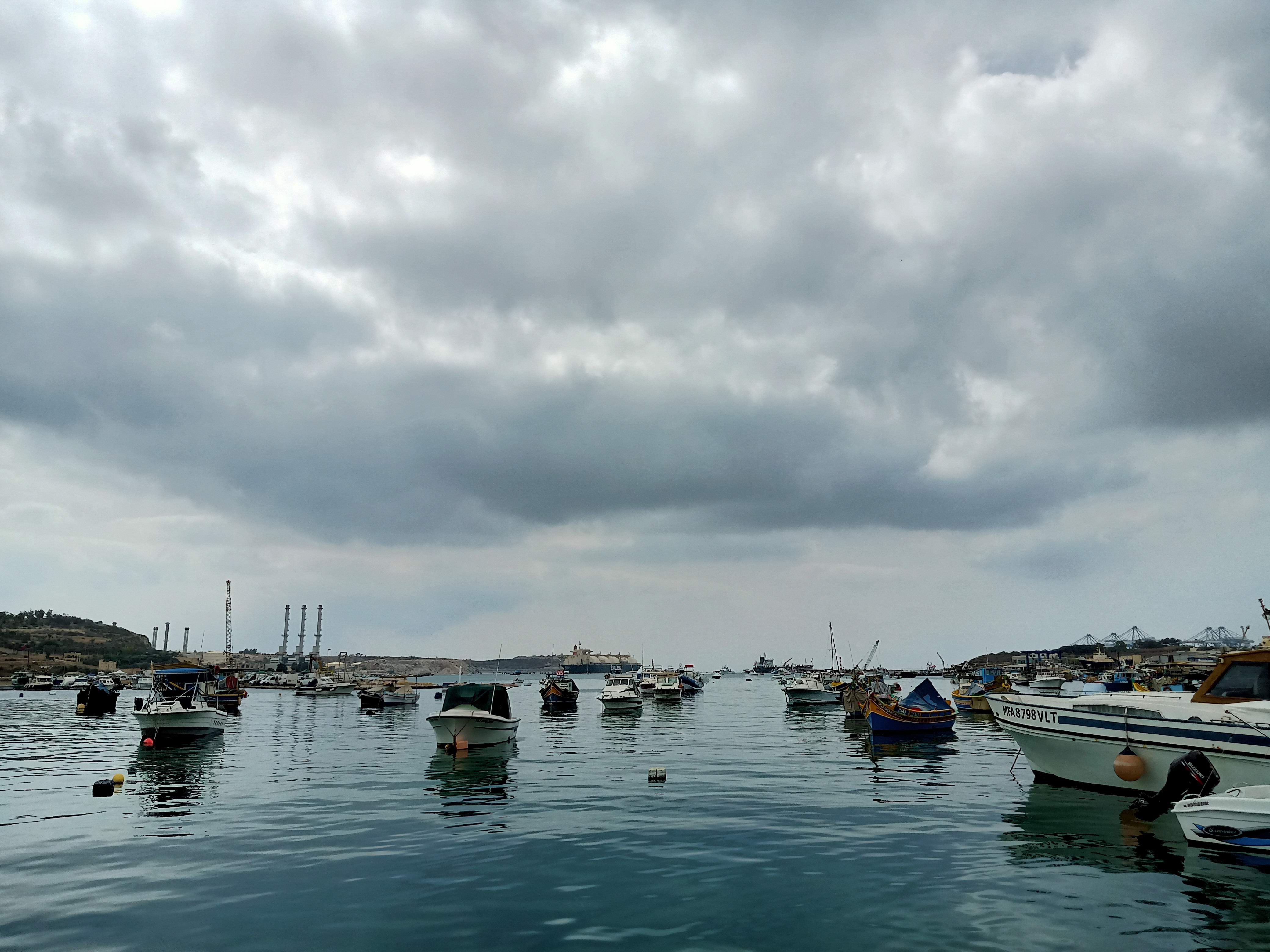
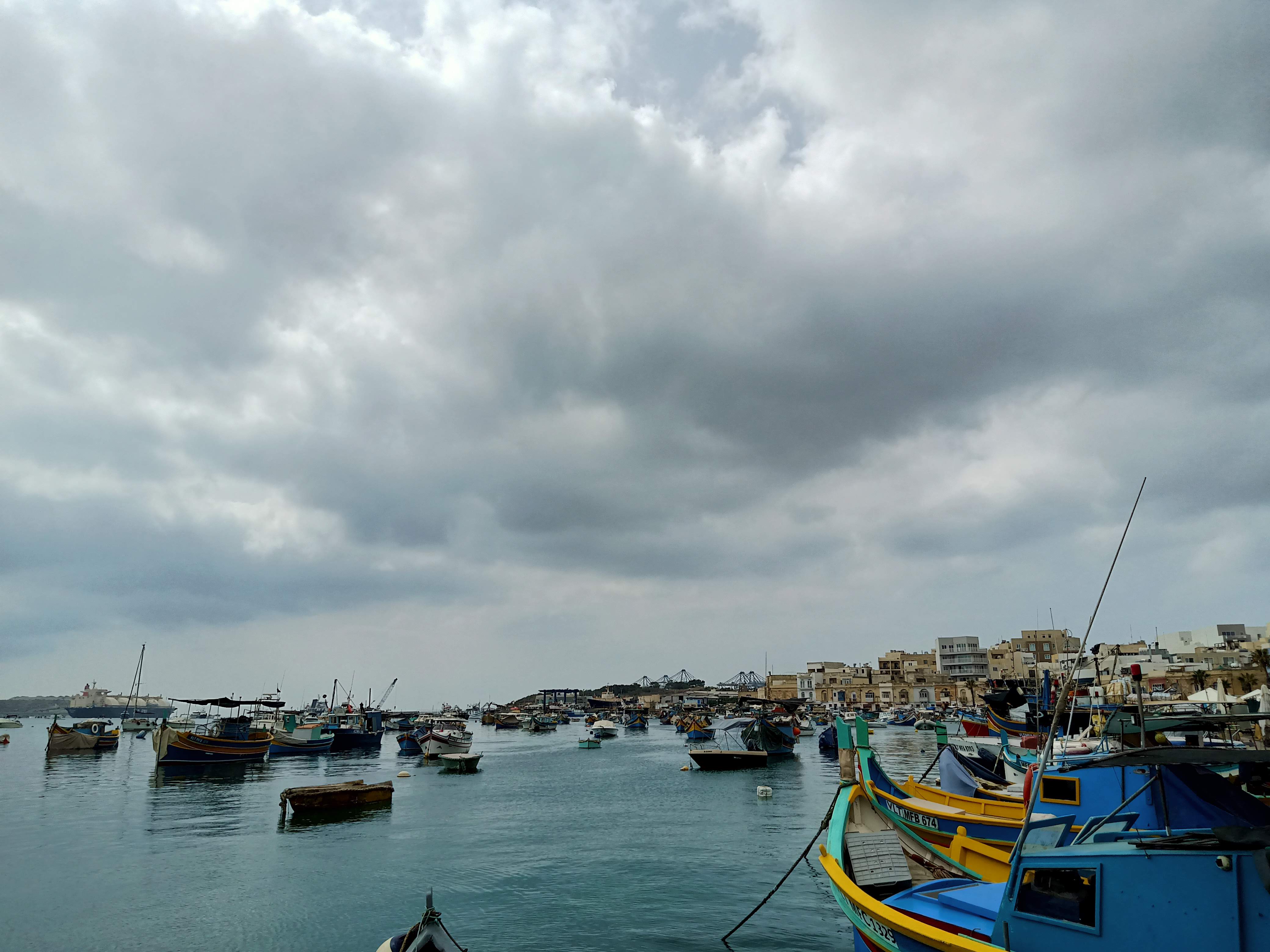
About 5 miles from the Tarxien Temples is the colourful and quaint fishing village of Marsaxlokk. The small fishing boats locally known as luzza litter the harbour, bringing in the fresh catch daily. There is a fish market in close vicinity of the harbour and lots of cafes on the waterfront where one can people watch for hours while sipping a cup of coffee. 10 miles west of Marsaxlokk are the underwater caves known as the Blue Grotto. The sea algae gives the alcove its characteristic cobalt blue color. You can go for a swim here or take a raft to explore its interior, it is a vantage point giving a picturesque view of the ocean.
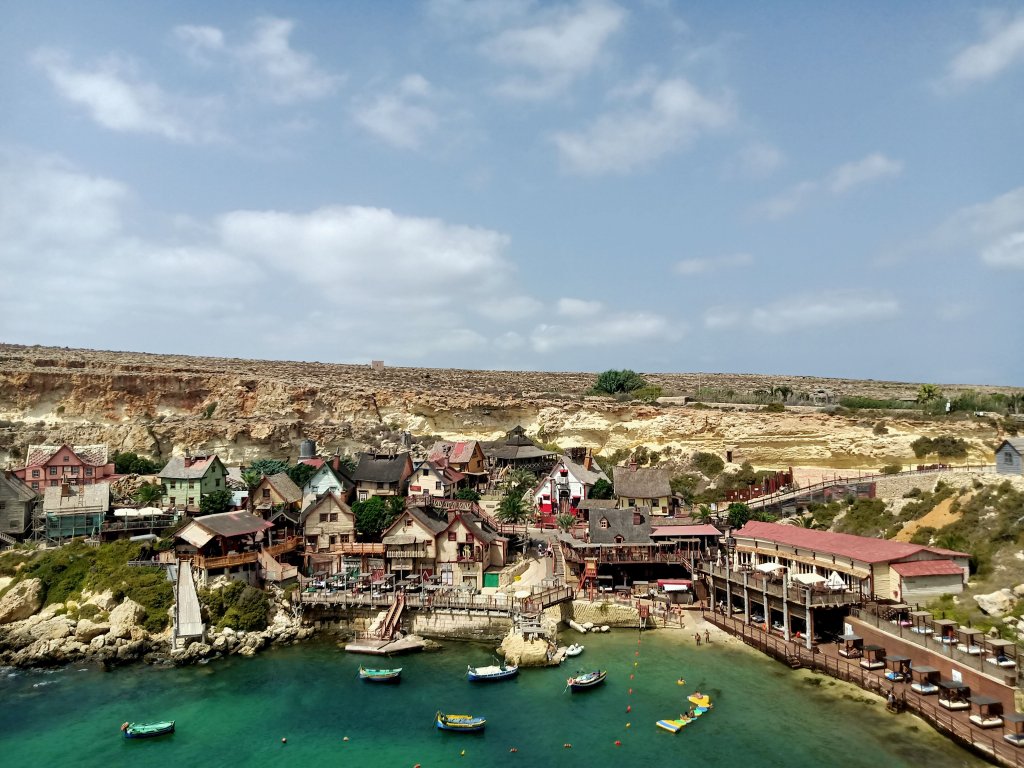
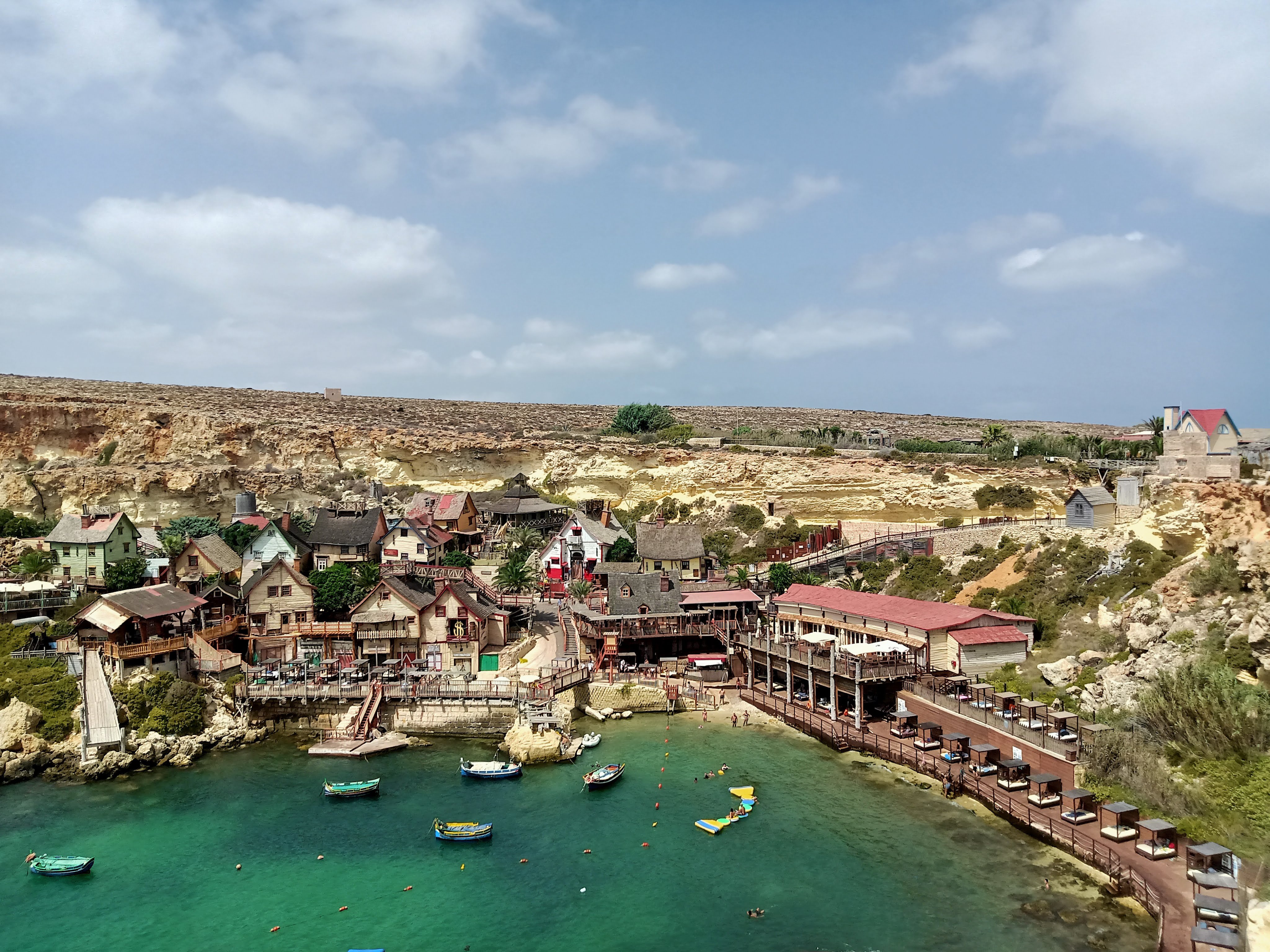
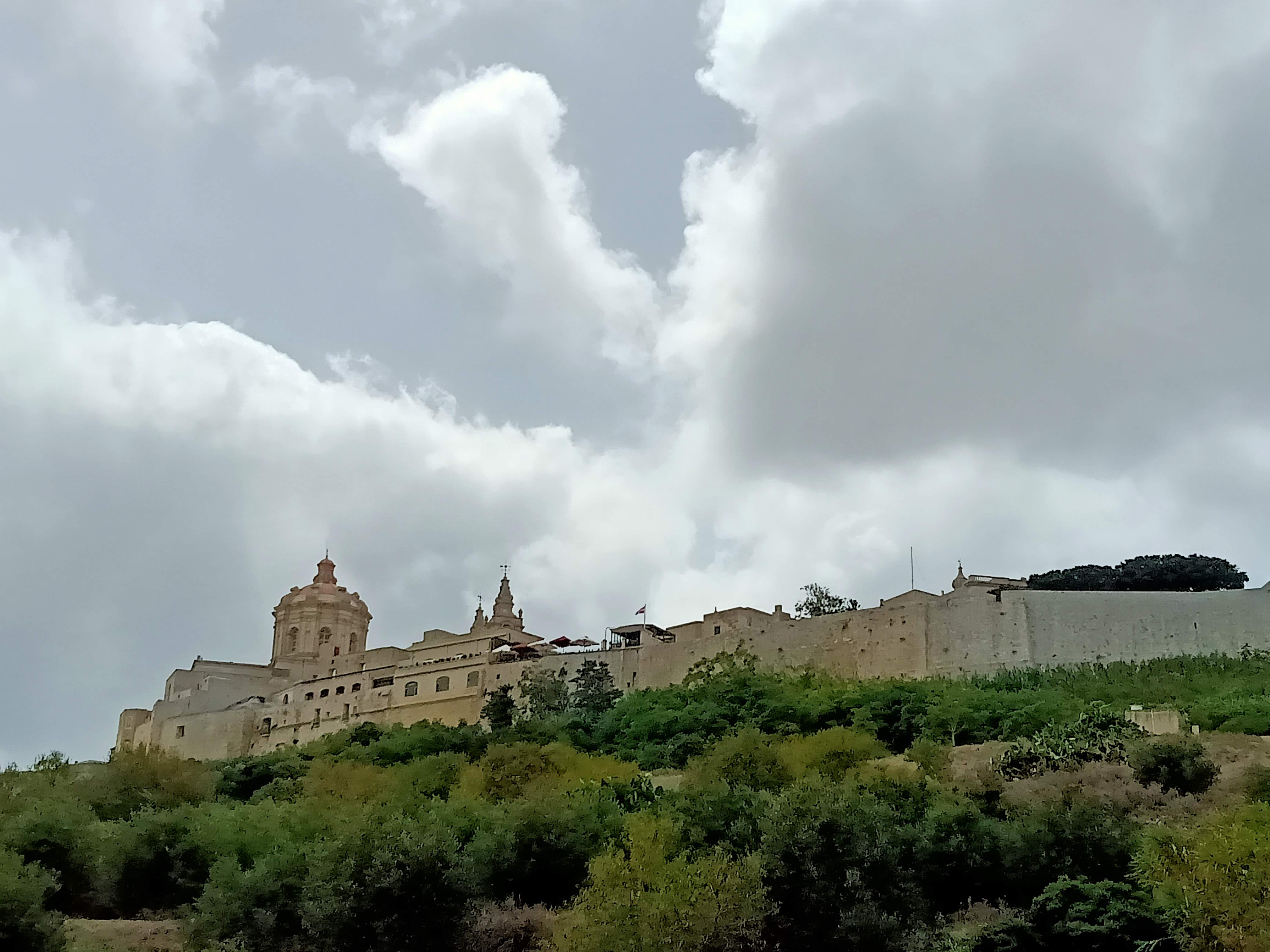
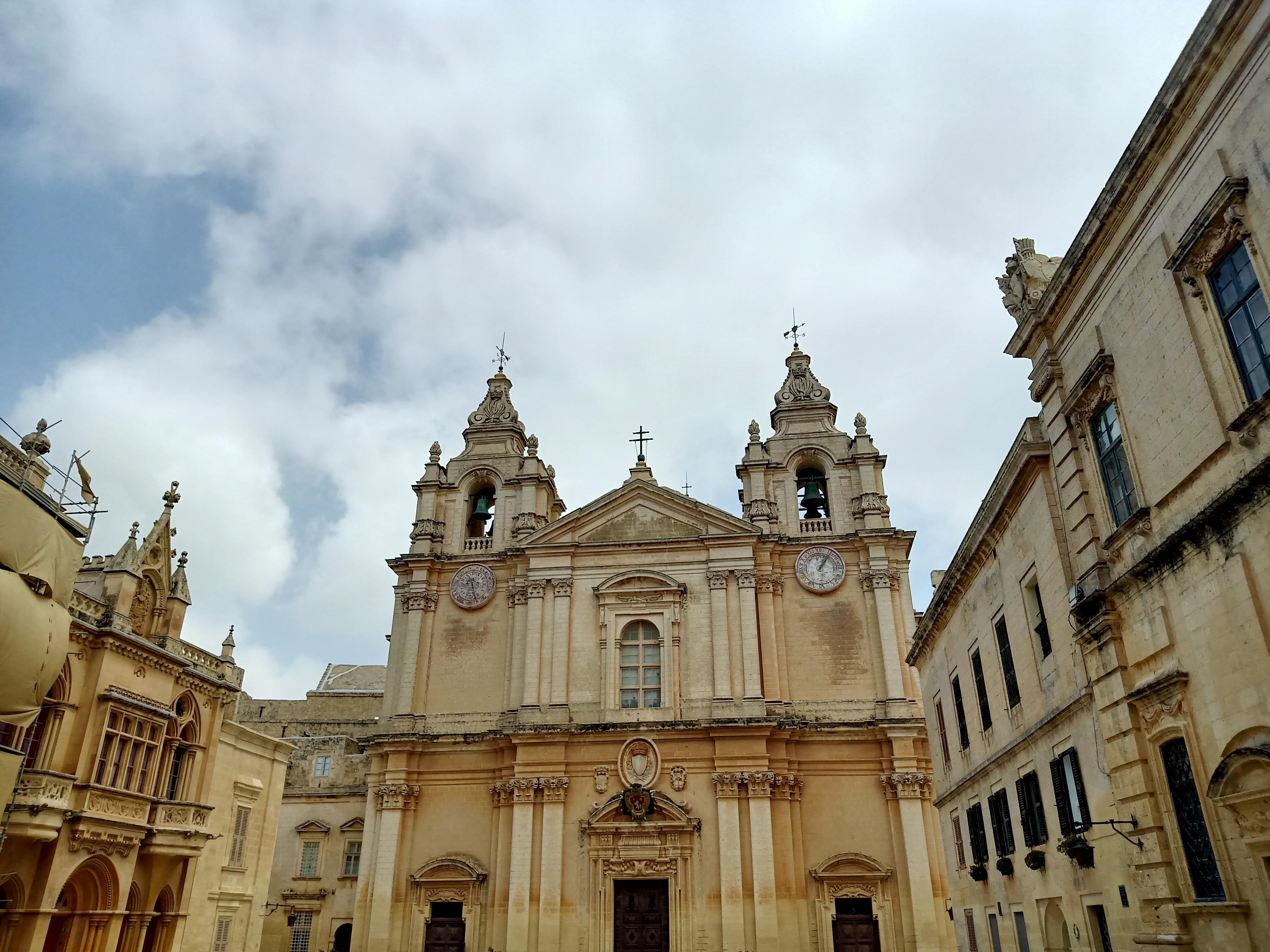
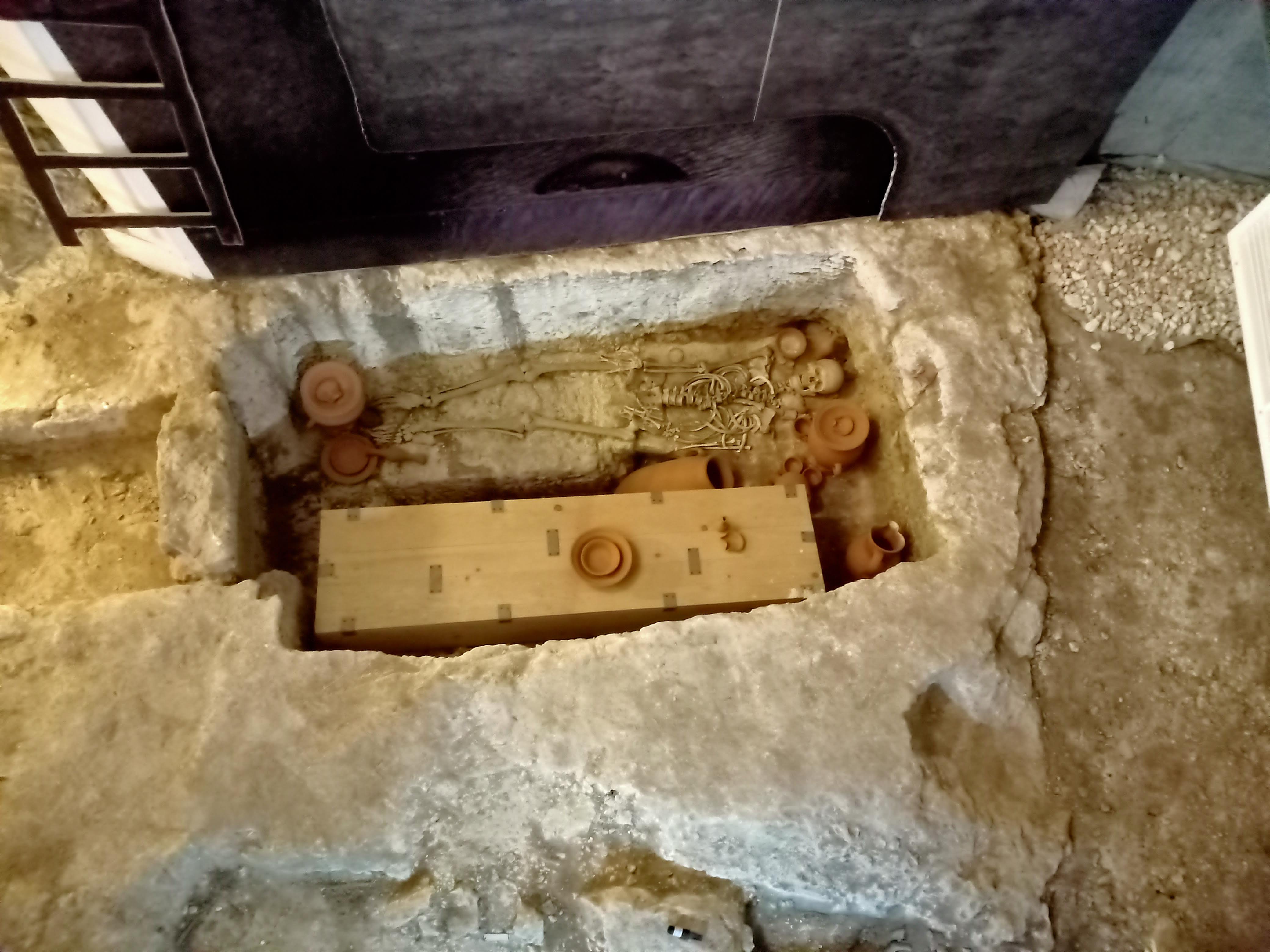
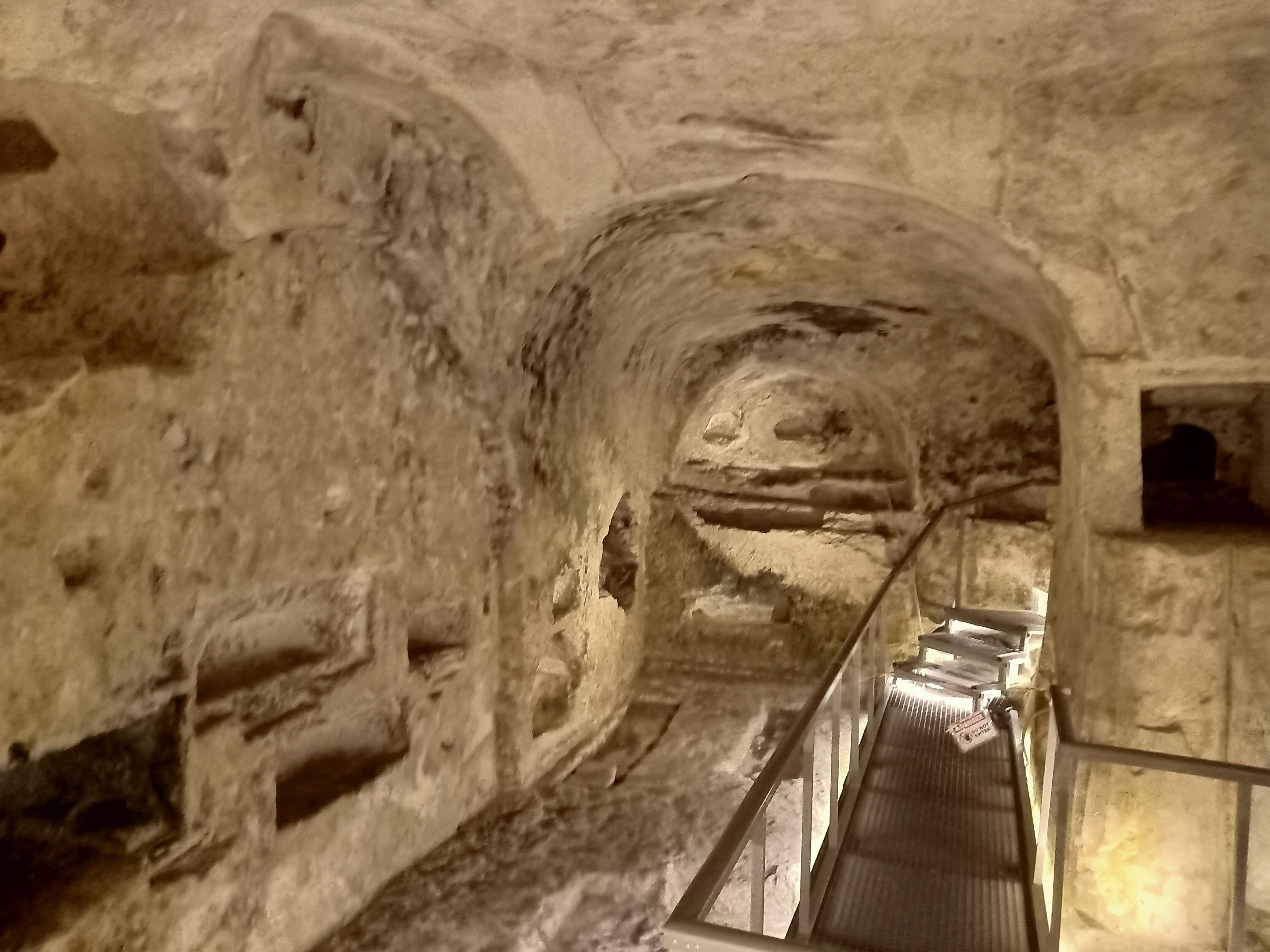
At the center of the island is the medieval capital of Mdina. The walled city perched atop a small hillock, has been the home of the Knights during the middle ages, it offers panoramic views of the entire nation. It houses Malta’s oldest cathedral – St. Paul’s Cathedral and the 18th century Vilhena Palace. Next to Mdina is Rabat where you can get a glimpse of the city’s necropolis (St. Paul’s Catacombs) which has many underground tombs dating back to the 3rd century, during the early days of christendom on the island. Malta is a popular filming location for many famous Hollywood movies (Jurassic Park, the Mummy, Pirates of the Caribbean). The north-western coast still houses the sets of the Popeye movie from 1980, it is locally known as Popeye Village and is a popular getaway among locals and tourists alike.
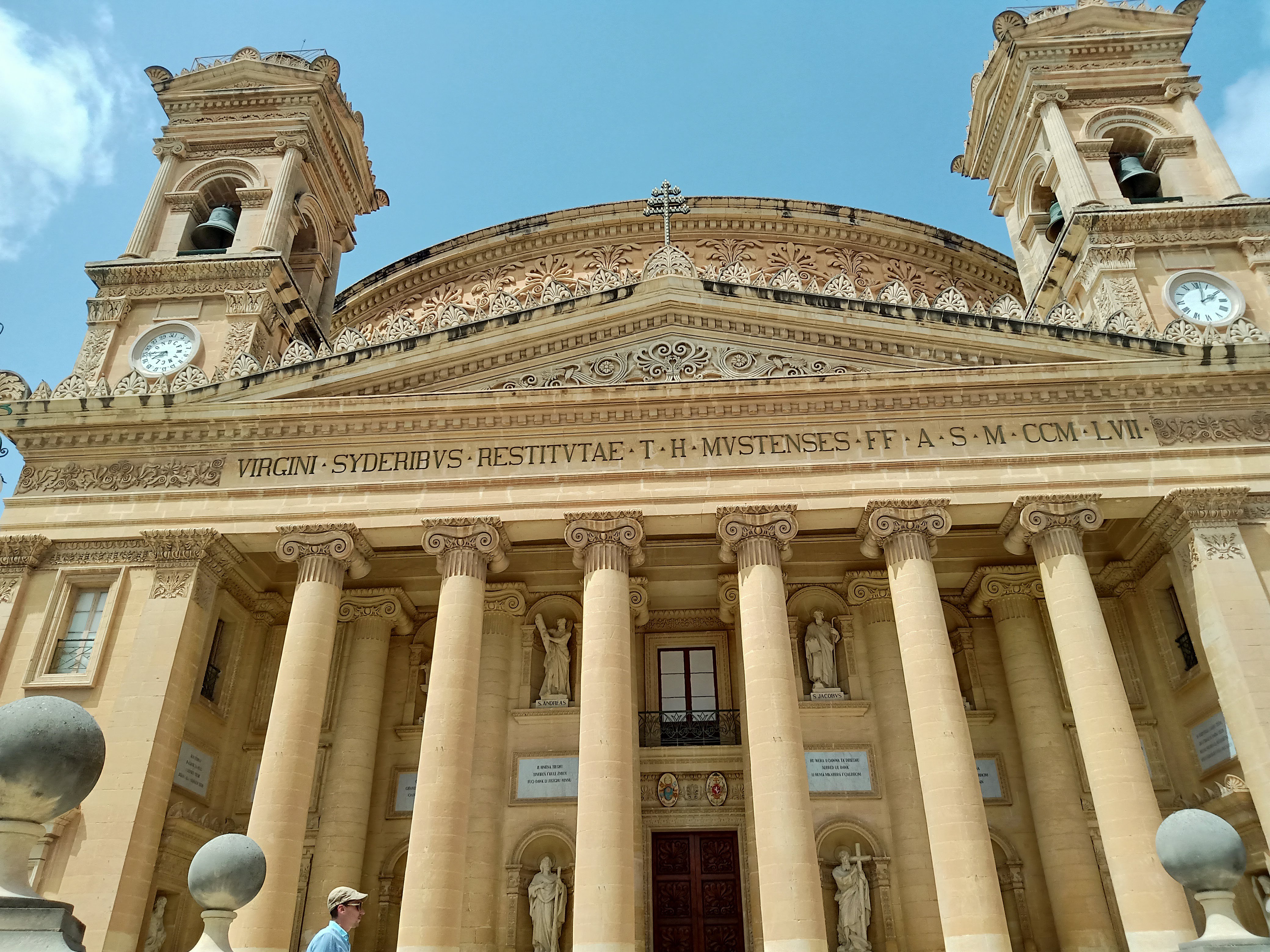
A trip to the island is incomplete without a visit to the Mosta Church, a nineteenth century church built in Romanesque style, it has Europe’s third largest dome. In 1942, a german bomb fell through the dome of the church while it was full of people and miraculously didn’t explode. Today you can still see cracks in the roof through which the bomb had pierced through. A replica of the bomb is kept in the church for people to gaze at. Below the church are the bomb shelters dating back to the second world war. Apart from Malta it is highly recommended to spend a day or two on the sister islands of Gozo and Comino. Gozo was the filming location for some episodes of Game of Thrones (season 1). Comino is an islet inhabited by 30 families or so and makes for a perfect getaway from the crowds.

Things to Eat
Maltese Food is an eclectic amalgamation of Arabic, Italian and Mediterranean cuisine. Having lived in Berlin for a while, I have been accustomed to the large serving portions in German restaurants, however the hearty Maltese portions blow the Germans out of the water. The food hall in Valetta (Is Suq Tal Belt) is a one stop shop for all national and international cuisine. Stuffat Tal-Fenek (Rabbit Stew) is the national dish of Malta so is the fish pie (Lampuki). However, more often than not you will find yourself snacking on the Pastizzi (a cheese filled flaky pastry). Apart from this the Maltese sausages and cheese taste distinctly different from those available in mainland Europe. Of Arab influence is Imqaret a date filled pastry often served with a dollop of ice-cream and whipped cream. For those with a sweet tooth try out the multitude of maltese desserts on offer, you cannot go wrong with this.
How much does it cost
Malta is quite light on your pocket, a single meal will cost you less than 10 euros. A room near the Valetta waterfront is anywhere between 40 to 50 euros a night. Since, it has officially adopted the euro you don’t have to worry about exchanging your paper bills in case you come from a country which has the euro as its national currency. There are many forex shops in Republic street and Merchant street and most places accept payment in cards anyway. The entire trip had cost me about 300 euros (all inclusive).
































































 Quantum Explorer