The capital of Hungary, lies on the bank of the mighty Danube, from the Celts, Romans, Mongols to the Hapsburgs the city has been host to all major empires of its time. The co-capital of the Austro-Hungarian Empire (along with Vienna), it consists of the hilly Buda and the low lying Pest.

How to get there
The metropolis is very well connected to its neighboring states like Austria, Slovenia, Slovakia and Czechia by land, rail and air routes. Wizz air, the low cost airlines from Hungary connects the capital to other major destinations in the world. There are three main railway stations in the city with the central station being located on the eastern side, its called Keleti Palyaudvar. I had taken the Flixbus from Berlin to Budapest, its an overnight journey which takes you through other major capital cities like Prague and Vienna.
Where to Stay
Budapest is one of those places where almost every neighborhood is cosy, hospitable and close to some tourist attractions. It doesn’t have a central old town which forms the cynosure of tourist footfalls. You can either live near on the side of Buda, near the hills, the Gellert Hills or cross the Danube and stay near the National museum. Andrassy Avenue is the high end shopping and fashion street of the city, neighborhoods near it are well connected to all parts of the city. I had stayed at Central Hotel 21 and Apartments, its really close to the Market Hall and museum.
How to Commute
Budapest metropolitan region has all forms of modern transport – trams, buses, metro, and also the intercity train. The metro sub stations are conveniently located near all major bus terminals like Kelenfold and Nepliget. It is highly recommended to buy a daily/multi-day travel pass because tickets will be regularly checked in the metro stations. Also, if you are purchasing individual travel tickets for every ride, you have the additional overhead of validating them before starting the journey.
Things to See
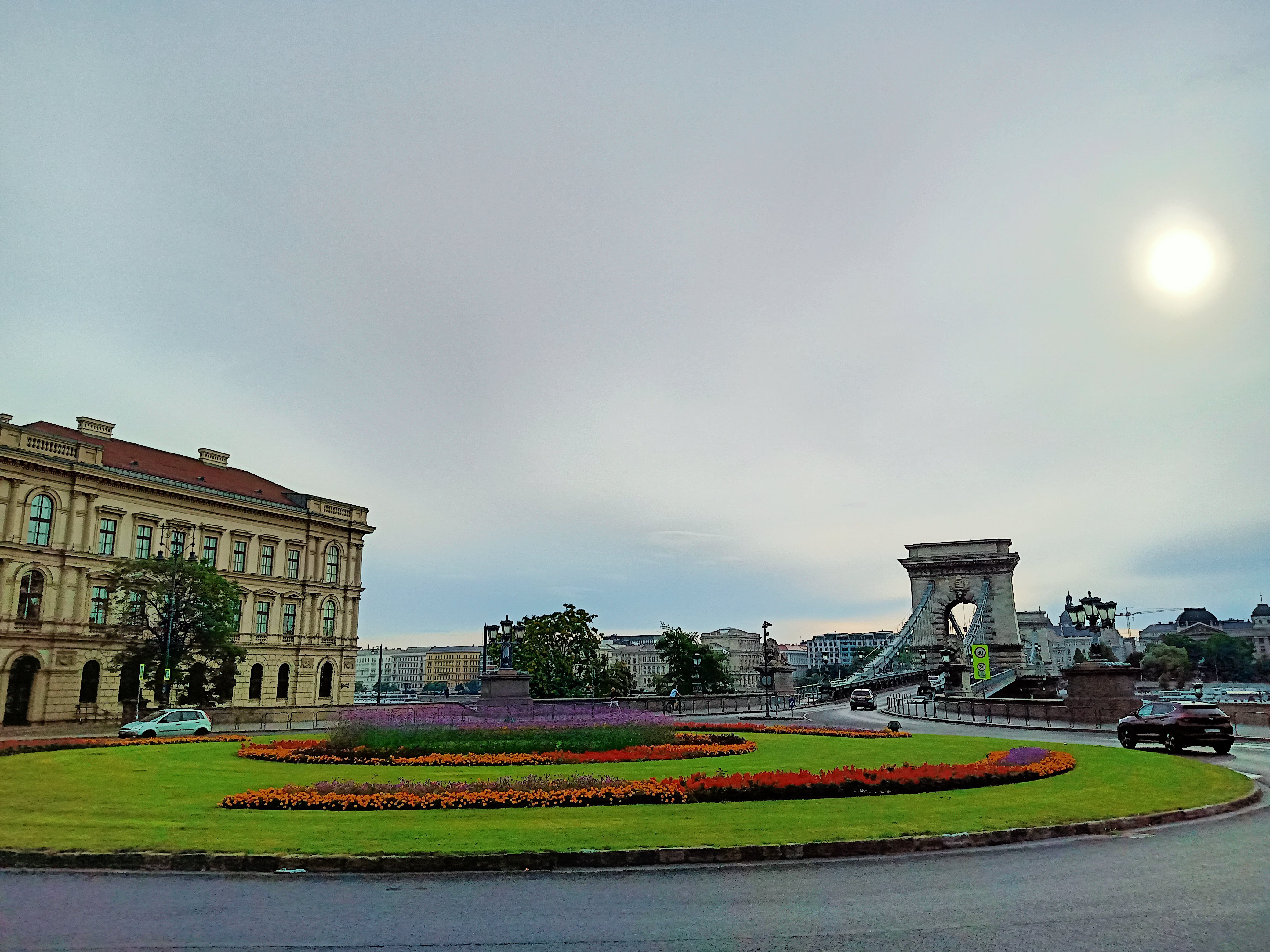

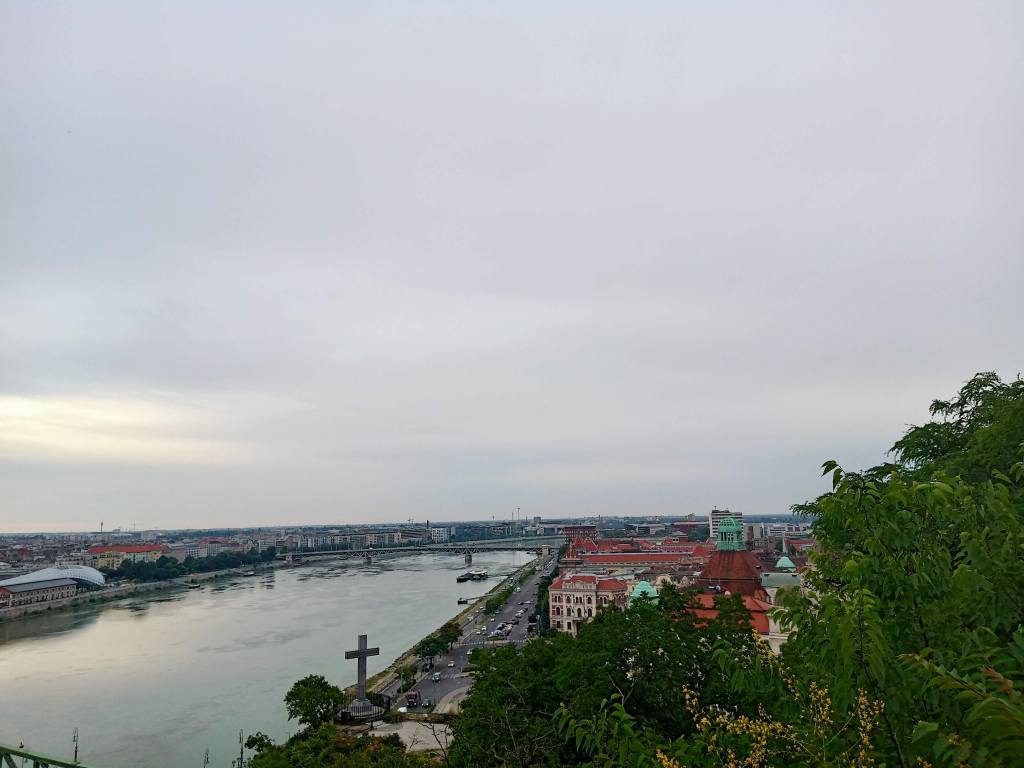
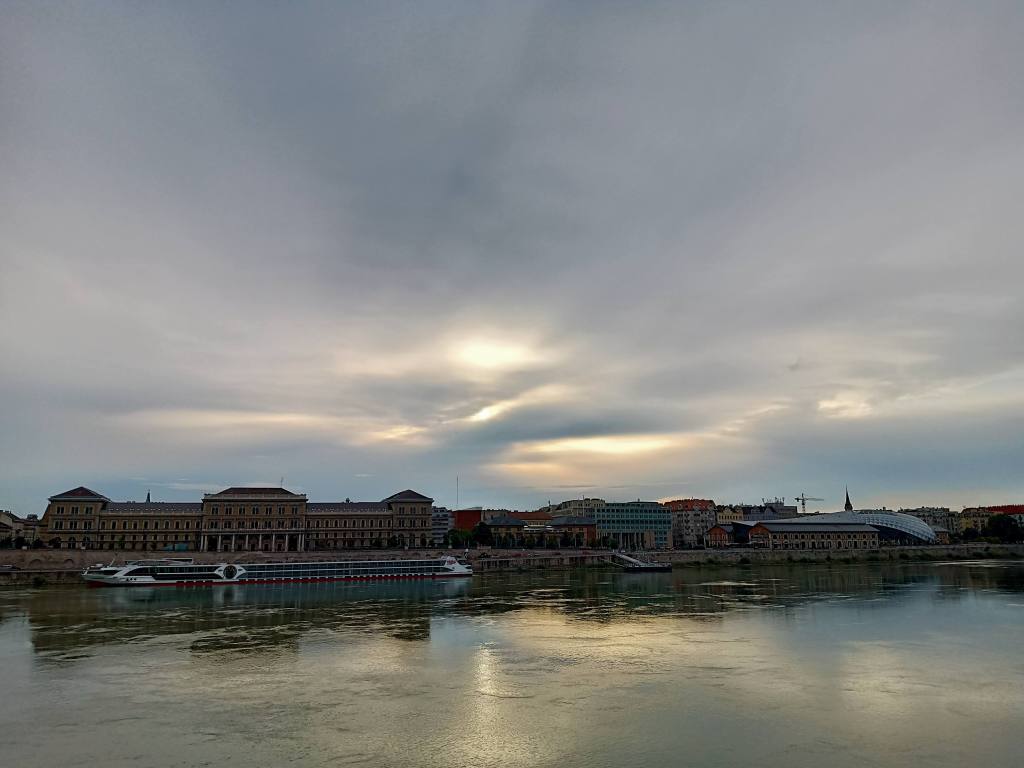
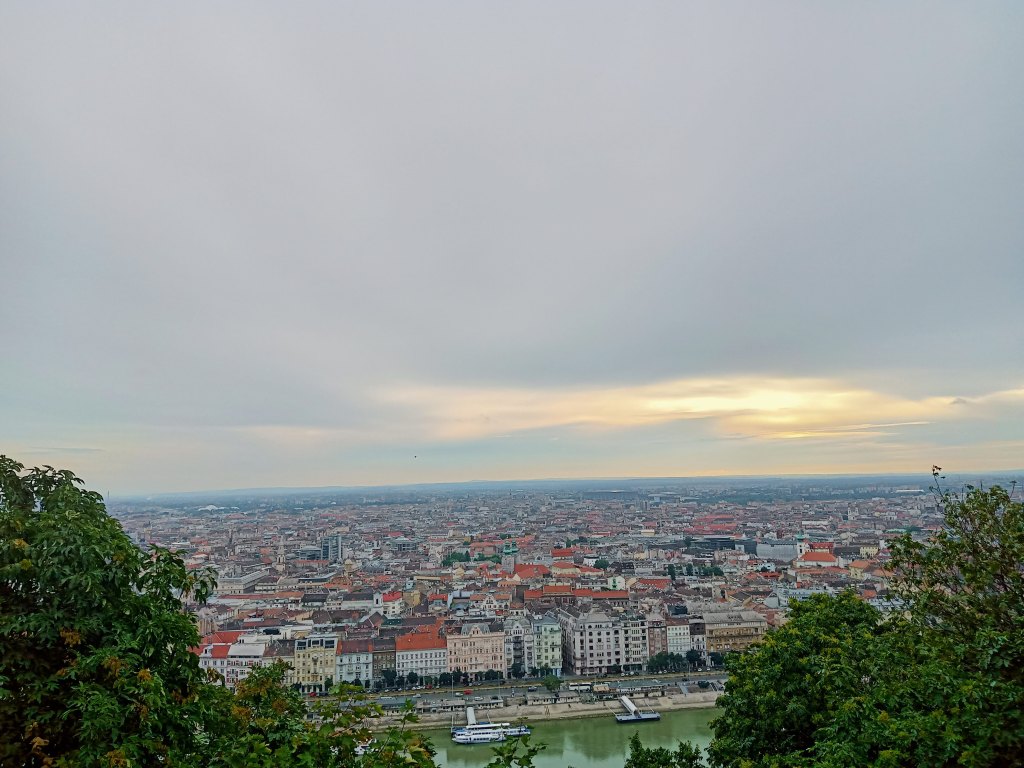
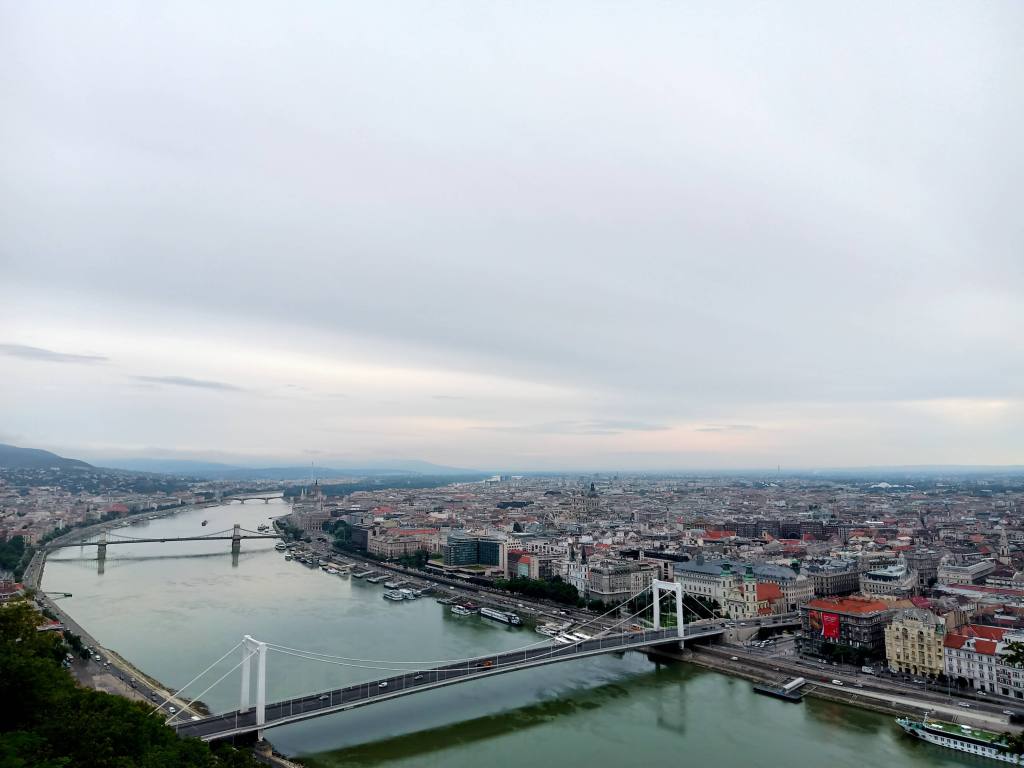
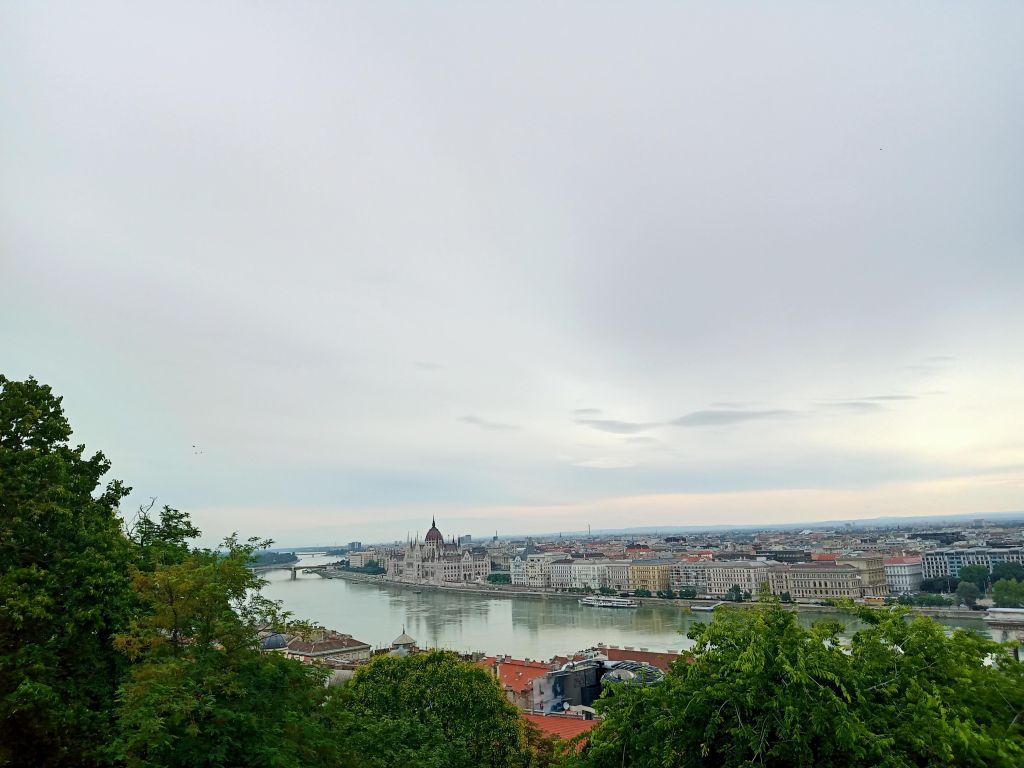
You can start your journey on either side of the Danube, I had started my trip at the base of the Gellert Hills which is very close to the Gellert Thermal baths (one of the many baths dotting the city). The uphill climb to the top is not very difficult there are resting places after every couple of metres, you can catch a breath here while gazing at the lapping waters of the Danube and the red bricked Pest beyond it. You will also be able to get a view at the many bridges over the river, most notable among them are Elisabeth Bridge, Liberty Bridge and Szechenyi Chain Bridge. In the distance, you will be able to make out the spires of the Hungarian Parliament building silhoutted against the sky.
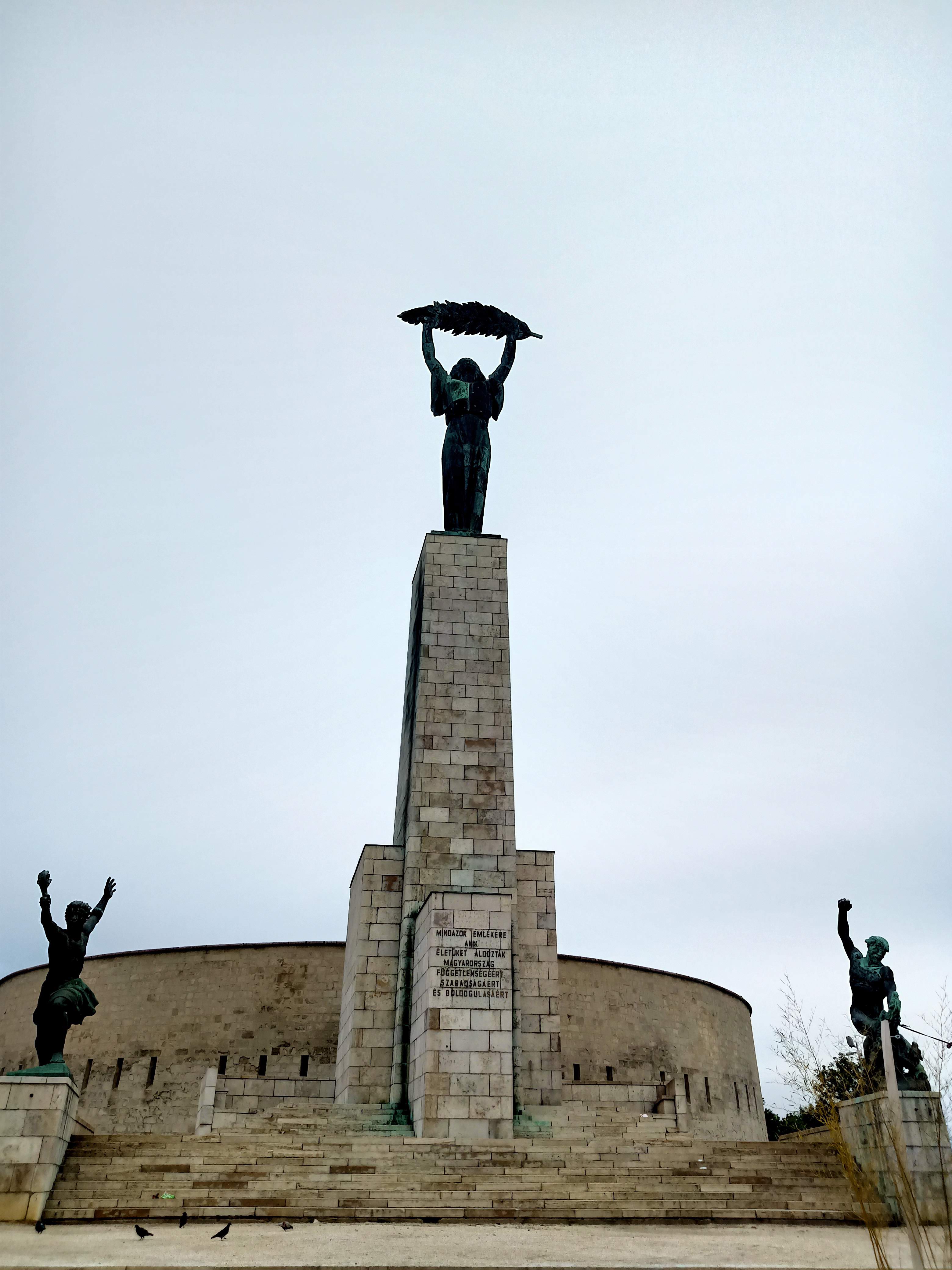
The Freedom Monument is perched on top and is circumscribed by a citadel (known as citadella), which was once a medieval artillery bastion. There are many open spaces and parks on the hilltop and you will find a lot of people running or walking during the early morning hours. So that’s one hill scaled the one to go. Descend from the other side of the hill and walk further down the road along the banks of the Danube, you will soon arrive at the foothills of Buda, you can either walk up to the top or use the funicular.


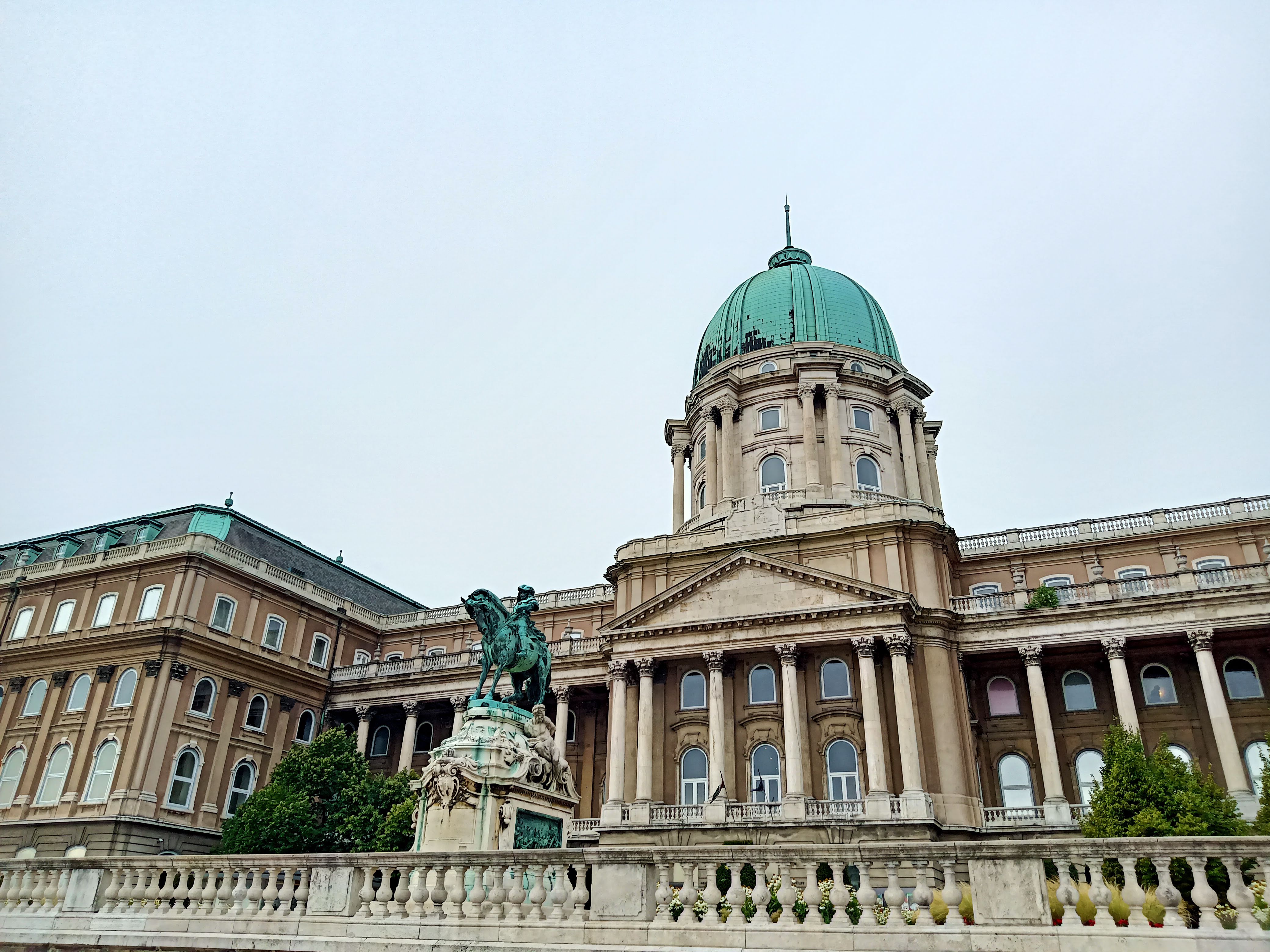
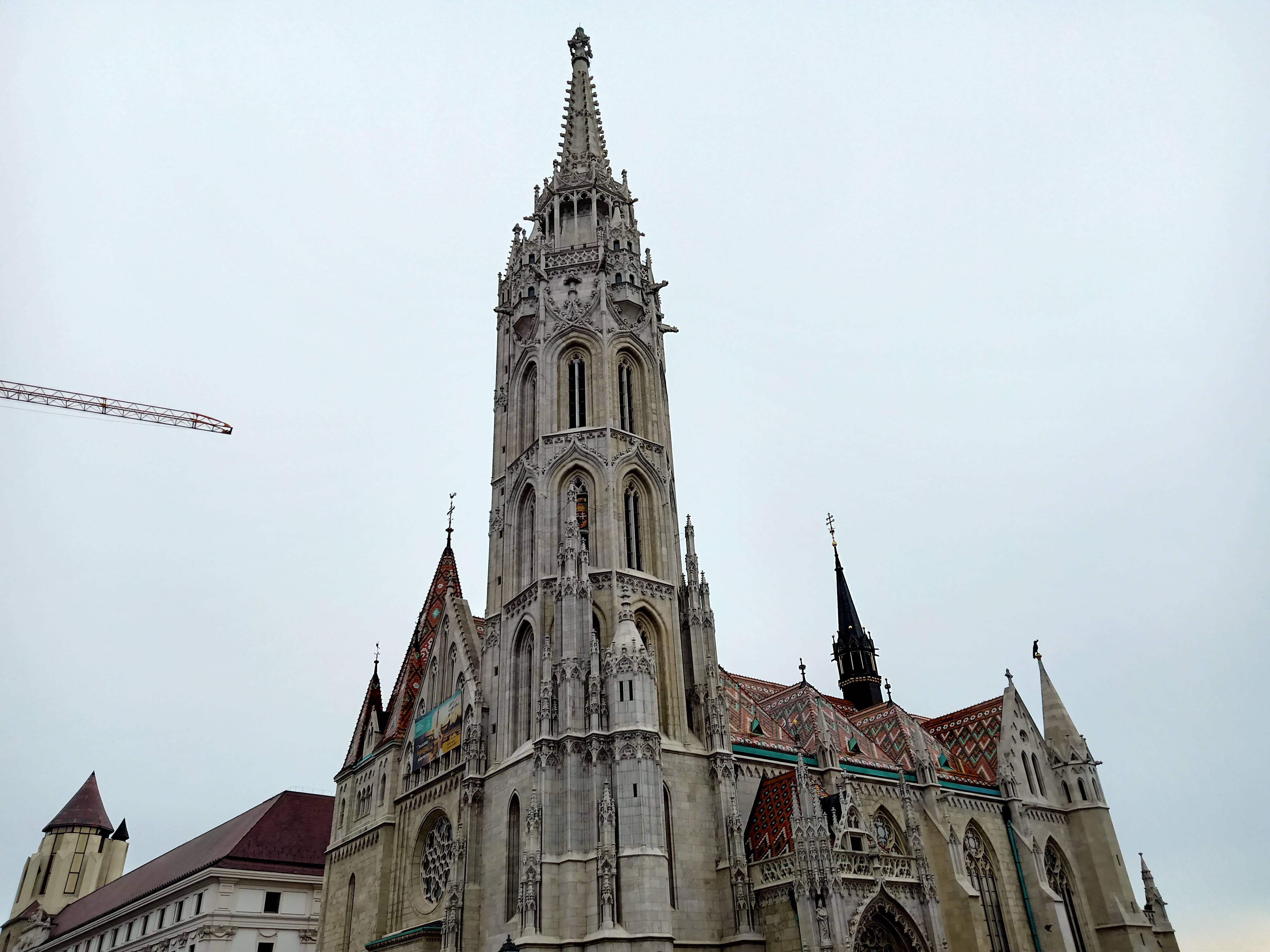
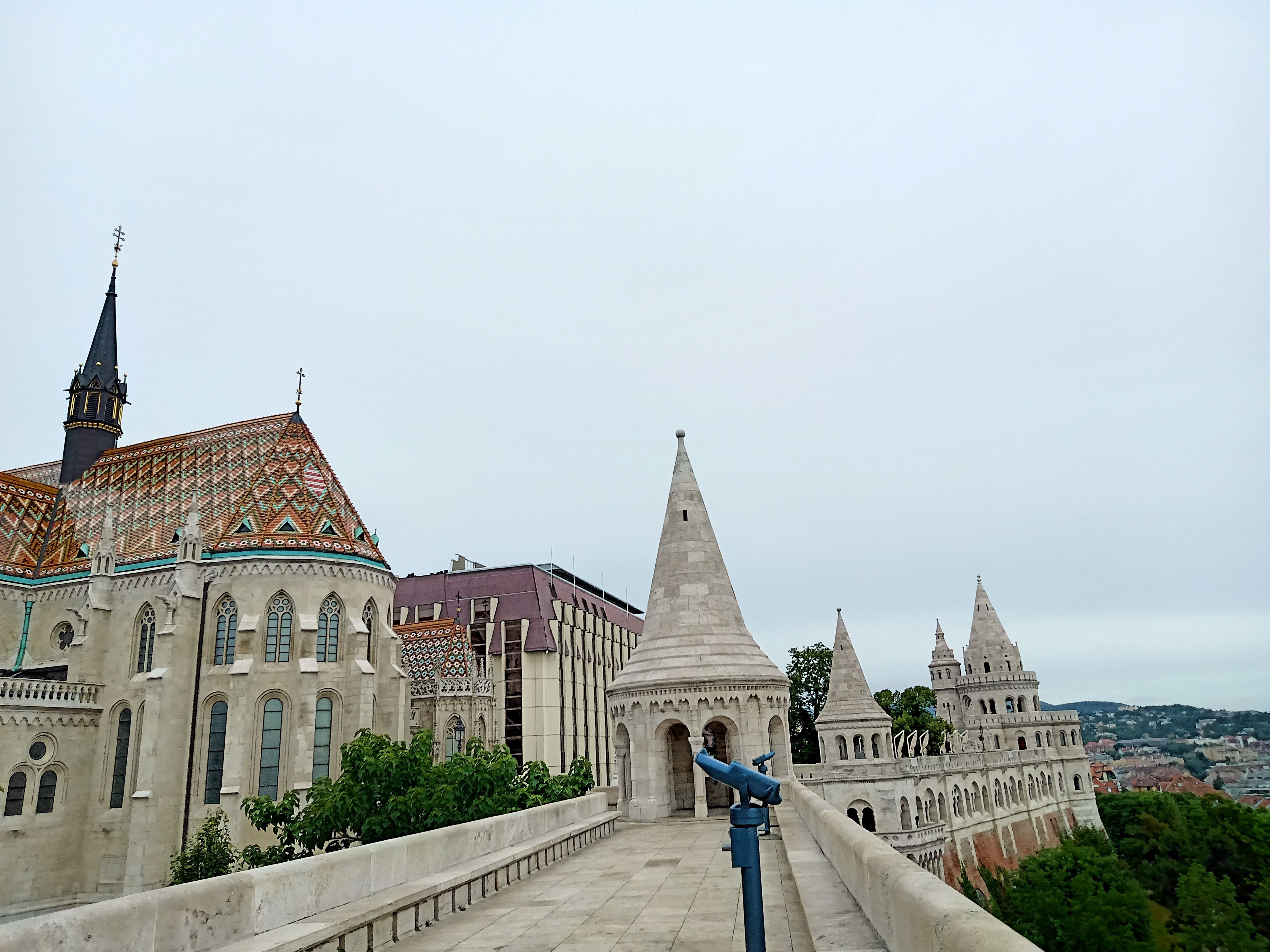
The eponymous Buda hills is a tourist hotspot as it hosts a conglomeration of all major churches, palaces and museums. When you get down from the funicular, the first thing you see is Buda castle to your left and the presidential palace to the right. Saunter along the walls to either side and marvel at the Gothic, Baroque and Renaissance architecture of the buildings. Circumnavigate the castle and head towards the Presidential palace, walk by close to it until the guards shoo you away. Continue along the road, and you will end up at the crossroads from where you can get a glimpse of St. Matthias church and Fisherman’s Bastion. The Bastion was built to honour the seven Magyar cheftains who had established the Hungarian naton. It provides unparalleled views of the Hungarian Parliament Building and the Szechenyi Chain Bridge.
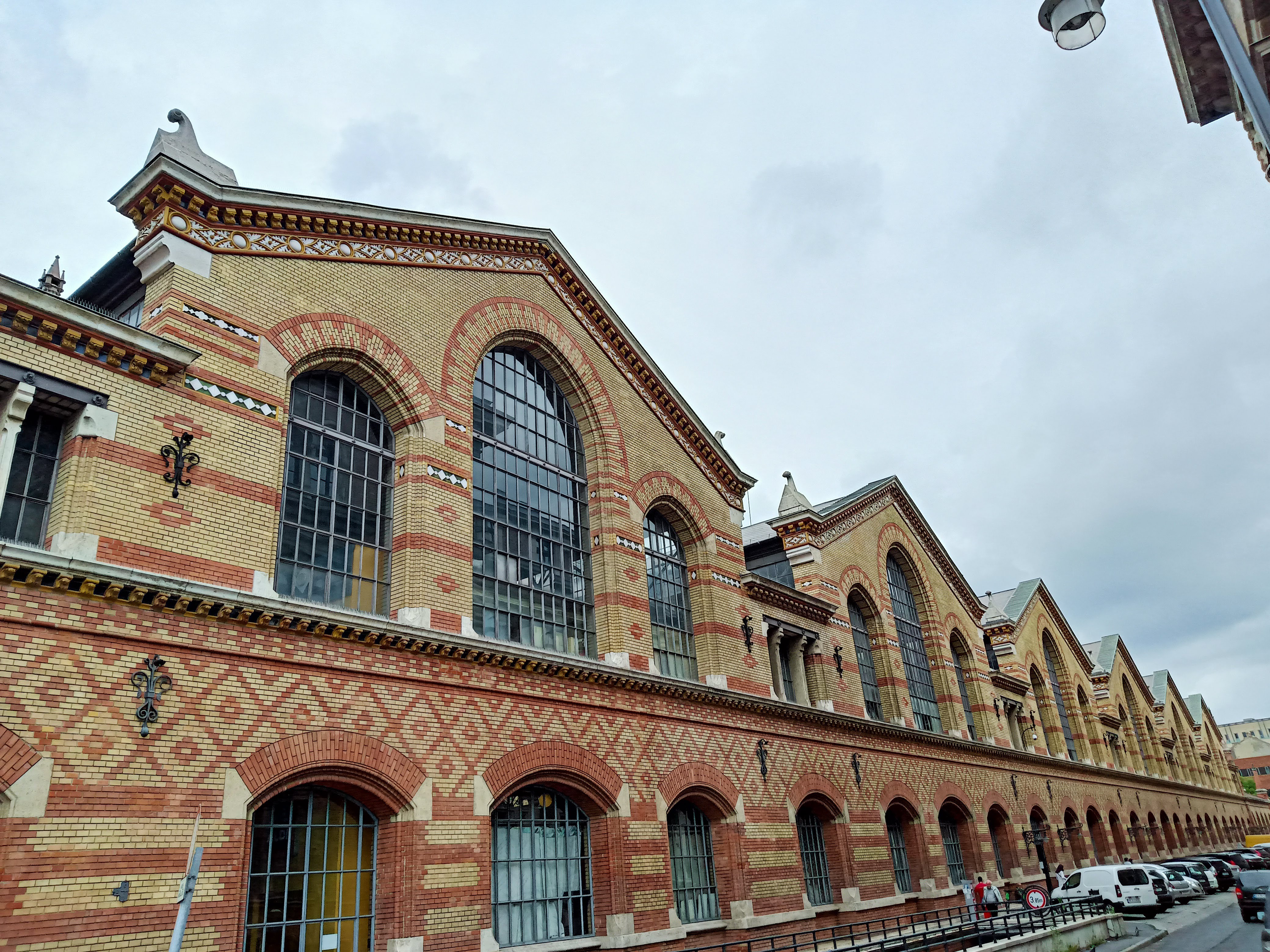
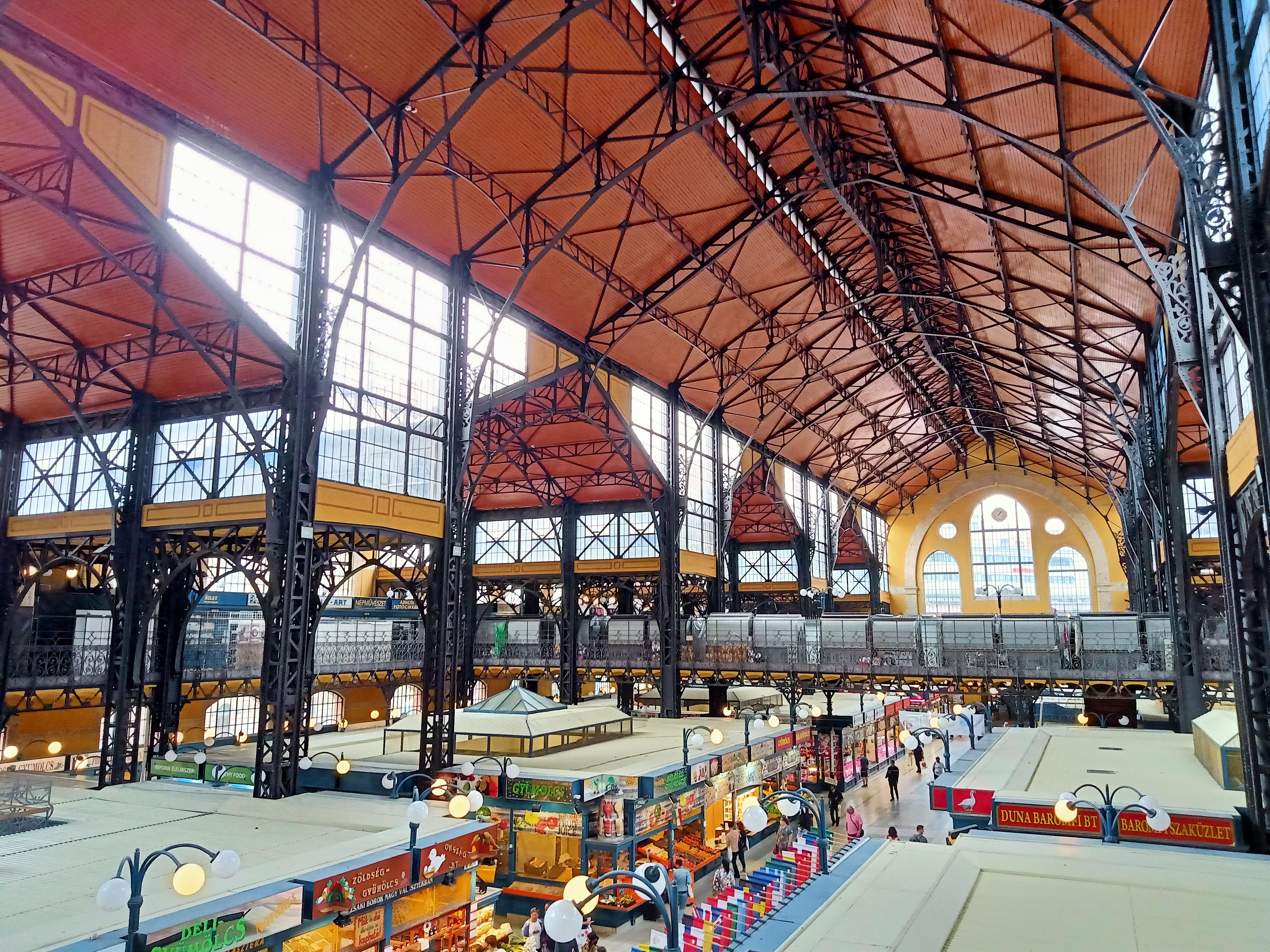
After several hours atop the Buda hill, its time to cross the Danube and move over to Pest. The first stop for me was the great market hall – a 19th century two storied building offering all kinds of fresh farm produce, pickled vegetables, sausages and traditional food. After a hearty lunch at the market hall, continue walking towards the roads leading to Andrassy Avenue and you will end up near the Natonal Museum a brief stop here is recommended for history buffs. With history and food ticked off the list, its time for some rest and repose at the Szchenyi Thermal Baths which are located in the City Park. There is a metro station just next to the baths so getting there is very convenient. The Heros’ square stands at the entrance of the City Park, it has a lot of art museums around it as well. The park is also home to a medieval castle called Vajdahunyad, many cafes and restaurants line the canals around the castle, you can easily spend a couple of hours here people watching and letting the verdant landscape slowly embalming your soul.

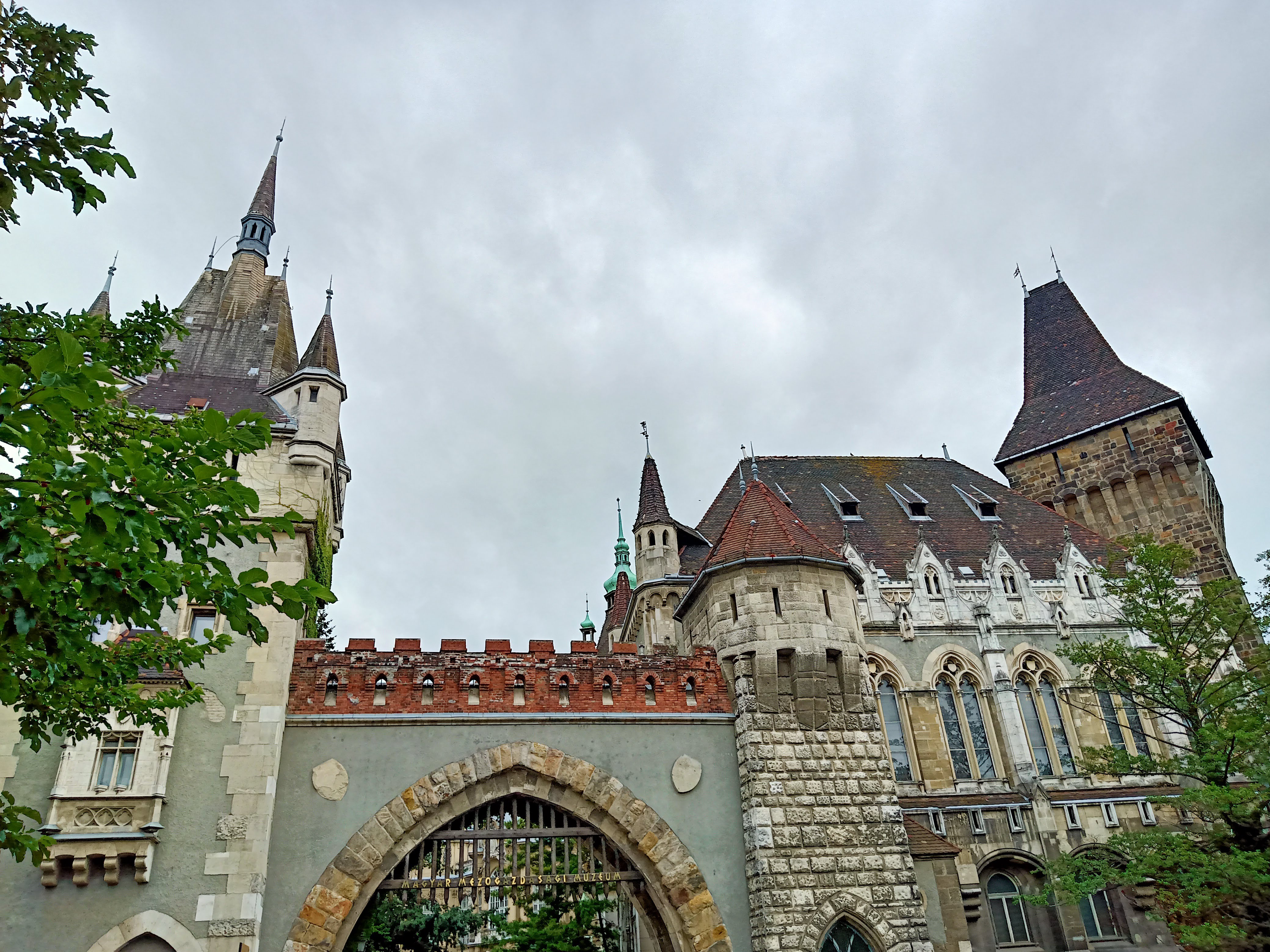
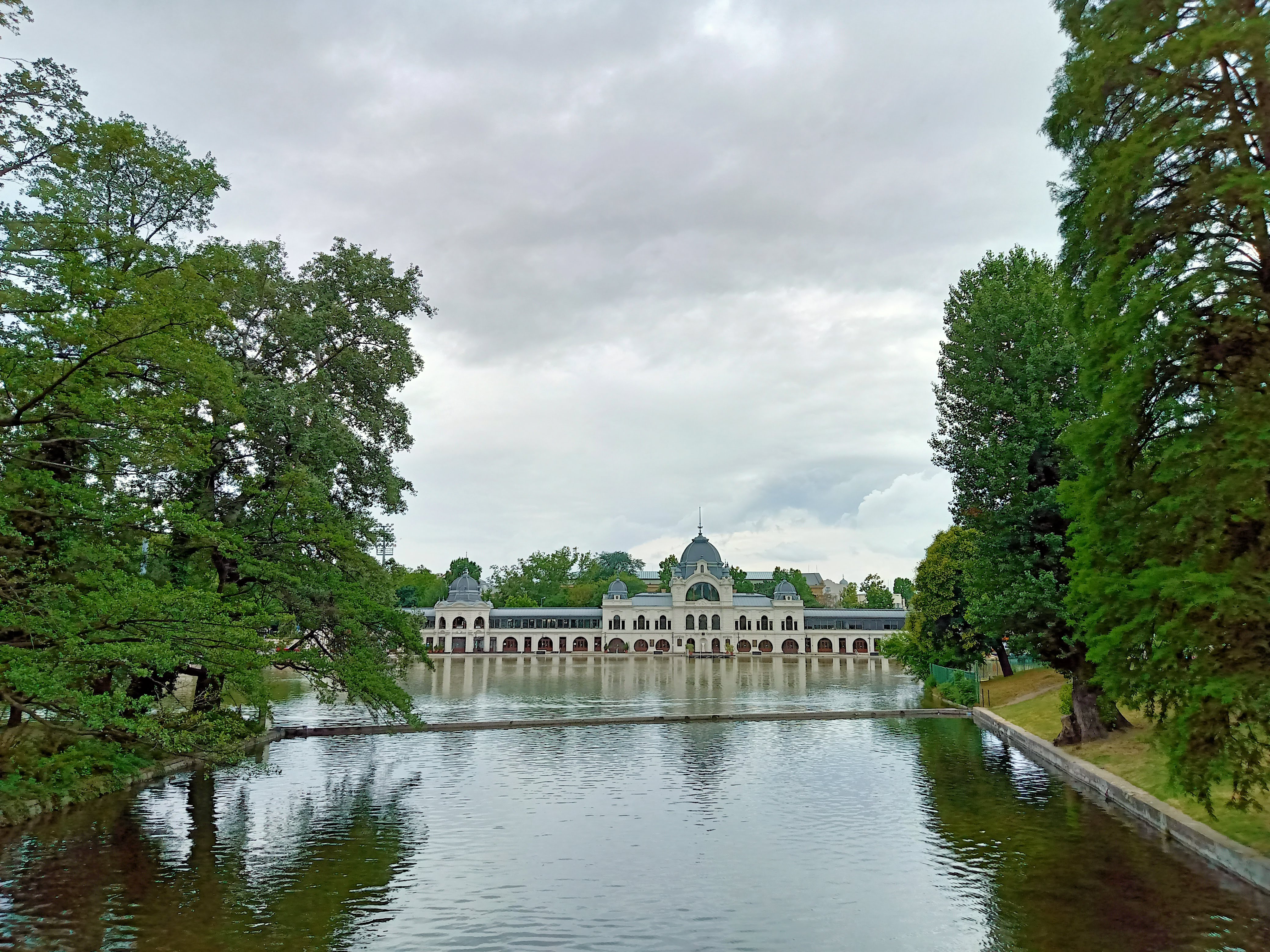
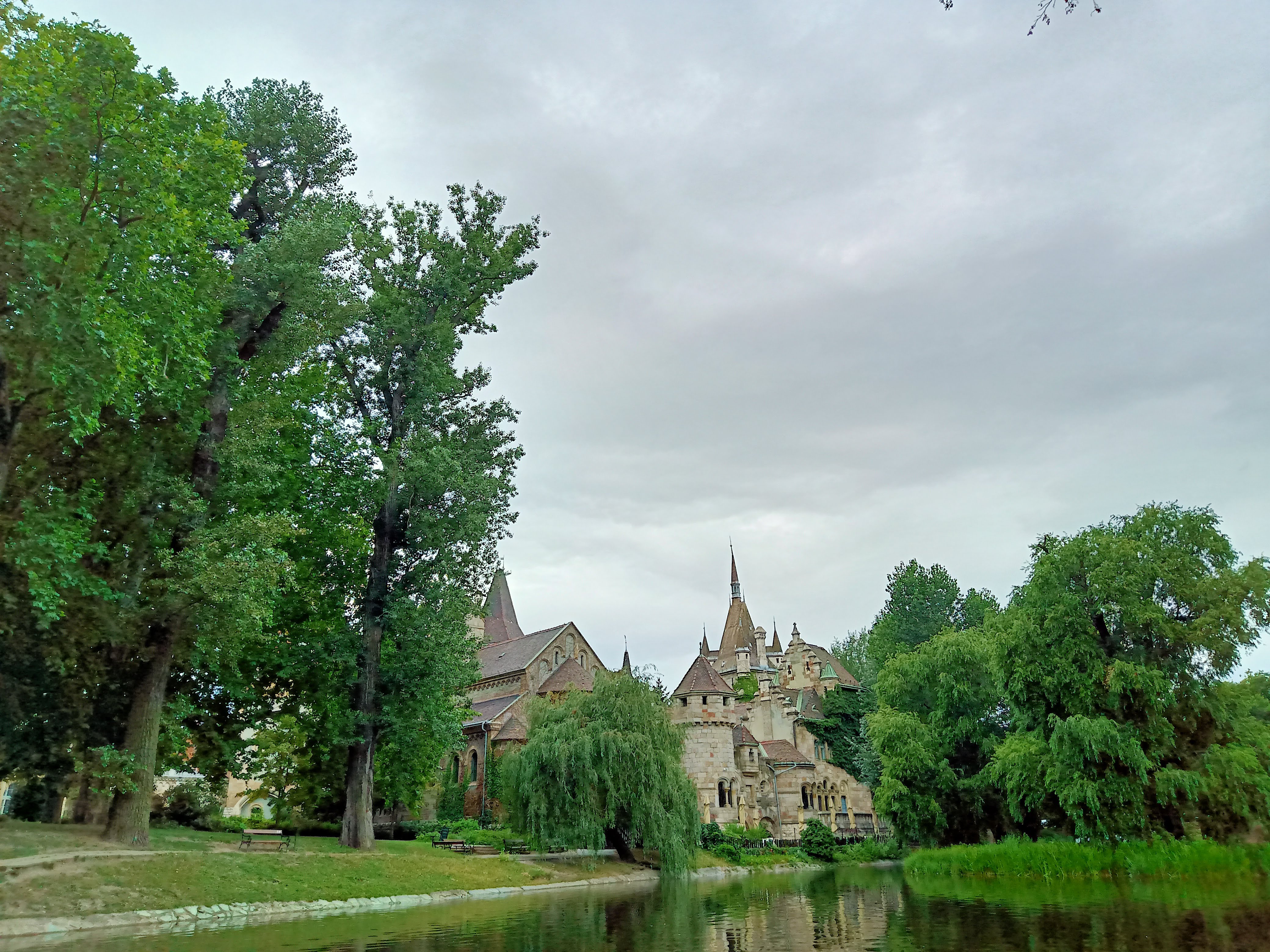
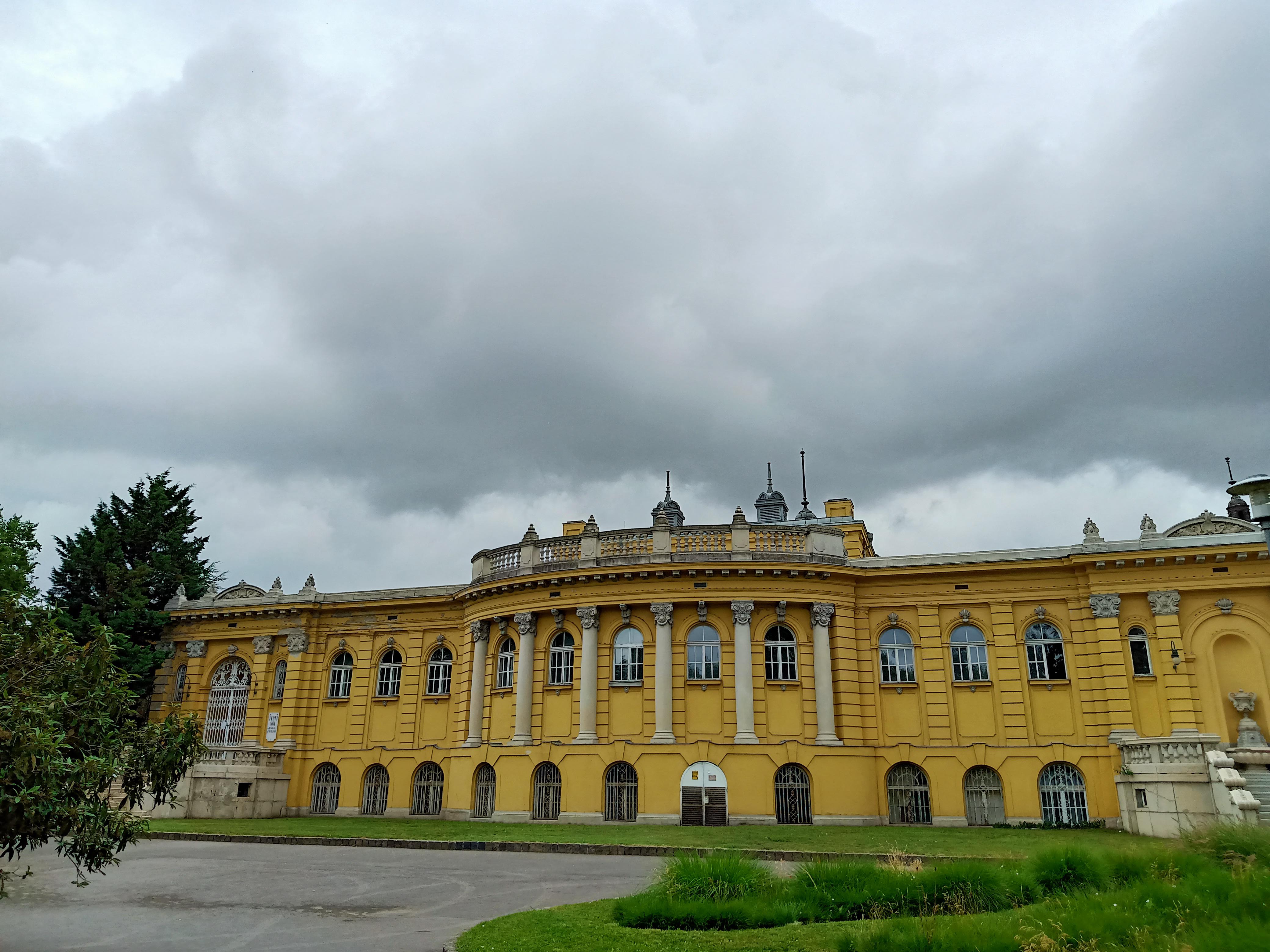
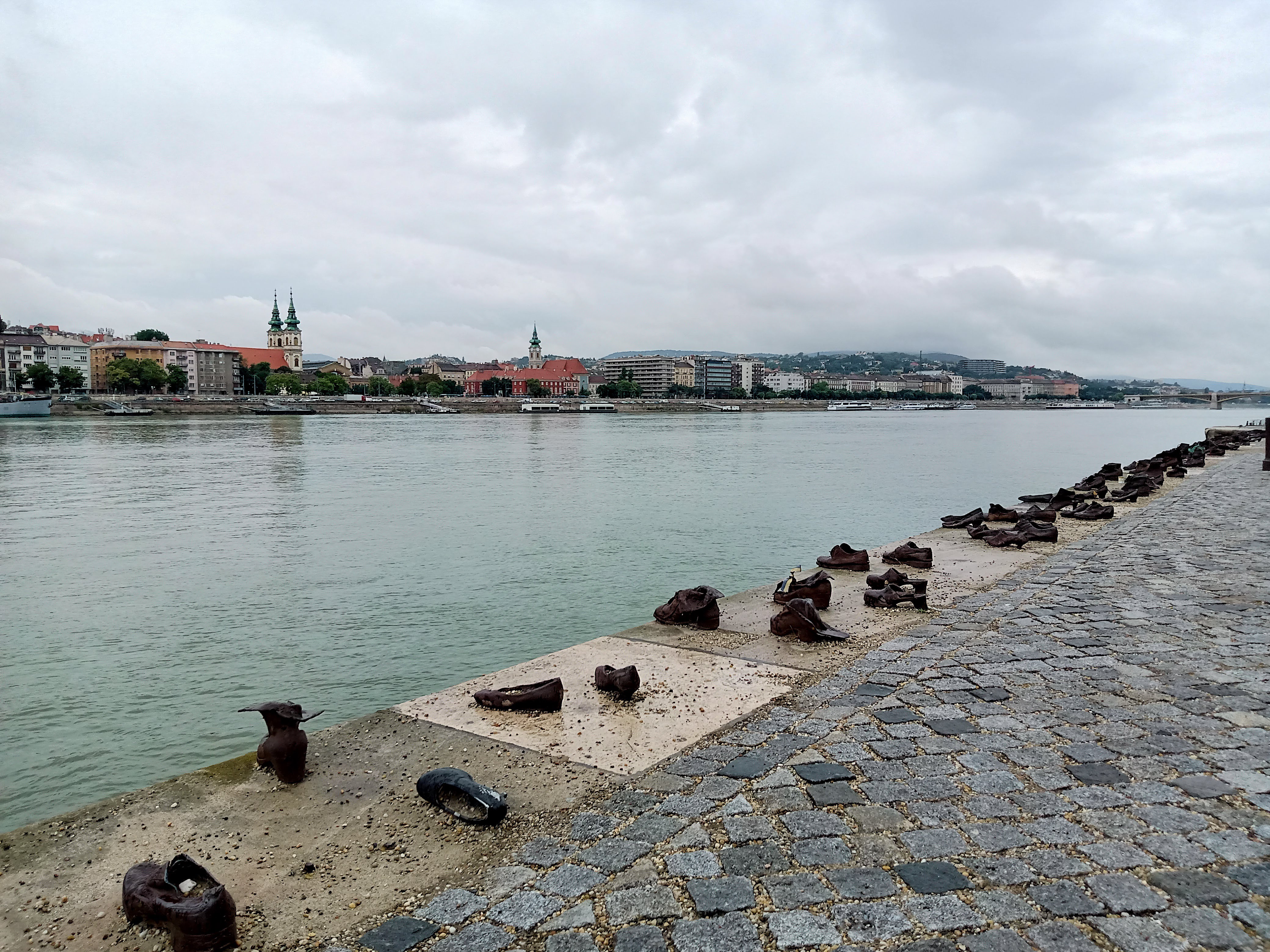
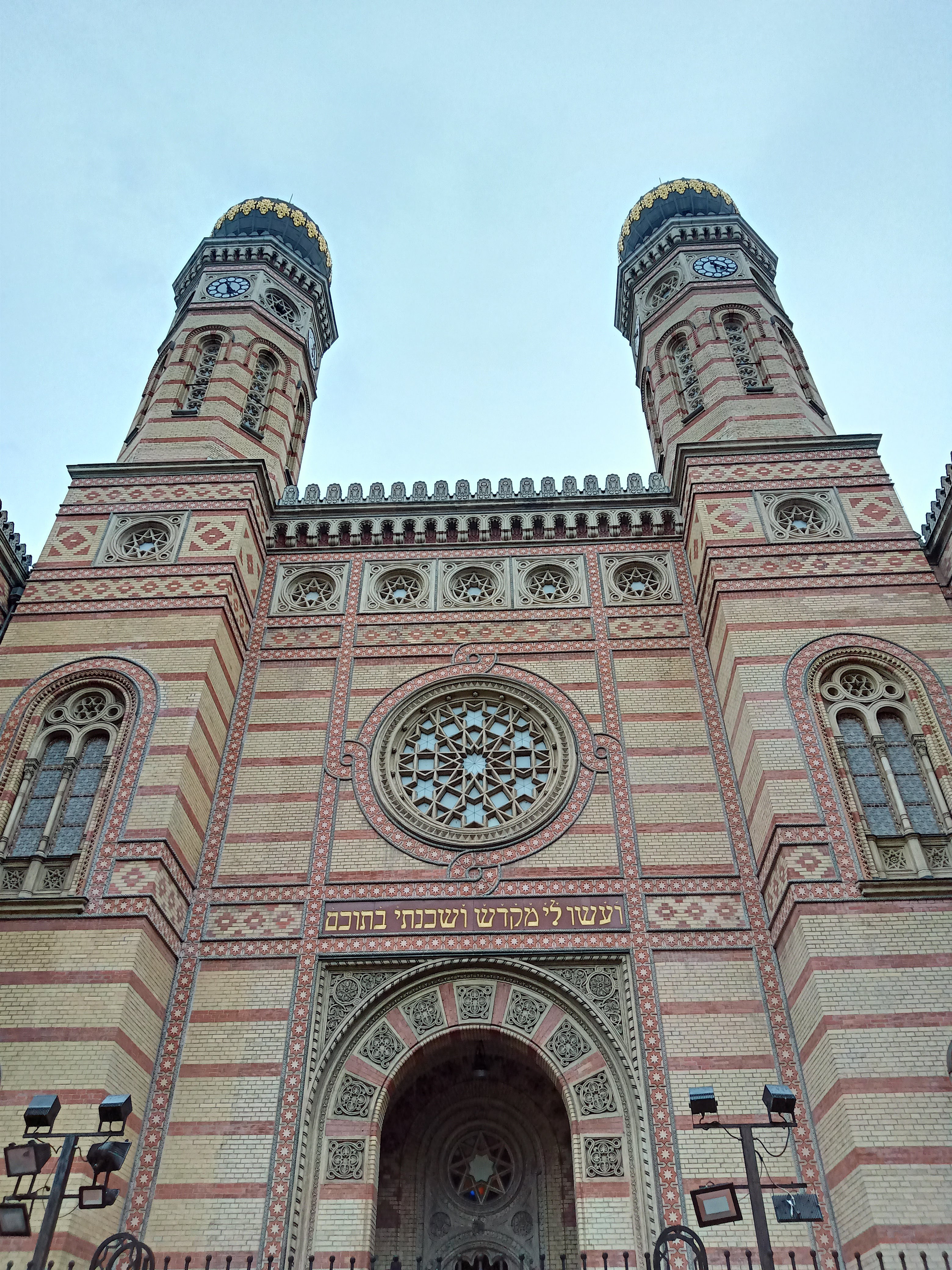
Margaret Island, Hungarian Parliament Building, Danube Promenade, Shoes on the Danube
Now that you have been to both sides of the Danube how about in the middle of the river. No, I am not talking about the river cruises, that’s too mainstream, there is a 2.5 km long island in the center of the river called Margaret Island. The island has a lot of international gardens to boast of – Japanese, Chinese, Oriental are to name a few. There is also a light & sound show during the evenings, the island is surrounded by a running track and cycling track, if you are in the mood for it.
The Hungarian Parliament building is the third largest in the world (the largest being Palace of the Parliament in Bucharest, Romania) and it is definitely one of the most beautiful buildings on the planet. The many turrets and spires give it the appearance of a cathedral, the majestic brilliance of its architecture is only revealed when you take a closer look at it. The Danube Promenade is only a short walk from the parliament and there you can find the Shoes by the Danube, a macabre manifestation of Hungary’s Fascist past. To end the day you may head off to the Dohany Street Synagogue, which is the oldest synagogue in Europe and one of the most beautiful in the world.


Things to Eat
Hungarian cuisine is an amalgamation of German, Austrian and Transylvanian flavours. Sausages, Goulash, Fish Soup and Cabbage rolls make up the staple diet of the people. Langos is a national dish of Hungary which consists of a deep fried bread with a smorgasboard of toppings. For the ones with a sweet tooth there is plethora of cakes and pastries to choose from – Somloi Galuska (a cake with whipped cream), Dobos Torte (a sponge cake with buttercream and caramel), Kurtos Kalacs (a hungarian version of the chimney cake).
How much does it cost
Despite its grandeur, Budapest is not a very expensive city, the Hungarian Forint is the local currency. At the time of this writing 1 Forint is equal to 0.0028 Euro. A single meal in a decent place will cost you about 10 euros, a single day travel pass is about 7 euros and overnight stay at a centrally located 3 star hotel is about 30 euros. The entire trip cost me about 120 euros (all inclusive).

 Quantum Explorer
Budapest really is one of the best cities in Europe to just stroll around in, so much to see and some goulash is never far away. 🙂