Established as a trading post at the end of the Viking age (in the 11th century), this modern metropolis is the capital of Norway and its most populous city. Home to the Nobel Peace Centre and the prestigious City Hall, where Nobel Prize winners are felicitated every year. This city has many museums and memorials honoring the heros of the Norwegian age of exploration.

How to get there
Oslo is well connected to all major capital cities in Europe and Asia through its international airport at Gardermoen. Norwegian airlines is the flagship carrier of the nation and it has chartered flights all over Europe. It is easily accessible from Denmark and Sweden through rail, road and sea. I had taken the bus(Flixbus) from Copenhagen to Oslo. It is an overnight journey which passes through Malmo in Sweden and takes you through the iconic underwater bridge between Copenhagen and Malmo.
Where to Stay
There are many neighborhoods which you can stay like Grunerlokka, Sentrum, Frogner. There are also a lot of accommodations in one of the many archipelagos which form the Oslo Fjord. I had stayed at Smart Hotel Oslo, which is very close to the National Theater at St. Olaf’s gate. It is also close to major tourist attactions like City Hall, Nobel Peace Center, Royal Palace, Akershus Fort and the Museum Island (Bygdoy).
How to Commute
Most of Oslo city center can be covered on foot or bike. Ruter is the public transport operator of the city – trams, buses, ferries and the subway connect every corner of the cosmopolis. A single (1 Zone) ticket will cost you about 3.4 euros while a day pass(for a single zone) will be around 11 euros.
Things to See
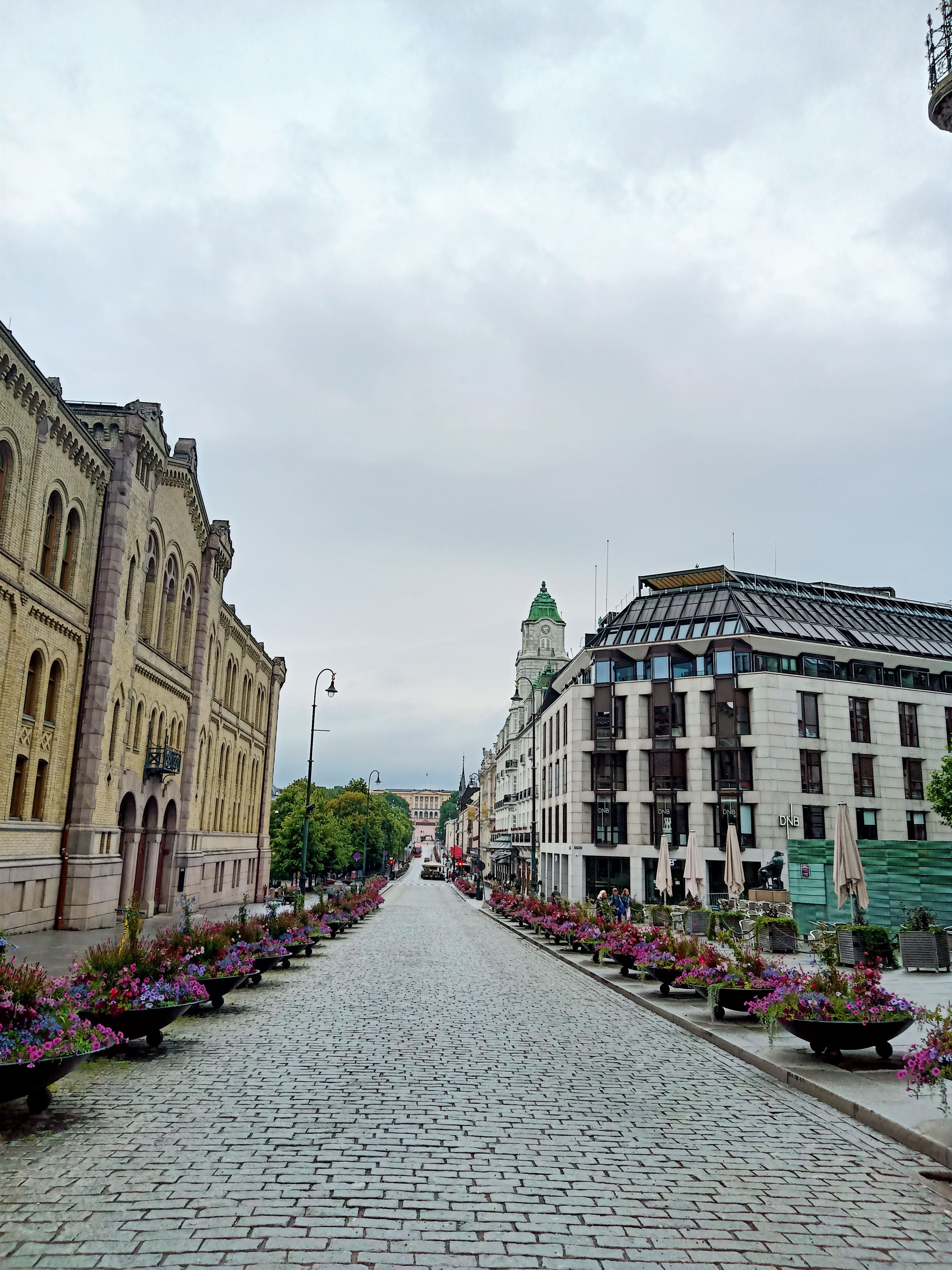
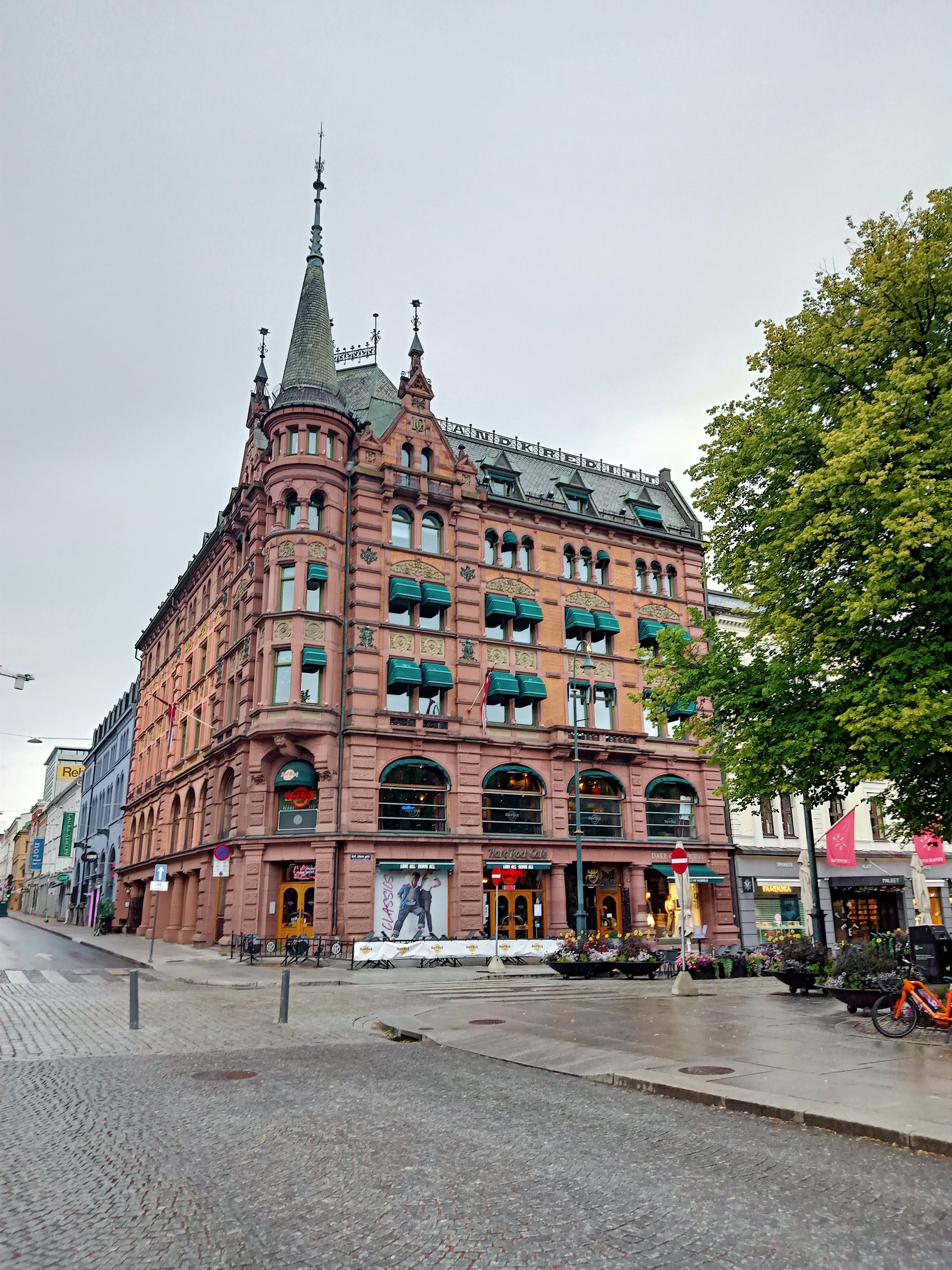

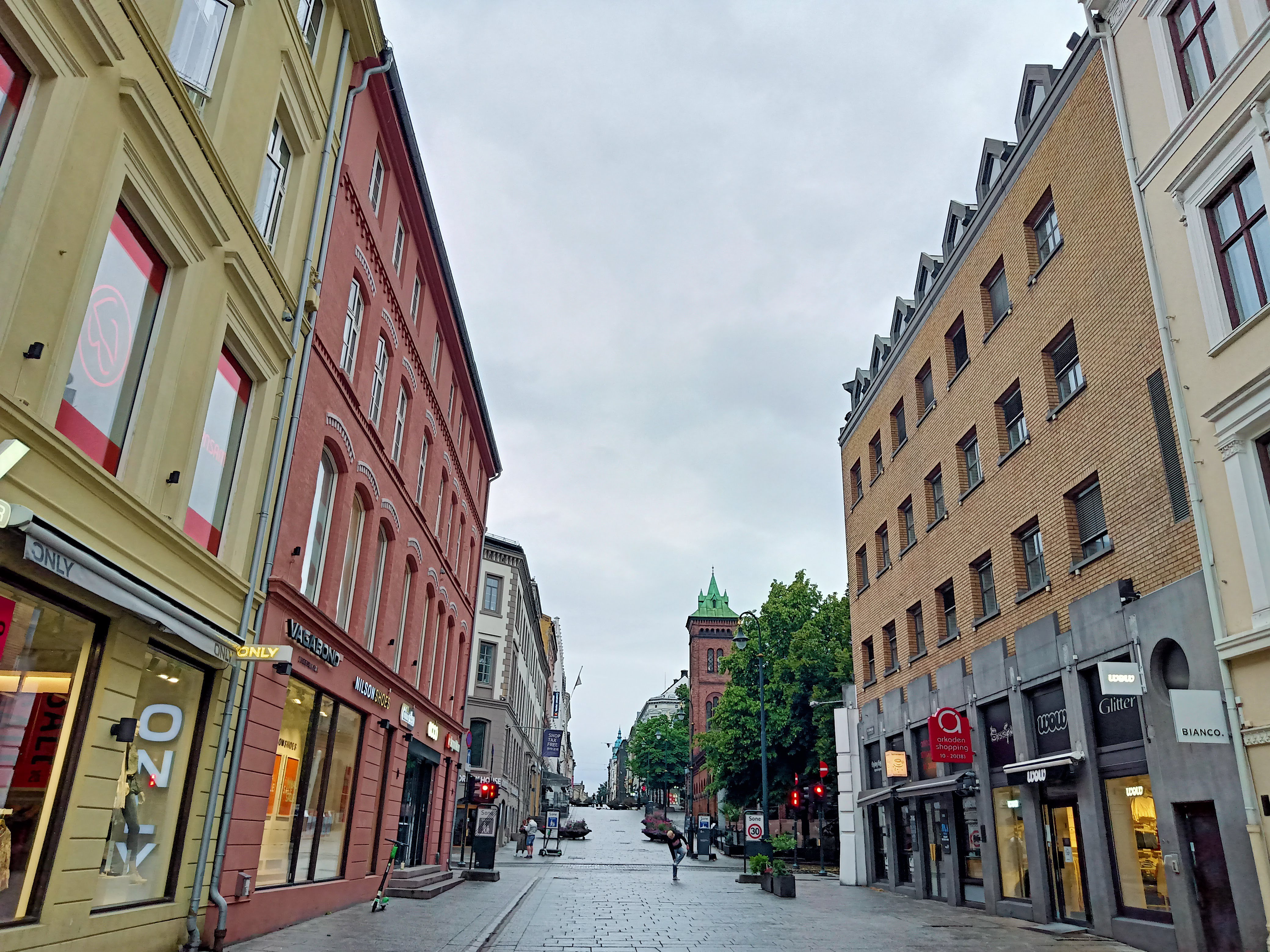
Commence your journey at the Oslo Bus terminal, take the road leading to Karl Johans Gate. This is one of the most picturesque streets of the city with high end shopping stores on both sides of the street. There are many refurbished 19th century manors along the way which give it the Old Town look. The spire of the Oslo Cathedral rising high in the firmaments at one end of the street looks almost magical.
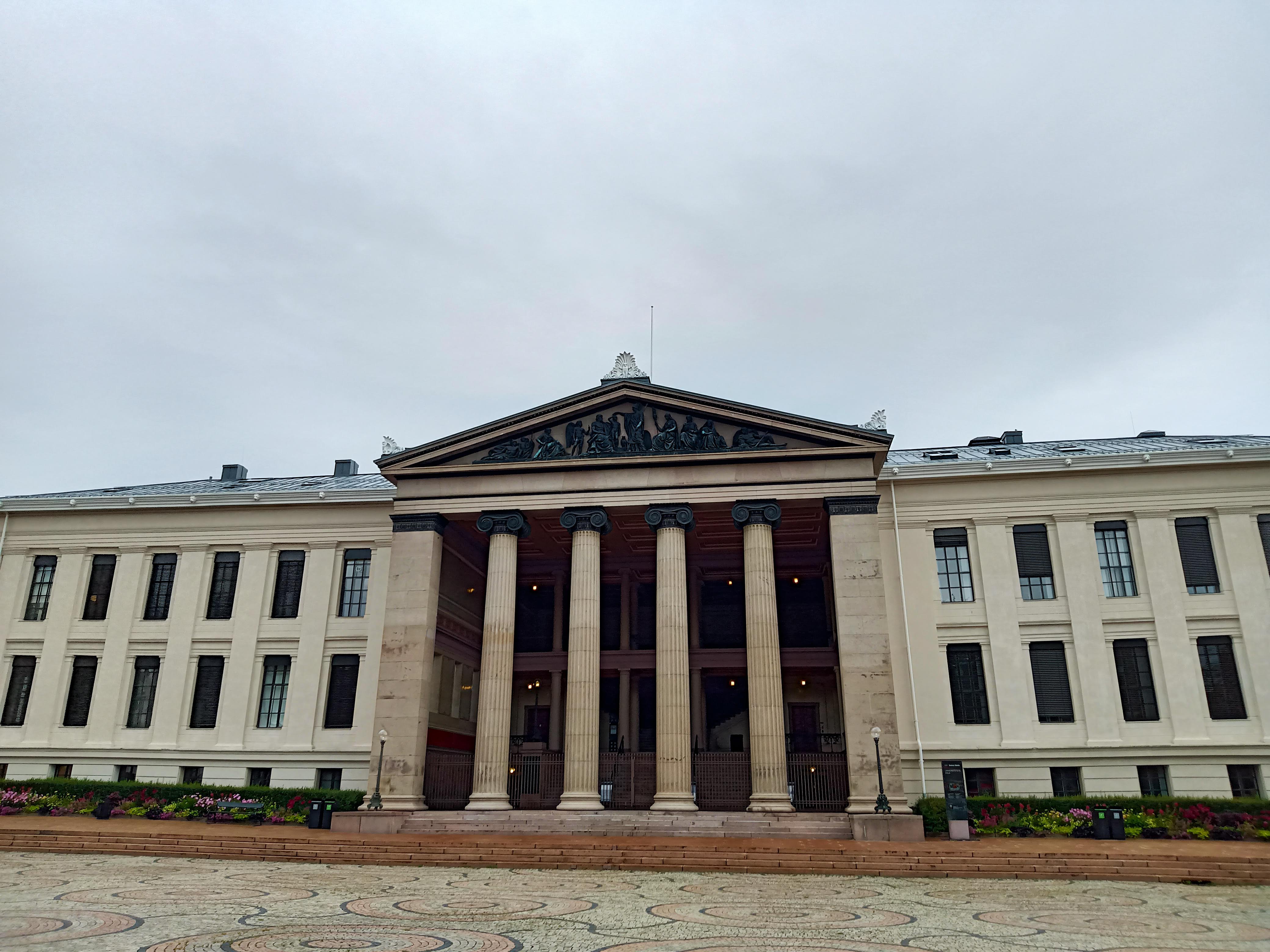
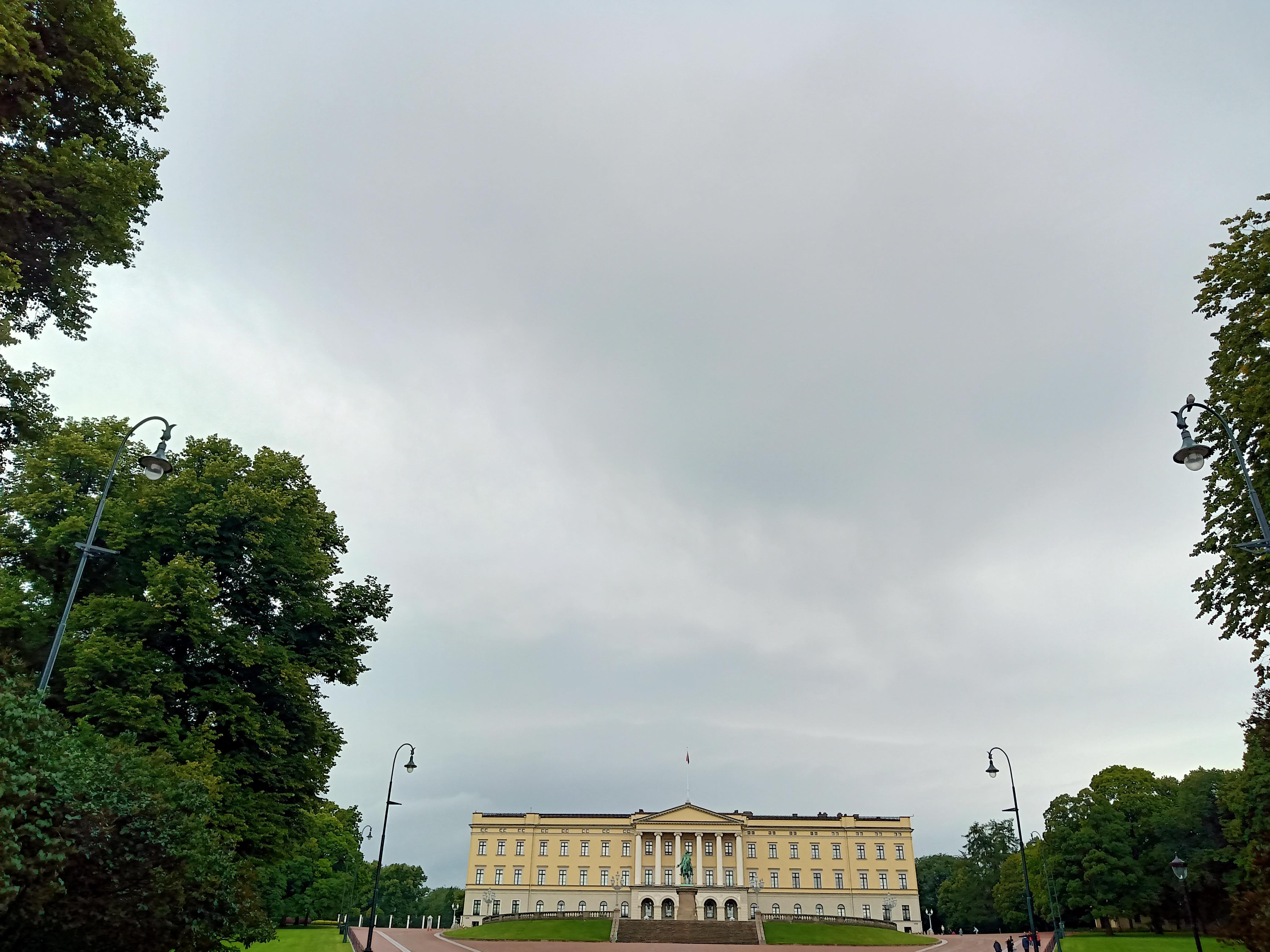
Other important landmarks on the way include the University of Oslo (Faculty of Law), which was established in 1811 and still has the orignal romanesque pillars preserved at its entrance. The National Theater, outdoor ice skating ring and the subway station all lie in close vicinity. Towards the fag end of the road, the Royal palace spreads out majestically on the palace lawns with many small lakes and fountains surrounding it.
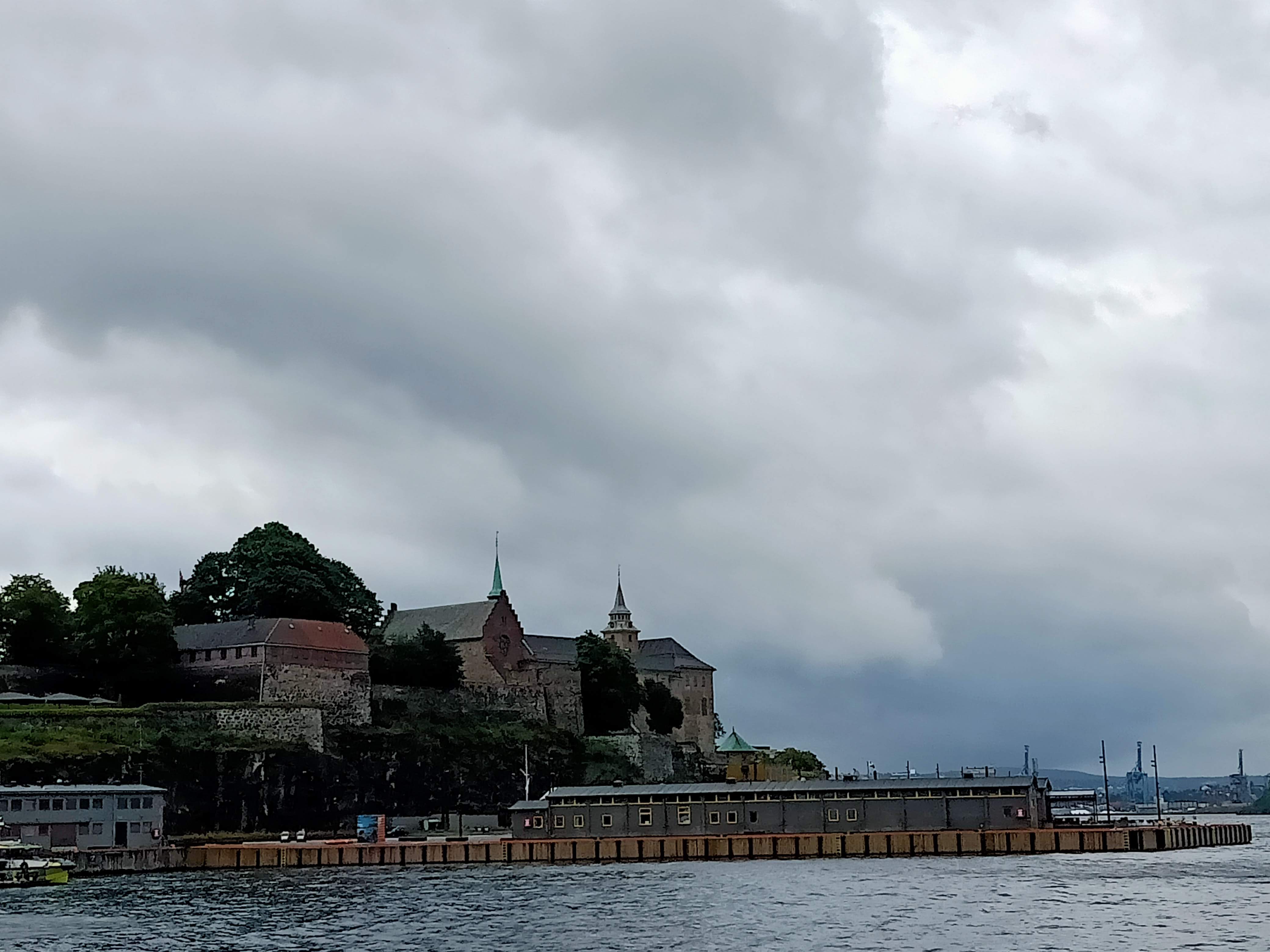
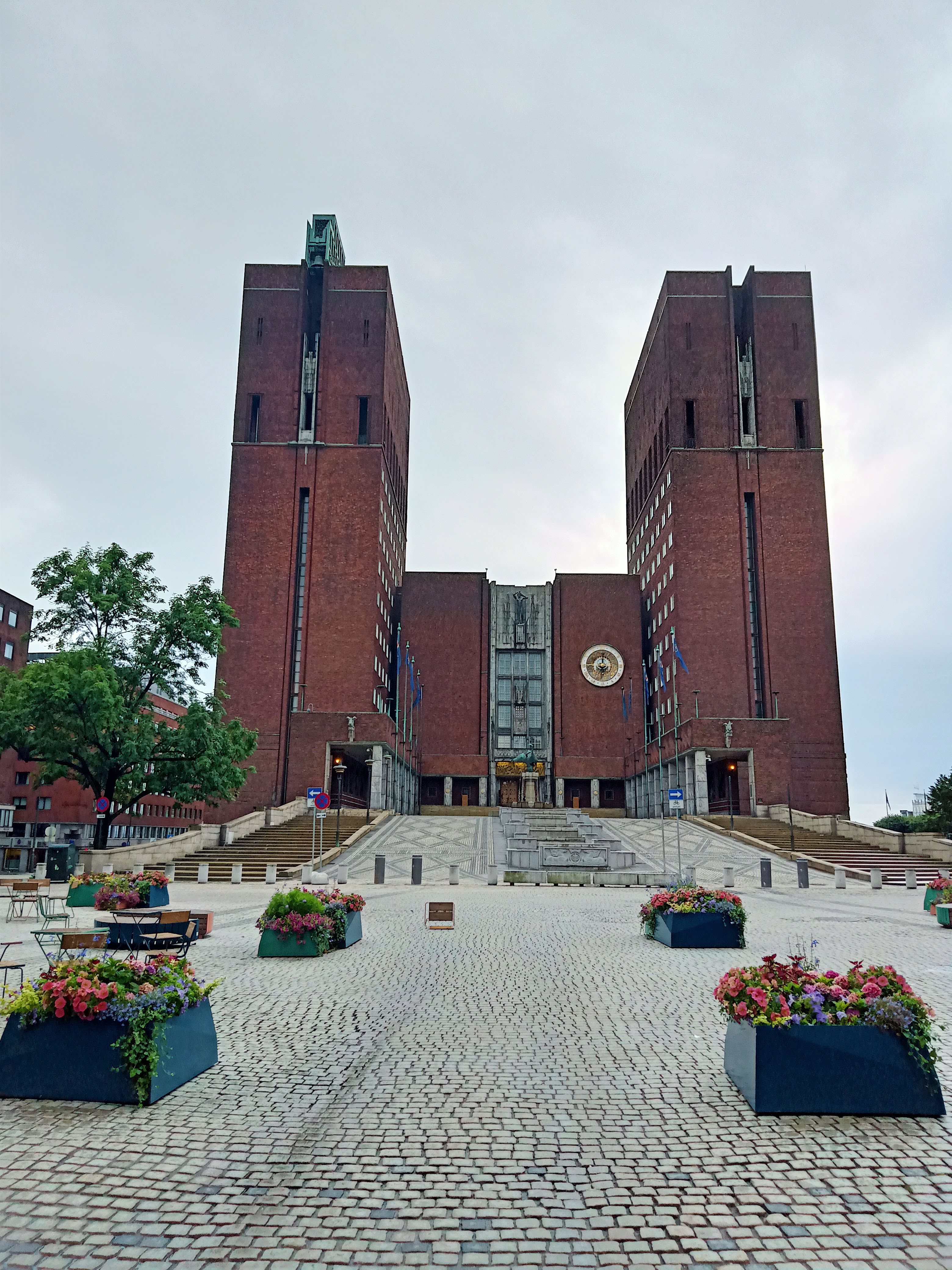
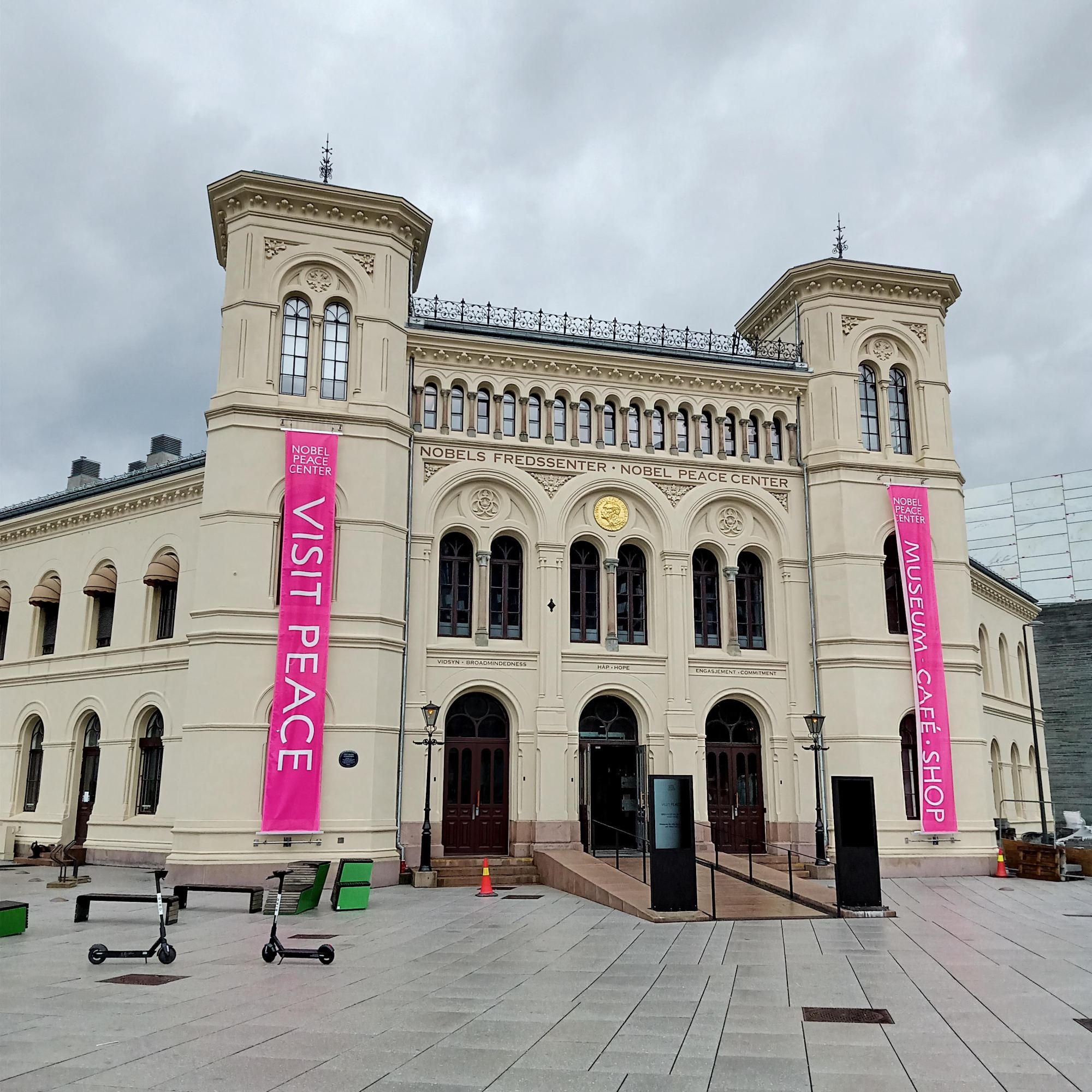
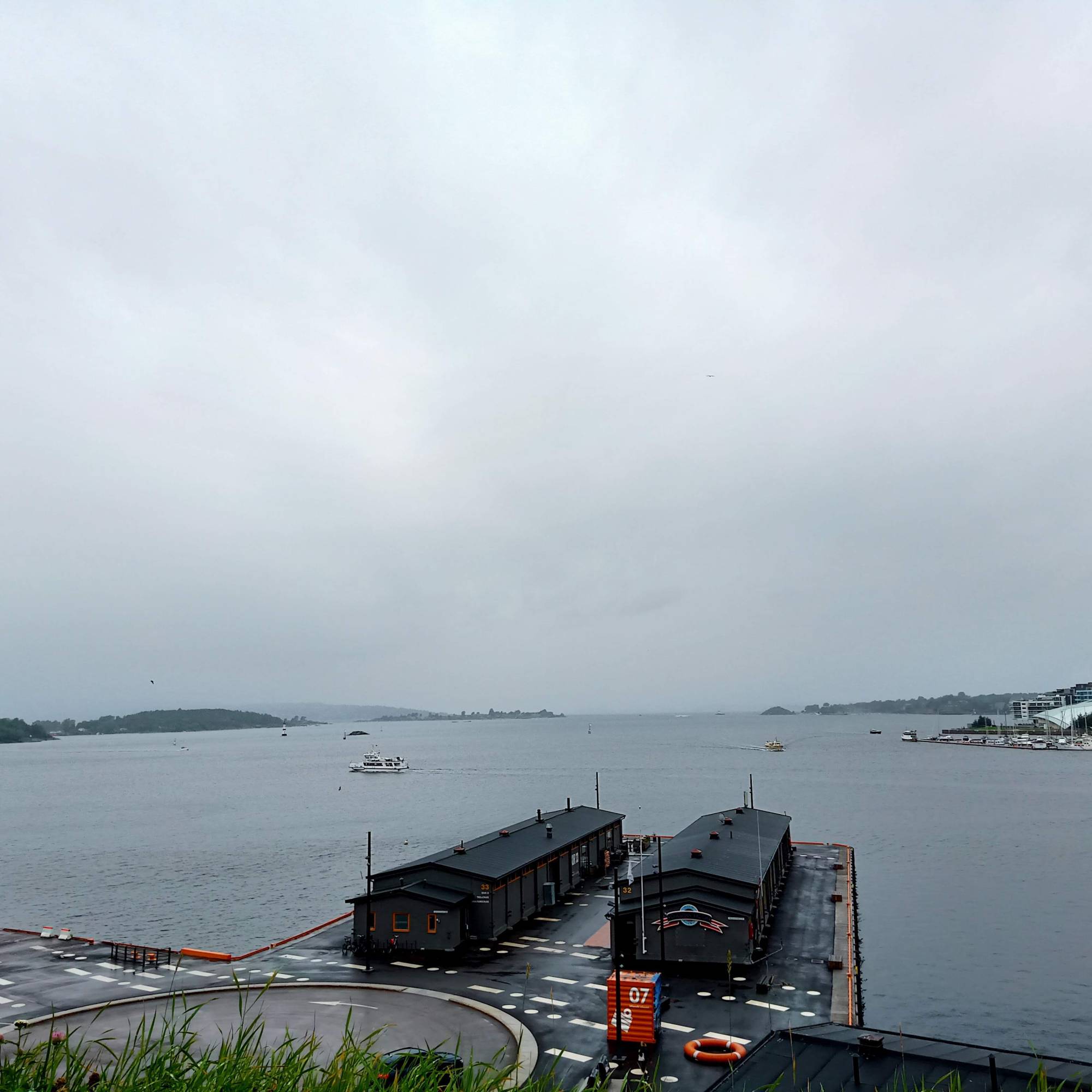
Further right from the National Theater, is the acclaimed Oslo City Hall (Radhuset), sculptures from Old Norse mythology embellish the walls of the building. The hallowed gates lead you to its august premises, which has seen many legends and luminaries receive one of the highest honours of recognition (the Noble Prize). Behind the Radhuset in Aker Brygge is the Noble Peace center, which hosts documentaries and memorabilia surrounding the lives of former Noble Peace Prize winners. Around the corner from the peace center is the legendary Akershus Fortress – a medieval castle, which formed the first line of defence against the foreign invaders and has withstood many sieges over the centuries, providing protection to residents and royalty alike. There are many museums on the castle grounds like – Norway’s Resistance Museum, Prison Museum and Armed Forces Museum. It also offers panoramic views of Oslo City Center, Aker Brygge and Oslo Fjord.


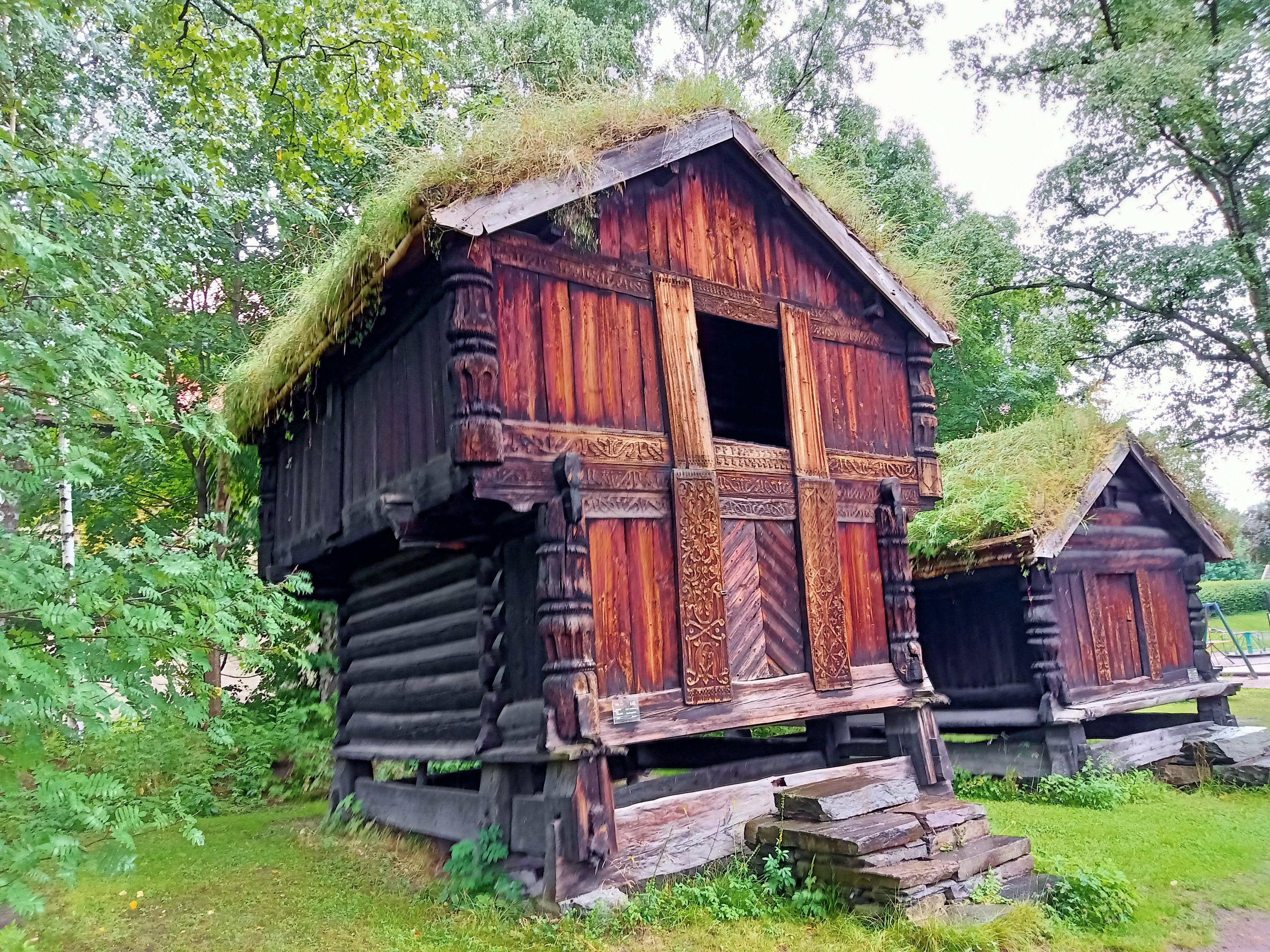
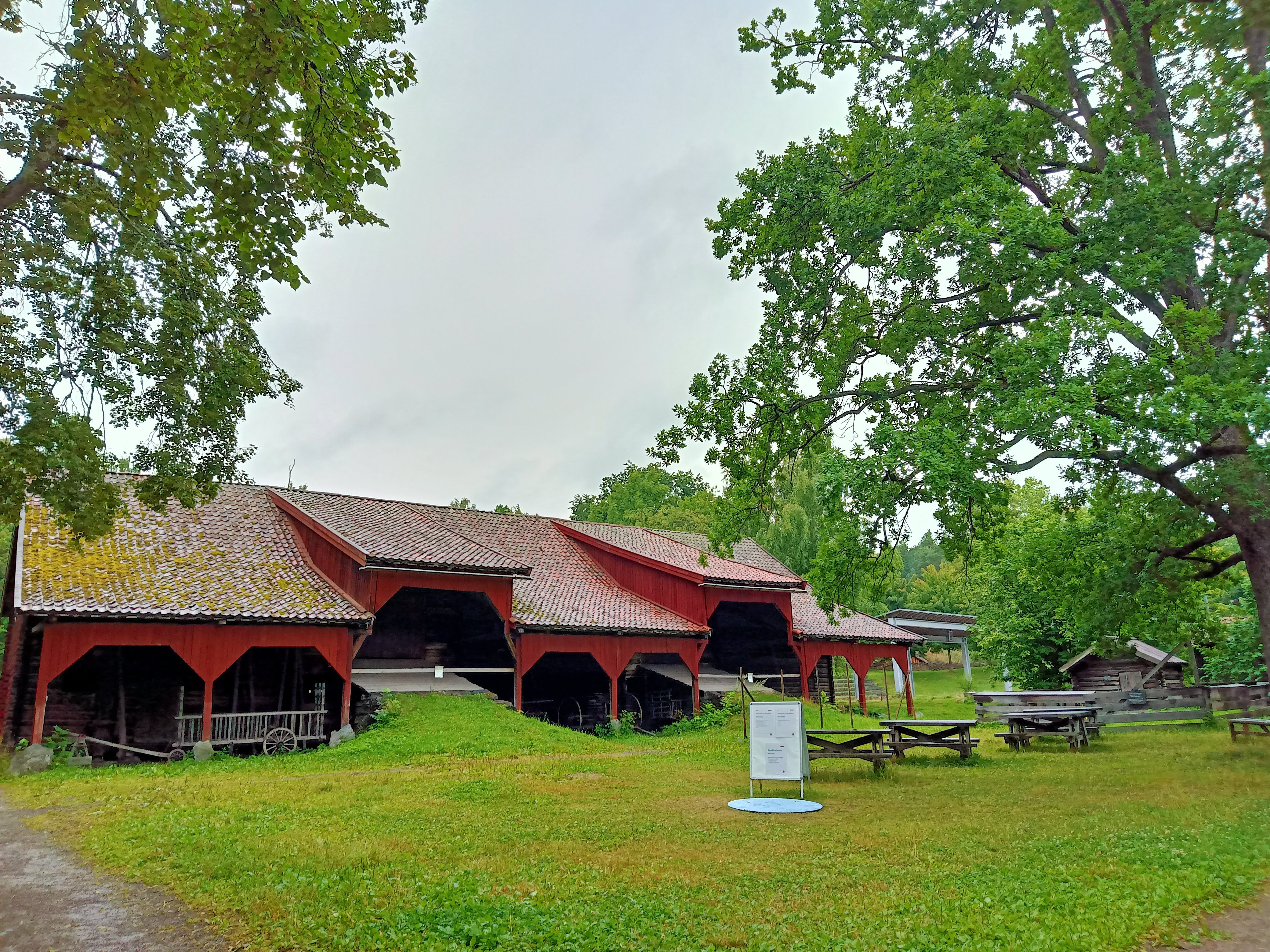

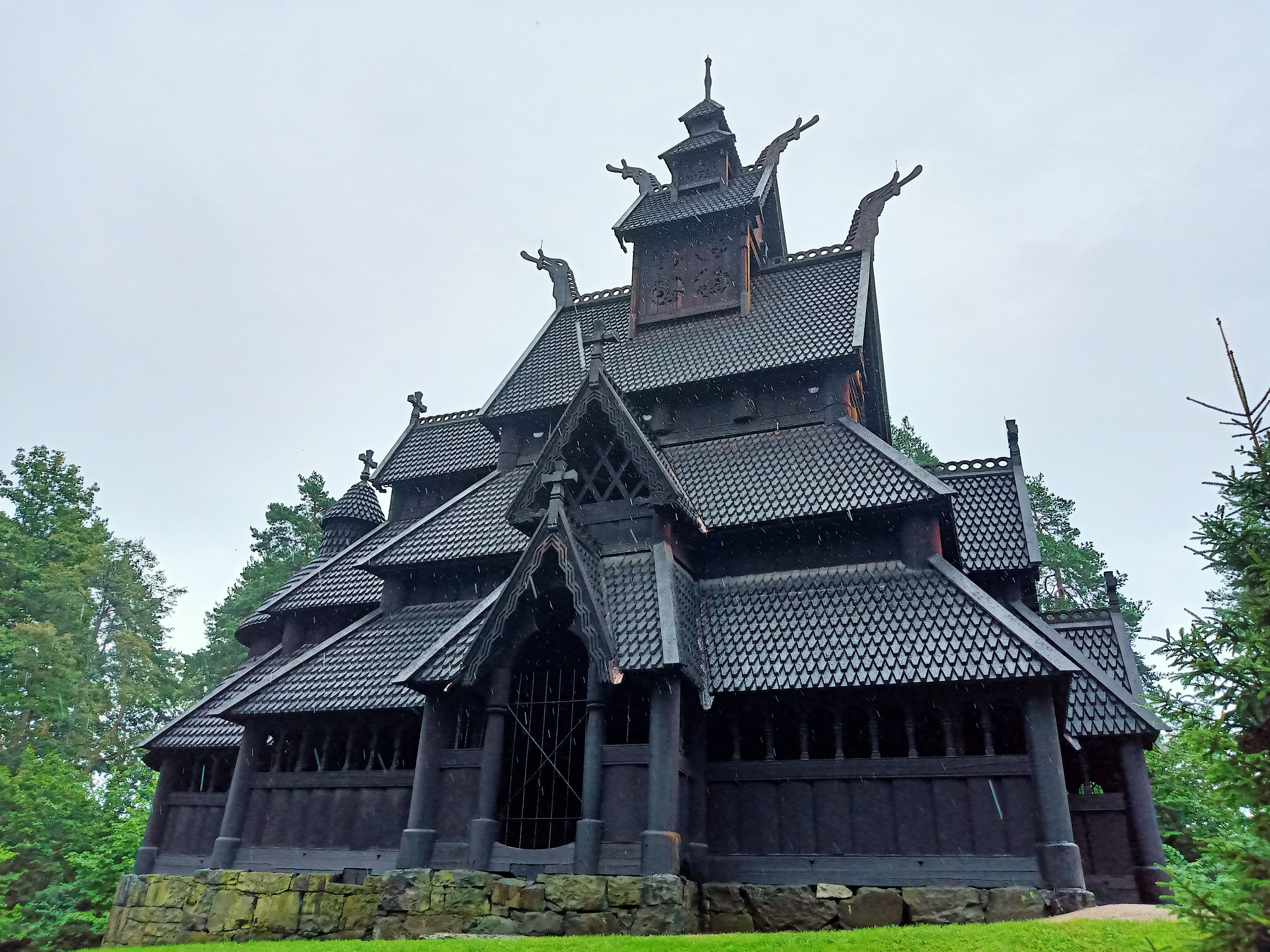
Bygdoy is the proverbial museum island of Oslo, just a ferry ride across Aker Brygee. It has the following notable museums – Norway Folk Museum, Viking Ship Museum, Kon-tiki Museum, Fram Museum and Norwegian Maritime Museum.
The Viking Ship museum has the most well preserved Viking longboats in the world. There is also a documentary running every 10 minutes about the life and origins of the Vikings. Several artifacts obtained from the numerous burial sites of the Vikings is also on display here. Take your time to seep in the legend of these early age explorers. Next to the Viking Museum is the Norwegian Folk Museum, it is an open air museum which displays houses from all over Norway. It is one of a kind experience where you get to step into these archaic houses and get a glimpse of how life was back in the days. There is also an original 14th century wooden church fashioned in norse style. Its very well preserved and a sight to behlod indeed.
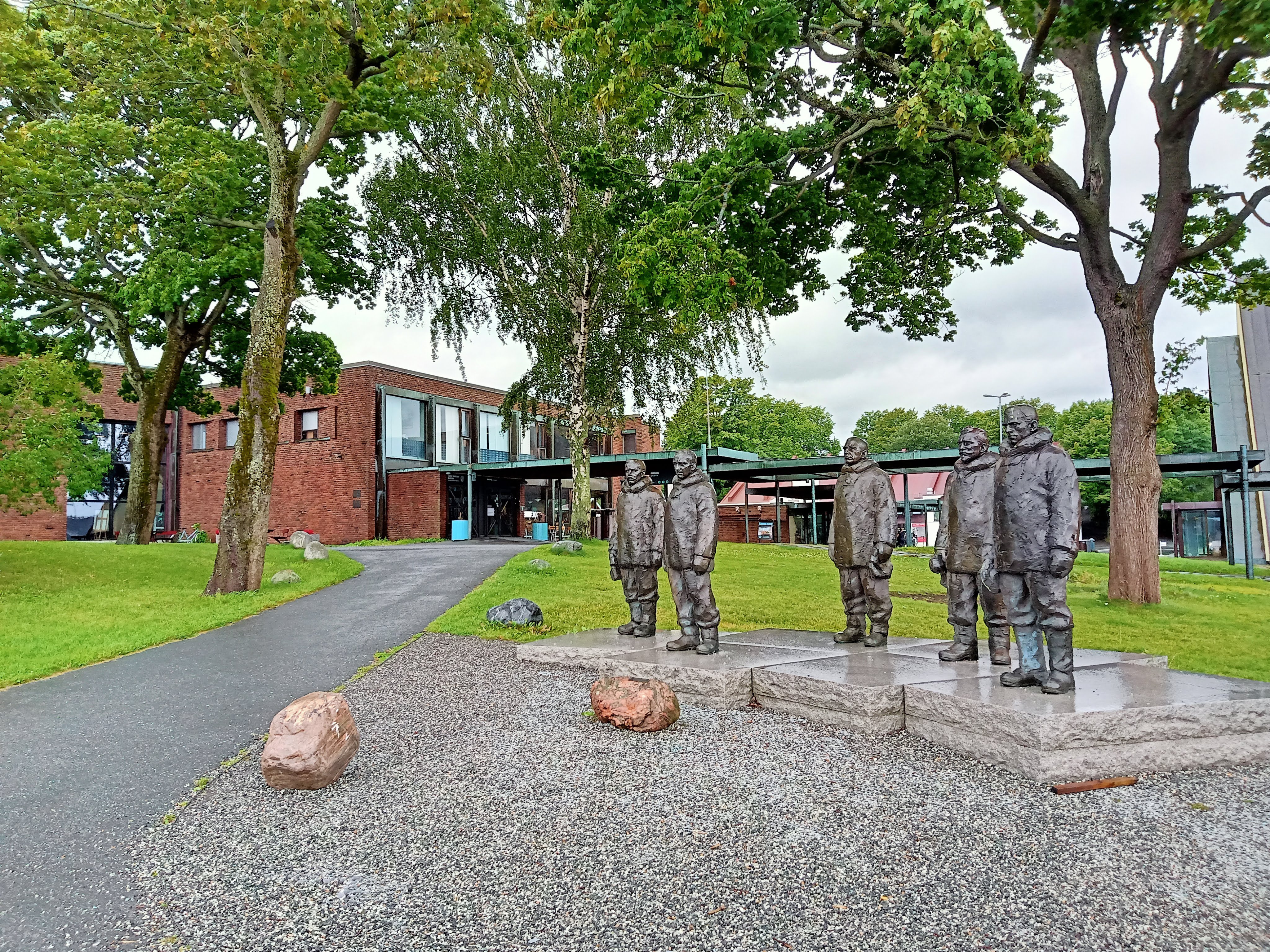
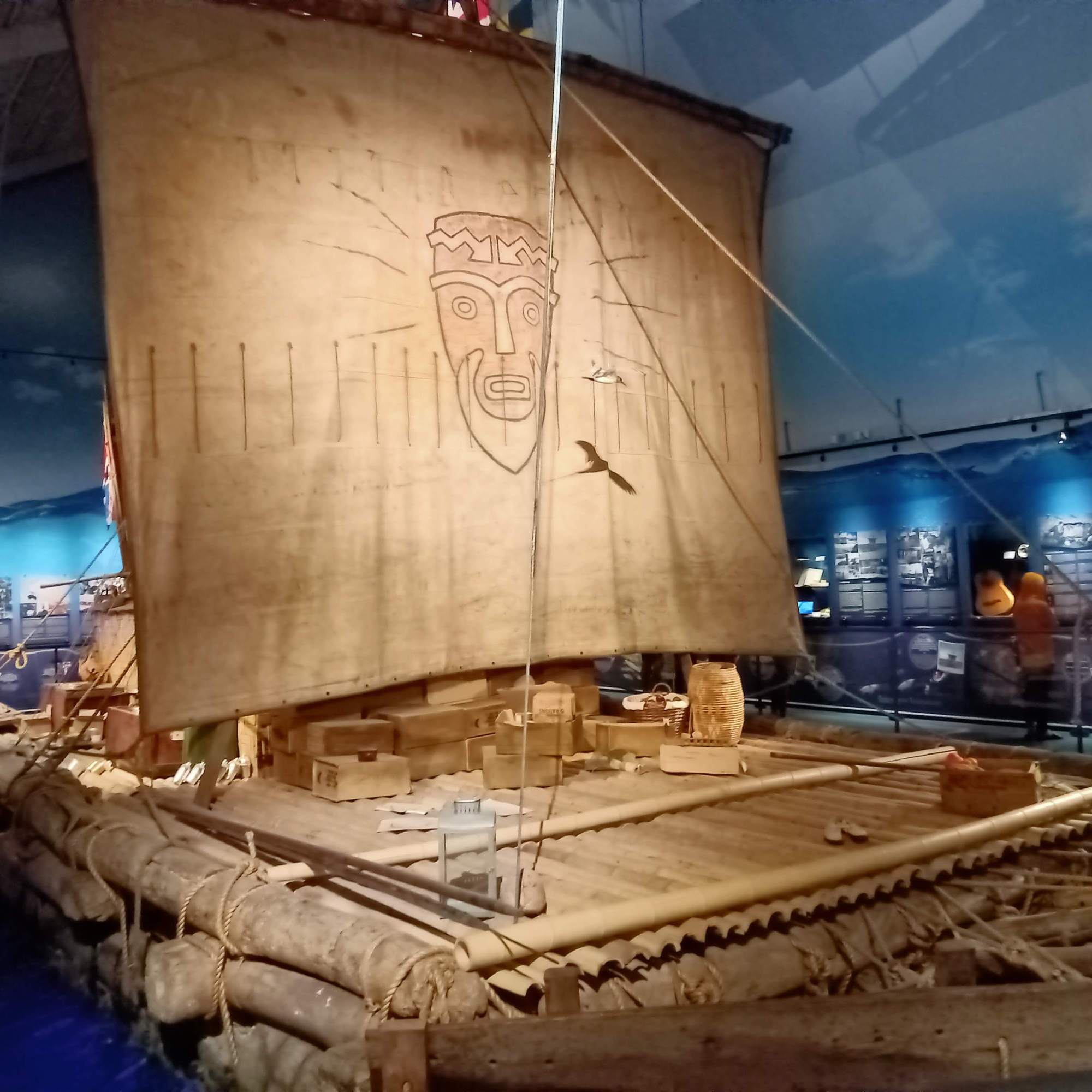
A litte further down the road near the harbour is a triad of museums – The Kontiki Museum, Fram Museum and the Norwegian maritime museum. Kontiki museum vividly captures Thor Heyerdahl’s Kon tiki expedition – the greatest adventure of our times. The original raft used for the expedition and the route charted out by the adventurers across the choppy waters of the pacific has been well documented in the museum. The adventure seems straight out of a children’s storybook, except it’s real (totally surreal). The Fram(Forward) museum lies just in front of the Kon-tiki museum, it houses the legendary ship which was the first to sail to the farthest points of both the North and South Poles, thereby expanding the proverbial boundaries of the world. You will get an unique opportunity here to climb up to the deck of the ship and have a glimpse of what life was like for Roald Amundsen and his crew navigating through the icy waters of the Antarctic.
Other notabale sites in the city include – The Vigeland Scupture, which lies inside the Frogner Park, the Ski Museum and the Munch Museum (for art afficionados)

Things to Eat
Like Copenhagen, Oslo is also at the forefront of the new Nordic cuisine. Traditional norwegian cuisine includes a lot of Rye bread, fish, sausages and brown cheese. Norwegians sure love their pickled herrings and smoked salmons. Mathallen is Oslo’s answer to Torvehallerne. Wildberries like Lingonberry, Bilberry and Cloudberries are much vaunted for their medicinal properties and refreshing aftertaste. There are several restaurants dotting the waterfront in Aker Brygge in front of Akershus fort. In one of these places I had tried Smoked Halibut in blue mussel sauce, I would highly recommend sea food here. Those with a sweet tooth should definitely go for the Norwegian waffles and its many variants.
How much does it cost
Oslo is one of the top ten expensive cities in the world. At the time of this writing one Norwegian Krone is equal to 0.091 euro. Card payments are accepted all over the city, infact they are the preferred mode of payment. You won’t need to worry about paper bills at all. A single room in a 3 star hotel near the city center costs about 55 euros a night. A single meal in a decent restaurant will be anywhere between 25 – 30 euros. The entire trip had cost me about 170 euros.

 Quantum Explorer
Well written with excellent pictures. Would like to visit these places personally someday.