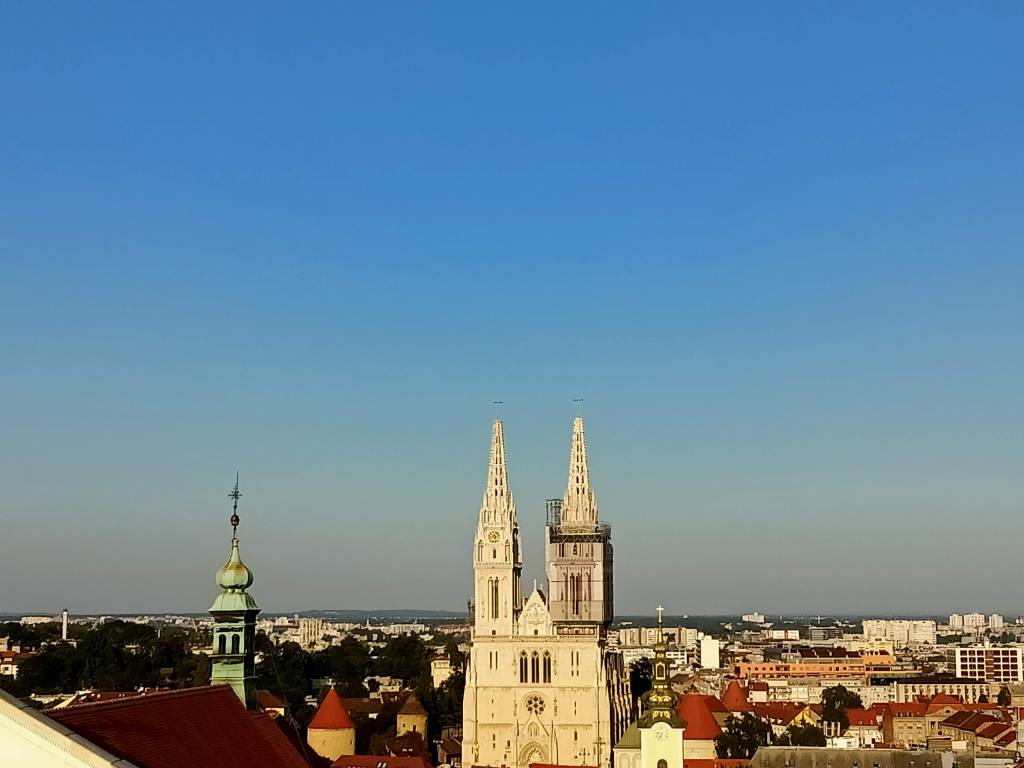
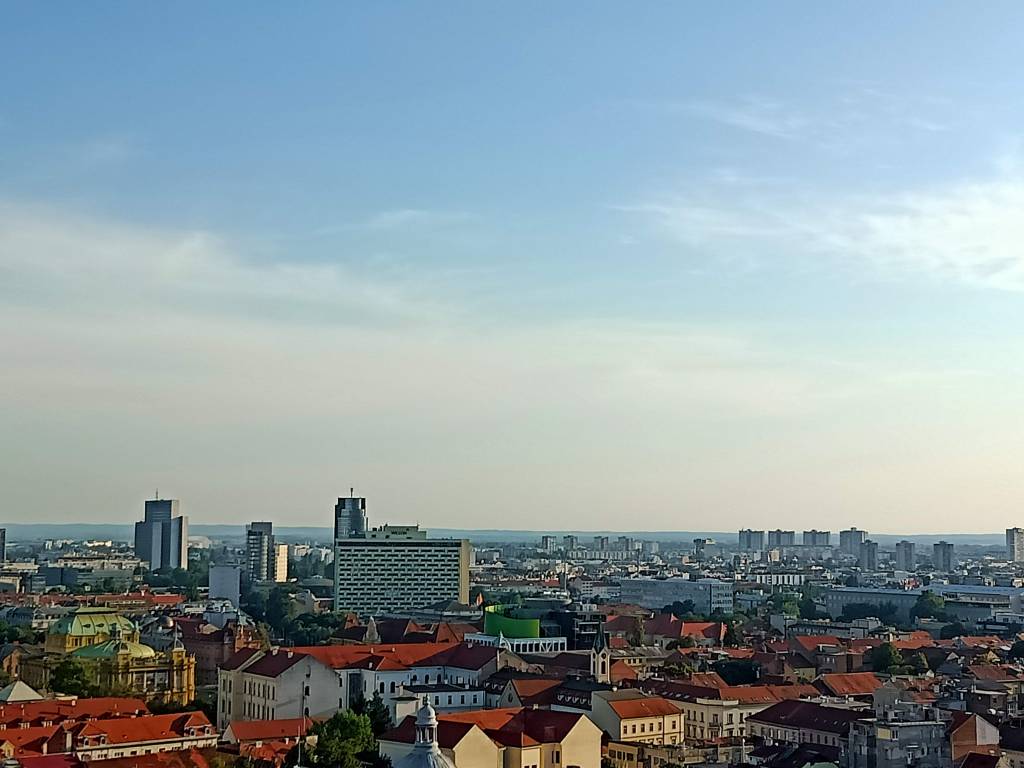
The capital city of Croatia situated along the banks of the Sava river and at the foothills of the Medvednica mountains has been inhabited since the Roman times. Historically consisting of the twin enclaves of Kaptol and Gradec, it has been ruled by the Hapsburgs, Hungarians over the centuries and the Soviets more recently (as a part of former Yugoslavia). It is a modern metropolis which is at the forefront of the country’s economic and cultural activities.




How to get there
Zagreb is conveniently situated close to both the Hungarian and Slovenian capital cities of Budapest and Ljubljana. Interestingly, it is only four hours away from Venice and Vienna. The central station at Zagreb is well connected to its neighboring countries as well as eastern european capitals like Belgrade. Croatia Airlines is the national flagship carrier of the country, it has connections to all major western European cities like Frankfurt, Zurich, London etc. I had taken the bus(Flixbus) from Berlin to Zagreb. It was a 20 hour long journey passing through Austria and Slovenia. I would personally not recommend this, its easier to fly in there or take a train to Vienna and then plan your onward journey.
Where to Stay
Most people prefer staying in either the Donji grad or the Gornji grad (Lower Town and Upper Town). Since the historic center of Zagreb can be easily covered on foot, try to find an accommodation in the neighborhoods close to Lenuci’s Horseshoe. It will give you easy access to all major landmarks and make the navigation much easier. I had stayed at Palmer’s Lodge Hostel, it is close to both the train station, and the bus station and also lies within a mile from Jelacic Square (the proverbial heart of the city).
How to Commute
Trams and Buses criss cross the capital city, there are also special night buses operating. A single day pass will cost you about 4 euros. It is one of the most cheapest capital cities when it comes to public transport. There is also a funicular taking you near the Lotrscak tower in case you would like to avoid the uphill climb.
Things to See


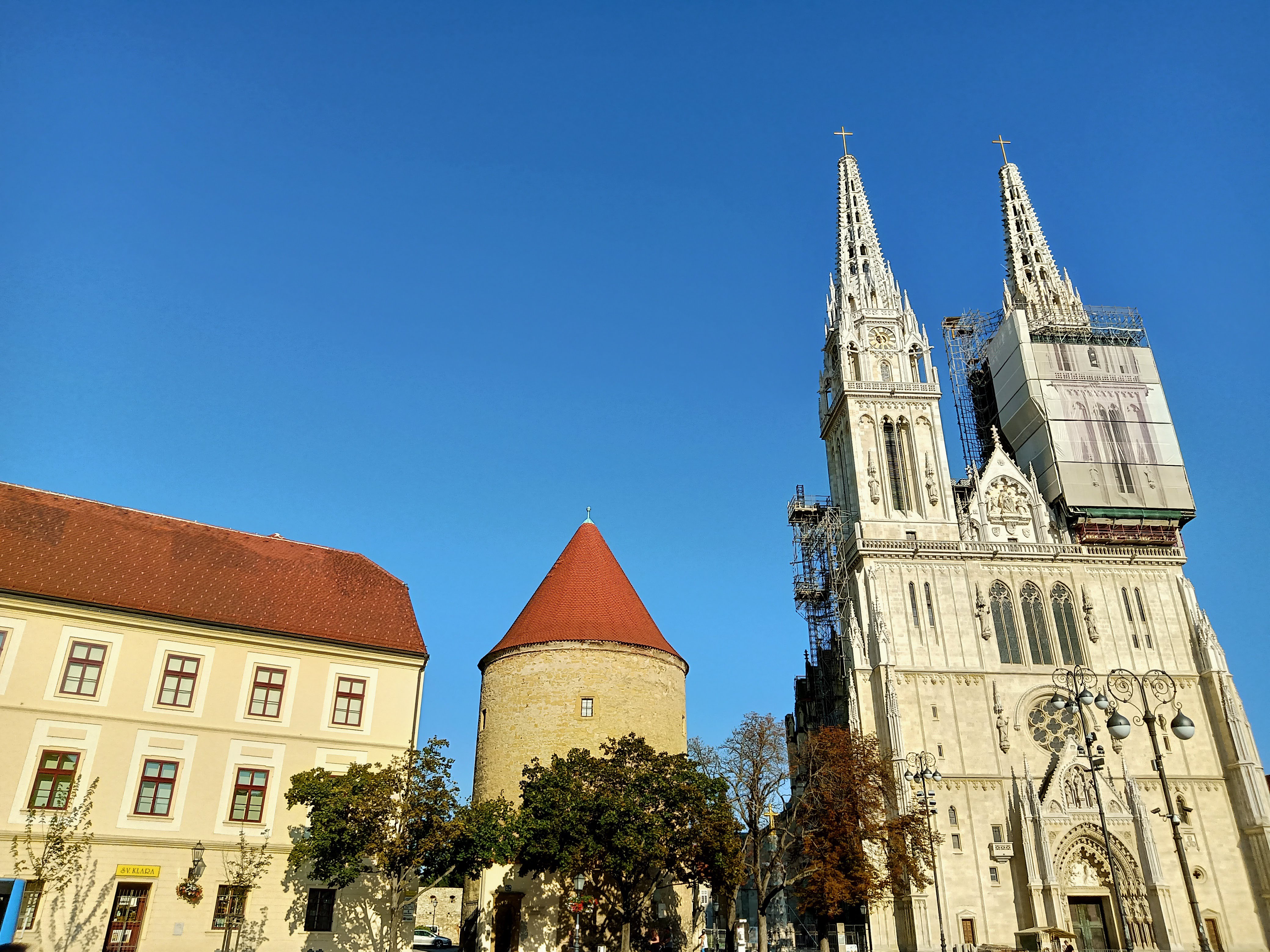
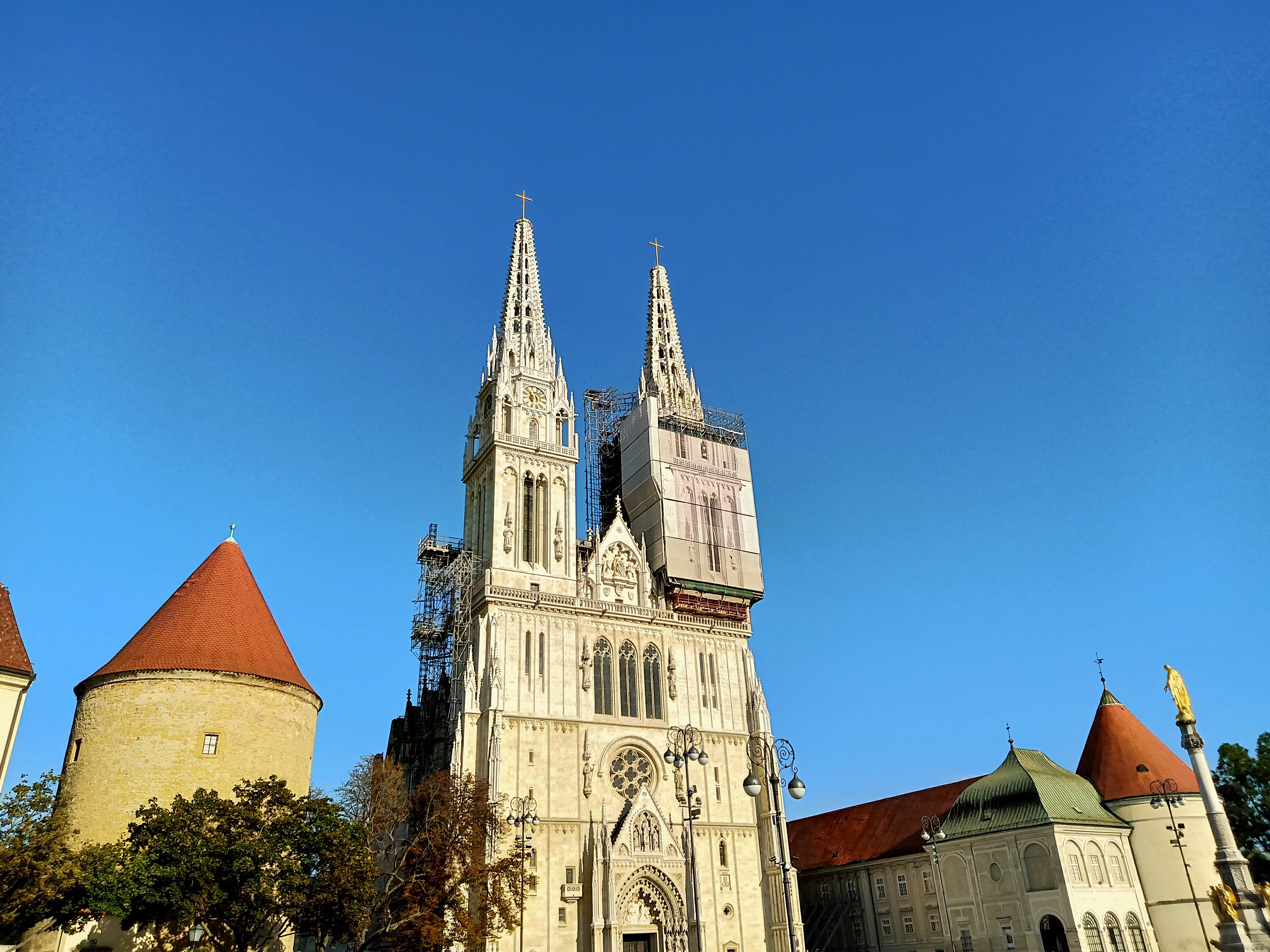


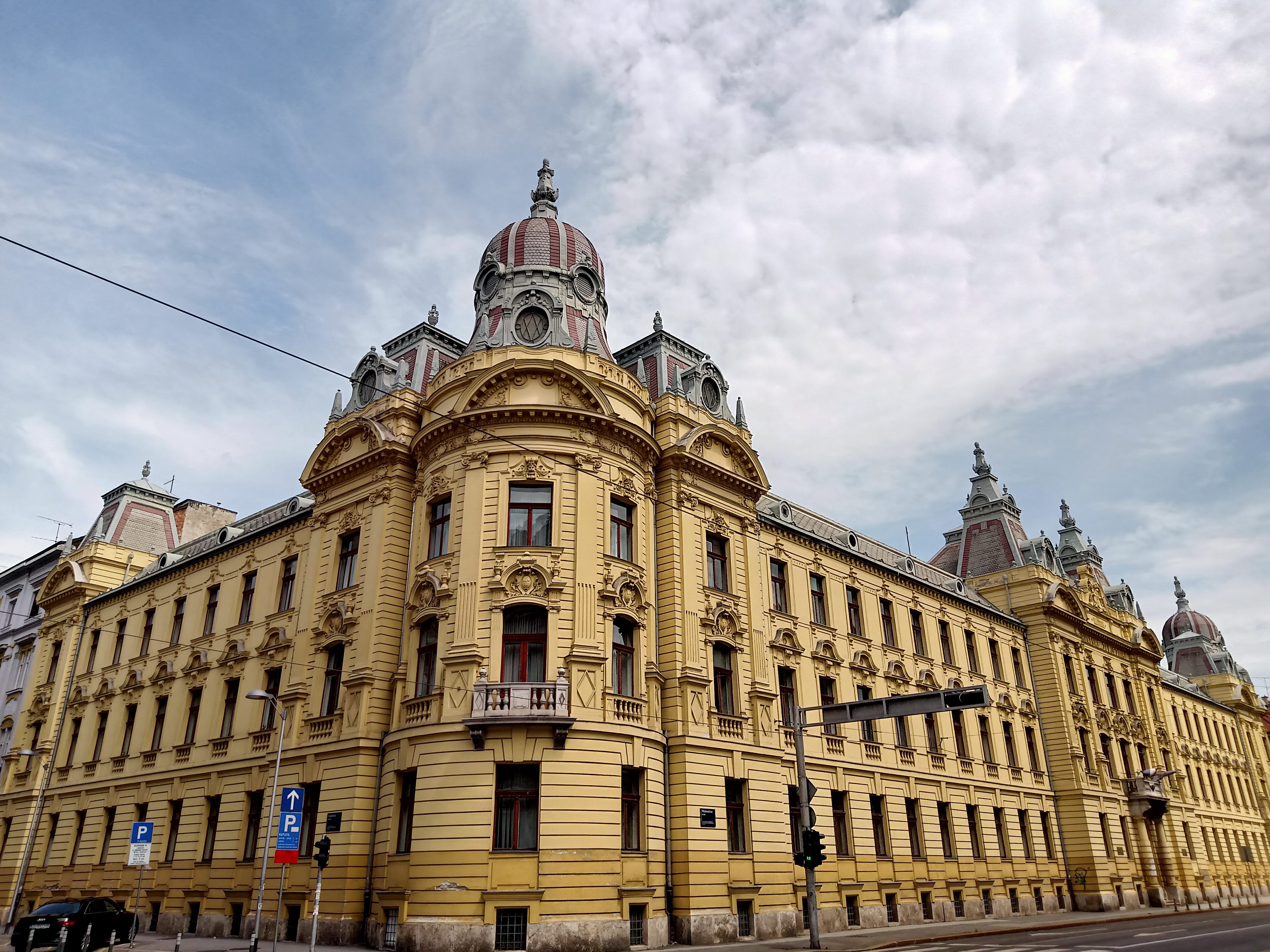
When it comes to Croatia most people picture beaches along the Dalmatian coast – Split, Dubrovnik and Zadar of Game of thrones fame. However, personally I feel that Zagreb has a lot more to offer in terms of its many museums, restaurants and open vistas like Maksimir Park and the Botanical Gardens. Jelacic Square is a good place to start your journey, straight up from the square you can see the medieval watch towers of Kaptol and the heavily ornamented spire of Zagreb cathedral. This neighborhood also has many restuarants and cafes on both sides of the pavement. There is also the Dolac market in close proximity, this market hosts local farmers selling their fresh farm produce. There are also stalls selling souvenirs and local delicacies like Licitar (a heart shaped candy).
Next to the Dolac market are steps leading to one of the most lively avenues of the lower town, and in one of these alleys is the entrance to the Gric tunnel. The tunnel was initally built as a bomb shelter during World War II, it was later renovated and is now a pedestrian walkway. It connects the lower town to areas close to the upper town. One exit takes you to the base of the funicular while another leads you close to St. Mark’s Church square.
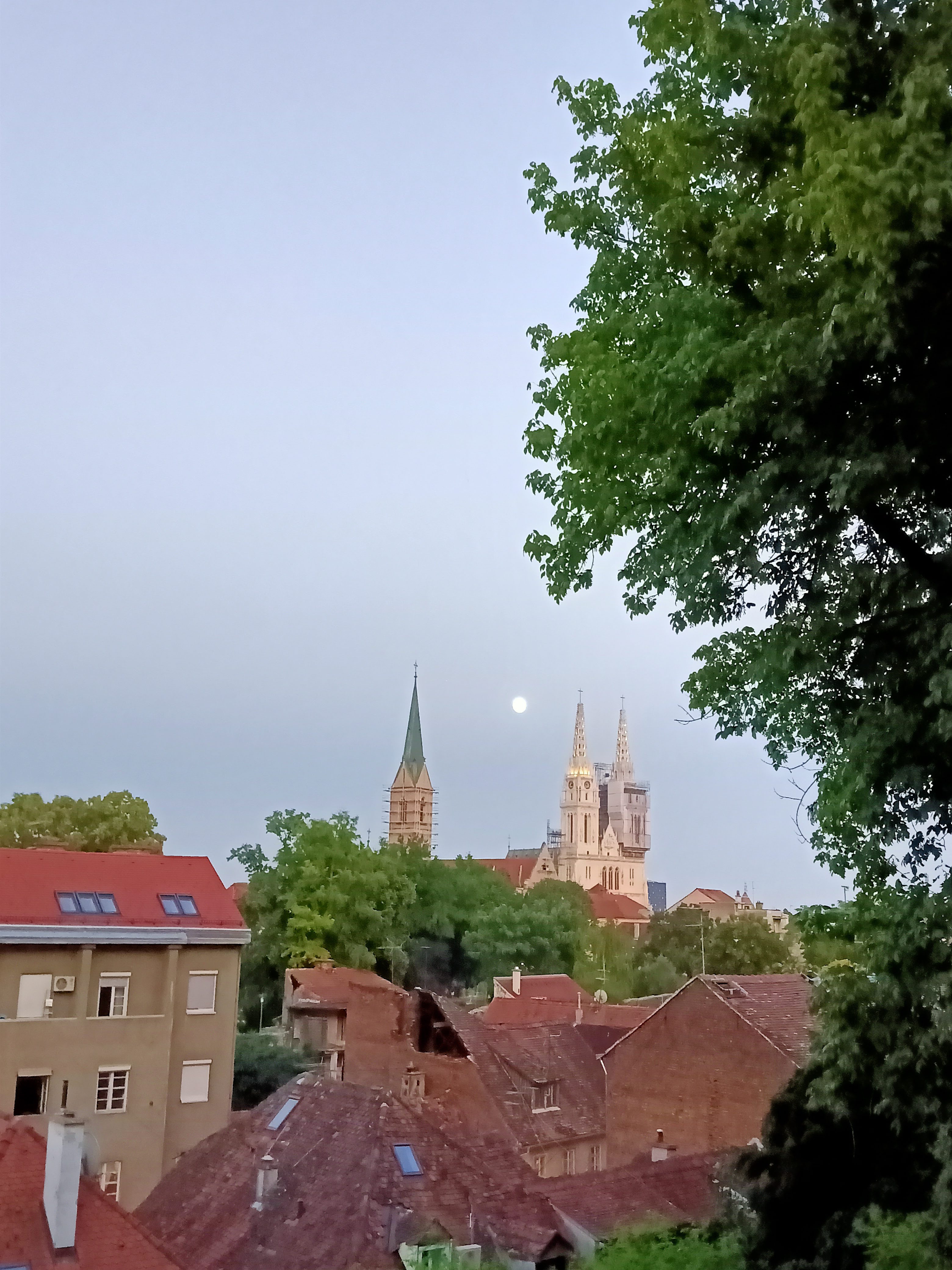
St. Mark’s Church is one of the most iconic landmarks of Zagreb rivalling the Zagreb Cathdral at times. It is easily recognizable from its chequered roof which which is embellished with the Coat of Arms and colors from the national flag. In front of the Church is the Lotrscak tower, which offers panoramic views of the city at one end and the Medvednica mountains at the other end. A cannon is fired every afternoon from the top of the tower, keeping the age old tradition alive. Legend has it that is was initially fired everyday to inform the residents of Gradec (old settlement in the upper town) that the gates of the neighborhood are closing for the day, so that they might return to their homes. During the evening, there are many street musicians near the base of the tower and their mesmerizing tunes alchemized with the zephyr atop the tower is an anodyne to the soul.


The museum of broken relationships, contrary to its name celebrates the universal and all encompassing nature of love. From the quirky and hilarious to the sad and sombre, the exhibitions on the museum cover the entire spectrum of human emotions. There are many interesting stories of togetherness, love and death which one can get to know from the exhibitions here. Especially interesting are the stories of the soldiers during World War II, there is a special section dedicated to them. This contains letters sent by these soldiers to their loved ones, sometimes more than half a century old these letters might even moisten your eyes. I would recommend spending atleast an hour in this place and browsing through all the rooms.
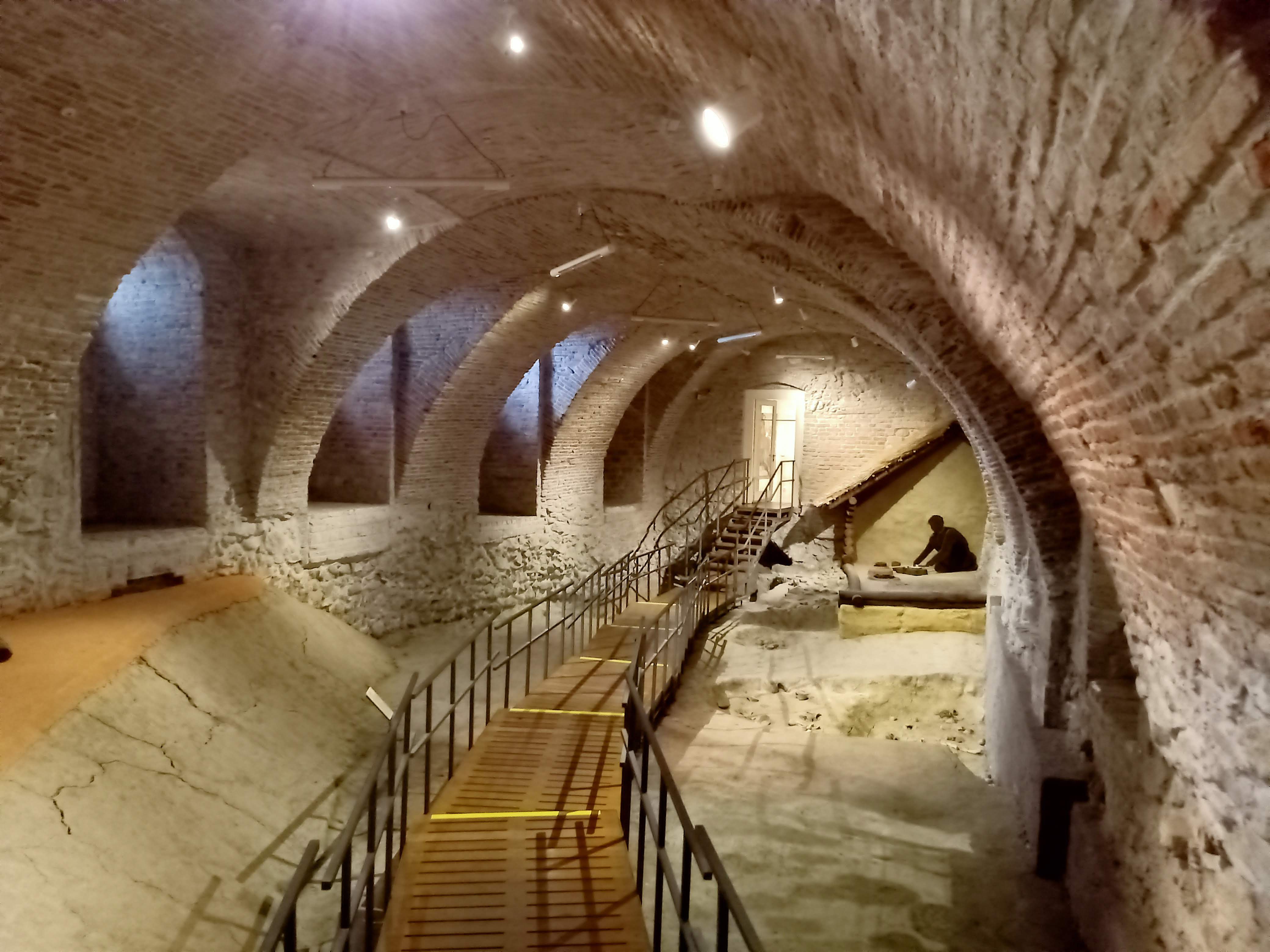
The left side of St. Mark’s square leads to the Stone Gate which contains the altar of Virgin Mary, it is said to have been unscathed by a fire in the 18th century. The City Museum of Zagreb is in close vicinity. This museum maps the evolution of the city from the Roman to modern times. It also houses artifacts displaying how the daily life and habits of people in Zagreb have evolved over the ages. One interesting feature of the museum is that it has preserved some of the excavation sites in-situ.

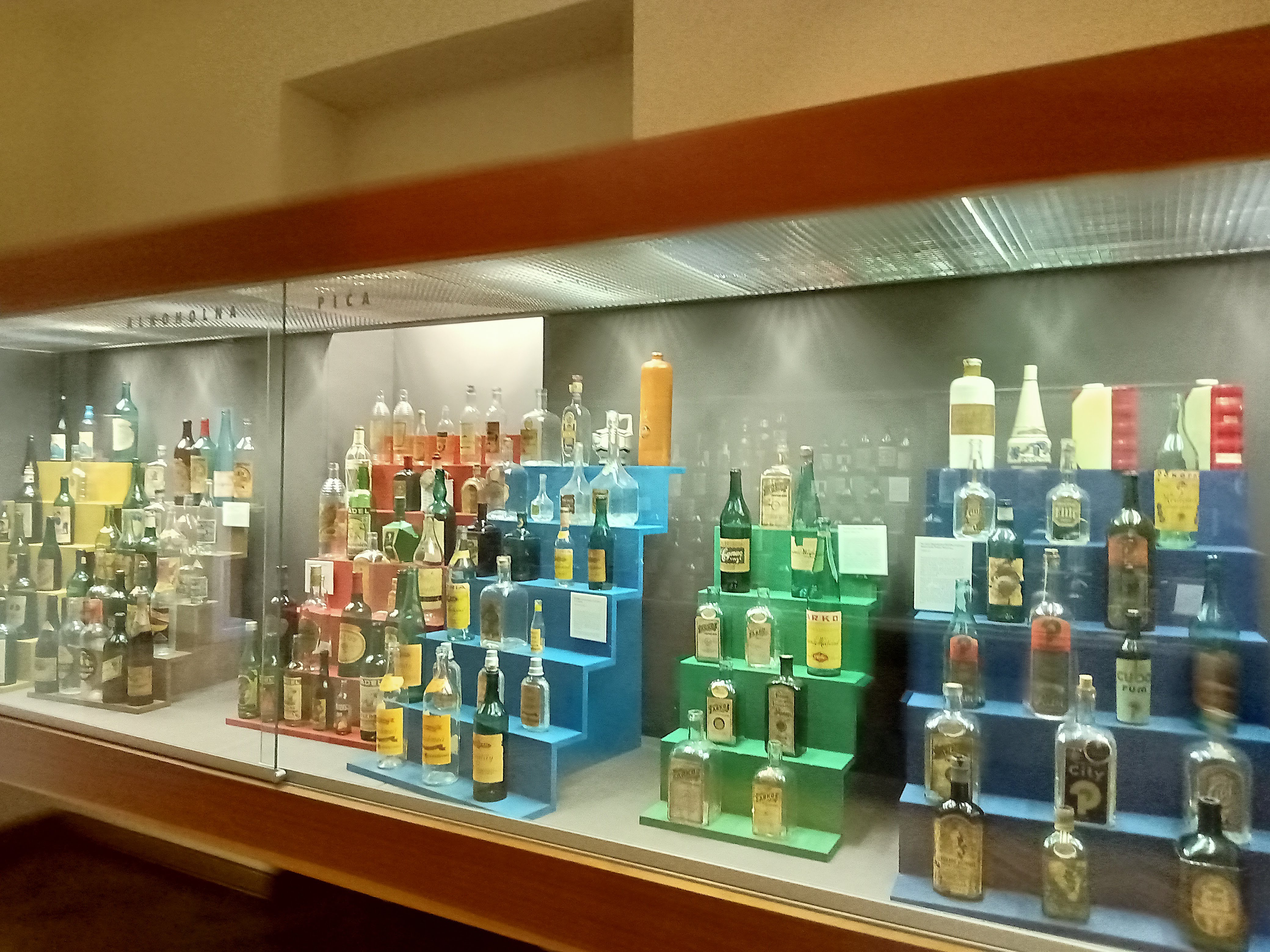
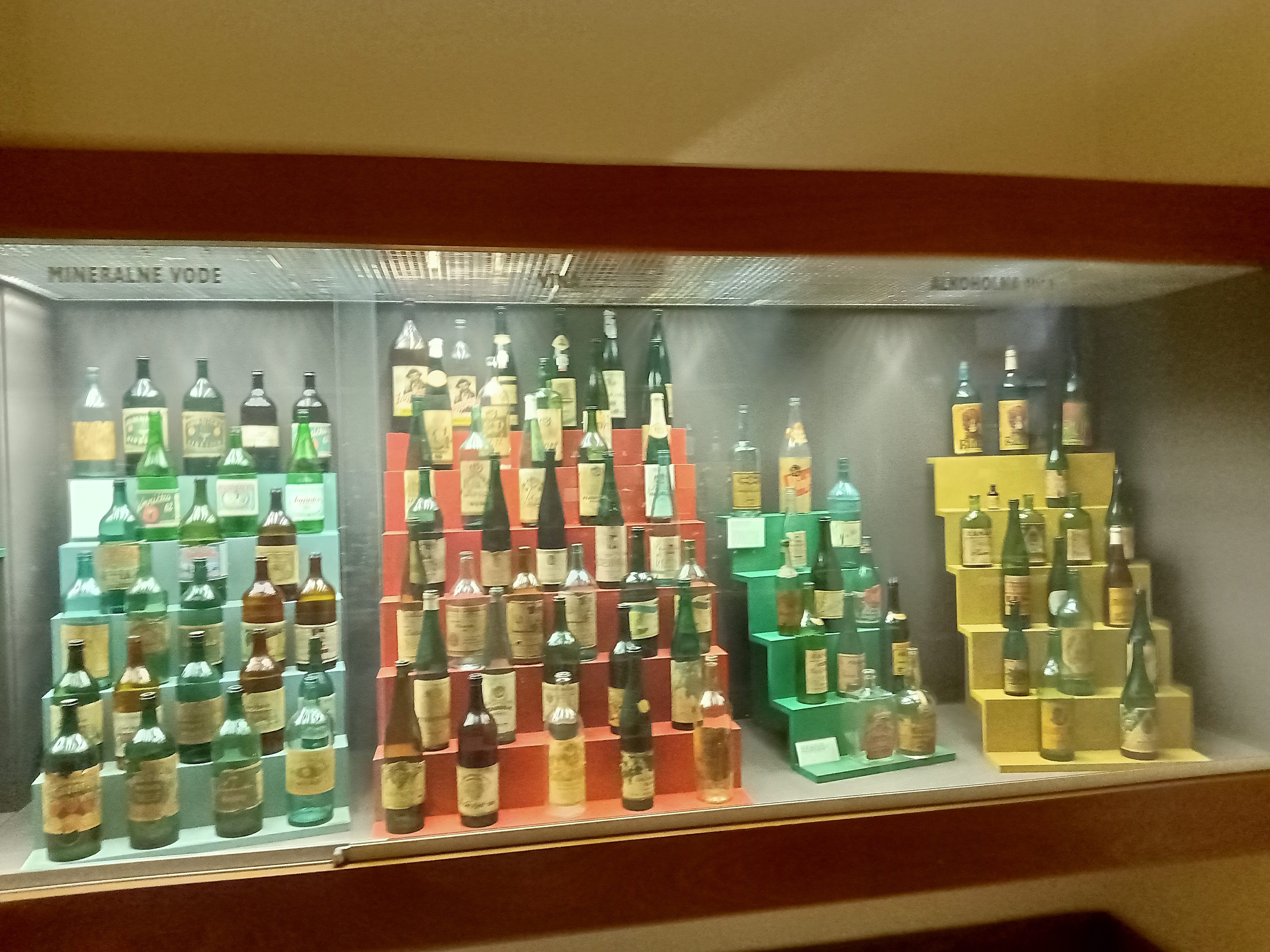
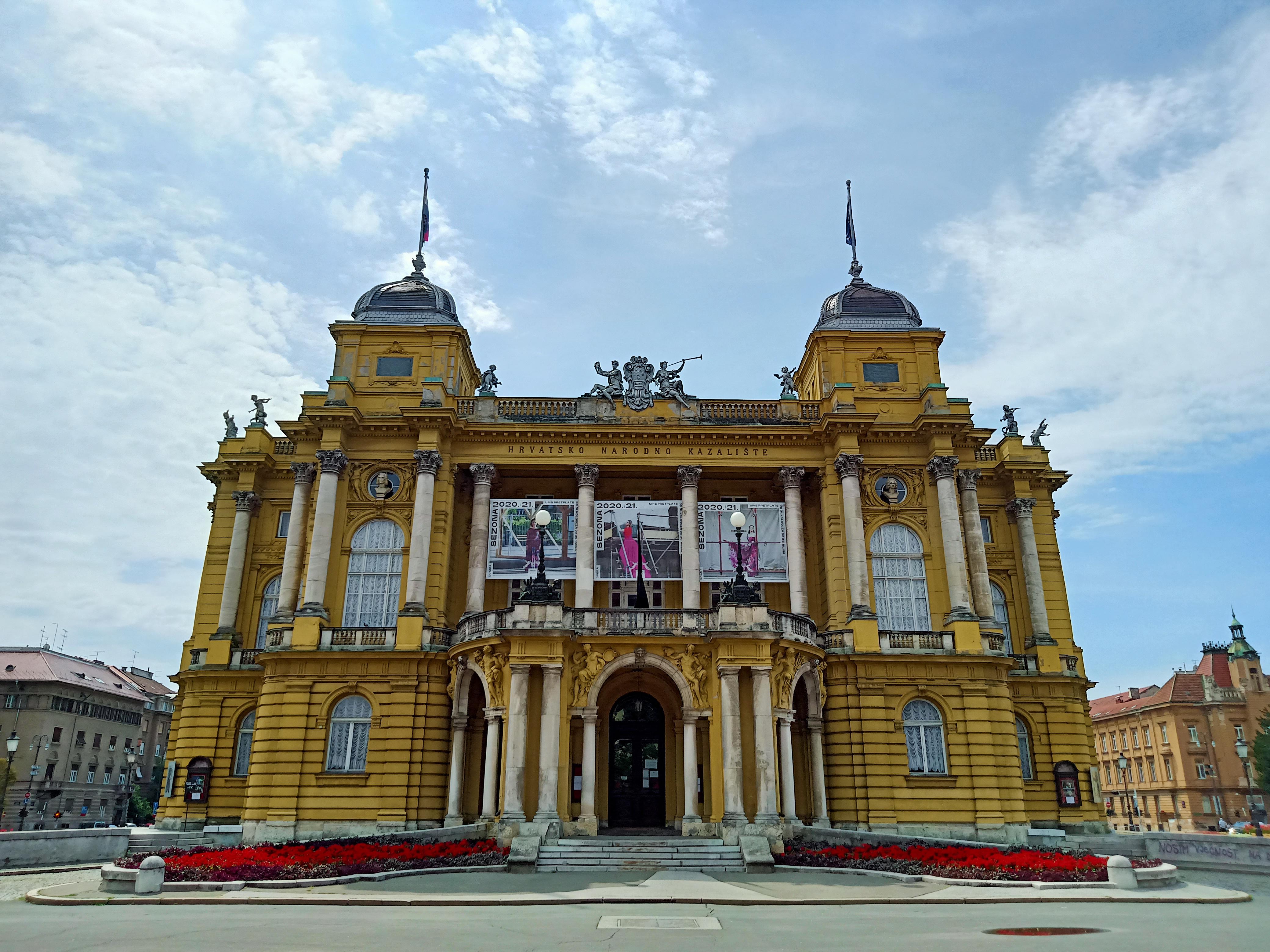

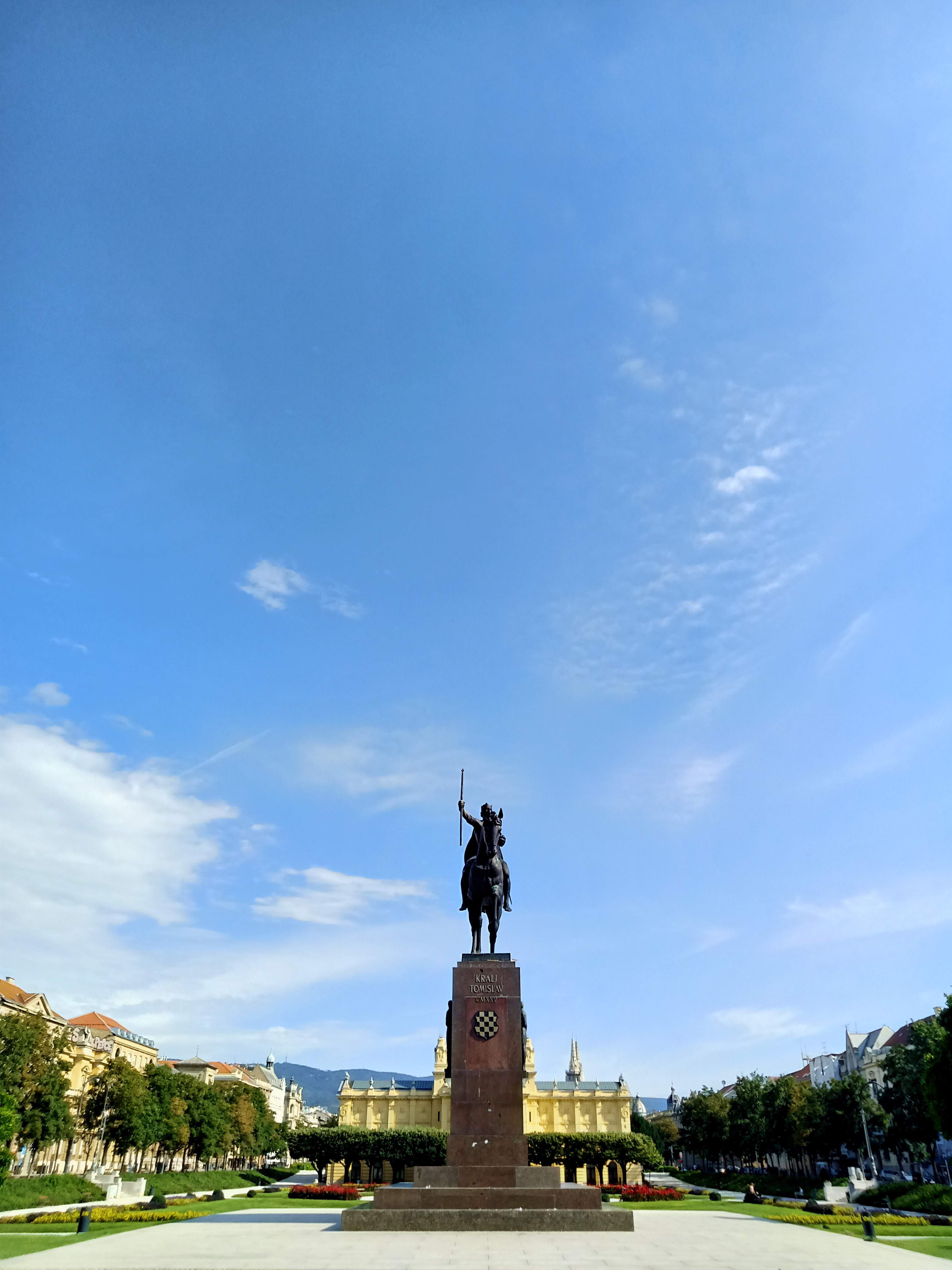
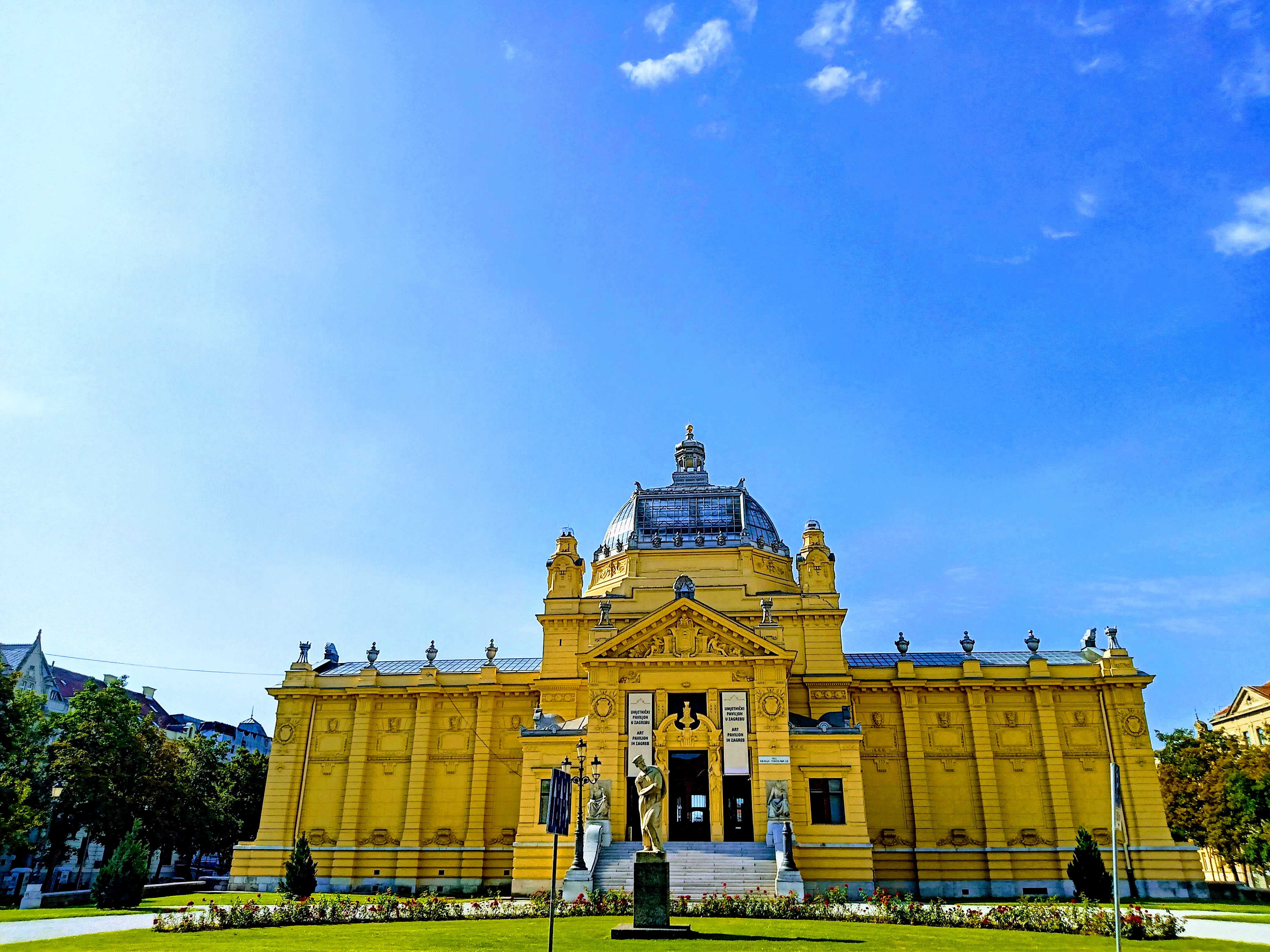
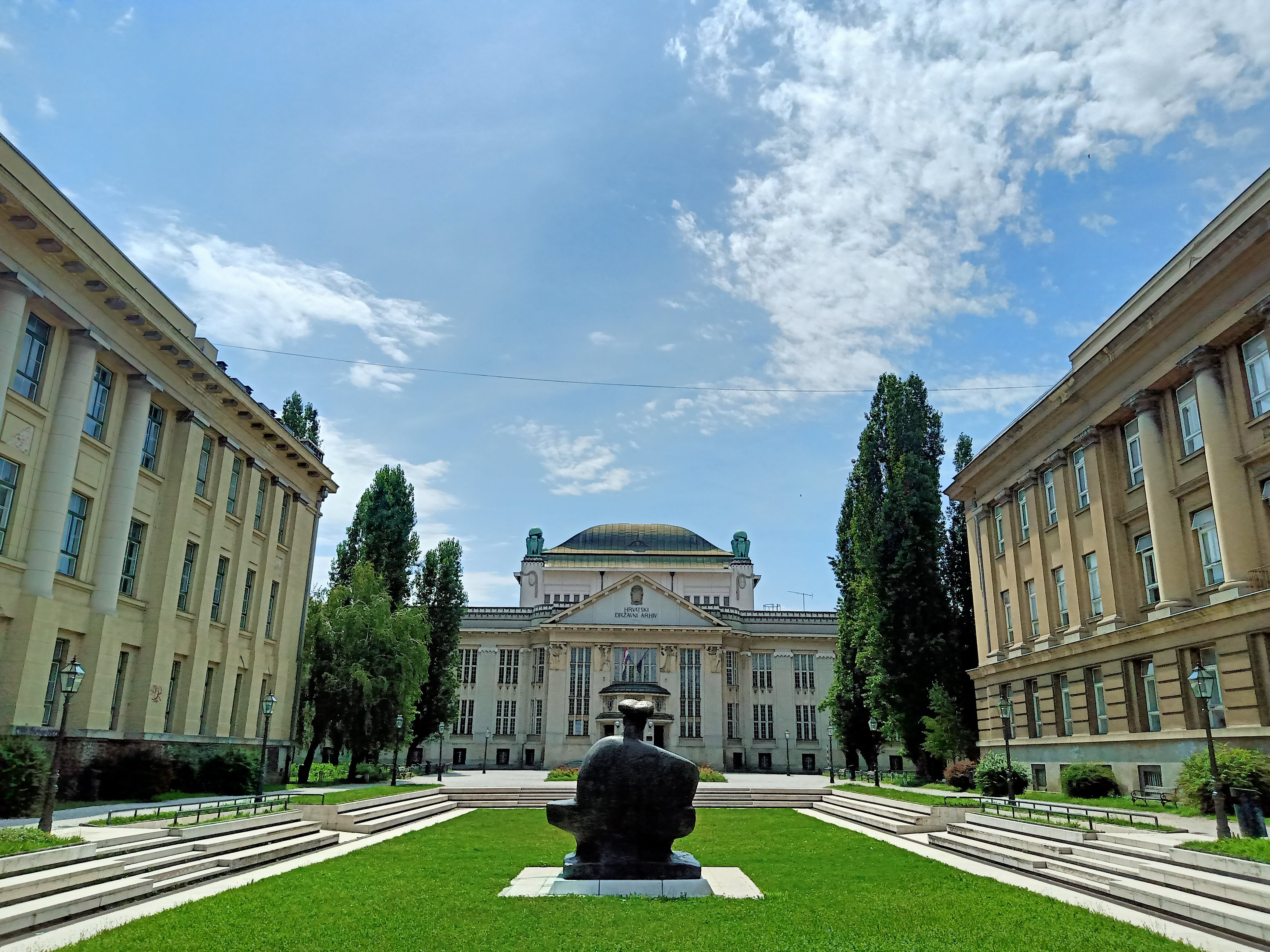
Lenuci’s Horse shoe is a central vista (shaped like a horse-shoe of course) starting at King Tomislav’s square, it has the largest concentration of Museums, Art Galleries and parks. If you start at the central train station you can see the imposing statue of the King, behind him is the Zagreb art pavillion with its characteristic amber exterior. Along the same road lies the Stossmayer Gallery of Old Masters, and many verdant open spaces. In close vicinity is the War Photography Museum and the Archealogy Museum.
At the other prong of this central promenade lies the Art and Craft Museum, the School Museum and the Botanical garden. If you are done with all the sites in the city center then its a good idea to head off to the far flung corners to gaze at the Maksimir park or hike to the castle atop the Medvednica mountains.

Things to Eat
Zagreb is the home to delicacies from all over the Dalmatian coast. Centuries of rule under the Ottomans has bestowed upon the country the characteristic flavors of the Balkan cuisine. Burek and Doner are staples in Zagreb along with the sour cream and cheese. Strukli is a soft dough filled with sour cream and Cuspajz – a hearty meat and vegetable stew are among the signature traditional dishes of Zagreb. They also have their own version of Schnitzel and Risotto (Black Risotto), I really like their traditional way of preparing pork meat on skewers.
How much does it cost
Zagreb is one of the cheapest capital cities in the europe. At the time of this writing one Croatian Kuna is worth 0.13 Euros. You can easily enjoy a hearty meal in less than 10 euros. There are many money exchangers scattered all across the city, however most places will accept credit card or even euros. The entire trip had cost me about 150 euros (all inclusive)

 Quantum Explorer
I hear its beauty there would love to go. Thanks for sharing
excellent description